Imagine a structure that has stood for over a thousand years without a single nail. The wooden pagodas and temples of ancient China are not just architectural marvels; they are testaments to an extraordinary craft known as traditional Chinese woodcraft. For 48 years, our family at Zhongyu Woodcraft has dedicated itself to preserving and advancing this ancient art. In this guide, we will explore the rich history of Chinese woodworking, demystify its unique joinery techniques, and reveal how these time-honored skills are finding new life in modern gardens, homes, and commercial spaces worldwide. Whether you are a homeowner considering a wooden pavilion, a designer seeking authentic materials, or simply a lover of fine craftsmanship, you’ll discover why this ancient tradition remains profoundly relevant today.
The Historical Roots of Chinese Woodworking
Chinese woodworking is one of the world’s oldest continuous crafts, with evidence of sophisticated joinery dating back over 7,000 years. The Neolithic era saw the creation of mortise and tenon joints, a technique that would become the backbone of Chinese construction. By the Zhou Dynasty (1046–256 BCE), wooden structures were already highly developed, and the Han Dynasty (206 BCE–220 CE) produced intricate wooden models of buildings, revealing advanced framing systems.
The golden age of Chinese woodcraft arrived during the Tang (618–907) and Song (960–1279) dynasties. The Song period, in particular, saw the publication of the Yingzao Fashi (Treatise on Architectural Methods) in 1103, a comprehensive manual that codified building standards, materials, and techniques. This book, written by Li Jie, is still studied by craftsmen today and demonstrates the remarkable sophistication of Chinese engineering.
Unlike Western architecture, which relied heavily on nails and rigid connections, Chinese builders engineered structures that could flex and absorb seismic energy. The Forbidden City in Beijing, constructed during the Ming Dynasty (1368–1644), has survived more than 200 earthquakes, thanks to its resilient wooden frame. The secret lies in the interlocking brackets called dougong, which distribute weight and allow slight movement without compromising stability.
This historical depth is not just academic. It informs every piece we create at Zhongyu Woodcraft. When we craft a wooden garden bridge or a pavilion, we are not merely building a product; we are continuing a lineage of knowledge that has been refined over millennia. The techniques we use are the same ones that built the great halls of ancient China, adapted for modern aesthetics and durability.
Core Techniques: Mortise and Tenon Joinery
At the heart of traditional Chinese woodcraft lies the mortise and tenon joint, a method of connecting two pieces of wood without metal fasteners. The tenon is a protruding tongue cut on one piece, and the mortise is a corresponding cavity cut into the other. When fitted together, they create a joint that is often stronger than the wood itself.
There are dozens of variations of this joint, each designed for a specific purpose. The straight mortise and tenon is the most basic, used for framing. The dovetail joint (or swallowtail) is used where resistance to pulling forces is needed, such as in drawer construction. The stepped mortise and tenon is common in furniture, providing a larger glue surface. In structural applications, such as our wooden pavilions, we use through tenons that extend entirely through the mating piece and are secured with wedges for maximum strength.
Why avoid nails? Nails corrode, loosen over time, and can split wood. Mortise and tenon joints, when properly fitted, actually become tighter under load. The friction and interlocking geometry create a connection that can last centuries. Moreover, this joinery allows wood to expand and contract naturally with changes in humidity, preventing the cracking and warping that often plague nailed structures.
In our workshop, we still use traditional hand tools—chisels, mallets, and saws—for many steps, though we supplement with precision machinery for repeatability. Each joint is test-fitted and adjusted by hand, ensuring tolerances of less than one millimeter. This meticulous approach is why our wooden garden bridges and traditional Chinese houses are renowned for their longevity and structural integrity.
For a deeper dive into specific joints, you might explore our guide on mortise and tenon joinery basics. And if you’re considering a custom piece, our custom wooden products page shows how we apply these techniques to create heirloom-quality items.
Traditional Chinese Woodcraft in the Modern World
You might think that a 7,000-year-old craft has little place in the 21st century. On the contrary, traditional Chinese woodcraft is experiencing a renaissance, driven by a global shift toward sustainability, durability, and authentic design. Modern applications range from residential garden structures to commercial hospitality spaces, and even to contemporary furniture that blends East and West.
One of the most popular applications is the wooden pavilion. These elegant structures, once reserved for imperial gardens, now grace backyards, parks, and resorts worldwide. They provide a shaded retreat, a focal point for landscaping, and a touch of timeless elegance. Our pavilions are engineered with the same mortise and tenon joinery used in ancient temples, ensuring they withstand harsh weather for decades, not just years.
Similarly, wooden garden bridges have become a sought-after feature in landscape design. Whether spanning a koi pond or creating a path over a dry creek bed, these bridges are both functional and symbolic. In Chinese culture, a bridge represents transition and connection, making it a meaningful addition to any garden.
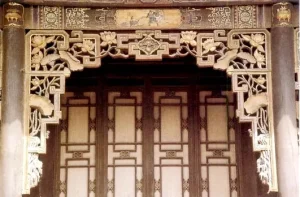
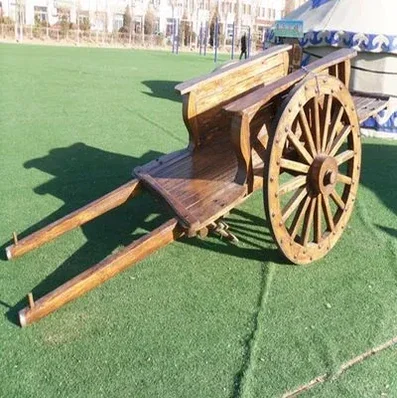
Beyond residential use, we see growing demand from the hospitality industry. Resorts and boutique hotels are incorporating traditional Chinese elements to create unique guest experiences. A tea house, a meditation pavilion, or even a set of traditional wooden doors can transform a space and differentiate a brand. Our work with film and television productions also demonstrates the versatility of this craft—we have crafted authentic historical replicas for period dramas, from ancient war chariots to intricate wooden signage.
The sustainability angle is particularly compelling. Wood is a renewable resource, and when harvested responsibly, it has a lower carbon footprint than steel or concrete. Furthermore, the longevity of mortise and tenon construction means fewer replacements and less waste. In an era of planned obsolescence, traditional woodcraft offers a counter-narrative of permanence and quality.
Choosing the Right Wood and Craftsmanship
The success of any wooden structure depends heavily on the selection of wood. Traditional Chinese woodworking often uses hardwoods like elm, oak, walnut, and rosewood, each chosen for its specific properties. Elm is remarkably resistant to splitting and is ideal for structural frames. Oak is strong and durable, perfect for outdoor applications. Walnut offers beautiful grain and is favored for fine furniture. Rosewood, with its rich color and density, is used in high-end decorative pieces.
For outdoor structures such as pavilions and bridges, we also use Southern yellow pine and cedar, which are naturally resistant to decay and insect infestation. The wood is kiln-dried to a moisture content of around 12% to prevent warping, then treated with eco-friendly preservatives that do not harm the environment.
Equally important is the skill of the craftsman. A master carpenter in our workshop undergoes years of apprenticeship, learning not only how to cut joints but also how to read the grain of the wood, anticipate its movement, and choose the right joint for each situation. This tacit knowledge cannot be replicated by machines. When you commission a piece from Zhongyu Woodcraft, you are not just buying a product; you are investing in 48 years of accumulated expertise and a tradition that stretches back thousands of years.
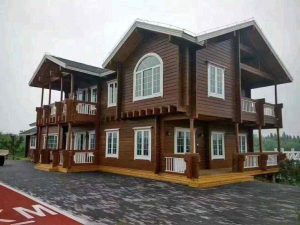
If you are planning a project, whether it’s a simple garden gate or a full-scale wooden house, we recommend consulting with our team early. We can advise on wood selection, design, and structural considerations. Our contact page is the first step toward bringing your vision to life.
Conclusion
Traditional Chinese woodcraft is far more than a historical curiosity; it is a living, evolving practice that offers elegant solutions to modern needs. From its ancient origins in mortise and tenon joinery to its contemporary applications in pavilions, bridges, and custom furniture, this craft embodies principles of sustainability, durability, and beauty that resonate more than ever. By choosing traditional woodcraft, you are not only acquiring a functional object but also a piece of cultural heritage, crafted with a level of skill and care that mass production cannot match. We invite you to explore our product range and consider how these timeless techniques can enhance your own space.
Frequently Asked Questions
What is traditional Chinese woodcraft?
Traditional Chinese woodcraft refers to the ancient practice of building structures and objects from wood using joinery techniques like mortise and tenon, without the use of nails or metal fasteners. It emphasizes precision, natural materials, and structural resilience, and has been refined over thousands of years.
Why is mortise and tenon joinery better than using nails?
Mortise and tenon joints are mechanically stronger and more durable than nailed connections. They allow wood to expand and contract naturally, prevent corrosion and loosening, and actually tighten under load. This results in structures that can last for centuries with minimal maintenance.
How long does a traditional wooden pavilion last?
With proper wood selection, treatment, and maintenance, a traditional wooden pavilion can last 50 to 100 years or more. The use of mortise and tenon joinery significantly extends the lifespan compared to nailed structures, which tend to weaken over time.
Can traditional Chinese woodcraft be used for modern homes?
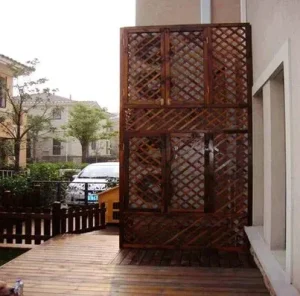
Absolutely. Modern homeowners are incorporating Chinese woodcraft elements such as wooden beams, sliding doors, and decorative screens. These features add warmth, character, and a connection to nature, while also providing structural benefits. Many of our clients integrate a wooden pavilion or bridge into their garden or outdoor living area.
What types of wood are best for outdoor wooden structures?
For outdoor structures, we recommend naturally rot-resistant woods like cedar, redwood, or Southern yellow pine. Hardwoods such as oak and elm are also excellent for structural frames. The wood should be properly kiln-dried and treated with an eco-friendly preservative to ensure longevity.
Frequently Asked Questions
What is traditional Chinese woodcraft?
Traditional Chinese woodcraft refers to the ancient practice of building structures and objects from wood using joinery techniques like mortise and tenon, without the use of nails or metal fasteners. It emphasizes precision, natural materials, and structural resilience, and has been refined over thousands of years.
Why is mortise and tenon joinery better than using nails?
Mortise and tenon joints are mechanically stronger and more durable than nailed connections. They allow wood to expand and contract naturally, prevent corrosion and loosening, and actually tighten under load. This results in structures that can last for centuries with minimal maintenance.
How long does a traditional wooden pavilion last?
With proper wood selection, treatment, and maintenance, a traditional wooden pavilion can last 50 to 100 years or more. The use of mortise and tenon joinery significantly extends the lifespan compared to nailed structures, which tend to weaken over time.
Can traditional Chinese woodcraft be used for modern homes?
Absolutely. Modern homeowners are incorporating Chinese woodcraft elements such as wooden beams, sliding doors, and decorative screens. These features add warmth, character, and a connection to nature, while also providing structural benefits. Many of our clients integrate a wooden pavilion or bridge into their garden or outdoor living area.
What types of wood are best for outdoor wooden structures?
For outdoor structures, we recommend naturally rot-resistant woods like cedar, redwood, or Southern yellow pine. Hardwoods such as oak and elm are also excellent for structural frames. The wood should be properly kiln-dried and treated with an eco-friendly preservative to ensure longevity.