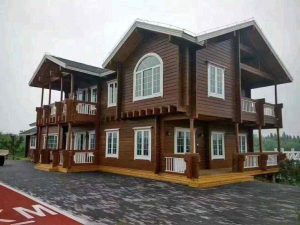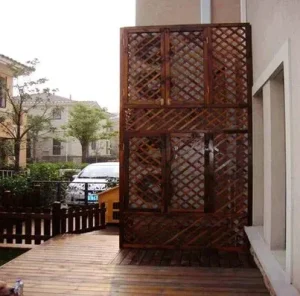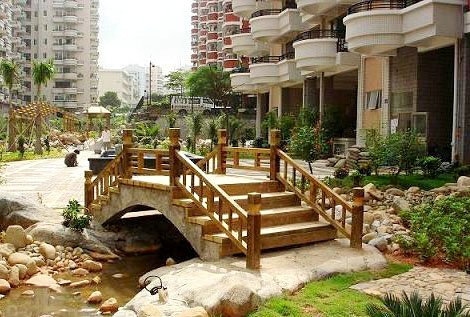
Imagine a building that not only shelters but also heals the planet. As the world grapples with climate change, architects and builders are turning back to the oldest building material—wood. Sustainable wooden architecture is no longer a niche trend; it is a movement reshaping skylines and rural landscapes alike. In this article, we delve into the innovations driving this revival, from towering mass timber skyscrapers to the timeless elegance of traditional mortise and tenon joinery. You will discover how our 48 years of crafting wooden pavilions and wooden cabins align with global sustainability goals, and why the future of building is rooted in the past.
Why Wood Is the Ultimate Green Building Material
Wood is the only major construction material that is renewable, biodegradable, and energy-efficient to produce. Unlike concrete and steel, which emit large amounts of CO2 during manufacturing, trees absorb carbon dioxide as they grow. According to the Wood Products Council, a cubic meter of wood stores about one ton of CO2. When responsibly sourced, wood has a lower embodied carbon footprint than any other structural material.
Moreover, modern forestry practices ensure that for every tree harvested, several are planted. This cycle creates a carbon-negative loop: forests grow, absorb CO2, and harvested wood continues to store that carbon for decades or even centuries. In contrast, the production of cement alone accounts for about 8% of global CO2 emissions (International Energy Agency). Choosing wood over concrete can significantly reduce a building’s environmental impact.
But not all wood is equal. The sustainability of wooden architecture depends heavily on sourcing. Look for certifications like FSC (Forest Stewardship Council) or PEFC, which guarantee responsible forest management. At Zhongyu Woodcraft, we have used sustainably harvested hardwoods for 48 years, ensuring that every wooden garden bridge or wooden water wheel we create comes from a renewable source.
Additionally, wood’s natural insulating properties reduce heating and cooling energy needs. A well-sealed timber frame can cut energy bills by up to 30% compared to conventional builds. This combination of low embodied carbon, carbon storage, and energy efficiency makes wood the ultimate green building material.
Mass Timber: The Skyscraper Revolution
For over a century, concrete and steel dominated high-rise construction. But a new player has emerged: mass timber. Engineered wood products like cross-laminated timber (CLT) and glued laminated timber (glulam) are strong enough to support tall buildings. The world’s tallest mass timber building, Mjøstårnet in Norway, stands at 85 meters (279 feet). In the United States, the 25-story Ascent tower in Milwaukee, completed in 2022, holds the record at 86.6 meters (284 feet).
Mass timber offers several advantages over traditional materials. It is lighter, which reduces foundation costs. It can be prefabricated off-site, leading to faster construction and less waste. And aesthetically, exposed wood creates a warm, biophilic environment that improves occupant well-being. Studies by the University of British Columbia show that workers in wooden buildings report higher productivity and lower stress levels.
But mass timber is not just for skyscrapers. Mid-rise residential and commercial buildings are increasingly using CLT panels and glulam beams. For example, the Framework project in Portland, Oregon, uses mass timber to create affordable housing. This trend is set to grow as building codes evolve to allow taller wooden structures. The International Building Code now permits mass timber buildings up to 18 stories, a testament to the material’s proven safety and strength.
At Zhongyu Woodcraft, we may not construct skyscrapers, but we apply the same principles of engineered wood to our wooden pavilions and wooden cabins. By using precision-cut joinery and high-quality hardwoods, we ensure our structures withstand the test of time, whether in a backyard or a forest retreat.
Traditional Joinery: Time-Tested Sustainability
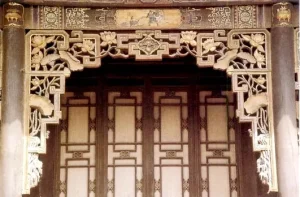
Before nails and screws, builders relied on intricate joinery—interlocking wooden joints that hold structures together without metal fasteners. The mortise and tenon joint, where a protruding tenon fits into a hollow mortise, is one of the oldest and strongest connections. In China, this technique has been perfected over millennia, allowing wooden buildings to survive earthquakes and harsh weather.
Why is traditional joinery sustainable? First, it requires no metal, which is energy-intensive to produce. Second, it allows for easy disassembly and reuse. A building with joinery can be taken apart and reassembled elsewhere, extending its lifespan and reducing waste. Third, the craftsmanship involved creates a deep connection to the material, encouraging owners to maintain and cherish the structure rather than demolish it.
For example, the 1,400-year-old Foguang Temple in China stands as a testament to the durability of joinery. It has survived numerous earthquakes, thanks to its flexible wooden frame. Modern engineers are now studying these ancient techniques to design earthquake-resistant buildings. The use of wooden components in contemporary architecture often draws inspiration from these traditional methods.
At Zhongyu Woodcraft, we have spent 48 years mastering these traditional techniques. Our craftsmen use mortise and tenon joints in every wooden pavilion and wooden garden bridge we make. This not only honors our heritage but also ensures that our products are more sustainable—they last longer, require less maintenance, and can be recycled or reused at the end of their life.
Biophilic Design and Human Well-being
Sustainable architecture is not just about the environment; it is also about human health. Biophilic design—incorporating natural elements into built spaces—has been shown to reduce stress, improve cognitive function, and enhance overall well-being. Wood is a key component of biophilic design because it brings the calming presence of nature indoors.
Research by Terrapin Bright Green found that spaces with exposed wood can lower heart rate and blood pressure. In healthcare settings, patients recover faster when they have views of wood and nature. In schools, students in classrooms with wooden furniture show better concentration and test scores. This has led to a surge in demand for wooden interiors and architectural features.
Our wooden cabins and wooden pavilions are designed with biophilic principles in mind. The natural grain, warm tones, and subtle aromas of wood create a sanctuary from the stress of modern life. Whether it’s a backyard gazebo or a full-scale wooden house, these structures offer a tangible connection to nature, promoting mental and physical health.
Furthermore, the use of wood in interior spaces can improve indoor air quality. Wood naturally regulates humidity, absorbing and releasing moisture to maintain a comfortable level. Unlike synthetic materials that off-gas volatile organic compounds (VOCs), wood emits no harmful chemicals. This makes wooden architecture a healthier choice for families and communities.
The Role of Custom Wooden Products in a Sustainable Future
As the world shifts toward sustainability, there is a growing demand for custom wooden products that are both functional and beautiful. From wooden signboards that guide visitors through eco-resorts to wooden farming tools that support organic agriculture, wood offers endless possibilities. At Zhongyu Woodcraft, we specialize in creating custom wooden products that blend traditional aesthetics with modern needs.
Our wooden water wheels are a prime example. These functional sculptures not only add rustic charm to landscapes but can also generate small-scale hydro power or aerate ponds. Similarly, our wooden oil presses are crafted using ancient techniques, offering an eco-friendly alternative to plastic-based machinery. We also create wooden war chariots and film props for historical reenactments and movies, preserving cultural heritage in a sustainable way.
By choosing custom wooden products, you support a low-impact economy. Wooden items are durable, repairable, and ultimately biodegradable. They do not contribute to the plastic waste crisis. Moreover, they carry a unique story—each grain and knot reflects the tree’s life, and each hand-carved detail reflects the artisan’s skill. In a world of mass-produced goods, custom woodwork stands out as a sustainable luxury.
If you are planning a project that involves wooden structures or decorative elements, consider the long-term benefits of wood. Our team at Zhongyu Woodcraft can help you design and manufacture custom wooden products that meet your sustainability goals. Contact us today to discuss your vision.
Conclusion
The future of sustainable wooden architecture is bright. With innovations like mass timber and a renewed appreciation for traditional joinery, wood is reclaiming its place as the world’s most versatile and eco-friendly building material. By choosing wood, you not only reduce your carbon footprint but also create spaces that nurture health and well-being. As we look ahead, the integration of ancient craft and modern technology will define the next generation of architecture. We invite you to be part of this movement—embrace the warmth and sustainability of wood in your next project.
Frequently Asked Questions
What is sustainable wooden architecture?
Sustainable wooden architecture refers to the design and construction of buildings using wood as the primary structural material, sourced from responsibly managed forests. It emphasizes low embodied carbon, energy efficiency, and the use of renewable resources, making it an eco-friendly alternative to concrete and steel.
How does wooden architecture reduce carbon footprint?
Wood stores carbon dioxide absorbed during the tree's growth. Using wood in buildings locks that carbon away for decades. Additionally, producing wood products requires less energy than manufacturing steel or concrete, resulting in significantly lower greenhouse gas emissions. For example, a cubic meter of wood stores about one ton of CO2.
What is mass timber and why is it important?
Mass timber refers to engineered wood products like cross-laminated timber (CLT) and glued laminated timber (glulam). These products are strong enough for high-rise buildings, offering a renewable alternative to steel and concrete. Mass timber is lighter, faster to assemble, and has a lower carbon footprint, making it key to sustainable urban development.
Can traditional joinery be used in modern wooden buildings?
Yes, traditional joinery, such as mortise and tenon, is still used in modern wooden buildings, especially in high-end and custom projects. It eliminates the need for metal fasteners, allows for easy disassembly, and provides excellent structural integrity, as proven by ancient buildings that have survived centuries.
Why is wood beneficial for human health in architecture?
Wood promotes biophilic well-being by reducing stress and improving cognitive function. It regulates humidity, does not emit harmful VOCs, and creates a visually calming environment. Studies show that occupants of wooden buildings report better mental health and productivity, making wood a healthy choice for homes and workplaces.