What Is Mortise and Tenon Joinery in Traditional Chinese Pavilions
Mortise and tenon joinery represents one of humanity’s most elegant engineering achievements in wooden construction. This ancient Chinese technique involves precisely carved wooden pegs (tenons) fitting into carefully cut holes (mortises) to create extraordinarily strong structural connections without nails, screws, or synthetic adhesives. In traditional Chinese pavilions, these interlocking joints serve as the fundamental building blocks that have supported architectural masterpieces for over three thousand years. The technique appears extensively documented in classical texts like the Yingzao Fashi (Treatise on Architectural Methods), written during the Song Dynasty in 1103 CE, which established standardized proportions for these structural connections. Modern B2B buyersarchitects, developers, and cultural project plannersincreasingly recognize that traditional pavilions built with authentic mortise and tenon joinery dramatically outperform modern mechanically-fastened alternatives in longevity, earthquake resistance, and aesthetic authenticity. This comprehensive guide explores why this ancient technique remains the gold standard for premium traditional pavilion construction in cultural parks, heritage sites, and luxury developments worldwide.
Historical Origins: Three Millennia of Refined Woodworking Excellence
The mortise and tenon joint traces its documented history in China back to the Shang Dynasty (1600-1046 BCE), where archaeological evidence from bronze-age burial sites reveals sophisticated wooden temple structures employing these exact connections. However, the technique likely predates written records by several centuries, with some scholars arguing that the fundamental principle emerged during the Neolithic period when early Chinese craftsmen discovered that interlocking wooden pieces created more stable shelters than simple lashing or binding. The Han Dynasty (206 BCE-220 CE) marked a turning point, as imperial patronage accelerated refinement of these joints for palace construction and religious structures. Court-appointed master craftsmen began codifying proportions and techniques that would remain essentially unchanged for two millennia. The Treatise on Architectural Methods specified specific ratiostypically a mortise depth equal to one-third of the tenon member’s thicknessensuring consistent structural performance across the empire. By the Tang Dynasty (618-907 CE), Chinese pavilion construction had reached remarkable sophistication, with multi-tiered structures employing hundreds of precisely fitted joints that allowed controlled flexibility during earthquakes while maintaining rigid overall stability. These historical precedents directly inform how contemporary manufacturers like Zhongyu Woodcraft approach traditional pavilion production, preserving techniques while adapting them for modern transportation and installation requirements.
Craftsmanship and Techniques: The Anatomy of Superior Joinery
Understanding why mortise and tenon joinery produces superior traditional pavilions requires examining the specific joint types employed in Chinese construction. The most fundamental distinction lies between through-tenon joints, where the tenon extends completely through the mortised member, and blind-tenon joints, where the connection remains hidden within the structure. Traditional Chinese pavilions typically employ multiple joint varieties depending on structural requirements: bow-tongue joints () provide exceptional resistance to pulling forces in shelf and frame construction; stepped joints () accommodate angular connections in roof structures; and corbel joints () create the distinctive bracket sets that characterize classical Chinese architecture. The wood selection process critically influences joint performance. Craftsmen traditionally prefer camphor wood () for its natural oils that resist moisture and insect damage, while Siberian larch () treated with pressure preservation offers excellent outdoor durability for contemporary projects. Moisture content demands particular attentionproperly seasoned wood typically maintains 8-12% moisture content to prevent shrinkage that could loosen joints after construction. Each joint requires hand-carving with specialized chisels, a process requiring years of apprenticeship. Zhongyu Woodcraft’s master craftsmen, with an average of twenty-five years’ experience, continue this tradition while incorporating modern precision measurement tools that ensure each joint meets exact tolerances.
Modern Applications: Why B2B Projects Choose Traditional Mortise and Tenon Pavilions
Contemporary B2B buyers increasingly specify mortise and tenon joinery for traditional pavilion construction across diverse project types. Cultural heritage sites require authentic replication of historical structures where modern construction methods would compromise historical accuracymunicipal governments and preservation committees often mandate traditional joinery for projects receiving heritage funding or located within designated historical districts. Theme parks and cultural tourism developments discover that hand-crafted mortise and tenon pavilions generate significantly higher visitor engagement than prefabricated alternatives, with guests drawn to visible craftsmanship and authentic materials. Luxury resort developers recognize that traditional pavilions featuring authentic joinery command premium positioning in competitive markets, with guests willing to pay more for genuinely crafted cultural experiences versus mass-produced imitations. Educational institutions building traditional craft training facilities require functional examples of proper joinery for instruction purposes, creating natural partnerships with traditional craftsmen. The structural advantages prove equally compellingproperly constructed mortise and tenon pavilions demonstrate remarkable seismic performance because the flexible joints allow controlled movement during earthquakes rather than the brittle failure common with nail-fastened structures. This characteristic makes traditional pavilions particularly attractive for projects in seismically active regions. Additionally, the modular nature of mortise and tenon construction facilitates transportation and assembly in challenging locations, as components can be manufactured in a Chinese workshop, shipped flat-pack, and assembled using traditional techniques without specialized equipment.
Design Trends: Integrating Traditional Joinery with Contemporary Aesthetics
The current design landscape for traditional Chinese pavilions reflects a sophisticated dialogue between historical authenticity and contemporary expectations. Leading architects increasingly specify hybrid construction approaches that preserve traditional joinery for visible structural elements while incorporating concealed modern reinforcements where required by buildi
ng codes or engineering specifications. This approach allows projects to achieve authentic aesthetic results while satisfying structural requirements that pure traditional construction might not meet. Color and finish trends have evolved significantly, with designers moving away from bright lacquer finishes toward natural wood tones that allow grain patterns to provide visual interest. Shou sugi ban (charred wood) techniques adapted from Japanese traditions now appear in traditional Chinese pavilion designs, offering enhanced weather resistance alongside distinctive appearance. Sustainability considerations increasingly influence material selection, with FSC-certified timber becoming standard specification for internationally-funded projects and environmentally-conscious developers. The integration of traditional pavilions into broader landscape architecture schemes has become more sophisticated, with contemporary projects often positioning pavilions as focal points within designed garden sequences rather than standalone features. Lighting design has emerged as a critical consideration, with architects specifying pavilions that accommodate concealed lighting installations without compromising traditional aesthetics. Digital fabrication technologies now complement rather than replace traditional craftsmanshipCNC routers can produce consistent joint components while master craftsmen handle finishing and assembly, combining efficiency with authentic handwork.
Case Study: A Scenic Area Heritage Pavilion Project
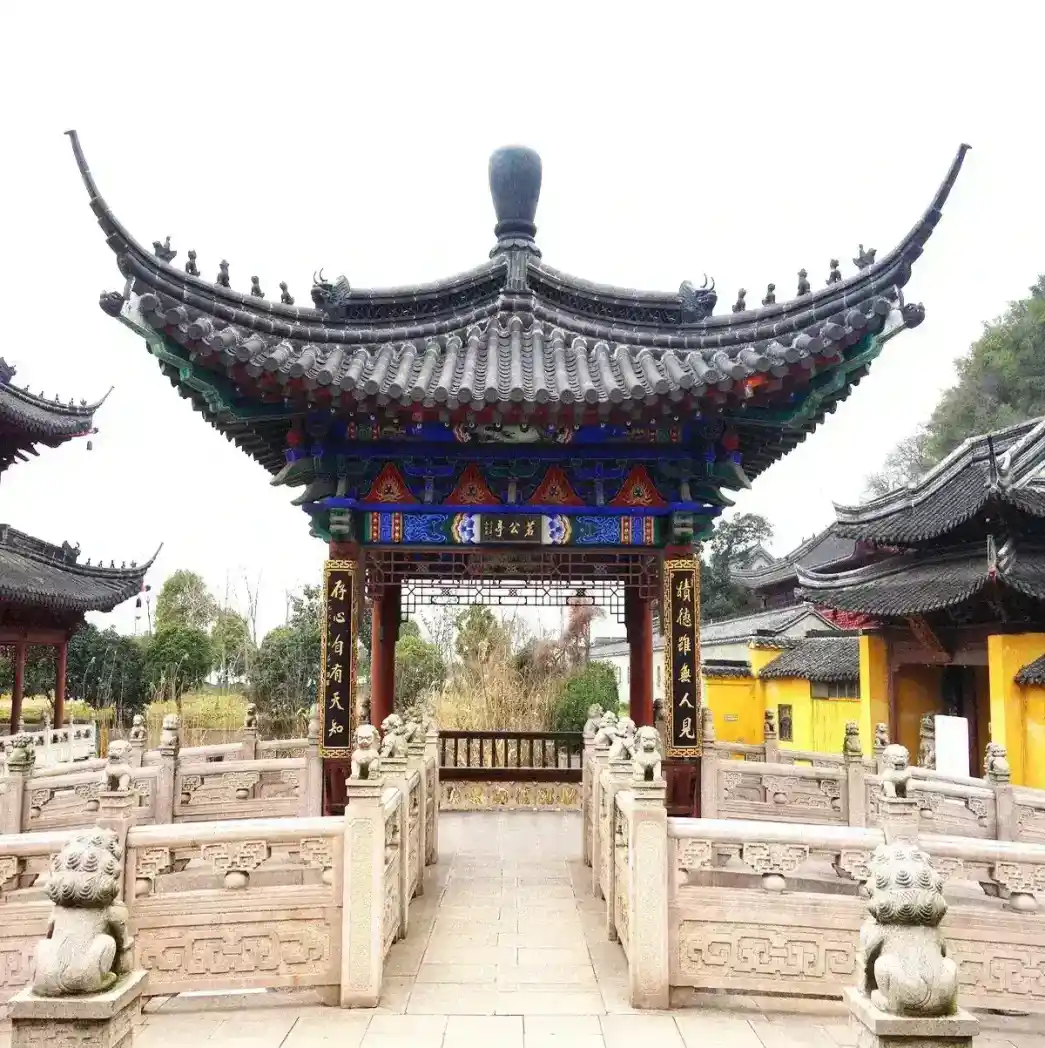
A compelling example of modern traditional pavilion implementation occurred at a heritage water town restoration project, where planners sought to recreate authentic Song Dynasty-era pavilion structures using traditional techniques while meeting contemporary accessibility and safety requirements. The project specified three interconnected pavilions featuring distinctive hip-and-gable roofs () connected by covered walkways, all employing traditional mortise and tenon joinery throughout. The primary challenge involved adapting historical proportions to accommodate modern wheelchair-accessible pathways while maintaining visual authenticitytraditional pavilions typically featured raised platforms unsuitable for universal accessibility. The solution involved slightly elevating pathway grades while preserving traditional appearance through carefully designed threshold transitions. Each pavilion required approximately 2,400 individual joints, with custom-forged steel dowels concealed within traditional wooden pegs to satisfy structural engineering requirements. The client specified Indonesian merbau () for its exceptional outdoor durability and attractive reddish-brown coloration, requiring eighteen months of air-drying before fabrication commenced. The project timeline extended fourteen months from initial design consultation through final installation, with the majority of fabrication occurring at the manufacturing facility and on-site assembly requiring a team of eight craftsmen over six weeks. The completed structures have withstood three typhoon seasons without damage, demonstrating the structural resilience that properly executed mortise and tenon joinery provides.
Practical Guide: Selecting and Maintaining Traditional Pavilion Joinery
B2B buyers evaluating traditional pavilions for cultural projects should understand key factors that distinguish quality construction from inferior alternatives. Joint proportions provide the most reliable quality indicatorproperly designed mortise and tenon joints typically maintain depth-to-thickness ratios between 1:2 and 1:3, with insufficient depth compromising structural performance. Prospective buyers should request cross-sectional drawings showing joint proportions before committing to purchases. Wood species selection must align with intended use and climate conditionspressure-treated Siberian larch suits temperate climates with moderate precipitation, while naturally durable species like teak or merbau prove essential for tropical environments or coastal locations with salt exposure. The moisture content at delivery significantly influences long-term performance, with wood arriving at 12-15% moisture content more likely to experience subsequent shrinkage than wood dried to 8-10%. Proper maintenance extends traditional pavilion lifespans considerably, with annual inspections checking for loosened joints, accumulated debris in drainage channels, and any signs of insect activity. Recoating wood finishes every three to five years maintains weather resistance, though naturally durable species may require less frequent treatment. Projects in humid climates benefit from elevated construction that prevents direct ground contact and promotes air circulation beneath structures. Organizations seeking maximum longevity should establish maintenance contracts with traditional craft specialists capable of addressing issues before they compromise structural integrity.
Key Specifications at a Glance
| Brand | Zhongyu Woodcraft (48 years of traditional woodworking) |
| Main Material | Old fir / scotch pine / merbau, ACQ preservative vacuum-treated |
| Craft | Traditional mortise-and-tenon joinery, per “Tiangong Kaiwu” and “Yingzao Fashi” |
| Lead Time | 15-30 days standard, 30-75 days custom |
| Service Life | 20-50 years (outdoor preservation grade) |
| Service | Nationwide delivery + on-site installation, lifetime maintenance |
According to our master craftsman with 48 years of experience, “The mortise-and-tenon joint needs no nails — the interlocking of timber itself carries the load, a technique passed down for centuries.”
Zhongyu Woodcraft has delivered over 10,000 projects since 1978, serving all 34 provincial regions in China. Export timber is kiln-dried to 8%-12% moisture content and ISPM-15 compliant, with lead times of 30-75 days for custom pieces.
Q: What is the minimum order quantity (MOQ)?
A: Our MOQ is 1 unit for standard designs, with volume pricing available from 3 units. We keep standard components in stock to serve trial orders and repeat customers equally well.
Q: What are your payment terms?
A: Standard terms are 30% T/T deposit to confirm the order and 70% balance before shipment. For long-term partners we can discuss L/C at sight or net-30 terms.
Q: Do you provide installation guidance?
A: Yes. Every shipment includes detailed assembly drawings and step-by-step video guidance. For large pavilions and heritage structures, on-site installation supervision is available.
Call/WhatsApp: +86 13883366528
Zhongyu Woodcraft – 48 Years Traditional Chinese Woodcraft Factory, Nationwide Installation