Imagine a structure built without a single nail, yet strong enough to withstand centuries of earthquakes. This is the marvel of Chinese traditional woodcraft, a craft perfected over millennia. In our 48 years of manufacturing traditional wooden structures at Zhongyu Woodcraft, we have not only preserved these ancient techniques but have also applied them to create modern masterpieces. This article explores the core principles, iconic techniques, and enduring relevance of Chinese woodcraft, offering insights for architects, designers, and cultural enthusiasts alike.
Chinese traditional woodcraft is defined by its sophisticated joinery, philosophical depth, and remarkable sustainability. Unlike Western methods that often rely on metal fasteners, Chinese carpenters developed a system of interlocking joints that are both functional and beautiful. This approach has influenced everything from imperial palaces to humble garden pavilions. In this guide, we will dissect the key techniques, examine the cultural context, and show you how these ancient skills are being revived in contemporary landscaping and architecture.
The Soul of Chinese Woodcraft: Mortise and Tenon Joinery
At the heart of Chinese traditional woodcraft lies the mortise and tenon joint, known in Chinese as ‘sunmao’. This ingenious system creates a connection where one piece of wood has a protruding tenon that fits perfectly into a cavity, or mortise, of another. The result is a joint that is often stronger than the wood itself, capable of handling immense compression and tension. This technique is not just about structural integrity; it is a philosophy of harmony, where parts work together without the need for external force.
There are dozens of variations of mortise and tenon joints, each designed for a specific purpose. For instance, the ‘dovetail’ joint is used for drawer construction, while the ‘double tenon’ provides extra strength for beams. In our workshops, we still employ these traditional methods to craft wooden pavilions and garden bridges, ensuring each piece fits with the precision that only hand-crafted joinery can achieve. The beauty of this system is its resilience; when the wood expands or contracts with humidity, the joints flex slightly, preventing cracks and structural failure.
For those new to this craft, understanding the basic principles is essential. The tightness of the fit is critical: too loose, and the joint will wobble; too tight, and the wood will split. Master carpenters spend years perfecting the feel of a proper fit. This attention to detail is why a well-constructed mortise and tenon structure can last for over a thousand years, as evidenced by the ancient wooden temples that still stand in China today.
Bracket Arm (Dougong): Engineering Marvel of Ancient China
Perhaps the most iconic element of Chinese traditional woodcraft is the ‘dougong’, a system of interlocking wooden brackets that support the heavy roofs of temples and palaces. These brackets, which are essentially complex mortise and tenon assemblies, distribute the weight of the roof down to the columns, allowing for wide overhangs and flexible, earthquake-resistant structures. The dougong is a testament to the advanced engineering skills of ancient Chinese builders, who understood load distribution and seismic resilience centuries before modern engineering principles were formalized.
The construction of a dougong requires incredible precision. Each bracket is carved and fitted to interlock with its neighbors, creating a layered, almost sculptural appearance. Historically, the size and complexity of the dougong were also a status symbol, with imperial buildings featuring the most elaborate examples. Today, this technique is not just a relic of the past. We at Zhongyu Woodcraft use scaled-down versions of dougong in our wooden gazebos and traditional tea houses, adding an authentic touch that modern construction methods cannot replicate.
For architects and builders interested in incorporating dougong into modern designs, it is essential to work with craftsmen who understand the structural logic behind the brackets. Simply mimicking the look without the engineering knowledge can lead to structural weaknesses. When done correctly, however, a dougong-inspired roof can be a stunning focal point that bridges ancient aesthetics with contemporary architecture.
Materials and Tools: The Craftsman’s Palette
The choice of wood is paramount in Chinese traditional woodcraft. Historically, builders used hardwoods like nanmu (Phoebe zhennan) for imperial projects, prized for its fragrance and resistance to insects. For more common structures, pine, fir, and elm were popular due to their availability and workability. Each wood has unique characteristics: some are chosen for their grain, others for their strength or durability in outdoor conditions. In our own production, we select hardwoods like oak and teak for outdoor wooden water wheels and landscape installations, ensuring longevity against the elements.
Traditional Chinese woodworking tools are as refined as the joinery they create. The plane, or ‘bao’, is used to create perfectly smooth and flat surfaces, while the ‘chisel’ is essential for carving mortises. The ‘marking gauge’ ensures precise measurements, and the ‘saw’ is used for ripping and crosscutting. Unlike many Western tools, Chinese planes are often pushed away from the body, and their blades are set at a lower angle for finer cuts. Mastering these tools requires years of practice, and the feel of a well-tuned plane gliding through wood is a sensory experience that modern power tools cannot match.
Maintaining these tools is a ritual in itself. Blades must be kept razor-sharp, and wooden handles are often custom-fitted to the craftsman’s hand. While power tools have their place in modern production, we still rely on hand tools for the final fitting and finishing of our joints. This blend of old and new ensures that each piece we create has the soul of traditional craftsmanship, while meeting the durability standards of modern use.
Cultural Significance and Symbolism in Wooden Artifacts
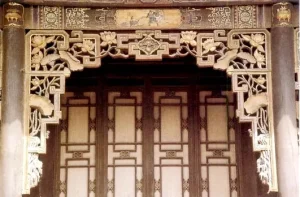
Chinese traditional woodcraft is deeply intertwined with cultural symbolism. Wooden structures are not just functional; they are expressions of cosmological beliefs and social hierarchy. For example, the color red is often used on beams and columns to ward off evil spirits, while the number of brackets in a dougong might indicate the owner’s rank. Carvings of dragons, phoenixes, and other mythical creatures are not merely decorative; they carry wishes for prosperity, longevity, and good fortune.
This symbolism extends to everyday objects. Our wooden signboards, for instance, often feature calligraphy that is both an art form and a message. In traditional gardens, every pavilion, bridge, and water wheel is placed to create a specific aesthetic and philosophical effect, such as the harmony between yin and yang. Even the grain of the wood is considered, with craftsmen selecting pieces that naturally mimic landscapes or abstract patterns.
For modern consumers, incorporating these cultural elements can add a layer of meaning to a space. A wooden plaque with auspicious symbols can be a conversation starter, while a pavilion built with traditional joinery can evoke a sense of peace and timelessness. By preserving these symbolic traditions, we keep alive a rich cultural heritage that resonates with people worldwide.
Preserving the Craft: Modern Applications and Innovations
While rooted in history, Chinese traditional woodcraft is not static. Today, there is a growing movement to preserve and innovate upon these ancient techniques. Modern architects are experimenting with large-scale timber structures that use traditional joinery for their sustainability and aesthetic appeal. The ability to disassemble and reassemble structures is a key advantage, as it allows for relocation and reduces waste. This aligns perfectly with contemporary green building practices.
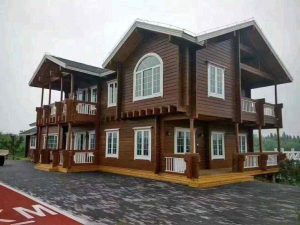
In our own work, we see a rising demand for traditional wooden elements in modern landscapes. Homeowners and businesses are commissioning wooden cabins, glamping pods, and garden structures that feature mortise and tenon joinery. These structures offer a unique combination of rustic charm and structural integrity. Moreover, the use of computer-aided design (CAD) and CNC machines has allowed us to create complex joints with even greater precision, while still finishing by hand to maintain the authentic feel.
However, the true essence of the craft lies in the human touch. As we look to the future, it is crucial to train new generations of craftsmen who understand not just the ‘how’ but also the ‘why’ of traditional woodcraft. By blending ancient wisdom with modern innovation, we can ensure that this remarkable heritage continues to inspire and function for centuries to come.
Conclusion
Chinese traditional woodcraft is a profound legacy of human ingenuity and aesthetic sensibility. From the ingenious mortise and tenon joints to the majestic dougong brackets, every element reflects a deep understanding of nature, materials, and engineering. Whether you are a professional looking to incorporate these techniques into your projects or a homeowner seeking a unique, sustainable structure, the principles of Chinese woodcraft offer timeless solutions.
At Zhongyu Woodcraft, we are dedicated to preserving this art form. With 48 years of experience, we specialize in creating traditional wooden pavilions, garden bridges, water wheels, and custom wooden structures that embody the spirit of Chinese craftsmanship. We invite you to explore our products and consider how a piece of this heritage could enhance your space. Contact us today to discuss your custom project, and let us build something that will stand the test of time.
Frequently Asked Questions
What is the main difference between Chinese and Western woodworking?
The primary difference lies in the joinery. Chinese woodworking relies on mortise and tenon joints without nails or screws, creating flexible, earthquake-resistant structures. Western woodworking often uses nails, screws, and adhesives, which can be more rigid and prone to failure under stress.
How long does a well-built wooden structure last?
With proper maintenance, a wooden structure using traditional Chinese joinery can last for centuries. The oldest surviving wooden buildings in China are over 1,000 years old. The key is using durable wood, ensuring good drainage, and protecting the structure from moisture and insects.
Can traditional Chinese woodcraft be used in modern architecture?
Absolutely. Modern architects are increasingly incorporating traditional joinery for its aesthetic and sustainability benefits. It allows for prefabrication and easy assembly, and the use of timber as a renewable resource makes it an eco-friendly choice. Many contemporary buildings feature traditional brackets or beam systems.
What is the best wood for outdoor wooden structures?
For outdoor use, hardwoods like teak, oak, and mahogany are excellent choices due to their natural resistance to decay and insects. In Chinese tradition, nanmu was highly prized, but it is now rare. We recommend using sustainably sourced hardwoods and applying a protective finish to extend the life of the structure.
Are traditional wooden structures more expensive than modern ones?
Initially, yes, due to the labor-intensive joinery and high-quality materials. However, the long-term benefits often outweigh the cost, including lower maintenance, longer lifespan, and unique aesthetic value. Additionally, the ability to disassemble and reuse components can add to their cost-effectiveness.