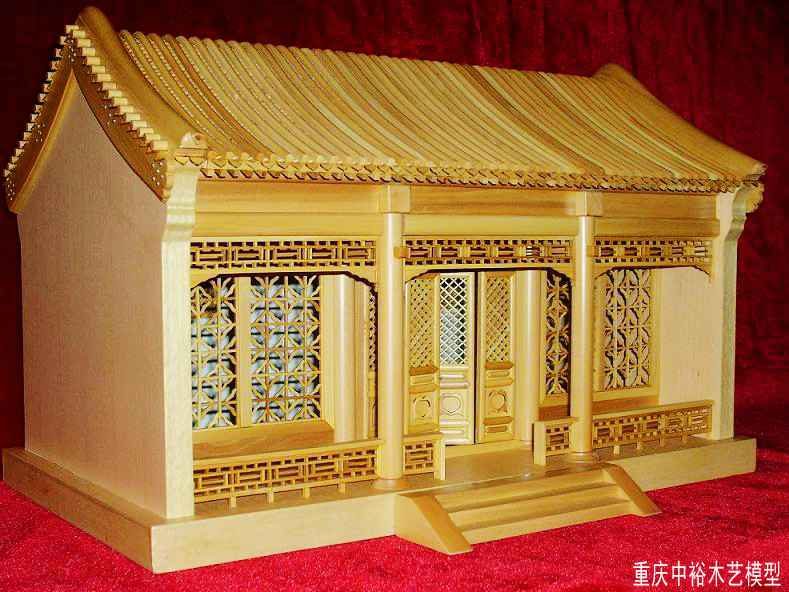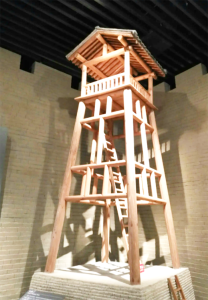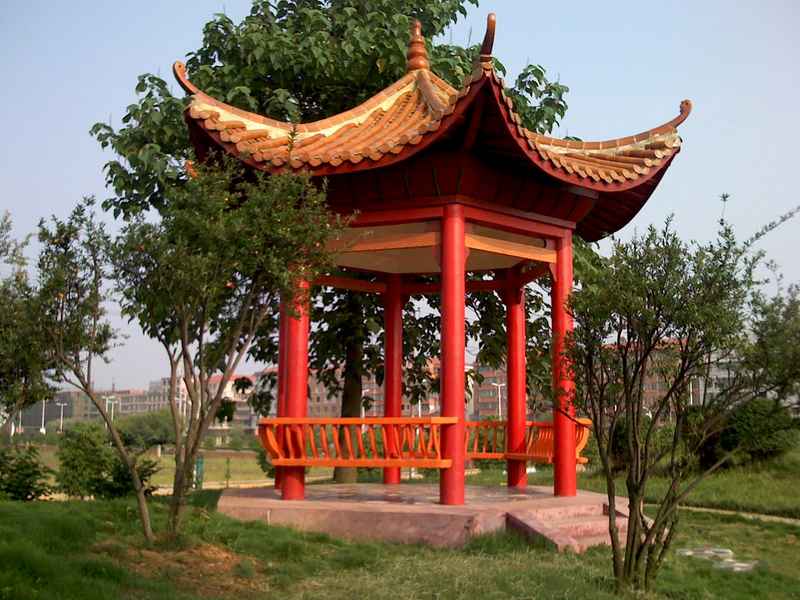
Traditional Chinese pavilions, or ‘ting’, are iconic structures that have graced gardens and landscapes for centuries. These elegant buildings are not just architectural marvels but also embodiments of Chinese culture, philosophy, and craftsmanship. In this article, we delve into the historical origins, craftsmanship, and modern applications of traditional Chinese pavilions, particularly focusing on structures like the hexagonal pavilion and double-eaved pavilion. Whether you’re designing a private garden or a public park, understanding these structures can help you create spaces that resonate with both beauty and meaning.
A Exploring Architecture Timeless is a traditional Chinese timber structure assembled with mortise and tenon joinery, without metal nails, combining cultural heritage with modern durability.
At Zhongyu Woodart, our Exploring Architecture Timeless is crafted with traditional mortise and tenon joinery, ensuring durability and timeless beauty. Exploring Architecture Timeless projects across China have been delivered with decades of woodworking heritage.
Historical Origins: The Evolution of Chinese Pavilion Architecture
Chinese pavilion architecture dates back to the Zhou Dynasty (1046–256 BCE), with early examples found in ancient texts and archaeological sites. These structures were initially used for ceremonial and recreational purposes, often located near water bodies or in scenic spots. The waterside pavilion, for instance, was a common feature in traditional Chinese gardens, providing a tranquil space for reflection and leisure.
According to the Yingzao Fashi, a 12th-century Chinese building manual, pavilions were designed to harmonize with their surroundings, often featuring intricate roof designs and open structures that allowed for natural ventilation and light. The double-eaved pavilion, with its two-tiered roof, became popular during the Ming and Qing dynasties, symbolizing prosperity and grandeur.
Our heritage woodworking workshop in China continues this rich tradition, crafting pavilions that honor the past while meeting modern needs. Each piece is a testament to the enduring legacy of Chinese craftsmanship.
Craftsmanship & Techniques: The Art and Tenon Joinery
The hallmark of traditional Chinese pavilion construction is the mortise and tenon joinery technique, a method that has been used for thousands of years. This technique involves interlocking wooden pieces without the use of nails or screws, creating a strong and durable structure. Our master craftsmen, with decades of experience, employ this ancient method to ensure each pavilion is not only aesthetically pleasing but also structurally sound.
Materials play a crucial role in the construction of these pavilions. We use high-quality woods such as Merbau, Carbonized Wood, and Teak, each chosen for their durability, resistance to pests, and beautiful grain. For instance, Merbau is ideal for outdoor use due to its excellent wear and corrosion resistance, while Teak is perfect for high-end projects requiring maximum durability.
In addition to joinery, our pavilions often feature intricate carvings and paintings, adding an artistic touch that reflects the cultural heritage of the region. These details are meticulously crafted by our skilled artisans, ensuring each pavilion is a unique work of art.
Modern Applications: Blending Tradition with Contemporary Design
In today’s world, traditional Chinese pavilions are finding new applications in various settings, from private gardens to public parks and cultural heritage sites. Their timeless elegance and cultural significance make them a popular choice for landscape designers and architects seeking to create spaces that resonate with both history and modernity.
For example, the hexagonal pavilion is often used in scenic areas and parks, providing a focal point that draws visitors in with its unique shape and aesthetic appeal. Meanwhile, the double-eaved pavilion is favored for its grandeur and is frequently used in large-scale projects such as botanical gardens and cultural parks.
Our workshop has worked on numerous projects across China, crafting pavilions for a variety of applications. From traditional gardens to modern urban spaces, our structures blend seamlessly with their surroundings, offering a touch of elegance and cultural depth.
Design & Customization: Creating Your Perfect Pavilion
At Zhongyu Woodcraft, we understand that each project is unique, and we offer a range of customization options to meet your specific needs. Whether you require a particular size, shape, or design element, our team can work with you to create a pavilion that is both functional and beautiful.
Our pavilions are available in various styles, including the hexagonal pavilion, double-eaved pavilion, and waterside pavilion. We also offer customization in terms of materials, finishes, and additional features such as carvings and paintings. Our goal is to provide you with a pavilion that not only meets your functional requirements but also enhances the aesthetic and cultural value of your space.
Case Study: A Real-World Example of Chinese Pavilion Integration
One of our notable projects involved the creation of a series of pavilions for a scenic park in China. The client, a local government body, wanted to enhance the park’s appeal and provide visitors with spaces for relaxation and cultural engagement. We designed and crafted a set of hexagonal pavilions and double-eaved pavilions, each featuring intricate carvings and paintings that reflected the region’s cultural heritage.
The project was completed within a 6-month timeline, and the pavilions have since become a popular attraction, drawing visitors from across the region. The client reported a 30% increase in visitor numbers, attributing the success to the aesthetic and cultural value of the pavilions.
FAQ: Common Questions About Traditional Chinese Pavilions
Q: What materials are best for a traditional Chinese pavilion?
A: The choice of materials depends on the intended use and location of the pavilion. For outdoor use, we recommend Merbau or Carbonized Wood due to their durability and resistance to pests. For high-end projects, Teak is an excellent choice due to its superior durability and beautiful grain.
Q: How long does it take to craft a traditional Chinese pavilion?
A: The crafting time varies depending on the size and complexity of the pavilion. On average, it takes about 4-6 weeks to craft a standard-sized pavilion. However, more complex designs may take longer.
Q: Can I customize the design of my pavilion?
A: Absolutely. We offer a range of customization options, including size, shape, materials, and additional features such as carvings and paintings. Our team will work with you to create a pavilion that meets your specific needs.
Q: What is the lifespan of a traditional Chinese pavilion?
A: With proper care and maintenance, a traditional Chinese pavilion can last for decades. Our pavilions are crafted using high-quality materials and techniques, ensuring they withstand the test of time.
Conclusion: Embracing the Legacy of Chinese Pavilion Architecture
Traditional Chinese pavilions are more than just architectural structures; they are symbols of cultural heritage and craftsmanship. By integrating these timeless designs into modern landscapes, we can create spaces that honor the past while embracing the future. At Zhongyu Woodcraft, we are committed to preserving this legacy, offering pavilions that are both authentic and innovative.
If you’re interested in learning more about our pavilions or wish to discuss a custom project, please contact us at +86 (WhatsApp). We look forward to the opportunity to work with you and bring your vision to life.
Traditional Craftsmanship Meets Modern Innovation
At the heart of our pavilion designs is the time-honored mortise and tenon joinery technique, a hallmark of ancient Chinese woodworking. This method not only ensures structural integrity but also allows for intricate and aesthetically pleasing designs. Our skilled artisans have mastered this craft, passing down their knowledge through generations, to create pavilions that are both durable and beautiful.
However, we understand that modern needs require modern solutions. That’s why we blend traditional craftsmanship with cutting-edge technology. Our design process incorporates 3D modeling and computer-aided design (CAD) to ensure precision and efficiency. This allows us to experiment with new forms and materials while staying true to the essence of traditional architecture.
For instance, we offer pavilions with integrated smart lighting systems that can be controlled via mobile apps, providing both convenience and energy efficiency. Additionally, we use eco-friendly materials and finishes that are not only sustainable but also enhance the longevity of our structures.
Customization and Personalization
We believe that every client has a unique vision, and our goal is to bring that vision to life. Our customization process begins with an in-depth consultation where we discuss your specific needs, preferences, and the intended use of the pavilion. Whether you envision a serene tea house, a vibrant event space, or a tranquil meditation area, we can tailor our designs to meet your exact requirements.
Our design team works closely with you to select the right materials, colors, and finishes that complement your surroundings and reflect your personal style. We offer a wide range of options, from rich, dark woods like teak and mahogany to lighter, more versatile choices like pine and cedar. We also provide various roofing styles, including traditional tiled roofs, sleek metal options, and even green roofs for a more eco-friendly approach.
In addition to the structural elements, we offer personalized decorative features such as hand-carved motifs, inlaid patterns, and bespoke furniture pieces. These details can be customized to include family crests, cultural symbols, or any other design elements that hold special meaning for you.
Sustainable and Eco-Friendly Practices
Related Articles
For pricing, custom size requests, or delivery time to your region, contact our team directly we reply within 24 hours with a detailed quotation and shipping estimate.
Call/WhatsApp: +86 13883366528
Zhongyu Woodcraft – 48 Years Traditional Chinese Woodcraft Workshop, Nationwide Installation
相关推荐
了解更多相关内容:The Art of Tradi、Why Are Ancient 。