In the heart of Henan province, the ancient city of Luoyang has become an unexpected social media sensation. Tourists aren’t just flocking to see the Longmen Grottoes or the White Horse Temple—they’re lining up to photograph a series of intricately painted wooden brackets known as chuitou (chuitou). These ornate, carved and painted components, hanging beneath the eaves of a newly renovated commercial street, have turned a simple pedestrian zone into a viral backdrop. The project has become a textbook example of how traditional Chinese architectural painting (caihua) can be leveraged to create a commercially successful and culturally authentic space.
This article delves into the Luoyang chuitou project, explaining what chuitou are, the meticulous caihua techniques used to decorate them, and the broader implications for developers, architects, and cultural tourism planners worldwide. As a manufacturer with 48 years of experience in traditional wooden structures, we’ll also share practical insights into the materials, craftsmanship, and design decisions that make such projects both beautiful and durable. Whether you’re planning a heritage-inspired commercial development, a cultural park, or simply want to understand this ancient art form, this guide offers a comprehensive look at how ancient techniques are meeting modern commercial demands.
What Exactly Are Chuitou and Why Are They So Photogenic?
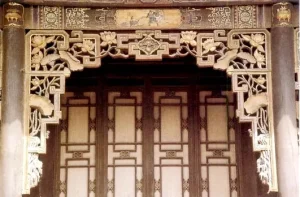
Chuitou, which translates to “hanging flower head,” are a type of dougong (bracket set) that protrudes from a column, typically under the eaves of a traditional Chinese building. Unlike the purely structural dougong found in larger halls, chuitou are often purely decorative, featuring a downward-hanging component that is elaborately carved into shapes like lotuses, lanterns, or cloud patterns. They are a defining feature of traditional Chinese architecture, adding a sense of elegance and festivity to rooflines.
In the Luoyang project, the chuitou have been painted using a vibrant palette of blues, greens, reds, and gold, creating a striking contrast against the grey brick and white plaster walls of the surrounding buildings. This visual pop is precisely why they’ve become a magnet for photographers. The intricate patterns, known as fangxin (heart) and zaotou (early head), are not just random designs; they carry deep cultural symbolism. For instance, the color blue represents the sky and eternity, green symbolizes growth and harmony, and red is associated with good fortune and joy.
From a design perspective, the chuitou project in Luoyang demonstrates a critical principle: authenticity sells. In an age of generic glass-and-steel commercial strips, a street that showcases genuine, hand-painted traditional elements offers a unique and shareable experience. This has not only increased foot traffic but also boosted the perceived value of the retail spaces, as businesses are now housed in what is effectively a work of art. For any developer looking to create a sense of place, the chuitou is a powerful tool for differentiation.
The Caihua Technique: A Step-by-Step Guide to Traditional Chinese Architectural Painting
The term caihua () refers to the traditional Chinese art of painting on architectural elements. It is a highly specialized craft, and the Luoyang project showcases the highest grade of this art, known as hexi caihua, which is traditionally reserved for imperial palaces and temples. The process is labor-intensive and requires a deep understanding of both art and chemistry. Here’s a breakdown of the essential steps, as practiced by our master craftsmen:
Surface Preparation:The wooden chuitou must be perfectly smooth. This involves filling any gaps with a mixture of raw lacquer and brick powder, followed by several rounds of sanding. This creates a flawless canvas that prevents the paint from cracking.Base Coating: A layer of sheng tong you (raw tung oil) is applied to seal the wood. Once dry, a white or colored base coat is applied. This not only protects the wood but also makes the subsequent colors more vibrant.Drafting the Design: The master painter will transfer the intricate design onto the wood using a charcoal stick or chalk. This requires an encyclopedic knowledge of traditional patterns, from the swirling clouds to the stylized dragons and phoenixes.Applying Color: The painter then fills in the design with mineral-based pigments. These are not ordinary paints; they are derived from natural materials like azurite (for blue), malachite (for green), and cinnabar (for red). These pigments are mixed with animal glue (niujiao) to create a durable paint that adheres well to the wood.Outlining and Detailing: After the base colors are dry, the painter uses a fine brush to apply black or gold outlines. This step, known as gou xian, defines the shapes and gives the artwork its crisp, precise look.Finishing and Protection: Finally, a clear protective coating is applied. Traditionally, this was a tung oil varnish, but modern projects often use a UV-resistant polyurethane to prevent fading from sunlight.Conduct a Cultural Audit: Before breaking ground, research the local architectural heritage. What are the traditional building styles, motifs, and colors of the region? Incorporating these elements will create a sense of authenticity that generic designs cannot replicate.Invest in a Master Plan: Work with architects and historians to develop a comprehensive design guide that specifies where traditional elements like chuitou, wooden pavilions, and garden bridges should be placed. This ensures a cohesive aesthetic, rather than a chaotic mix of styles.Prioritize Quality Over Cost: As the Luoyang project shows, the viral appeal came from the high quality of the craft. Cutting corners with machine-made replicas or low-grade paints will not generate the same buzz or long-term value.Create Photo Opportunities: Design specific spots that are made for social media. The chuitou in Luoyang are not just functional; they are arranged in a way that creates a stunning visual corridor, perfect for photos. Consider the lighting, the background, and the sightlines.Plan for Maintenance: Traditional painted wood requires regular maintenance. Include a maintenance schedule in your budget to ensure the structures remain in pristine condition.
Beyond chuitou, you might consider incorporating other traditional wooden elements like hand-carved signboards to enhance the street’s character, or even a decorative water wheel as a focal point. The key is to create a cohesive narrative that tells a story about the place’s heritage. In our 48 years of crafting traditional wooden structures, we’ve seen a clear trend: projects that embrace this philosophy enjoy higher visitor engagement, longer dwell times, and increased retail sales.
Conclusion
The Luoyang ancient city chuitou project is more than just a viral sensation; it’s a proof of concept for the power of traditional craftsmanship in modern commercial spaces. By investing in authentic traditional Chinese architectural painting and high-quality wooden components, the developers have created a destination that is both culturally significant and commercially viable. The project underscores that in a world of mass-produced sameness, authenticity is a rare and valuable commodity.
If you are planning a heritage-inspired development, a cultural park, or even a themed retail space, we invite you to learn from this example. Consider how traditional elements can be thoughtfully integrated to create a unique sense of place. At Zhongyu Woodcraft, we bring 48 years of experience in crafting traditional wooden pavilions, custom chuitou, and other architectural features. We offer OEM/ODM services, working with you from initial design to final installation. Contact us today to discuss how we can help you bring your vision to life with the same level of artistry that made Luoyang a global sensation.
Have questions about your specific project? Our team is ready to provide expert advice and a free consultation.
Frequently Asked Questions
What is a chuitou in Chinese architecture?
A chuitou (chuitou) is a decorative wooden bracket that hangs downward from the eaves of a traditional Chinese building. Unlike structural brackets, chuitou are primarily ornamental, often carved into shapes like lotuses or lanterns and painted with vibrant colors. They are a hallmark of high-status architecture, adding elegance and symbolic meaning to the roofline.
What is caihua (Chinese architectural painting)?
Caihua () is the traditional Chinese art of painting on architectural elements. It involves applying mineral-based pigments to wooden surfaces to create decorative patterns and symbols. The highest grade, 'hexi caihua,' was historically used on imperial buildings. Caihua not only beautifies structures but also protects the wood from moisture and pests.
How long does it take to create a painted chuitou?
In the Luoyang project, each chuitou took an average of three days to complete. This includes surface preparation, base coating, drafting the design, applying multiple layers of mineral pigments, outlining, and finishing. The entire project, with over 500 chuitou, required a team of 20 painters working for over four months.
What materials are traditionally used for caihua?
Traditional caihua uses mineral pigments derived from natural stones, such as azurite for blues, malachite for greens, and cinnabar for reds. These are mixed with animal glue (niujiao) for adhesion. The wood is typically high-density hardwood like nanmu or camphor, sealed with raw tung oil before painting.
How can I incorporate traditional Chinese elements into a modern commercial project?
Start with a cultural audit to identify authentic local styles and motifs. Work with a specialist manufacturer to design and produce elements like chuitou, pavilions, or signboards. Prioritize quality and authenticity over cost, and plan for regular maintenance to preserve the appearance. This approach creates a unique, culturally rich space that attracts visitors.