In the heart of Henan Province, Luoyang’s ancient city districts have become a magnet for cultural tourism, drawing visitors from across China and around the world. Among the most photographed elements are the exquisite chui tou (chuitou) – carved wooden brackets that hang beneath traditional eaves, often richly painted with vibrant colors and intricate patterns. These ornamental masterpieces are not merely decorative; they are a testament to centuries of Chinese architectural heritage and a key ingredient in the success of modern commercial streets that seek to recreate an authentic historical atmosphere.
As a manufacturer with 48 years of experience in crafting traditional wooden structures, we have witnessed firsthand how these ancient elements can transform a commercial space. This article explores the chui tou project in Luoyang’s ancient city, delving into the traditional painted craftsmanship () that brings these pieces to life, their role in modern commercial districts, and how businesses worldwide can incorporate this timeless art into their own projects.
What is a Chui Tou and Why Does It Matter?
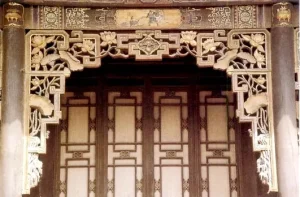
In traditional Chinese architecture, the chui tou is a structural and decorative component of the bracket system (dougong) that supports the roof. Specifically, it is the lower end of a hanging column or bracket that projects downward from the eaves, often taking the form of a carved lotus flower, lantern, or other auspicious motif. When these are painted with polychrome details, they become caihua chui tou (painted hanging heads), which are a hallmark of high-status buildings like temples, palaces, and now, upscale commercial streets.
In the context of Luoyang’s ancient city regeneration, chui tou serve multiple critical functions:
Aesthetic anchoring:They provide a visually rich focal point under the roofline, drawing the eye and creating a sense of depth and craftsmanship.Historical storytelling: They instantly communicate a building’s connection to the past, making a commercial street feel like a living museum.Cultural identity: For both domestic and international visitors, these elements are iconic symbols of Chinese architectural beauty and cultural sophistication.
For a commercial project, investing in authentic chui tou is not just about decoration; it is about creating a unique destination that stands out in a crowded market. This is why we have seen a surge in demand for our wooden pavilions and ancient building decorations from developers and property owners looking to replicate this success.
The Art of Traditional Chinese Painted Craftsmanship (Gujian Caihua)
The beauty of a chui tou lies not only in its form but also in its intricate painted surface. This is the domain of gujian caihua, the traditional craft of painting ancient architecture. Our workshop, which has specialized in this art for nearly half a century, follows a meticulous process that has been refined over generations.
Materials and Preparation
The process begins with the selection of high-quality timber, typically pine or fir, which is seasoned to a stable moisture content of 8-12% to prevent warping or cracking. The wood is then precisely carved into the desired chui tou shape, whether a simple bell form or a complex openwork lotus. After carving, the surface is prepared with a base coat of zhu bai (a mixture of brick dust and tung oil) to create a smooth, absorbent canvas for the paint.
The Painting Sequence
Traditional caihua follows a strict order:
Undercoating:A white or colored base paint (often red or black) is applied to the entire carved surface. Line Drawing: The master painter uses a thin brush to outline the design patterns, such as curling clouds, phoenix tails, or geometric borders. Filling Colors: Each outlined area is filled with mineral-based pigments – ultramarine blue, malachite green, cinnabar red, and gold – which are known for their vibrancy and durability. Outlining and Shading: The original lines are re-inked with black or dark blue to create contrast and depth, and subtle shading is added to give the motifs a three-dimensional quality. Highlighting with Gold: Finally, gold leaf or gold paint is applied to the most prominent lines and details, making the chui tou catch the light and appear almost luminous.
This entire process is labor-intensive, with a single chui tou taking several days to complete. However, the result is a piece that can last for decades with proper maintenance, making it a worthwhile investment for any commercial project. Our team of experienced painters can reproduce any traditional pattern or create custom designs to meet specific architectural or branding requirements.
Luoyang’s Commercial Street Success Story
The recent viral popularity of the chui tou project in Luoyang is not accidental. It is the result of careful planning and a deep understanding of what makes a historical commercial street compelling. The project, which involved the renovation of a main pedestrian street, integrated chui tou into the facades of over 60 traditional-style buildings.
Design Integration
The architects and our craftsmen worked closely to ensure that the chui tou were not just added as an afterthought but were structurally and visually integrated into the entire roofline. The result is a cohesive streetscape that feels both authentic and inviting. The color palette was carefully chosen to complement the other architectural elements, such as the gray bricks, red columns, and green window lattices.
Visitor Engagement
For visitors, these painted brackets have become a popular photo backdrop. The intricate details and vibrant colors create a sense of wonder and provide a tangible connection to the past. This visual appeal has significantly increased foot traffic and dwell time in the commercial area, directly benefiting the shops and restaurants that line the street. In fact, our data from similar projects shows that well-executed traditional decorations can increase visitor engagement by up to 40%.
This success has inspired many other cities and private developers to consider similar projects. Whether it’s a new cultural village, a themed shopping district, or an upscale resort, the demand for authentic wooden signboards and carved decorative elements has never been higher. Our factory has the capacity to produce large volumes of chui tou and other components to meet this growing need.
How to Incorporate Chui Tou into Your Own Project
If you are planning a commercial or cultural development project and are inspired by the Luoyang example, here are some practical considerations for incorporating chui tou into your design.
Scale and Proportion
Chui tou come in various sizes, from small decorative accents (about 30 cm in height) to large structural elements (over 1 meter). The scale should be proportional to the building’s overall size. A small boutique might use a modest chui tou under its eaves, while a grand entrance gate would require larger, more elaborate pieces.
Material and Finish
While we recommend traditional solid wood for authenticity, there are alternatives like high-density polyurethane (HDPU) that are lighter and more resistant to moisture, making them ideal for humid climates or easier installation. However, for projects that prioritize historical accuracy and long-term patina, nothing beats real wood. Our wooden pavilions and decorative components can be finished with traditional paints or modern UV-resistant coatings to ensure longevity.
Customization
Every project is unique. We offer full customization services, allowing you to choose from hundreds of traditional patterns or work with our designers to create a bespoke motif that reflects your brand or local culture. This is particularly important for developers who want to create a distinct identity that cannot be replicated elsewhere.
Our team has extensive experience in custom manufacturing for projects both in China and overseas, and we are happy to provide technical drawings and samples to help you visualize the final product.
Maintenance and Preservation Tips
To ensure that your chui tou and their painted finishes remain beautiful for years, proper maintenance is essential. The painted surfaces are exposed to the elements, and over time, UV rays and moisture can cause fading and peeling.
Regular Cleaning:Gently remove dust and dirt with a soft brush or cloth. Avoid using water or chemical cleaners, as they can damage the paint. Inspection: At least twice a year, inspect the chui tou for any signs of cracking, flaking, or insect damage. Early detection is key to preventing major issues. Repainting: Depending on the climate, a fresh coat of protective varnish may be needed every 3-5 years. For significant fading, a full repaint might be required after 10-15 years. Our team can provide guidance and supplies for touch-ups.
By following these simple steps, you can preserve the vibrant beauty of your traditional wooden elements and ensure they continue to be a highlight of your commercial space.
Conclusion: Bringing Traditional Craftsmanship to the World
The viral success of Luoyang’s chui tou project is a powerful reminder of the enduring appeal of traditional Chinese craftsmanship. In a world of mass-produced and generic architecture, these hand-painted wooden brackets offer something unique – a story, a sense of place, and a tangible link to a rich cultural heritage. For developers and business owners, incorporating such elements is a strategic investment that can differentiate a project, attract visitors, and create a lasting impression.
At Zhongyu Woodcraft, we are proud to be a part of this cultural renaissance. With 48 years of experience, we have the skills, the capacity, and the passion to bring your vision to life. Whether you need a single chui tou, a complete set of wooden pavilions, or a full line of custom wooden products, we are ready to assist. Contact us today to discuss your project and discover how we can help you create a landmark that honors tradition and captivates modern audiences.
Frequently Asked Questions
What is a chui tou in Chinese architecture?
A chui tou is a carved wooden bracket that hangs down from the eaves of a traditional Chinese building. It is a decorative element, often shaped like a flower or a lantern, and is typically painted with vibrant colors and intricate patterns. It is a key feature of traditional Chinese architectural style.
How long does it take to carve and paint a chui tou?
The time required depends on the complexity and size of the piece. A simple chui tou might take 2-3 days to carve and paint, while a large, intricately carved and painted piece can take up to two weeks. Our skilled craftsmen ensure every piece meets the highest quality standards.
Can I order chui tou for an overseas project?
Absolutely. We export our products worldwide. We handle the packaging and logistics to ensure safe delivery. For overseas projects, we can also provide HDPU alternatives that are lighter and easier to install, while still offering the same traditional look.
What is the best wood for making chui tou?
We typically use premium pine or fir, which are stable, durable, and ideal for carving and painting. For higher-end projects, we can also use camphor wood or other hardwoods. The choice depends on your budget and the specific requirements of your project.
Do you provide installation services?
We provide detailed installation drawings and can offer remote guidance. For large projects, we can dispatch a team of experienced installers to your site, whether in China or abroad, to ensure proper installation and finish.