Imagine structures that have withstood earthquakes, storms, and centuries of changenot made of steel or concrete, but of wood. China’s architectural heritage is a testament to the ingenuity of ancient craftsmen who perfected the art of wooden construction. From towering pagodas to vast imperial palaces, these wooden buildings are not just relics; they are living lessons in engineering and design. In this article, we delve into the most iconic wooden buildings in Chinese history, exploring what makes them extraordinary and how their legacy influences modern craftsmanship. Whether you are an architecture enthusiast, a history buff, or someone planning a garden retreat, these ancient marvels offer timeless inspiration.
The Architectural Genius of Ancient Chinese Timber Framing
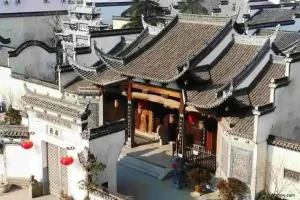
At the heart of China’s wooden architecture lies a sophisticated system of timber framing that has evolved over millennia. The defining feature is the mortise and tenon joint, a method where pieces of wood are interlocked without the use of nails or metal fasteners. This technique allows for flexibility, enabling buildings to absorb seismic energy and withstand high winds. The dougong () is another critical elementa set of interlocking wooden brackets that support the roof and transfer its weight to the columns. These brackets are not only functional but also highly decorative, showcasing the skill of the carpenter.
The structural integrity of these buildings is remarkable. For instance, the Pagoda of Fogong Temple in Yingxian, Shanxi Province, built in 1056 AD, is the oldest existing wooden pagoda in China. Standing at 67.31 meters, it has survived numerous earthquakes, including a magnitude 8.0 quake in 1305. This resilience is attributed to the flexible joinery and the use of multiple concentric rings of columns that create a stable core.
Moreover, the choice of wood was deliberate. Builders preferred slow-growing species like nanmu (Phoebe zhennan) and elm, which are dense and resistant to decay. The timber was often seasoned for years before use, ensuring minimal warping. This meticulous approach to material selection is a lesson in sustainabilityusing durable resources that require less replacement over time.
For modern enthusiasts, replicating such structural mastery is possible with contemporary tools and engineered wood products. At Zhongyu Woodcraft, we apply these ancient principles to create wooden pavilions and garden bridges that combine traditional aesthetics with modern durability. By understanding the past, we can build for the future.
Iconic Wooden Structures That Shaped Chinese History
China’s history is dotted with wooden buildings that served religious, political, and social functions. Among the most famous is the Hall of Supreme Harmony () in the Forbidden City, Beijing. This grand hall, rebuilt in 1695 after a fire, is the largest existing wooden structure in China. It measures 64 meters long and 37 meters wide, with a roof supported by 72 massive columns. The hall was the ceremonial center of the Ming and Qing dynasties, where emperors held audiences and celebrated major festivals.
Another marvel is the Temple of Heaven (), also in Beijing. Its Hall of Prayer for Good Harvests is a circular building with a triple-tiered roof, symbolizing the connection between heaven and earth. Built in 1420, it is a masterpiece of symmetry and proportion. The structure uses no nails; instead, it relies on interlocking beams and brackets, a testament to the precision of ancient carpenters.
Moving south, the Yingxian Pagoda (mentioned earlier) stands as a testament to religious architecture. It houses a collection of Buddhist relics and statues, making it both a spiritual and architectural treasure. Similarly, the Nanchan Temple in Wutai, Shanxi, is the oldest existing wooden building in China, dating back to 782 AD. Its main hall, though modest in size, features simple yet robust construction that has survived over 1,200 years.
These structures were not just buildings; they were embodiments of Confucian hierarchy, Buddhist spirituality, and imperial power. Their designs followed strict cosmological principles, with orientations and layouts aligned with cardinal directions and natural elements. For example, the Forbidden City’s layout reflects the belief that the emperor was the ‘Son of Heaven,’ with the palace serving as the earthly axis mundi.
Today, these historical buildings inspire modern architects and homeowners alike. Incorporating elements like curved roofs and intricate brackets into a wooden cabin or a garden pavilion can evoke a sense of timeless elegance. At Zhongyu, we specialize in crafting custom wooden signboards and plaques that bear traditional motifs, adding a touch of history to contemporary spaces.
Preservation Efforts and Modern Relevance of Ancient Wooden Buildings
Preserving these ancient wooden structures is a monumental challenge. Wood is susceptible to fire, insect infestation, and rot. Over centuries, many buildings have been lost to natural disasters and human conflict. However, China has made significant strides in conservation. The State Administration of Cultural Heritage has implemented rigorous protocols for restoration, using traditional materials and techniques wherever possible. For instance, the restoration of the Forbidden City’s halls involves sourcing old-growth timber from remote forests, and craftsmen are trained in the ancient art of dougong assembly.
Modern technology also plays a role. 3D scanning and digital modeling help document every detail, enabling precise replication if needed. Yet, the core of preservation lies in the skills of artisans who carry forward the knowledge of their forebears. This is why initiatives to train new generations in traditional carpentry are vital.
The relevance of these ancient buildings extends beyond cultural pride. They offer sustainable building solutions. Timber is a renewable resource, and the joinery methods reduce the need for metal fasteners, which can corrode. Moreover, the thermal properties of wood provide natural insulation, reducing energy consumption. In an era of climate change, looking back at these techniques can inform eco-friendly construction.
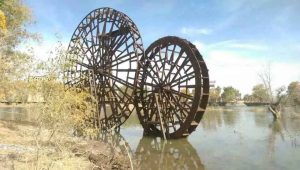
For those who wish to incorporate such sustainable practices into their own projects, Zhongyu Woodcraft offers custom wooden products, including decorative water wheels and traditional farming tools, crafted with the same respect for material and craft. By blending ancient wisdom with modern needs, we help preserve a legacy while creating functional art.
How to Integrate Historical Wooden Design into Modern Projects
Incorporating historical wooden design into modern architecture or landscaping is not about copying old forms but about adapting their principles. Start with understanding the local climate and environment. For instance, in a rainy region, a steeply pitched roof with wide eaves, as seen in traditional Chinese buildings, will efficiently shed water and provide shade. In an earthquake-prone area, using flexible joints and a sturdy frame is crucial.
Another key aspect is the use of natural materials. Choose hardwoods that are durable and locally sourced to reduce environmental impact. Consider using glulam (glued laminated timber) for structural elementsthis modern material offers strength and stability while maintaining a natural look. It can be shaped into beams and columns that mimic traditional profiles.
When designing a garden or outdoor space, think about the flow and purpose. A wooden pavilion can serve as a focal point, offering a place for meditation or social gatherings. Adding a wooden bridge over a pond not only connects areas but also adds visual interest. For signage, consider a wooden signboard with carved calligraphy to give a welcoming, authentic feel.
Finally, collaborate with skilled craftsmen who understand the nuances of traditional joinery. At Zhongyu Woodcraft, our 48 years of experience in crafting wooden pavilions, garden bridges, and water wheels ensures that each piece is not only beautiful but also structurally sound and long-lasting. Whether you aim to recreate a historical scene or simply infuse a modern space with a touch of heritage, we can help bring your vision to life.
Conclusion
The famous wooden buildings of Chinese history are more than architectural achievements; they are a bridge to the past, offering insights into engineering, culture, and sustainability. From the resilient Pagoda of Fogong Temple to the majestic Hall of Supreme Harmony, these structures demonstrate the genius of ancient builders. As we face modern challenges, their legacy reminds us of the value of craftsmanship, natural materials, and thoughtful design. Whether you are restoring a heritage site or creating a new garden retreat, let these timeless masterpieces inspire you. Explore our range of custom wooden products and bring a piece of history into your world.
Frequently Asked Questions
What is the oldest wooden building in China?
The oldest existing wooden building in China is the main hall of Nanchan Temple in Wutai, Shanxi Province, built in 782 AD during the Tang Dynasty. It is a simple, robust structure that has survived over 1,200 years, showcasing the durability of traditional timber construction.
How do Chinese wooden buildings withstand earthquakes?
Chinese wooden buildings use flexible mortise and tenon joints and interlocking dougong brackets that allow the structure to absorb and dissipate seismic energy. The heavy roofs and sturdy columns create a stable framework, enabling buildings like the Pagoda of Fogong Temple to survive major earthquakes.
Are there any modern buildings that replicate ancient Chinese wooden architecture?
Yes, many modern projects incorporate traditional elements such as curved roofs, dougong brackets, and timber framing. Companies like Zhongyu Woodcraft specialize in creating custom wooden pavilions, bridges, and other structures that blend ancient design with modern engineering, ensuring both beauty and durability.
What wood is typically used in traditional Chinese wooden buildings?
Traditional builders used slow-growing hardwoods like nanmu (Phoebe zhennan), elm, and pine. These woods are dense, resistant to decay, and were often seasoned for years before use to prevent warping. Today, sustainable alternatives like glulam are also used to mimic these properties.
How can I incorporate traditional Chinese wooden design into my home or garden?
You can add elements like a wooden pavilion with a curved roof, a decorative bridge over a pond, or carved wooden signboards. Focus on natural materials, flexible joinery, and harmonious proportions. Collaborate with craftsmen like those at Zhongyu Woodcraft to create custom pieces that fit your space and needs.