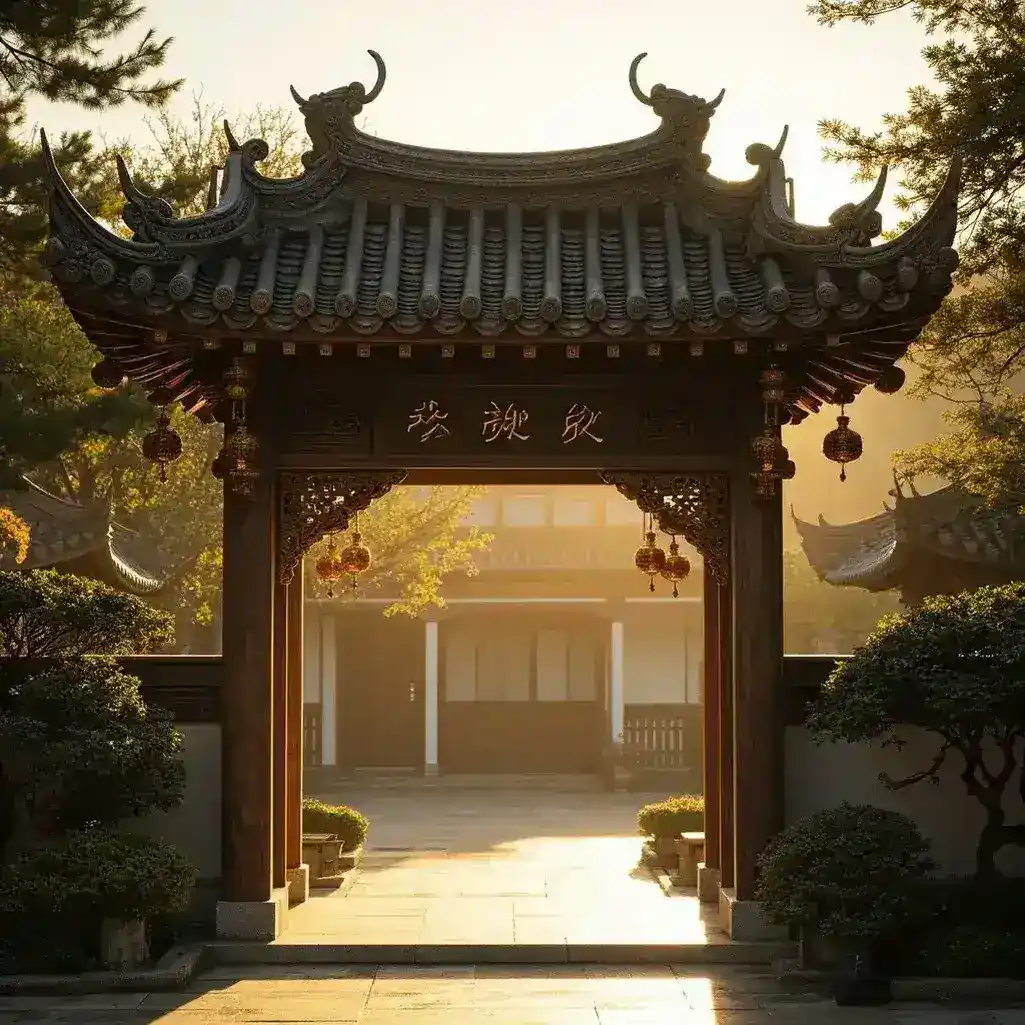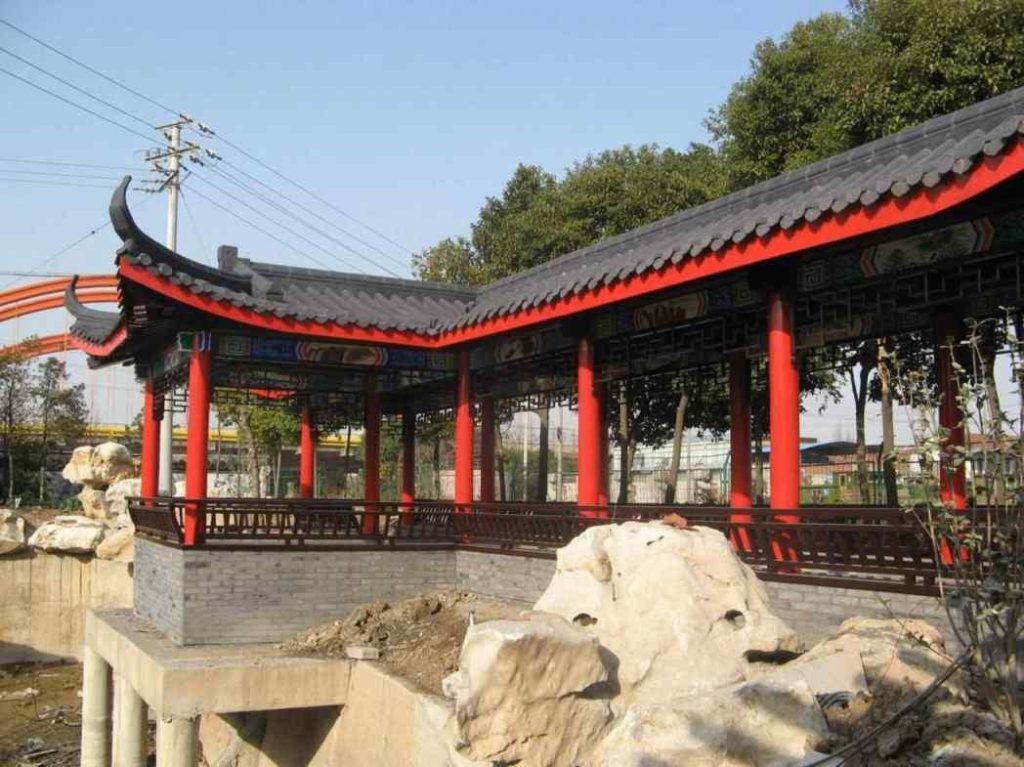
Imagine a serene garden where a delicate wooden structure frames a view of a koi pond, its curved roof reaching toward the sky like a bird in flight. This is the Chinese wooden pavilion, or ting (ting), an architectural icon that has graced landscapes for over a thousand years. More than just a shelter, it is a philosophical statement, a testament to the harmony between human creation and the natural world. In this comprehensive guide, we will trace the evolution of these remarkable structures from their ancient origins to their modern-day resurgence, exploring the styles, craftsmanship, and enduring appeal that make them a timeless addition to any landscape. Whether you are a homeowner seeking a tranquil retreat or a designer looking for authentic elements, understanding this history is the first step to appreciating—and possibly owning—a piece of this legacy.
What is the Origin of the Chinese Pavilion?
The Chinese pavilion originated during the Zhou Dynasty (1046–256 BCE) as a simple, functional structure. Early forms were utilitarian, serving as watchtowers for military defense, signaling posts along trade routes, or covered platforms for astronomical observation. The character for pavilion, ting, appears in ancient texts describing these elevated lookouts. By the Han Dynasty (206 BCE–220 CE), pavilions began to shed their purely military function. They evolved into elegant rest stops along pilgrimage routes and within imperial hunting grounds, places for travelers to pause, admire the scenery, and compose poetry. These early examples were typically square or rectangular, constructed from timber with thatched or tiled roofs, and raised on a platform of packed earth or stone. The fundamental principle of framing a view was already present—the structure served as a lens through which to appreciate the surrounding landscape.
The Golden Age of Pavilion Design
The Tang (618–907) and Song (960–1279) Dynasties marked the golden age of Chinese pavilion design. During this period, the pavilion was no longer just a functional stop but a central element of garden aesthetics. The Shanshui (mountain-water) painting tradition heavily influenced garden architecture, and pavilions were deliberately positioned to create a series of picturesque scenes. A pavilion might be placed on a hilltop to command a panoramic view, by a lakeside to reflect its image in the water, or nestled among bamboo groves to create a sense of secluded tranquility. The structures themselves became more sophisticated. Craftsmen perfected the dougong (dougong), a system of interlocking wooden brackets that transferred the weight of the heavy roof to the columns, eliminating the need for internal walls. This innovation allowed for open, airy pavilions that merged seamlessly with their surroundings. The iconic curved roof, with its flared eaves, was not merely decorative; it allowed for better rainwater drainage and symbolized the upward reach of the spirit.
What Are the Main Styles and Structures of Chinese Wooden Pavilions?
Chinese wooden pavilions are not monolithic; they come in a fascinating variety of forms, each with its own name and purpose. Understanding these styles is crucial for anyone considering incorporating one into their property. The most common classifications are based on the number of eaves and the floor plan.
Single-Eave vs. Double-Eave Pavilions
The most immediate visual distinction is between single-eave (dan yan) and double-eave (chong yan) pavilions. Single-eave pavilions are simpler, with one tier of roof, and are often used in smaller, more intimate garden settings. Double-eave pavilions feature two stacked roof tiers, creating a more imposing and majestic appearance. These are typically reserved for grander structures, such as those found in imperial palaces or important temples. The double-eave design not only adds visual complexity but also provides better shade and rain protection for a larger interior space.
Floor Plan Variations
Beyond the roofline, the floor plan defines the pavilion’s character. The most common are:
Square (Si Fang Ting):The classic and most common form, symbolizing stability and order. It is versatile and fits well in almost any setting. Hexagonal (Liu Jiao Ting): A six-sided pavilion that offers more vantage points and a more dynamic feel. It is often placed at the intersection of garden paths to create a focal point. Octagonal (Ba Jiao Ting): An eight-sided pavilion, considered highly auspicious in Chinese culture (the number 8 symbolizes prosperity). These are often larger and more ornate, used as the centerpiece of a garden or courtyard. Cross-Shaped (Shi Zi Ting): A complex pavilion with intersecting ridges, creating a cruciform plan. This is rare and usually found in very large, formal gardens or temple complexes.
Each style requires specific joinery techniques and timber dimensions. For centuries, master carpenters have relied on the mortise-and-tenon joint, a method that connects pieces of wood without nails or metal fasteners. This allows the structure to flex and absorb stress from wind and seismic activity, contributing to the remarkable longevity of many ancient pavilions.
How Did Pavilion Design Evolve in Later Dynasties?
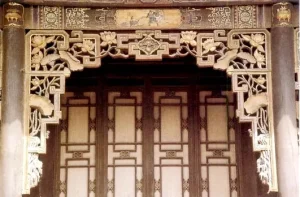
As we move into the Ming (1368–1644) and Qing (1644–1912) Dynasties, pavilion design became more standardized yet also more decorative. The Yingzao Fashi, a Song Dynasty architectural manual, was refined and expanded, providing detailed rules for construction. This period saw the rise of the garden pavilion as a symbol of scholarly refinement and social status. Wealthy merchants and retired officials built elaborate private gardens, such as the famous Zhuozheng Yuan (Humble Administrator’s Garden) in , where pavilions are integral to the composition. In these gardens, pavilions were not just for viewing scenery; they also served as venues for poetry recitals, music performances, and philosophical discussions. The craftsmanship reached new heights of intricacy, with carved latticework, painted beams, and decorative brackets becoming more elaborate. However, the core principle remained: the pavilion was a frame for nature, not a competitor to it.
The Modern Revival and Contemporary Adaptations
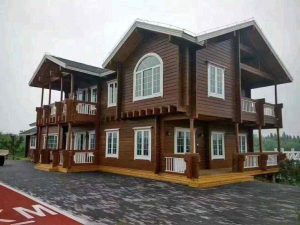
In the 20th century, the tradition of building wooden pavilions faced challenges due to urbanization and the availability of cheaper materials like concrete. Yet, there has been a significant revival in recent decades, driven by a renewed interest in cultural heritage and sustainable building practices. Today, you will find pavilions in public parks, botanical gardens, and even as luxurious backyard retreats in Western countries. Modern adaptations often blend traditional aesthetics with contemporary needs. For example, a pavilion might feature the classic curved roof and open sides but incorporate modern, treated hardwoods for durability in a different climate. Some designers are experimenting with hybrid structures that use steel reinforcement for the foundation while keeping the visible structure authentically wooden. This allows homeowners in areas with strict building codes or high wind loads to enjoy the beauty of a traditional pavilion without compromising on safety or longevity.
Why Choose a Traditional Wooden Pavilion for Your Modern Landscape?
In an age of mass-produced, plastic garden furniture, a traditional wooden pavilion offers a unique combination of beauty, functionality, and cultural depth. It creates a distinct focal point that elevates the entire landscape. Unlike a metal or vinyl gazebo, a wooden pavilion, especially one built with traditional joinery, exudes a sense of warmth and permanence. It invites you to slow down, sit, and appreciate your surroundings. From a practical standpoint, a pavilion provides a shaded area for outdoor dining, reading, or meditation, shielding you from the sun and light rain.
When you choose a pavilion, you are not just buying a structure; you are investing in a piece of art with a 3,000-year-old pedigree. Companies like Zhongyu Woodcraft, with nearly half a century of experience, specialize in crafting these structures with the same time-honored techniques used by ancient masters. They offer a range of options, from classic wooden pavilions and garden gazebos to custom-designed oriental garden structures. Whether you want a simple square garden pavilion for your backyard or a grand octagonal pavilion for a commercial resort, a skilled manufacturer can build it to your specifications, using durable woods like cedar, redwood, or tropical hardwoods that can last for generations with proper care.
Our own journey at Zhongyu Woodcraft began 48 years ago with a passion for preserving these ancient building techniques. We have crafted countless pavilions, from small garden retreats to large-scale installations for parks and cultural centers. We understand the nuances of joinery, wood selection, and roof construction that make a pavilion both beautiful and structurally sound. Seeing a family enjoy a quiet afternoon in a pavilion we built is the greatest reward.
Conclusion
The Chinese wooden pavilion is more than an architectural relic; it is a living tradition that continues to inspire and bring peace to modern spaces. From its humble origins as a watchtower to its status as a symbol of cultural refinement, its history is a testament to the enduring human desire to connect with nature. By understanding the different styles and the craftsmanship involved, you can make an informed decision if you are considering adding one to your own landscape. Whether you are drawn to the simple elegance of a single-eave square pavilion or the majestic presence of a double-eave octagonal structure, you are investing in a piece of history that will provide a serene sanctuary for years to come. If you are dreaming of creating your own tranquil retreat, we invite you to explore the possibilities of custom-crafted wooden pavilions and other traditional garden structures.
Frequently Asked Questions
What are the typical dimensions of a Chinese wooden pavilion?
Typical dimensions for a garden pavilion range from 8 to 15 feet in width or diameter. A small 8-foot square pavilion is suitable for a cozy corner, while a 12 to 15-foot octagonal pavilion can accommodate a large dining set. The height usually ranges from 10 to 15 feet at the ridge, with the eaves starting around 7 to 8 feet to provide comfortable headroom. Custom sizes are always possible.
Can a Chinese wooden pavilion withstand harsh winter weather?
Yes, when properly constructed and maintained. The key is the choice of wood and the design. Using rot-resistant species like Western Red Cedar or Ipe, and ensuring a proper foundation with concrete footings, can make the pavilion very durable. The curved roof is designed to shed snow, and the mortise-and-tenon joinery allows for some flexibility in high winds. Regular sealing or staining is recommended to protect the wood from moisture.
How much does a custom Chinese wooden pavilion cost?
The cost varies widely based on size, wood species, complexity of design, and whether it is pre-fabricated or built on-site. A simple, pre-fabricated cedar pavilion kit might start around $5,000, while a large, custom-designed pavilion with intricate carvings and premium hardwood could exceed $50,000. It is always best to get a detailed quote from a reputable manufacturer like Zhongyu Woodcraft.
Do I need a building permit to install a wooden pavilion?
This depends entirely on your local zoning laws. In many areas, a structure under a certain size (e.g., 120 square feet) does not require a permit. However, if you are installing a permanent structure with a concrete foundation, a permit is often necessary. Always check with your local building authority to avoid potential fines or having to remove the structure.
What is the best wood for a traditional pavilion?
For a traditional look, many prefer hardwoods like teak or ipe for their longevity and rich color. For a more affordable option, Western Red Cedar or Redwood are excellent choices, offering natural resistance to decay and insects. The choice often depends on your budget and the local climate. A skilled manufacturer can advise you on the best wood for your specific location.
Frequently Asked Questions
What are the typical dimensions of a Chinese wooden pavilion?
Typical garden pavilions range from 8 to 15 feet in width. A small 8-foot square is cozy, while a 12- to 15-foot octagonal can hold a dining set. Heights are usually 10 to 15 feet at the ridge. Custom sizes are always possible.
Can a Chinese wooden pavilion withstand harsh winter weather?
Yes, with proper construction and materials. Using rot-resistant woods like cedar and ensuring a solid concrete foundation are key. The curved roof sheds snow, and mortise-and-tenon joinery offers flexibility in winds. Regular sealing or staining is recommended.
How much does a custom Chinese wooden pavilion cost?
Costs vary widely. A simple pre-fab cedar kit might start around $5,000, while a large, custom-designed pavilion with premium hardwood and carvings can exceed $50,000. Always request a detailed quote from a reputable manufacturer.
Do I need a building permit to install a wooden pavilion?
It depends on local zoning laws. Many areas exempt structures under a certain size (e.g., 120 sq ft), but permanent structures with foundations usually require a permit. Always check with your local building authority.
What is the best wood for a traditional pavilion?
For longevity, hardwoods like teak or ipe are top choices. For affordability, Western Red Cedar or Redwood are excellent, offering natural rot and insect resistance. Your choice should consider budget and local climate.