Imagine a structure built entirely without a single nail or screw, yet strong enough to withstand earthquakes and centuries of weather. This is the remarkable reality of Chinese traditional woodcraft, a craft perfected over millennia. In our 48 years at Zhongyu Woodcraft, we have dedicated ourselves to preserving these ancient techniques, crafting everything from ornate garden pavilions to functional farm tools. This article delves into the history, core techniques, and enduring relevance of this extraordinary craft. You will discover how the ingenious use of mortise and tenon joinery creates resilient structures and how these time-honored methods are being adapted for modern applications, offering sustainability and timeless beauty.
The Philosophical Roots and Historical Evolution of Chinese Woodcraft
Chinese woodcraft is not merely a set of construction skills; it is deeply intertwined with the nation’s philosophical and cultural fabric. The principles of balance, harmony, and respect for nature, central to Confucianism and Daoism, are physically manifested in wooden architecture and objects. The earliest examples, from the Neolithic period, show sophisticated timber framing. However, it was during the Tang and Song dynasties that Chinese woodcraft reached its zenith, with the development of complex bracket sets (dougong) and sweeping roof lines that became iconic.
The Ming and Qing dynasties further refined these techniques, focusing on intricate furniture making that showcased the natural beauty of woods like rosewood and huanghuali. This historical evolution was not just aesthetic; it was also pragmatic. The resilience of traditional Chinese buildings, many of which have survived for over a thousand years, is a testament to the structural intelligence embedded in their design. The Forbidden City in , a UNESCO World Heritage site, stands as a monumental example, built primarily with interlocking wooden components that allow for flexibility and durability.
For modern craftsmen and clients, understanding this history is crucial. It explains why a traditional wooden pavilion is not just a garden ornament but a piece of living history. The choice of wood, the type of joinery, and even the orientation of the structure are all guided by principles that have been refined for over two millennia. This deep-rooted heritage is what distinguishes authentic Chinese woodcraft from mere carpentry.
Core Techniques: The Art of Mortise and Tenon Joinery
At the heart of Chinese traditional woodcraft lies the mortise and tenon joint, known in Chinese as ‘sunmao’. This ingenious system involves carving a projecting tenon on one piece of wood that fits precisely into a corresponding mortise (hole) on another. This friction-fit joint is so strong that it can outperform metal fasteners in many applications. A well-crafted mortise and tenon joint can last for centuries, and its flexibility allows structures to absorb seismic energy without cracking, a key reason why many ancient Chinese buildings have survived major earthquakes.
The precision required for this joinery is extraordinary. Experienced craftsmen use specialized tools like the ‘baosheng’ (a type of plane) and ‘zaozi’ (chisels) to achieve tolerances of less than one millimeter. There are dozens of variations of the mortise and tenon joint, each designed for a specific purpose. For example, the ‘carrying-shoulder’ joint is used for horizontal beams, while the ‘double tenon’ is employed for corner joints in frames. This system not only provides strength but also allows for the natural expansion and contraction of wood with changes in humidity, preventing warping and splitting.
In our workshops, we still use these traditional methods to create a wide array of products. Whether we are constructing a wooden garden bridge or a wooden cabin, the reliance on mortise and tenon joinery ensures structural integrity and longevity. Unlike structures that depend on nails and screws, which can rust and loosen over time, a well-made mortise and tenon joint becomes tighter with age as the wood swells and settles. This technique is not just about utility; it is a mark of quality and authenticity that discerning customers value.
Materials and Tools: The Soul of the Craft
The choice of wood is paramount in Chinese woodcraft. Traditionally, craftsmen selected timber based on the structure’s purpose, location, and the owner’s status. For imperial buildings, precious hardwoods like nanmu (Phoebe zhennan) and rosewood were favored for their durability, beautiful grain, and natural resistance to insects. For more common structures, softer woods like pine and fir were used, prized for their workability and availability. In modern times, sustainably sourced hardwoods like oak, ash, and walnut are popular choices for both traditional and contemporary projects.
Equally important are the tools of the trade. The Chinese plane, with its distinctive wooden body and adjustable blade, is a masterpiece of simplicity and efficiency. Chisels of various widths, saws with fine teeth, and marking gauges are essential for achieving the precision required for joinery. The process is slow and deliberate. A craftsman might spend hours planing a single beam to achieve a perfectly smooth, true surface, a step that is crucial for both aesthetics and the proper fit of joints. This attention to detail is what gives finished pieces their exceptional quality and feel.
At Zhongyu Woodcraft, we combine these traditional materials and techniques with modern advancements in wood treatment and finishing. For example, our wooden water wheels are crafted from sustainably sourced timber and treated with natural oils to withstand constant moisture. This fusion of old and new ensures that our products not only honor tradition but also meet the demands of contemporary use and environmental standards. By understanding the properties of different woods and using the right tools, we are able to create pieces that are both beautiful and built to last.
The Legacy Lives On: Applications in Modern Landscape and Architecture
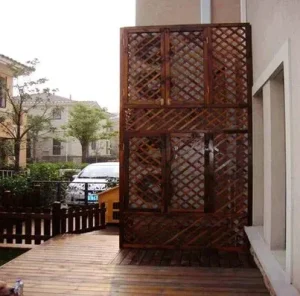
While the techniques of Chinese woodcraft are ancient, their application is timeless. Today, there is a growing global appreciation for the aesthetic and sustainable qualities of traditional wooden structures. Landscape architects and homeowners are increasingly incorporating elements like wooden pavilions, pergolas, and garden bridges into their designs. These structures create focal points, provide shade and shelter, and add a touch of organic elegance to any outdoor space. The use of mortise and tenon joinery in these modern applications offers a distinct advantage: it is eco-friendly, as it eliminates the need for metal connectors, and it is aesthetically pleasing, with clean, seamless lines.
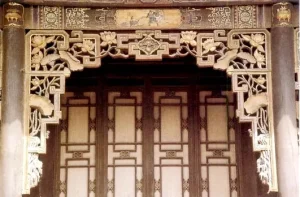
Beyond residential gardens, there is a renewed interest in cultural and heritage projects. Museums, theme parks, and cultural centers are commissioning replicas of historical buildings and artifacts, such as our ancient war chariots and traditional farming tools. These projects require a deep understanding of historical accuracy and craftsmanship, which we at Zhongyu Woodcraft are uniquely positioned to provide. Our team of skilled artisans can recreate everything from a single carved panel to a complete Ming-style courtyard, ensuring that the legacy of Chinese woodcraft is preserved for future generations.
The durability and low environmental impact of wood also make it an ideal choice for modern eco-lodges, glamping pods, and garden offices. A well-designed wooden house not only provides a healthy, natural living environment but also has a significantly lower carbon footprint than a conventional concrete or steel structure. As the world moves towards more sustainable building practices, the age-old wisdom of Chinese timber framing offers a proven and inspiring model. By integrating these traditional structures into modern landscapes, we not only enhance our surroundings but also keep a vital craft alive.
Conclusion: Why Chinese Woodcraft Endures
Chinese traditional woodcraft is far more than a collection of building techniques; it is a profound expression of cultural identity, engineering ingenuity, and aesthetic sensibility. From the ingenious mortise and tenon joinery that provides unparalleled strength and flexibility to the careful selection of materials and the precision of hand tools, every aspect of this craft is a testament to the skill and wisdom of generations of artisans. In a world of mass production and disposable goods, the enduring quality and timeless beauty of handcrafted wooden structures offer a meaningful alternative.
Whether you are looking to add a serene pavilion to your garden, a functional and beautiful bridge, or a unique piece of cultural heritage, the principles of Chinese woodcraft offer a path to creating something truly special. At Zhongyu Woodcraft, we are proud to continue this legacy, combining 48 years of experience with a deep respect for tradition. We invite you to explore how our custom manufacturing services can bring the enduring beauty of Chinese woodcraft to your next project. Contact us today to discuss your vision and discover how we can craft a piece that will stand for generations.
Frequently Asked Questions
What is mortise and tenon joinery in Chinese woodcraft?
Mortise and tenon joinery is a traditional woodworking method where a projecting 'tenon' on one piece of wood fits into a corresponding 'mortise' hole on another. This creates a strong, nail-free joint that is both durable and flexible, allowing structures to withstand stress and last for centuries.
What types of wood are commonly used in Chinese woodcraft?
Traditionally, hardwoods like nanmu and rosewood were used for high-quality pieces, while pine and fir were common for general construction. Today, sustainable hardwoods such as oak, ash, and walnut are popular for their durability and aesthetic appeal, both in traditional and modern designs.
How is Chinese woodcraft used in modern applications?
Chinese woodcraft is now used in landscape architecture for pavilions, bridges, and pergolas, and in eco-friendly buildings like cabins and glamping pods. It's also used in cultural projects, such as historical replicas and museum pieces, preserving heritage while meeting modern sustainability standards.
Why are traditional Chinese wooden structures so durable?
Their durability comes from the flexibility of mortise and tenon joints, which absorb seismic and wind forces without cracking. Additionally, the use of high-quality, naturally resistant woods and careful craftsmanship ensures that these structures can last for hundreds of years with minimal maintenance.