Chinese traditional woodcraft is more than a craft; it is a profound expression of a civilization that has revered wood for thousands of years. From the majestic wooden pavilions that grace imperial gardens to the intricate mortise-and-tenon joints that hold ancient structures together, this artistry embodies a deep understanding of nature, mathematics, and engineering. For over 48 years, our workshop has dedicated itself to preserving and advancing these time-honored techniques, creating everything from traditional wooden pavilions to custom garden bridges. In this comprehensive guide, we will delve into the history, key techniques, materials, and modern relevance of Chinese woodcraft, revealing why it continues to captivate and inspire across the globe.
Whether you are a homeowner seeking an authentic garden structure, a designer looking for sustainable materials, or simply an admirer of fine craftsmanship, understanding the principles behind Chinese woodcraft will deepen your appreciation and inform your choices. We will explore the core techniques that have been passed down through generations, the cultural philosophies that shape design, and how these ancient practices are finding new life in contemporary applications. Join us as we uncover the enduring legacy of wood in Chinese culture and its exciting future.
The Historical Roots of Chinese Woodcraft
Chinese woodcraft’s history spans over 7,000 years, from the Neolithic period’s simple dugout canoes to the sophisticated timber structures of the Ming and Qing dynasties. Wood has always been the primary building material in China, not only because of its abundance but also because of its symbolic significance. In Chinese philosophy, wood represents growth, vitality, and harmony with nature—concepts central to Confucianism and Daoism. This is why ancient Chinese architecture, from temples to imperial palaces, was predominantly constructed from timber, unlike the stone structures of the West.
The earliest known examples of Chinese woodcraft include the Hemudu culture’s stilt houses (circa 5000 BC), which already employed mortise-and-tenon joints—a testament to the early mastery of joinery. Over the centuries, techniques evolved, reaching their zenith during the Tang (618–907 AD) and Song (960–1279 AD) dynasties. The construction of the 67-meter-tall Pagoda of Fogong Temple (1056 AD), entirely without a single nail, remains a marvel of engineering and a testament to the precision of ancient woodworkers. The Ming (1368–1644) and Qing (1644–1912) dynasties further refined these skills, producing the magnificent Forbidden City, a complex of over 980 buildings, all interconnected through a sophisticated system of brackets and beams.
In our 48 years of crafting traditional wooden structures, we have drawn directly from these historical blueprints. For instance, our wooden water wheels are not just functional; they are replicas of ancient irrigation devices that transformed agriculture in China. This deep connection to history is what sets genuine craftsmanship apart from mere imitation. By studying ancient texts, surviving structures, and traditional techniques, we ensure that each piece we create is not only beautiful but historically and technically accurate.
Core Techniques: Mortise-and-Tenon and Beyond
At the heart of Chinese traditional woodcraft lies the mortise-and-tenon joint, known as sunmao in Chinese. This intricate system of interlocking joints requires no nails, screws, or metal fasteners, relying instead on precise cuts and friction to hold pieces together. There are dozens of variations, each designed for specific structural and aesthetic purposes. The most common include the straight mortise-and-tenon, the dovetail joint, and the complex edge-to-edge joints used in large beams. The precision required is extraordinary; a traditional master can achieve tolerances of less than half a millimeter, ensuring a seamless fit that only tightens over time as the wood expands and contracts with humidity.
Another critical technique is the use of dougong (dougong), a system of interlocking wooden brackets that support the heavy roofs of traditional buildings. These brackets, often intricately carved, distribute the weight of the roof down to the columns, allowing for wide overhangs and flexible structures that can withstand earthquakes. The Forbidden City’s resilience to seismic activity is largely due to this ingenious system. In our own work, we employ these same techniques to construct wooden houses and cabins that are both durable and aesthetically authentic.
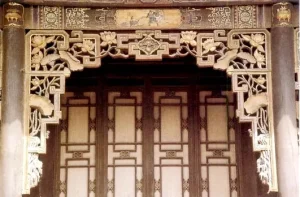
Beyond structural joinery, Chinese woodcraft encompasses a wide range of specialized skills. Carving, for instance, is used to create decorative panels, lattice windows, and intricate reliefs. Woodturning, used for furniture legs and decorative posts, requires a steady hand and an eye for proportion. And then there is the art of bending wood, achieved through steaming and clamping, which allows for the graceful curves seen in traditional furniture and roof trusses. Mastering these techniques takes years of apprenticeship, and we are proud that our team includes master craftsmen who have honed their skills over decades, ensuring that every piece we produce meets the highest standards of quality and authenticity.
Materials and Their Symbolism
The choice of wood is as important as the technique used. Chinese woodworkers have traditionally favored dense, durable hardwoods that are resistant to pests and decay. Among the most prized are nanmu (Phoebe zhennan), a fragrant cedar-like wood used in imperial palaces; zitan (rosewood), known for its deep purple color and fine grain; and huanghuali (yellow rosewood), celebrated for its golden hue and subtle scent. These woods are not only beautiful but also carry symbolic meanings—rosewood is associated with wealth and nobility, while pine represents longevity and resilience.
In modern practice, we also use more accessible woods like oak, ash, and teak, which offer excellent durability and workability. For outdoor structures such as wooden gazebos and bridges, we typically recommend tropical hardwoods like ipe or treated southern yellow pine, which can withstand harsh weather conditions. The selection of wood affects not only the appearance but also the maintenance requirements and lifespan of the piece. For example, a pavilion made from untreated cedar will naturally weather to a silver-gray patina, while a painted structure requires regular repainting every 3-5 years.
At Zhongyu Woodcraft, we offer a wide range of wood options and can advise on the best material for your specific project. We also provide custom custom wooden products and OEM/ODM services, allowing you to choose the wood, finish, and design that perfectly suits your taste and environment. Our 48 years of experience have taught us that the right material, combined with expert craftsmanship, results in pieces that not only last for decades but also become cherished heirlooms.
Modern Applications and Preservation
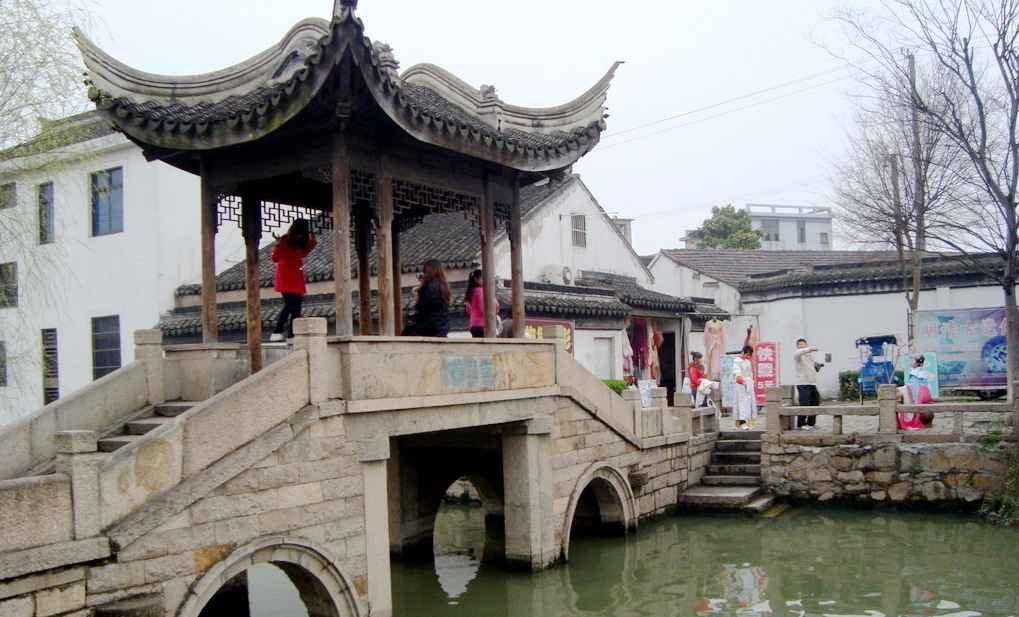
While traditional Chinese woodcraft is rooted in history, it is far from obsolete. Today, there is a growing global appreciation for sustainable, handcrafted materials, and Chinese woodcraft offers a perfect blend of eco-friendliness and artistry. Many of our clients are in the West, seeking to add a touch of oriental elegance to their gardens, homes, and commercial spaces. From wooden signboards that greet visitors with hand-carved calligraphy to arch bridges that create a focal point in a landscape, these pieces bring a unique character that mass-produced items cannot replicate.
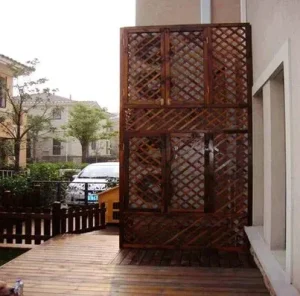
Moreover, the principles of Chinese woodcraft are being applied in modern architecture and design. Architects are rediscovering the benefits of mortise-and-tenon joints for their strength and aesthetic appeal, and interior designers are incorporating traditional lattice screens and carved panels into contemporary spaces. The use of reclaimed wood from old buildings is also a growing trend, giving new life to ancient timbers while preserving their historical value. As a responsible manufacturer, we are committed to sustainable sourcing and use FSC-certified wood whenever possible.
Preserving this craft is not just about maintaining old techniques; it is about training a new generation of artisans. We run an apprenticeship program where young craftsmen learn from our masters, ensuring that the knowledge of joinery, carving, and wood selection is passed on. We also collaborate with cultural institutions and film production companies to create historically accurate replicas, from ancient war chariots to siege weapons, which are used in museums and movies. This blend of tradition and innovation is what keeps Chinese woodcraft alive and relevant in the 21st century.
Conclusion
Chinese traditional woodcraft is a living heritage that combines art, engineering, and philosophy. Its techniques, perfected over millennia, produce structures and objects of remarkable beauty and durability. By understanding the history, techniques, materials, and modern applications of this craft, you can make informed decisions whether you are commissioning a custom piece or simply appreciating the work of skilled artisans. At Zhongyu Woodcraft, we are proud to be custodians of this tradition, offering a wide range of products—from wooden pavilions and water wheels to wooden cabins and custom pieces—all crafted with the same dedication to quality that has defined our 48-year history.
If you are inspired to bring a piece of this timeless art into your own space, we invite you to explore our product range or contact us for a custom commission. Our team of experts is ready to help you create a piece that will be treasured for generations.
Frequently Asked Questions
What is the most important technique in Chinese woodcraft?
The most important technique is the mortise-and-tenon joint, which involves interlocking pieces of wood without nails or screws. This method provides exceptional strength and flexibility, allowing structures to withstand natural forces like earthquakes. It is the foundation of traditional Chinese furniture and architecture.
What types of wood are commonly used in Chinese woodcraft?
Common woods include nanmu (Phoebe zhennan), rosewood, and huanghuali for high-end pieces, along with more accessible options like oak, ash, and teak for general use. For outdoor structures, tropical hardwoods or treated pine are preferred for their weather resistance. The choice depends on the desired appearance, durability, and budget.
How long does it take to craft a traditional wooden pavilion?
Depending on the size and complexity, a traditional wooden pavilion can take anywhere from 4 to 12 weeks to craft. This includes time for wood selection, cutting, joinery, carving, and finishing. Our team works efficiently without compromising on quality, ensuring that each piece meets our high standards.
Can Chinese woodcraft be used in modern building projects?
Absolutely. Many modern architects and designers incorporate traditional Chinese woodcraft elements, such as lattice screens, carved panels, and exposed joinery, into contemporary designs. These elements add warmth, character, and a sense of heritage to any space. We offer custom solutions tailored to modern aesthetics and functional needs.
How do I maintain a wooden structure made with traditional techniques?
Regular maintenance involves cleaning, checking for signs of wear, and applying protective finishes like oil or varnish every few years. For outdoor structures, it is important to ensure proper drainage and ventilation to prevent moisture damage. With proper care, a well-crafted wooden piece can last for decades, even a century.
Frequently Asked Questions
What is the most important technique in Chinese woodcraft?
The most important technique is the mortise-and-tenon joint, which involves interlocking pieces of wood without nails or screws. This method provides exceptional strength and flexibility, allowing structures to withstand natural forces like earthquakes. It is the foundation of traditional Chinese furniture and architecture.
What types of wood are commonly used in Chinese woodcraft?
Common woods include nanmu (Phoebe zhennan), rosewood, and huanghuali for high-end pieces, along with more accessible options like oak, ash, and teak for general use. For outdoor structures, tropical hardwoods or treated pine are preferred for their weather resistance. The choice depends on the desired appearance, durability, and budget.
How long does it take to craft a traditional wooden pavilion?
Depending on the size and complexity, a traditional wooden pavilion can take anywhere from 4 to 12 weeks to craft. This includes time for wood selection, cutting, joinery, carving, and finishing. Our team works efficiently without compromising on quality, ensuring that each piece meets our high standards.
Can Chinese woodcraft be used in modern building projects?
Absolutely. Many modern architects and designers incorporate traditional Chinese woodcraft elements, such as lattice screens, carved panels, and exposed joinery, into contemporary designs. These elements add warmth, character, and a sense of heritage to any space. We offer custom solutions tailored to modern aesthetics and functional needs.
How do I maintain a wooden structure made with traditional techniques?
Regular maintenance involves cleaning, checking for signs of wear, and applying protective finishes like oil or varnish every few years. For outdoor structures, it is important to ensure proper drainage and ventilation to prevent moisture damage. With proper care, a well-crafted wooden piece can last for decades, even a century.