Imagine a wooden pavilion standing for centuries without a single nail, its joints growing tighter with time. This is the marvel of Chinese traditional woodcraft, a craft that has shaped the nation’s architecture and culture for over 7,000 years. In our workshop, with 48 years of hands-on experience, we’ve dedicated ourselves to preserving these ancient techniques. Whether you’re an architect, a history enthusiast, or a homeowner seeking authentic garden structures, this article will take you through the core of this enduring art—its joinery, materials, and cultural significance.
What Is Chinese Traditional Woodcraft?
Chinese traditional woodcraft, known as mùzuò (muzuo), is the practice of creating structures and objects from wood without the use of metal fasteners. Instead, craftsmen rely on intricate joinery systems, the most famous being the mortise-and-tenon joint. This method involves cutting a cavity (mortise) into one piece of wood and a corresponding protrusion (tenon) on another, which fit together tightly. The result is a sturdy, flexible frame that can withstand earthquakes and time itself.
Beyond joinery, the craft encompasses a deep understanding of wood species, grain direction, and seasonal moisture content. Master carpenters, or mùjiang, train for decades to perfect their skills, often learning from a master through apprenticeship. The craft is not just about function; it’s a form of art, where every beam and bracket is carved with aesthetic intent. For example, the dougong (dougong), a system of interlocking wooden brackets, is both a structural marvel and a visual signature of Chinese temples and palaces.
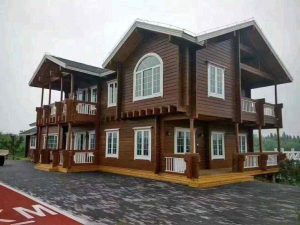
In our factory, we apply these principles to modern products, from wooden pavilions to garden bridges. We’ve learned that the essence of Chinese woodcraft lies in the harmony between nature and human design. Each piece we craft respects the wood’s natural beauty, letting the grain speak, while our joinery ensures longevity that rivals concrete and steel.
Key Techniques and Joinery Methods
The heart of Chinese woodcraft is its joinery. Unlike Western methods that rely on nails and screws, Chinese craftsmen use a variety of interlocking joints that are both strong and flexible. Here are the most significant techniques you should know:
Mortise-and-Tenon (Sunmao):The backbone of Chinese furniture and structures. It provides a tight, glue-less connection that can be disassembled for repair or relocation.Dougong Brackets: A complex system of brackets that transfer weight from the roof to the columns. Each bracket is a masterpiece of precision, often used in temples and pavilions.Dovetail Joints: Used in drawers and boxes, these joints resist pulling apart and showcase the craftsman’s skill.Lapped and Scarf Joints: For extending beams or joining planks edge-to-edge, these joints maintain a smooth surface.
Mastering these techniques requires more than technical skill; it demands a philosophical approach. The wood is allowed to move with the seasons, expanding and contracting without cracking. Our craftsmen, some with over 30 years of experience, treat each joint as a living connection. For instance, when we build a wooden arch bridge, we calculate the wood’s moisture content to ensure the joints tighten over time, not loosen.
If you’re considering a custom piece, understanding these methods helps you appreciate the value. A hand-cut mortise-and-tenon joint takes hours to perfect, but it ensures a product that can last generations. In contrast, mass-produced furniture with metal fasteners often fails within a decade. Our commitment to these techniques means every custom wooden product we make is an heirloom in the making.
Materials: The Soul of the Craft
The choice of wood is as critical as the joinery. Traditional Chinese woodcraft uses specific species for their durability, grain, and symbolic meaning. Here’s a breakdown of common woods and their uses:
| Wood Species | Characteristics | Typical Uses |
|---|---|---|
| Nanmu (Phoebe) | Soft, fragrant, resistant to insects; prized for its golden hue | Temple pillars, imperial furniture |
| Elm | Hard, durable, with a pronounced grain | Beams, doors, outdoor structures |
| Pine | Light, easy to work, affordable | Pavilions, scaffolding, everyday furniture |
| Camphor | Natural insect repellent, aromatic | Storage chests, wardrobes |
| Rosewood (Hongmu) | Very hard, dense, rich color; now rare and expensive | High-end furniture, carvings |
In our workshop, we primarily use elm and pine for outdoor structures like wooden gazebos because they withstand weather well. For indoor furniture, we might use nanmu or camphor for their beauty and scent. The wood is air-dried for at least two years to stabilize its shape, a process that impatient manufacturers skip, leading to warping and cracking.
We also practice sustainable harvesting. Our timber comes from certified forests in China, and we replant what we use. This respect for nature is part of the woodcraft philosophy—taking only what we need and honoring the tree’s life. When you commission a piece from us, you’re not just buying an object; you’re investing in a piece of nature that has been shaped by skilled hands.
Cultural Significance and Modern Relevance
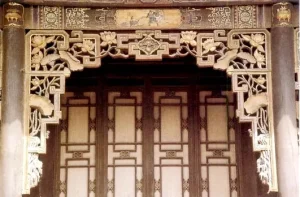
Chinese woodcraft is more than a building technique; it’s a cultural expression. The intricate carvings on beams often depict dragons, phoenixes, and floral motifs, each carrying auspicious meanings. For example, a dragon represents power and good fortune, making it a common motif in imperial structures. The layout of a traditional courtyard house follows feng shui principles, where the wooden pillars and beams are placed to harmonize with the environment.
Today, there’s a resurgence of interest in these ancient methods, not just for nostalgia but for their practical benefits. Wood is a renewable resource, and its carbon footprint is lower than steel or concrete. Moreover, wooden buildings have excellent seismic performance—the flexibility of mortise-and-tenon joints allows them to absorb earthquake shocks. In fact, studies have shown that traditional Chinese timber frames can withstand earthquakes up to magnitude 7.5.
Our company bridges the past and present. We create wooden water wheels for landscape installations and wooden cabins for glamping resorts, all using these time-honored techniques. We also produce wooden signboards and plaques that add a touch of oriental elegance to any space. By blending traditional joinery with modern design, we offer products that are both functional and culturally rich.
If you’re planning a garden, a tea house, or even a themed commercial space, incorporating Chinese woodcraft can transform the atmosphere. It brings a sense of calm and authenticity that mass-produced items can’t replicate. Our team works with you to design and build pieces that fit your vision, ensuring that the craft lives on in your space.
Conclusion
Chinese traditional woodcraft is a testament to human ingenuity and harmony with nature. From the precise mortise-and-tenon joints to the symbolic carvings, every detail reflects centuries of wisdom. At Zhongyu Woodcraft, we are proud to be custodians of this art, applying it to modern creations like pavilions, bridges, and water wheels. Whether you’re a professional or a homeowner, we invite you to explore our range of wooden products and consider how these timeless techniques can enhance your next project. Contact us today to discuss your custom needs—let’s build something lasting together.
Frequently Asked Questions
What is the most important joint in Chinese woodcraft?
The mortise-and-tenon joint is the most critical, providing strong, flexible connections without metal fasteners. It allows structures to withstand earthquakes and last for centuries.
How long does it take to learn Chinese woodcarving?
Mastery typically requires 10-15 years of apprenticeship, but basics can be learned in 2-3 years. Our craftsmen have decades of experience, ensuring high-quality work.
Can traditional Chinese woodcraft be used for modern buildings?
Yes, it's increasingly popular for eco-friendly and earthquake-resistant structures. We adapt traditional joinery for modern pavilions, cabins, and landscape features.
What wood is best for outdoor wooden structures?
Elm and pine are excellent for outdoor use due to their durability and weather resistance. They are commonly used in our pavilions and bridges.
Do you offer custom traditional woodcraft pieces?
Absolutely. We specialize in custom wooden products, from garden bridges to water wheels, using authentic techniques. Contact us with your design and we'll bring it to life.