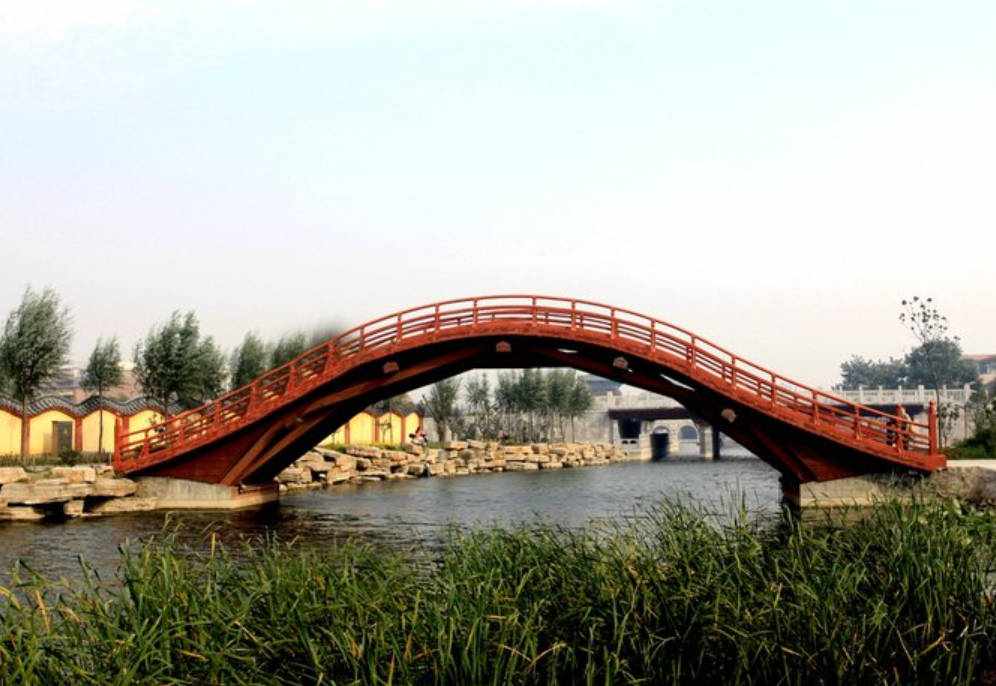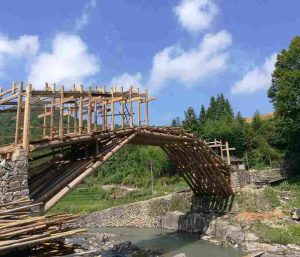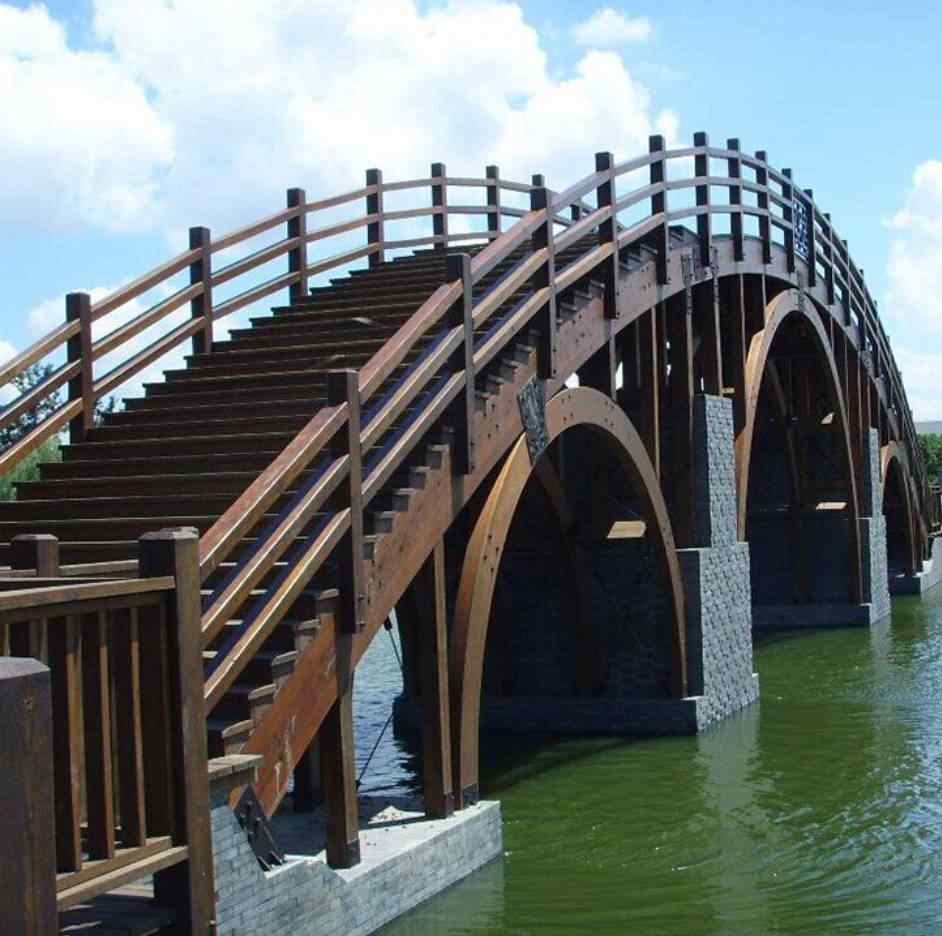
A Chinese timber pavilion is far more than a decorative garden structure. It is a load-bearing wooden building assembled entirely without metal fasteners, held together by interlocking joinery that has survived earthquakes, humidity, and centuries of use. For city planners, cultural tourism developers, and landscape architects, these structures offer a rare combination: authentic heritage aesthetics and modern engineering reliability. According to the China National Tourism Administration’s 2025 cultural tourism report, heritage-style architecture now features in 68% of new urban landmark projects across the country. This article explains the history, joinery techniques, and practical design considerations behind traditional timber pavilions, and shows how a 48-year workshop in China still builds them the old way.
Historical Origins: From Han Dynasty Watchtowers to Urban Icons
The Chinese pavilion, or ting, first appeared during the Han Dynasty (206 BCE–220 CE) as a simple watchtower and rest stop along imperial roads. By the Tang Dynasty (618–907 CE), it had evolved into a refined garden structure, and by the Ming and Qing dynasties it became a symbol of civic pride placed at city entrances, temple courtyards, and scenic overlooks.
The structural logic behind these buildings is documented in the Yingzao Fashi, a building manual compiled in 1103 CE during the Song Dynasty. This text standardized modular proportions for columns, beams, and bracket sets, allowing craftsmen across the empire to build consistent structures without nails. According to the Yingzao Fashi, a typical timber pavilion used a modular unit called the cai, roughly 15 cm, to determine every dimension in the building.
What made these pavilions endure was not just the material but the joinery system. Mortise-and-tenon joints allowed slight movement during settling and seismic activity, which is why many timber pavilions in earthquake zones outlasted masonry buildings nearby. According to research published by the China Academy of Building Research in 2023, traditional mortise-and-tenon frames can absorb up to 40% more lateral displacement than nailed timber frames of comparable size.
For modern city landmark projects, this history matters. A pavilion built with authentic joinery carries cultural authority that a steel-and-concrete imitation cannot replicate, and it satisfies the growing demand for verifiable heritage craftsmanship in public spaces.
Craftsmanship and Techniques: How Mortise-and-Tenon Joinery Works
Mortise-and-tenon joinery is the defining technique of Chinese timber architecture. A mortise is a rectangular cavity cut into one piece of wood; a tenon is a projecting tab cut on the end of another. When fitted together, they lock without glue, screws, or nails.
There are more than 20 distinct joint types used in pavilion construction. The most common include:
Straight tenon:used for column-to-beam connections, capable of bearing vertical loads exceeding 500 kg per joint. Dovetail tenon: used where lateral resistance is needed, such as in roof purlins. Shouldered tenon: used in corner posts to prevent rotation. Wedged tenon: used in temporary or demountable structures, allowing disassembly and reassembly.
Wood selection is equally critical. Traditional workshops prefer old-growth China fir for columns because of its straight grain and natural rot resistance, and camphor wood for carved decorative elements because it resists insects. According to our master craftsman with 48 years of experience, “A pavilion is only as good as its drying. We air-dry every timber for at least 12 months until moisture content drops below 15%, or the joints will loosen within five years.”
Finishing follows a similar discipline. Surfaces are planed by hand, then treated with natural tung oil or modern breathable wood preservatives. For outdoor installations, a three-coat system is standard: preservative primer, tung oil sealer, and UV-resistant topcoat, providing protection for 10 to 15 years before reapplication.
Zhongyu Woodcraft, based in China, still uses these methods on every project. The workshop produces pavilions with 100% mortise-and-tenon frames, no metal fasteners in the structural system, and offers a 5-year structural warranty on all outdoor installations.
Modern Applications: Pavilions as City Landmarks and Cultural Anchors
In contemporary urban design, timber pavilions serve several functions beyond shelter. They act as visual anchors in parks, gathering points in cultural districts, and interpretive centers in heritage tourism sites.
According to the Ministry of Housing and Urban-Rural Development’s 2024 guidance on traditional style architecture, new public projects in historic districts should incorporate at least one structural element built with documented traditional techniques. This policy has driven demand for authentic timber pavilions in city squares, waterfront promenades, and cultural parks.
Common applications include:
City gateway pavilions:placed at main entrances to signal cultural identity, typically 4 to 6 meters tall. Scenic overlook pavilions: positioned at viewpoints, often hexagonal or octagonal with 3 to 5 meter diameters. Cultural corridor pavilions: linked into covered walkways spanning 20 to 50 meters. Memorial pavilions: built to honor local history, frequently featuring carved plaques and stone bases.
Material choice depends on climate. In humid southern regions, camphor wood and China fir are preferred for their natural resistance to decay. In drier northern regions, pine and elm are common. For coastal projects, where salt air accelerates corrosion, preservative-treated timber or carbonized wood extends service life significantly.
Zhongyu Woodcraft has completed over 130 pavilion and corridor projects across 31 provinces, including a 26-meter landmark water wheel structure and numerous city-level cultural installations. Each project is prefabricated at the China factory, shipped nationwide, and assembled on site by the company’s own installation team.
Design and Customization: What Buyers Should Specify
Ordering a timber pavilion is not like buying a standard product. Every structure is built to site conditions, climate, and cultural context. The following specification table outlines the key parameters buyers should define before requesting a quote.
| Parameter | Typical Range | Notes |
|---|---|---|
| Roof type | Hip, gable, pyramidal, double-eave | Double-eave adds 30–40% to material cost |
| Plan shape | Square, hexagonal, octagonal, round | Hexagonal is most common for scenic areas |
| Column height | 2.5–4.5 m | Measured from base stone to beam seat |
| Diameter / span | 2–6 m | Larger spans require additional inner columns |
| Primary timber | China fir, camphor, pine, elm | China fir preferred for humid climates |
| Joinery | 100% mortise-and-tenon | No nails or screws in structural frame |
| Moisture content | ≤15% | Verified before assembly |
| Finish | Tung oil, wood preservative, UV topcoat | 3-coat system standard |
| Production lead time | 20–45 days | Depends on size and carving complexity |
| Installation | On-site assembly by supplier team | Nationwide service available |
| Structural warranty | 5 years | Extendable with maintenance contract |
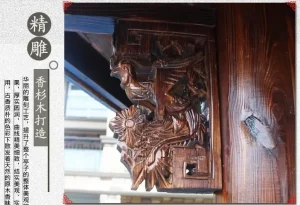
Beyond dimensions, buyers should consider decorative elements. Carved brackets, known as dougong, add visual richness but increase production time by 10 to 20 days. Ridge ornaments, lattice screens, and hanging fascia boards are optional but commonly requested for landmark projects.
Zhongyu Woodcraft provides free design drawings based on site photos and dimensions, and offers 3D renderings for approval before production begins. The company’s design team has completed over 1,000 custom projects, ranging from private garden pavilions to municipal cultural installations.
Case Study: A Waterfront Landmark Pavilion
In 2024, a scenic waterfront development in southern China commissioned a hexagonal timber pavilion as the centerpiece of a new public plaza. The project required a structure that could withstand high humidity, seasonal typhoon winds, and heavy visitor traffic.
The final design used a 4.2-meter column height, 5.5-meter diameter, and double-eave pyramidal roof. Primary columns were cut from old-growth China fir, air-dried for 14 months to a moisture content of 12%. All 68 structural joints were mortise-and-tenon, with no metal fasteners. Decorative dougong brackets were carved from camphor wood and finished with tung oil.
Production took 38 days at the China factory. The structure was shipped in prefabricated sections and assembled on site in 9 days by a 6-person crew. Total weight of the timber frame was approximately 4,800 kg. The project was completed on schedule and has since become a popular photography spot, with visitor numbers at the plaza increasing by an estimated 35% in the first six months after installation.
According to the project architect, “We specified traditional joinery because the client wanted authenticity, not a theme-park imitation. The fact that the structure can be disassembled and relocated if needed was an unexpected bonus.”
Maintenance: Protecting a Timber Pavilion for Decades
Even the best-built pavilion needs periodic care. The following schedule is based on Zhongyu Woodcraft’s 48 years of field experience:
Every 6 months:Inspect roof for debris, check joints for looseness, clear drainage channels. Every 2 years: Reapply tung oil or preservative to exposed surfaces, especially horizontal beams. Every 5 years: Professional inspection of structural joints, tighten wedged tenons if necessary. Every 10–15 years: Full refinishing of exterior surfaces, replace any decayed decorative elements.
In humid climates, additional ventilation around base stones helps prevent moisture accumulation. In coastal areas, annual inspection is recommended due to salt exposure.
Frequently Asked Questions
Q: How long does a traditional timber pavilion last?
A: With proper maintenance, a mortise-and-tenon pavilion built from quality timber can last 50 to 100 years or more. The key factors are wood species, moisture content at assembly, and regular surface treatment. Many historic pavilions in China have stood for over 300 years with periodic repairs.
Q: Can a timber pavilion be disassembled and moved?
A: Yes. Because the structure uses interlocking joinery rather than nails or glue, it can be carefully disassembled, transported, and reassembled. This is one advantage of traditional joinery over modern fastened construction.
Q: What is the typical production and delivery time?
A: Standard pavilions take 20 to 45 days to produce, depending on size and carving detail. Shipping within China takes 3 to 7 days, and on-site assembly typically takes 5 to 12 days. International projects require additional logistics planning.
Q: Do you provide installation outside China?
A: Zhongyu Woodcraft provides on-site installation throughout China and offers remote supervision and documentation for international projects. The company’s prefabricated approach allows local crews to assemble structures with guided support.
Q: What timber is best for humid climates?
A: China fir and camphor wood are the traditional choices for humid regions because of their natural resistance to rot and insects. For coastal areas, preservative-treated or carbonized wood is recommended for additional protection.
Conclusion: Building Landmarks That Carry Meaning
Timber pavilions built with authentic mortise-and-tenon joinery offer something that modern materials cannot: a direct connection to centuries of craft knowledge, combined with proven structural performance. For cities seeking distinctive landmarks, cultural tourism sites seeking authenticity, and designers seeking sustainable construction methods, these structures represent a practical and meaningful choice.
Zhongyu Woodcraft has been building traditional timber structures since 1978. Every pavilion is produced at the company’s China factory, shipped nationwide, and installed by experienced craftsmen. For project inquiries, custom design requests, or technical specifications, contact the team directly through the website or by phone. The workshop welcomes visits from architects, developers, and cultural organizations interested in seeing traditional joinery in practice.
Call/WhatsApp: +86 13883366528
Zhongyu Woodcraft – 48 Years Traditional Chinese Woodcraft Factory, Nationwide Installation