Your garden is an extension of your home—a place to relax, entertain, and connect with nature. But maintaining and upgrading outdoor spaces often comes with a hefty price tag. The good news? You don’t need to break the bank to create a beautiful, functional garden. With strategic wooden upgrades, you can transform your outdoor area into a stunning retreat while keeping costs reasonable. This guide walks you through practical, budget-friendly wooden garden improvements that deliver maximum visual impact without the premium price.
Why Choose Wood for Garden Upgrades?
Wood remains one of the most popular materials for garden improvements, and for good reason. It offers natural beauty that complements any landscape, from cottage gardens to modern minimalist spaces. Unlike synthetic materials, wood ages gracefully, developing a rich patina that adds character over time. More importantly, wood is versatile—you can stain, paint, or leave it natural to match your garden’s aesthetic.
From a budget perspective, wood is remarkably cost-effective. Pressure-treated pine, the most affordable option, costs significantly less than composite materials or stone while delivering comparable durability when properly maintained. Cedar and redwood, though pricier upfront, resist rot and insects naturally, reducing long-term maintenance costs. For DIY enthusiasts, wood is also the easiest material to work with—basic tools and a weekend can yield impressive results.
Wooden garden structures also add tangible value to your property. A well-built wooden pergola, garden bridge, or decorative pavilion can increase home resale value by five to ten percent, according to landscaping industry estimates. When you invest in quality wooden upgrades, you’re not just improving your daily living space—you’re making a smart financial decision.
Simple Wooden Projects Under $100
Starting small is the smartest approach to budget garden upgrades. Several high-impact projects cost under $100 and can be completed in a single afternoon. Herb planters are an excellent entry point. Build a tiered wooden planter box from scrap lumber or repurposed pallets, and you’ll have a functional kitchen garden that looks intentional and polished. The key is sanding edges smooth and applying a non-toxic sealant to protect against moisture.
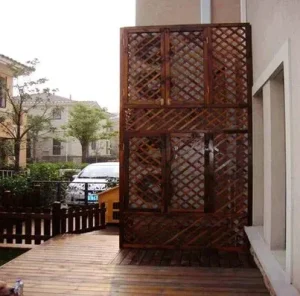
Wooden trellises and arbors provide vertical interest and support climbing plants like clematis, jasmine, or beans. A simple lattice trellis costs roughly $25 in materials and adds architectural depth to plain fences or walls. For a more dramatic effect, construct an arched garden gateway using curved wooden strips—it becomes a natural focal point that signals the transition from yard to garden.
Outdoor seating doesn’t require expensive patio furniture. A wooden bench built from 2x4s and deck boards costs around $40 and provides comfortable seating for two. Add weather-resistant cushions for extra comfort, and you’ve created a reading nook that rivals store-bought options at a fraction of the price. Similarly, wooden side tables made from stacked board segments offer practical surface space for potted plants or drinks.
Don’t overlook decorative elements. Wooden garden stakes with hand-painted labels for herb identification add charm and functionality. Simple wooden birdhouses mounted on poles attract wildlife and double as garden art. These small touches accumulate into a cohesive, personalized space that reflects your style without straining your budget.
Mid-Range Wooden Structures Worth the Investment
When your budget allows for $200 to $500 investments, wooden structures elevate your garden from functional to exceptional. A wooden garden bridge, for instance, transforms a simple pond or stream crossing into a destination. Even a modest span measuring four feet wide and eight feet long costs approximately $150 to $250 in materials, depending on wood choice. The visual impact of an arched wooden bridge over water is disproportionate to its cost—it becomes the centerpiece of your garden.
Wooden pergolas offer shade and structure for dining or lounging areas. A basic 8-by-10-foot pergola using pressure-treated lumber runs about $300 in materials. While pre-fabricated kits exist, building your own saves 40 to 60 percent and ensures the dimensions fit your space perfectly. Cross-beam patterns and lattice side panels add visual complexity without requiring advanced carpentry skills.
Wooden gazebos and garden shelters provide enclosed outdoor rooms. A small hexagonal gazebo measuring eight feet in diameter can be constructed for $400 to $500 using cedar. The elevated floor, sturdy posts, and roof structure create a defined space protected from sun and light rain—ideal for morning coffee or evening entertaining. Add string lights and potted plants, and you’ve created an outdoor living room.
Wooden water wheels and decorative fountains bring movement and sound to static gardens. A small-scale wooden water wheel attached to a garden pond costs under $100 in materials and creates a soothing ambient noise that masks street sounds. These functional pieces also demonstrate craftsmanship and attention to detail that guests notice immediately.
Maintenance Tips for Long-Lasting Wooden Gardens
Budget-friendly upgrades only make sense if they last. Proper maintenance extends wooden garden structures by decades and prevents costly replacements. The foundation of wood care is sealing—apply a quality exterior sealant or stain within two weeks of construction, then reapply every one to two years depending on weather exposure. This simple step prevents moisture absorption, UV damage, and fungal growth.
Annual inspections catch problems early. Check for loose fasteners, cracked boards, and signs of insect activity. Tighten hardware, replace damaged boards, and treat any pest concerns immediately. Wooden structures in contact with soil benefit from gravel bases that improve drainage and reduce rot risk. Elevate planters and benches slightly off the ground whenever possible.
Winter preparation matters in colder climates. Remove debris from pergolas and gazebos before snow arrives—heavy accumulations can stress joints and cause structural damage. Store removable cushions and fabric elements indoors. For wooden benches and tables, consider covering them with breathable tarps during harsh weather, but avoid plastic sheeting that traps moisture against the wood surface.
Cleaning is straightforward but often neglected. Sweep wooden surfaces regularly to remove dirt and organic debris. Once a year, wash with a mild detergent solution and soft brush, then rinse thoroughly. Avoid pressure washers on high settings—they can splinter wood fibers and accelerate weathering. For stubborn stains, a diluted oxygen bleach solution works safely on most wood types without damaging the surface.
Where to Source Affordable Materials
Material costs can make or break a budget garden project. Savvy sourcing saves money without sacrificing quality. Reclaimed wood from demolition sites, barns, or online marketplaces often costs 50 to 70 percent less than new lumber. Look for cedar or redwood scraps—these naturally resistant species are valuable even in smaller quantities. Always inspect reclaimed wood for nails, insect damage, and structural integrity before purchasing.
Home improvement stores frequently discount damaged or discontinued lumber at significant savings. A warped board might still work for decorative elements or hidden structural components. Outlet sections often carry overstock items at 30 to 50 percent off regular prices. Building material exchanges and community wood-swaps on social media platforms connect you with local suppliers and DIYers selling surplus materials.
For custom wooden garden features, consider working with specialized manufacturers who offer budget-friendly options. Companies like Zhongyu Woodcraft, with decades of experience in traditional wooden structures, provide custom garden bridges, pavilions, and decorative elements at competitive prices. Their expertise in traditional joinery techniques ensures durability that matches the aesthetic appeal, making them a reliable partner for gardeners seeking quality wooden upgrades without retail markups.
Frequently Asked Questions
What is the cheapest wood for garden projects?
Pressure-treated pine is the most affordable option, typically costing $3 to $5 per board foot. It resists rot and insects when properly sealed, making it ideal for budget garden structures like planters, trellises, and benches. Always choose exterior-grade sealant and reapply annually for best results.
How long do wooden garden structures last?
With proper maintenance, wooden garden structures last 10 to 20 years. Pressure-treated pine typically lasts 10 to 15 years, while cedar and redwood can exceed 20 years due to natural resistance to rot and insects. Regular sealing, annual inspections, and proper drainage significantly extend lifespan.
Can I build a wooden garden bridge myself?
Yes, building a small wooden garden bridge is achievable for DIYers with basic carpentry skills. A simple arched bridge measuring 4 to 6 feet wide requires basic tools, wooden beams, deck boards, and hardware. Follow detailed plans from reputable sources, ensure proper foundation support, and consider professional guidance for larger spans or complex designs.
How do I protect wooden garden furniture from weather?
Apply a quality exterior sealant or UV-protective stain immediately after construction, then reapply every one to two years. Store removable cushions indoors during harsh weather. Use breathable covers instead of plastic tarps to prevent moisture trapping. Elevate furniture slightly off ground surfaces to improve air circulation and reduce rot risk.
What wooden garden upgrades add the most value to my home?
Wooden pergolas, garden bridges, and gazebos typically add the most resale value, increasing home value by five to ten percent according to landscaping industry estimates. These structures create defined outdoor living spaces that buyers appreciate. Quality craftsmanship and durable materials like cedar or redwood maximize return on investment.