In the heart of Luoyang, one of China’s ancient capitals, a remarkable transformation is taking place. A once-ordinary commercial street is being reborn as a vibrant destination, thanks to a meticulous restoration project that showcases the intricate art of traditional Chinese architectural painting, specifically the chuitou (chuitou) hanging flower brackets. This project is not just about aesthetics; it’s a case study in how heritage craftsmanship can create a unique commercial atmosphere, drawing visitors and boosting local business. For international readers, this project offers a fascinating glimpse into techniques that have been refined over centuries. As a manufacturer with 48 years of experience in crafting traditional wooden structures and components, we see this as a perfect example of the global appeal of Chinese architectural heritage and the growing demand for authentic cultural experiences.
What is the Chuitou (chuitou) Hanging Flower Bracket?
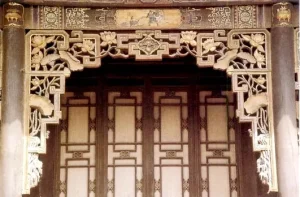
The chuitou, often referred to as a hanging flower bracket or suspended ornament, is a distinctive element of traditional Chinese architecture. It is a decorative wooden component that hangs vertically from the underside of a roof or ceiling beam, typically found on verandas, gateways, and the eaves of buildings. The name ‘chuitou’ literally translates to ‘hanging head,’ and its elaborate carvings and vibrant colors make it a focal point of architectural decoration.
These brackets are more than just ornamentation; they serve a structural purpose by helping to support the overhanging eaves, which protect the building’s wooden framework from rain and sun. The design of a chuitou can vary widely, from simple geometric shapes to intricate carvings of flowers, animals, and mythical figures. In the Luoyang project, each chuitou has been carefully crafted and painted to reflect the region’s historical and cultural significance, creating a visually stunning streetscape that transports visitors back in time.
The recent project in Luoyang has become a sensation on Chinese social media, with visitors flocking to photograph the beautifully restored facades. The hashtag # (internet-famous check-in) has been used thousands of times, highlighting the power of authentic heritage design to create shareable moments. This trend underscores a growing global interest in culturally immersive environments, a demand we are seeing in our own work with custom wooden pavilions and garden structures.
The Art of Traditional Chinese Architectural Painting
The vibrant colors that adorn the chuitou and other wooden elements are achieved through a complex system of traditional Chinese architectural painting, known as caihua (). This is not a simple paint job; it is a highly skilled craft that involves multiple layers of preparation, priming, and painting, using natural pigments and traditional binders. The process typically involves:
Surface Preparation:The wood is first smoothed and treated with a base layer of a putty-like mixture (often made from lime and tung oil) to create a flawless surface.Underpainting: A base coat of color is applied, usually a deep red or black, to provide a rich background for the intricate designs.Design Transfer: The complex patterns, which often include dragons, phoenixes, clouds, and geometric motifs, are transferred onto the surface using stencils or by freehand sketching.Color Application: Layers of vibrant colors, including mineral blues, greens, reds, and gold, are applied with fine brushes. This is the most time-consuming step, requiring steady hands and an eye for detail.Outlining and Detailing: Finally, the design is outlined with black or white paint to define the shapes and add depth, and gold leaf or paint is applied for highlights.Creating a Unique Identity: The street now has a distinct visual identity that sets it apart from generic modern retail spaces. The colorful brackets and painted beams create a sense of place and history that cannot be replicated with standard commercial architecture.Enhancing the Visitor Experience: The intricate details provide endless opportunities for photography and exploration. Visitors are not just shopping; they are experiencing culture, which encourages them to stay longer and spend more.Boosting Social Media Presence: The visually striking environment is inherently shareable on platforms like Instagram, TikTok, and Weibo. The ‘check-in’ culture has turned the street into a free marketing engine, attracting a steady stream of visitors.Supporting Local Businesses: The increase in foot traffic has directly benefited the shops, restaurants, and cafes along the street. Many have reported a significant boost in sales since the completion of the project.
This project serves as an excellent example for developers and city planners worldwide who are looking to revitalize historic districts or create culturally themed commercial areas. The success lies in the authenticity of the craftsmanship. A cheap imitation would not have generated the same buzz or long-term appeal. It is the genuine application of traditional techniques, using quality materials, that creates a space people want to visit and revisit.
From our perspective, this trend is not limited to China. We are seeing increasing interest from international clients in wooden gazebos and garden structures that feature similar decorative elements. There is a growing appreciation for the craftsmanship and cultural depth that these structures bring to any landscape, whether it’s a private garden or a commercial resort.
The Craftsmanship Behind the Scenes: Materials and Techniques
The longevity and beauty of the Luoyang project depend heavily on the materials and techniques used, which have been perfected over thousands of years. The wood itself is typically a durable softwood like fir or pine, chosen for its workability and resistance to warping. The paint system is equally important, with traditional formulations offering both aesthetic appeal and protection against the elements.
One key technique is the use of a special base layer called dizhang (), which is a mixture of brick dust, lime, and tung oil. This is applied in multiple layers to create a smooth, durable surface that protects the wood and provides an ideal base for painting. This layer is essential for preventing moisture damage and insect infestation, ensuring that the vibrant colors last for decades.
In our own workshop, we follow similar time-honored methods when crafting our wooden garden bridges and other structures. We source premium timber and use traditional joinery techniques, such as mortise and tenon joints, to ensure structural integrity without the need for metal fasteners. This commitment to quality is what allows us to offer products that are not only beautiful but also built to last for generations.
Bringing Traditional Chinese Architecture to Your Project
The Luoyang project is a powerful illustration of how traditional Chinese architectural elements can be adapted for modern use. Whether you are developing a commercial complex, designing a themed resort, or simply adding a unique feature to your garden, incorporating these elements can create a lasting impression. The key is to work with craftsmen who understand the nuances of the style and can deliver authentic results.
At Zhongyu Woodcraft, we have 48 years of experience in creating a wide range of traditional wooden products, from wooden pavilions and gazebos to water wheels and intricate carvings. We can replicate the chuitou brackets and painted beams seen in the Luoyang project, as well as create custom pieces that reflect your specific vision. Our team of skilled artisans uses traditional techniques combined with modern precision to deliver products that meet the highest standards of quality and authenticity.
If you are interested in incorporating traditional Chinese wooden architecture into your next project, we invite you to contact us. Whether you need a single decorative element or a complete structure, we can provide a solution that is both culturally rich and commercially viable.
Conclusion
The Luoyang commercial street project is a testament to the enduring appeal of traditional Chinese architectural painting and design. It shows that by investing in authentic craftsmanship, you can create spaces that are not only visually stunning but also economically successful. As the world becomes increasingly interested in cultural experiences, the demand for such heritage-inspired elements is only set to grow.
We hope this article has given you a deeper understanding of the art behind the chuitou and the techniques that make these projects so special. If you are inspired to bring a touch of this ancient artistry to your own project, we are here to help. Explore our range of traditional wooden structures and custom services, and let us help you create something truly remarkable.
Frequently Asked Questions
What is a chuitou (chuitou) in Chinese architecture?
A chuitou is a decorative wooden bracket that hangs vertically from the underside of a roof or beam, commonly found on traditional Chinese buildings. It adds structural support to eaves and is often intricately carved and painted, serving as a key decorative element.
What are the main styles of traditional Chinese architectural painting?
The three main styles are Hexi (), which is imperial and gold-heavy; Xuanzi (), featuring swirling patterns and used on public buildings; and Suxiang (), which is more free-form with landscapes and figures. Each has distinct color schemes and symbolic meanings.
How does traditional Chinese painting protect the wood?
The painting process involves applying a base layer called dizhang, made from brick dust, lime, and tung oil. This creates a durable, moisture-resistant surface that protects the wood from damage and insect infestation, ensuring the structure lasts for decades.
Can I incorporate chuitou brackets into a modern building design?
Yes, absolutely. Many developers and homeowners integrate these elements to add cultural authenticity. You can work with a specialized manufacturer to create custom brackets that suit your structural needs and aesthetic preferences.
What materials are traditionally used for chuitou?
Traditionally, chuitou are carved from durable softwoods like fir or pine, which are easy to carve and resistant to warping. The painting uses natural pigments and traditional binders like tung oil for longevity.