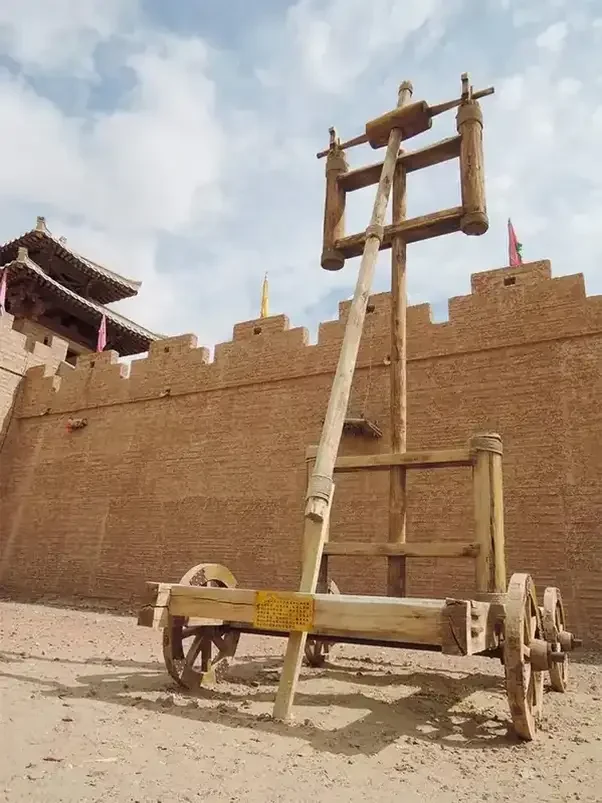
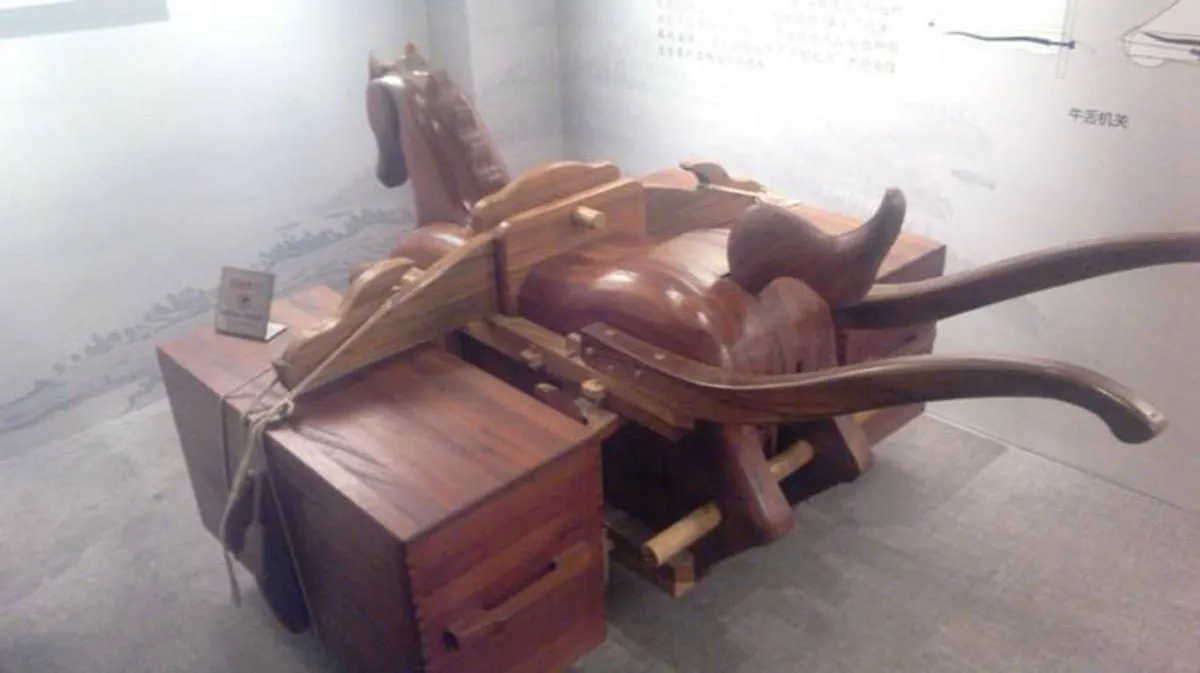
A full-scale ancient Chinese war chariot replica is a remarkable historical reconstruction that brings the power, elegance, and engineering sophistication of ancient Chinese chariot warfare to life. Unlike miniature models or decorative replicas, a full-scale war chariot is a functional, horse-drawn vehicle built to exact historical specifications, capable of being harnessed to horses and driven across open ground exactly as it was 2,500-3,500 years ago. At Zhongyu Woodcraft, we design and build museum-quality full-scale ancient Chinese war chariot replicas for museums, theme parks, cultural sites, historical reenactment groups, film and television productions, and private collectors worldwide, with every component researched, crafted, and assembled using authentic materials and traditional techniques.
The war chariot (che, ) was introduced to China during the Shang Dynasty (c. 1600-1046 BC), likely through cultural contact with the steppe peoples of Central Asia. The earliest Chinese chariots, found in Shang Dynasty royal tombs such as those at Yinxu (Anyang, Henan), date to approximately 1200 BC and represent a sophisticated, fully developed chariot technology. These early chariots were two-wheeled vehicles with a wooden frame, a rectangular or D-shaped carriage (yu, ), and a single draught pole (zhou, ) that curved upward at the front to support a horizontal yoke (heng, ) across the necks of two horses. The wheels were large (approximately 1.2-1.5 meters in diameter) with 18-26 spokes, and were mounted on a wooden axle (zhou, ) that passed through the bottom of the carriage.
During the Western Zhou Dynasty (1046-771 BC), the chariot became the dominant weapon of warfare and the primary symbol of military power. A typical Western Zhou chariot carried three warriors: the driver (yu zhe, ) who controlled the horses with reins and a whip, the archer (gong shou, ) who shot arrows from a powerful composite bow, and the warrior (rong you, ) who carried a dagger-axe (ge, ) or halberd (ji, ) for close combat and served as the chariot commander. The chariot was used for both battlefield charges where a line of chariots would charge the enemy lines, firing arrows and using the bronze fittings on the wheel hubs (yi, ) to slash at enemy infantry and as a mobile command platform from which generals could observe the battlefield and issue orders. The number of chariots a state could field was the primary measure of its military power, and the term “
a state of a thousand chariots” (qian sheng zhi guo, ) became a standard expression for a powerful state during the Spring and Autumn Period.
During the Spring and Autumn Period (770-476 BC), chariot technology continued to evolve. The single-pole design was refined, and some chariots began to use four horses instead of two (a team of four horses was called si sheng, ), providing greater speed and pulling power. The carriage was enlarged to accommodate more warriors or additional equipment, and bronze fittings became more elaborate and decorative. The famous Battle of Chengpu (632 BC) between the states of Jin and Chu involved over 700 chariots on each side, making it one of the largest chariot battles in history. The Zuo Zhuan (, Zuo’
s Commentary), a historical text covering the Spring and Autumn Period, contains detailed descriptions of chariot battles, chariot tactics, and the heroic deeds of chariot warriors.
The chariot began to decline during the Warring States Period (475-221 BC) as infantry and cavalry became more dominant on the battlefield. The invention of the crossbow (nu, ) and the development of mass infantry formations made chariots more vulnerable, and the adoption of cavalry warfare (inspired by the nomadic peoples of the northern steppes) provided a more flexible and mobile alternative to the chariot. However, the chariot continued to be used throughout the Warring States Period and into the Han Dynasty (206 BC –
220 AD), both as a command vehicle and as a transport vehicle, and it remained an important symbol of power and status. The famous Terracotta Army of Qin Shi Huang (c. 210 BC) includes several bronze chariots and horses, providing us with detailed, accurate examples of Qin Dynasty chariot design and construction.
The engineering of the ancient Chinese war chariot is a marvel of ancient technology. The wheels, with their many spokes and bronze hubs, were designed to be both lightweight and strong, capable of supporting the weight of three warriors and their equipment while withstanding the stresses of high-speed travel and battlefield maneuvering. The axle, typically made of elm or oak for strength and flexibility, was precisely fitted to the wheel hubs and lubricated with animal fat or grease to reduce friction. The draught pole, curved in a gentle arc from the carriage to the yoke, was designed to distribute the pulling force of the horses evenly and to absorb the shocks of rough terrain. The yoke, placed across the necks of the horses, was designed to allow the horses to pull with their shoulders rather than their necks, a more efficient and humane design than the throat-and-girth harness used in the ancient West. The bronze fittings, including the wheel hub caps, pole ornaments, yoke fittings, and bell (luan, ) that rang as the chariot moved, were both functional and decorative, demonstrating the high level of bronze casting technology in ancient China.
| Feature | Specification | Options |
|---|---|---|
| Historical Period | Shang (1600-1046 BC), Western Zhou (1046-771 BC), Spring and Autumn (770-476 BC), Warring States (475-221 BC), Han (206 BC-220 AD) | Custom any period |
| Scale | Full-scale 1:1 functional replica; also available 1:2, 1:4, 1:10 display models | Full-scale standard |
| Chariot Type | Single-pole two-horse, single-pole four-horse, command chariot, assault chariot, transport chariot, ceremonial chariot | Custom configurations |
| Overall Dimensions | Length: 2.5-3.5m (pole to rear); Width: 1.5-2.0m (wheel to wheel); Height: 1.2-1.8m (top of carriage) | Custom dimensions |
| Wheel Diameter | Standard 1.2-1.5m (4-5ft); custom sizes available | Custom diameters |
| Wheel Spokes | 18, 20, 22, 24, or 26 spokes (varies by period and region) | Authentic spoke counts |
| Carriage (Yu) | Rectangular or D-shaped, 0.8-1.2m wide x 0.6-1.0m deep, 0.3-0.5m high sides | Custom carriage designs |
| Draught Pole (Zhou) | Single curved pole, 2.0-3.0m long, elm or oak, with bronze/iron fittings | Single or double pole |
| Yoke (Heng) | Horizontal yoke across horse necks, 1.2-1.8m wide, with bronze/iron yoke ornaments | Custom yoke designs |
| Axle (Zhou) | Solid hardwood axle (elm/oak), 1.5-2.0m long, 5-8cm diameter, with bronze/iron axle caps | Wood or steel-core axle |
| Wood Species | Elm (axle, pole, wheel hubs), oak (structural), fir (carriage, light parts), camphor (decorative), custom | Authentic traditional species |
| Bronze/Iron Fittings | Wheel hub caps (yi), pole ornaments, yoke fittings, axle caps, bell (luan), nails, decorative elements | Bronze or iron, authentic alloy |
| Joinery | Traditional mortise and tenon, scarf joints, nailed/bound joints, no modern fasteners visible | Authentic traditional joinery |
| Horses | Not included (client provides or we can connect you with a historical horse supplier); harness included | Harness and tack included |
| Harness and Tack | Authentic leather harness, reins, bridles, breastcollar, breeching, saddle pads, decorative elements | Custom harness designs |
| Weapons and Equipment | Composite bow, quiver with arrows, dagger-axe (ge), halberd (ji), sword (jian), shield, armor (optional) | Authentic replica weapons |
| Finish | Natural wood, lacquer (black/red/brown), paint (authentic historical colors), weathered/antique, gilded details | Custom finishes |
| Functionality | Fully functional (horse-drawn), display-only (non-functional), motorized (for indoor/parade use) | Functional standard |
| Safety Features | Reinforced hidden steel core (optional), modern brakes (hidden), safety harness attachment points, structural certification | For commercial/reenactment use |
| Documentation | Historical research report, construction documentation, assembly instructions, maintenance guide, authenticity certificate | Comprehensive documentation |
| Installation | Worldwide on-site assembly and testing by our team, or detailed self-assembly support with videos | Professional installation available |
Every full-scale war chariot we build is custom-designed for your specific historical period, intended use (museum display, historical reenactment, film production, theme park attraction), budget, and aesthetic preferences. Our historical research team conducts thorough research into the specific chariot type and period you require, studying archaeological finds, museum artifacts, classical texts, and academic research to ensure historical accuracy in every detail. Our master craftsmen then build the chariot using traditional materials and techniques, with every component from the individually carved wheel spokes to the hand-cast bronze fittings crafted to exact historical specifications. All chariots are structurally tested and (for functional replicas) horse-tested in our workshop before shipping, ensuring safety, reliability, and authentic performance.
| Type | Period | Characteristics | Best For |
|---|---|---|---|
| Shang Dynasty Chariot | c. 1200-1046 BC | Early design, single pole, two horses, 18-spoke wheels, simple carriage, bronze fittings, primitive but elegant | Museums, archaeological exhibits, early Chinese history displays |
| Western Zhou Chariot | 1046-771 BC | Refined design, single pole, two or four horses, 20-24 spoke wheels, larger carriage, elaborate bronze fittings, bell (luan) | Museums, cultural sites, historical reenactment, Zhou Dynasty exhibits |
| Spring and Autumn Chariot | 770-476 BC | Peak of chariot warfare, four-horse teams common, 22-26 spoke wheels, reinforced carriage, decorative bronze, tactical variants | Historical reenactment, battle demonstrations, theme parks, film/TV |
| Warring States Chariot | 475-221 BC | Transition period, some iron fittings, lighter and faster, crossbowman position, command and transport roles | Museums, Warring States exhibits, historical reenactment |
| Qin/Han Bronze Chariot Replica | 221 BC-220 AD | Based on Terracotta Army bronze chariots, elaborate design, umbrella/ canopy, decorative elements, ceremonial/command role | Museums, Qin/Han exhibits, cultural sites, high-end displays |
| Command Chariot (Jiang Che) | Various | Enlarged carriage, command platform, flags and banners, drum or bell for signaling, general’s position | Historical reenactment, battle command demonstrations, museums |
| Assault Chariot (Chong Che) | Spring and Autumn/Warring States | Reinforced frame, iron/bronze ram on pole, blade fittings on wheel hubs, armored carriage, breakthrough role | Battle demonstrations, theme parks, film/TV, dramatic displays |
| Transport Chariot (Zi Zhong Che) | Various | Larger enclosed or semi-enclosed carriage, for transporting officers, supplies, or wounded, slower but more capacity | Museums, logistics exhibits, historical reenactment support |
| Ceremonial Chariot (Li Che) | Various | Highly decorative, elaborate bronze/gold fittings, silk canopies and curtains, ceremonial robes, parades and rituals | Cultural events, parades, museums, ceremonial reenactment |
| Hunting Chariot (Tian Che) | Western Zhou/Han | Lighter and faster, open carriage, dog platform, hunting equipment, royal/noble hunting use | Museums, hunting history exhibits, cultural displays |
Each chariot type represents a different historical period, tactical role, and cultural context, and we can build any of these types or create a custom configuration based on your specific needs and research. Our design team works closely with you to determine the most appropriate chariot type for your project, considering factors such as historical accuracy, intended use, available space, budget, and the specific narrative or interpretive goal of your exhibit or event. We can also build matching sets of chariots (e.g., a command chariot, several assault chariots, and transport chariots) for large-scale historical reenactments, theme park attractions, or museum exhibits, with consistent historical accuracy and quality across all vehicles.
| Component | Traditional Material | Modern Source | Craftsmanship |
|---|---|---|---|
| Wheels | Elm or oak for hubs and felloes, fir or willow for spokes | Sustainably sourced elm, oak, fir from certified plantations | Hand-carved spokes, mortise and tenon hub assembly, steamed and bent felloes, hand-laced with rawhide or bronze nails |
| Axle | Solid elm or oak, 5-8cm diameter | Sustainably sourced old-growth elm or oak, or steel-core with wood cladding (for safety) | Hand-turned on a pole lathe, fitted with bronze/iron axle caps, lubricated with traditional animal fat or modern grease |
| Draught Pole | Elm or oak, naturally curved or steam-bent | Sustainably sourced elm or oak, selected for natural curve | Hand-shaped with adze and drawknife, steam-bent to correct curve, fitted with bronze/iron pole ornaments |
| Yoke | Elm or oak, curved to fit horse necks | Sustainably sourced elm or oak | Hand-carved to fit horse anatomy, fitted with bronze/iron yoke ornaments and rings |
| Carriage (Yu) | Fir for lightness, elm for frame, woven bamboo or leather floor | Sustainably sourced fir, elm, bamboo | Mortise and tenon frame, woven bamboo or leather floor, lacquered or painted sides, hand-woven railings |
| Bronze Fittings | Copper-tin alloy (bronze), cast in sand molds | Traditional bronze casting with authentic alloy (85% copper, 15% tin) | Sand-cast using traditional techniques, hand-finished, aged to authentic patina, polished or patinated as appropriate |
| Iron Fittings | Bloomery iron or steel, hand-forged | Modern mild steel hand-forged with traditional techniques | Hand-forged by master blacksmiths, hardened and tempered, aged to authentic patina |
| Harness | Vegetable-tanned cowhide, hemp or silk rope, bronze/iron rings and buckles | Vegetable-tanned cowhide, natural fiber rope, cast bronze/iron hardware | Hand-cut, tooled, and sewn by master leather workers, hand-braided rope, cast and finished hardware |
| Weapons | Bronze or iron/steel, wood, bamboo, feathers, lacquer | Traditional bronze or hand-forged steel, sustainably sourced wood and bamboo | Hand-cast bronze or hand-forged steel blades, hand-shaped wooden shafts, fletched arrows, lacquered and decorated |
| Armor (optional) | Bronze or iron/steel lamellae, leather, lacquer, silk cords | Hand-forged steel or cast bronze lamellae, vegetable-tanned leather | Individually punched and shaped lamellae, laced with leather or silk cords, lacquered and decorated |
| Finish | Natural lacquer (from lacquer tree), mineral and plant pigments, gold leaf | Traditional natural lacquer or high-quality modern lacquer, authentic mineral pigments | Multiple thin coats of lacquer, hand-polished between coats, hand-painted decorations, gold leaf application (if applicable) |
Historical accuracy is the foundation of our full-scale chariot replica program. Every component is researched and documented, with references to archaeological finds, museum artifacts, classical texts, and academic research. Our historical research team includes specialists in Chinese archaeology, military history, and the history of technology, and we work closely with museums, universities, and independent scholars to ensure the accuracy of our replicas. We provide a detailed historical research report with every chariot, documenting the sources and evidence for each design decision and component.
Our master craftsmen have decades of experience in traditional woodworking, bronze casting, blacksmithing, leather working, and lacquer work, and many come from families with generations of experience in these traditional crafts. We use only authentic, traditionally appropriate materials no modern plastics, composites, or synthetic materials are visible on the finished chariot (though hidden structural reinforcement may be used for safety in commercial applications). Every component is handcrafted using traditional tools and techniques, with the same methods and materials used by ancient Chinese chariot builders. The result is a replica that is not only visually accurate but also functionally authentic it rides, handles, and performs exactly as an ancient chariot would, providing an unparalleled educational and experiential resource for museums, historical reenactment groups, and cultural institutions.
| Factor | Zhongyu Woodcraft | Typical Replica Maker | Film Prop Company |
|---|---|---|---|
| Historical Accuracy | Based on archaeological evidence, museum artifacts, classical texts, academic research; documented research report included | Approximate design, may not be historically accurate, limited research | Stylized for visual effect, not historically accurate, “movie magic” design |
| Craftsmanship | Hand-built by master craftsmen using traditional tools and techniques, authentic materials | Machine-made with some hand finishing, modern materials | Quick-built for production, lightweight materials, designed for camera not durability |
| Materials | Authentic traditional materials (hardwood, bronze, iron, leather, silk, lacquer), no visible modern materials | Mix of traditional and modern materials, may use plastics/composites | Lightweight modern materials (foam, fiberglass, plastic), designed for weight not authenticity |
| Functionality | Fully functional horse-drawn vehicle, structurally tested and horse-tested, safe for actual use | May be decorative only, not functional or safe for actual use | May roll but not designed for actual horse-drawn use, not structurally certified |
| Safety | Hidden structural reinforcement (optional), modern brakes (hidden), safety certification, load testing | Basic or no safety features, may not be safe for public use | Film safety only, not certified for public or commercial use |
| Scale Options | Full-scale 1:1 functional, plus 1:2, 1:4, 1:10 display models | One or two standard scales | Full-scale only, as needed for production |
| Customization | Full custom design, any period, any type, any configuration, matching sets | Limited standard designs, minimal customization | Custom for each production but not historically grounded |
| Documentation | Comprehensive historical research report, construction documentation, maintenance guide, authenticity certificate | Basic or no documentation | No historical documentation, production notes only |
| Durability | Built to last for decades with proper maintenance, suitable for permanent museum display or regular reenactment use | Variable durability, may not withstand regular use | Designed for short production lifespan, not for long-term use or display |
| Installation | Worldwide on-site assembly and testing by our team, or comprehensive DIY support | Local only or basic shipping | Production crew handles, no ongoing support |
| Warranty | 10-year structural warranty, lifetime craftsmanship guarantee, ongoing support and maintenance | 1-2 year warranty | No warranty after production wraps |
Our workshop in China is uniquely qualified to build authentic full-scale ancient Chinese war chariot replicas because of our deep connection to traditional Chinese craftsmanship and our location in the heart of Sichuan Basin, an area with a rich history of chariot use and bronze casting dating back to the ancient states of Ba and Shu. The Sichuan Basin has yielded important archaeological finds related to ancient chariots and bronze technology, and our workshop has access to traditional materials, master craftsmen, and historical resources that are unavailable elsewhere. We have spent decades researching and documenting ancient Chinese chariot construction techniques, working closely with archaeologists, historians, and remaining traditional craftsmen to ensure the accuracy and authenticity of our replicas. Our team has built full-scale chariot replicas for museums, cultural sites, historical reenactment groups, and film productions in China and around the world, and we have the experience and expertise to handle even the most complex and demanding chariot projects.
We offer comprehensive services beyond just building the chariot, including historical research and consulting, exhibit design, interpretive programming, historical reenactment consulting, horse and handler connections, maintenance and restoration services, and educational programming. We can handle every aspect of your chariot project from initial concept to final installation and ongoing support, ensuring a seamless, stress-free experience for our clients.
For international clients, we offer worldwide shipping with careful packaging to ensure safe arrival. Full-scale chariots are partially disassembled for shipping (wheels removed, pole detached, carriage folded if applicable) and packaged in ISPM-15 certified heat-treated wooden crates with foam protection.
We handle all export documentation including commercial invoice, packing list, certificate of origin, and phytosanitary certificate. Our installation team can travel to your location for professional on-site assembly and testing, or we provide comprehensive self-assembly support including detailed numbered assembly instructions, assembly videos, and remote technical support via video call.
We stand behind our products with a comprehensive warranty and lifetime technical support, ensuring your chariot provides years of educational value, historical authenticity, and memorable experiences.
Q: How much does a full-scale ancient Chinese war chariot replica cost?
A: Prices vary depending on historical period, chariot type, complexity, materials, bronze/iron fittings, weapons, armor, harness, finish, functionality (functional/display/motorized), safety features, documentation, shipping, and installation. As a rough guide (materials only, excluding shipping and installation): Basic display chariot (non-functional, simplified bronze fittings, no weapons/armor, basic finish): $5,000-$15,000;
Standard functional chariot (horse-drawn, authentic bronze fittings, basic weapons, harness, natural or lacquer finish): $15,000-$40,000; Premium functional chariot (authentic period-specific design, elaborate bronze/gold fittings, full weapons and armor, custom harness, detailed lacquer/paint finish, historical research report): $40,000-$100,000;
Museum-quality masterpiece chariot (extensive research, museum-level craftsmanship, gold/silver inlay, silk canopies and curtains, full armor and weapons, custom everything, comprehensive documentation): $100,000-$300,000+; Bronze chariot replica (based on Terracotta Army, full bronze casting or bronze-clad): $80,000-$250,000;
Matching set of 3-5 chariots (command + assault + transport): $100,000-$500,000 depending on configuration; Additional weapons set (bow, arrows, ge, ji, jian, shield): $1,000-$5,000; Armor set (lamellar armor, helmet): $2,000-$10,000; Custom harness and tack: $1,000-$5,000; Gold leaf or silver inlay upgrade: $5,000-$30,000;
Hidden steel core reinforcement (for safety): $2,000-$8,000; Modern hidden brakes: $1,000-$5,000; Motorized system (for indoor/parade use): $3,000-$15,000; Historical research report: $2,000-$10,000; Shipping: $2,000-$15,000 depending on destination; Installation: $5,000-$30,000 depending on location and complexity.
We offer institutional discounts for museums, universities, and non-profit organizations, and we can work with your budget to create a chariot that meets your needs. Contact us with your specifications, historical period, intended use, and location for a detailed quotation within 48 hours.
Q: How long does it take to design, build, and deliver a full-scale chariot?
A: The timeline depends on chariot type, complexity, custom design requirements, materials, and finishing details. As a general guide: Research and design phase: 2-6 weeks (historical research, concept design, structural engineering, client review and approval, detailed drawings). Manufacturing phase: Basic display chariot: 6-10 weeks;
Standard functional chariot: 10-16 weeks; Premium functional chariot: 16-24 weeks;
Museum-quality masterpiece chariot: 24-40 weeks or more. The manufacturing process includes: wood selection and preparation (drying, planing, cutting, steaming, bending), wheel building (the most time-consuming step, with each spoke hand-carved and fitted, hubs hand-turned, felloes steamed and bent), carriage building (mortise and tenon frame, woven floor, lacquered sides), pole and yoke making (hand-shaping, steam-bending, fitting), bronze casting (creating molds, casting, finishing, aging this can take 4-8 weeks for elaborate fittings), iron forging (hand-forging iron fittings and weapons), harness making (leather cutting, tooling, sewing, hardware fitting), weapon and armor making (if included), painting and lacquering (multiple coats, each requiring drying time this can take 4-8 weeks for detailed lacquer work), final assembly, and quality inspection.
Testing phase: 1-2 weeks (structural testing, horse testing for functional chariots, adjustments, final finishing). Shipping: Domestic (China): 1-2 weeks; International air freight: 2-4 weeks; International sea freight: 6-10 weeks. Installation: 1-2 weeks for most chariots (on-site assembly, testing, client training).
Total timeline from order to completed installation: Basic display chariot: 10-18 weeks (domestic), 14-24 weeks (international); Standard functional chariot: 16-26 weeks (domestic), 20-36 weeks (international); Premium or museum-quality chariot: 28-52 weeks or more. We provide detailed project timelines at the time of order and keep you updated throughout the process with photos of each stage (wood preparation, wheel building, bronze casting, painting, final assembly, testing).
Rush orders may be possible for an additional fee, though traditional handcraftsmanship and proper drying/curing times require adequate time for quality we will never rush the lacquer or bronze casting process, as this would compromise the quality, durability, and authenticity of the chariot. For clients with tight deadlines, we may have standard chariots in stock or near completion that can be customized more quickly contact us to check current inventory.
Q: Can the chariot actually be pulled by horses, and is it safe for public use?
A: Yes, our functional full-scale chariots are designed and built to be actually pulled by horses, exactly as ancient chariots were. We use authentic traditional harness designs (breastcollar and breeching, not the inefficient throat-and-girth harness of the ancient West) that allow the horses to pull efficiently and comfortably.
The chariot is balanced and engineered to ride smoothly behind a pair (or team of four) horses, with the weight distributed properly on the axle and the pole providing the correct balance point. Before shipping, every functional chariot is horse-tested in our workshop with trained horses to verify that it rides correctly, the horses are comfortable in the harness, the steering and braking work properly, and there are no safety issues.
We make any necessary adjustments during testing to ensure optimal performance and safety. For public use (museums, theme parks, historical reenactment events, parades), we offer several safety features that can be incorporated into the chariot without compromising its historical appearance: 1) Hidden steel core reinforcement: A steel core can be added to the axle, pole, and critical structural joints to provide additional strength and safety, while the wood exterior maintains the authentic appearance.
2) Hidden modern brakes: A modern hydraulic or mechanical brake system can be hidden within the carriage or axle, controlled by the driver, to provide reliable stopping power for public use. 3) Safety harness attachment points: Additional attachment points can be added for safety harnesses for the riders, without being visible to spectators.
4) Non-slip floor: The carriage floor can be treated with a non-slip surface (hidden under the traditional woven floor) to prevent riders from slipping. 5) Wheel safety: The wheels can be reinforced with hidden steel bands or spokes to prevent wheel failure under heavy use. 6) Structural certification: We can provide structural engineering certification for the chariot, verifying that it meets modern safety standards for public use.
7) Driver training: We provide training for your drivers on how to safely drive and handle the chariot, including hitching, driving, braking, and emergency procedures. We recommend that only experienced horse handlers drive the chariot, and that the horses be trained for chariot driving (not all horses are suitable for chariot work).
We can connect you with historical horse suppliers and trainers who specialize in chariot horses if needed. With these safety features in place, our full-scale chariots can be safely used for public demonstrations, parades, historical reenactments, and theme park attractions. We work with each client to assess the specific safety requirements of their intended use and develop a customized safety plan that meets or exceeds local regulations and industry best practices.
Q: Do you provide the horses, and what kind of horses are suitable for chariot driving?
A: We do not provide horses with the chariot, as live animal transport is complex and regulated, and the horses need to be trained and acclimated to their specific environment and handlers. However, we can connect you with reputable historical horse suppliers and trainers who specialize in chariot horses, both in China and internationally.
We can also provide guidance on selecting, training, and caring for chariot horses. The ideal chariot horses are typically medium-sized (14-16 hands), sturdy, calm, and well-trained. Historically, Chinese chariot horses were likely a type of steppe horse smaller, hardy, and agile, similar to the modern Mongolian horse or Przewalski’s horse.
However, for modern reenactment and display use, many different breeds can be suitable, including: 1) Mongolian horse: The closest modern equivalent to ancient Chinese chariot horses small (13-14 hands), hardy, agile, endurance, calm temperament. 2) Fjord horse: A small, sturdy draft breed with a calm temperament and distinctive appearance, well-suited to chariot work.
3) Haflinger: A small, sturdy, calm breed with good endurance, popular for driving. 4) Welsh Cob (Section C or D): A sturdy, athletic breed with good movement and temperament, suitable for chariot driving. 5) Morgan: A versatile, sturdy breed with good endurance and calm temperament, popular for driving.
6) Arabian: An elegant, endurance breed with good movement, though may be too spirited for novice drivers. 7) Quarter Horse: A sturdy, calm, versatile breed, well-suited to driving and reenactment. The most important factors are temperament (calm, steady, not easily spooked), training (trained to drive in harness, comfortable with the chariot and noise), and compatibility (the two horses should be well-matched in size, stride, and temperament).
We recommend working with an experienced driving trainer to select and train your chariot horses, and to practice driving in a safe, enclosed area before public demonstrations. We provide guidance on harness fitting, horse care, and driving techniques as part of our installation and training service.
If you already have horses that you would like to use for the chariot, we can assess their suitability and provide guidance on training and harness fitting. We can also design the chariot and harness to fit your specific horses’ size and conformation.
Q: How do I maintain and care for a full-scale chariot?
A: Proper maintenance is essential to ensure the long life, safety, and authentic appearance of a full-scale chariot. Here is our recommended maintenance schedule: Daily (during active use): Visual inspection for any loose joints, cracked wood, frayed rope or leather, damaged bronze/iron fittings, or other issues;
check that the wheels rotate freely and the axle is properly lubricated; check the harness for any wear or damage; clean the chariot of dirt, dust, and debris after use; check the horses’ harness fit and comfort. Weekly: More thorough inspection of all structural components including wheels, spokes, hubs, axle, pole, yoke, and carriage;
check for any signs of rot, insect damage, or structural degradation; check and tighten all bindings (rawhide lashings, rope bindings); lubricate the axle and wheel hubs with appropriate lubricant (traditional animal fat or modern grease); clean and condition the leather harness with leather conditioner.
Monthly: Detailed inspection of the entire chariot including all bronze/iron fittings, nails, and decorative elements; check for any signs of corrosion on bronze/iron components (green patina on bronze is normal and desirable, but active corrosion should be addressed); check the lacquer/paint finish for any chips, cracks, or peeling;
check the wheels for any loose spokes or cracked felloes; check the carriage floor and sides for any damage. Quarterly: Apply wood preservative or oil to any exposed wood surfaces that are showing signs of drying or weathering (for chariots kept outdoors or in unheated spaces); check and replace any worn or damaged rope, rawhide lashings, or leather components (these are wear items and will need periodic replacement);
check the bronze/iron fittings and clean/polish as needed (for display chariots); check the harness and replace any worn or damaged components. Annually: Comprehensive inspection of the entire chariot structure including the axle, pole, wheels, carriage, and all joints; pressure wash (on low setting) to remove dirt, moss, and biological growth (for outdoor chariots);
apply a fresh coat of lacquer, paint, or wood oil to all wood surfaces as needed; check and re-tighten all wheel spokes and bindings; check and service the axle and wheel bearings; inspect the bronze/iron fittings and treat any active corrosion; inspect the harness and replace any worn or damaged components;
document the condition of the chariot with photos for future comparison. Every 3-5 years: Major inspection and possible refurbishment including replacing the axle bearings, re-lacing the wheels (replacing rawhide lashings), re-finishing the entire chariot, checking and reinforcing the structure, and replacing any severely degraded wood components.
Storage: When not in use, store the chariot in a cool, dry, well-ventilated area away from direct sunlight, extreme temperatures, and high humidity. If stored outdoors, use a breathable, waterproof cover (avoid plastic sheeting directly against the wood, as this can trap moisture). Elevate the wheels off the ground to prevent rot at the bottom of the wheels.
If storing for an extended period, loosen the harness and store it separately, and remove the wheels if possible to reduce stress on the axle. With proper care and maintenance, a well-built full-scale chariot can last for decades or even generations, providing years of educational value, historical authenticity, and memorable experiences.
We provide a detailed maintenance and care guide with every chariot, and we offer maintenance and restoration services for clients who prefer professional care. We also offer maintenance training for your staff, and we can provide replacement parts and maintenance supplies on an ongoing basis. The total annual maintenance cost is typically 2-5% of the initial purchase price, depending on the chariot’s use, storage conditions, and environmental exposure.
Q: What is your warranty and after-sales support?
A: We offer a comprehensive 10-year structural warranty for all full-scale ancient Chinese war chariot replicas, covering the wooden frame, wheels, axle, pole, yoke, carriage, joinery, and structural components against defects in materials and workmanship under normal use, proper maintenance, and appropriate environmental conditions.
Our traditional joinery and construction is guaranteed for the lifetime of the chariot if a joint or structural component fails due to craftsmanship issues, we will repair or replace it at no cost. Bronze and iron fittings are warranted against manufacturing defects for 10 years (natural patina development is normal and not covered;
active corrosion due to improper storage or maintenance is not covered, but we can provide conservation advice and services at cost). Wheels are warranted against structural defects for 5 years (normal wear of spokes, felloes, and lashings is not covered, but these are designed to be replaceable and we provide replacement parts at cost).
Harness and leather components are warranted against manufacturing defects for 2 years (normal wear and weathering not covered). Weapons and armor are warranted against manufacturing defects for 3 years (normal wear not covered). Finish (lacquer/paint) is warranted against peeling, cracking, and excessive fading for 3 years under normal indoor conditions (1 year for outdoor conditions, as outdoor exposure naturally causes weathering over time).
Hidden steel core reinforcement (if installed) is warranted for the lifetime of the chariot. Modern hidden brakes (if installed) are warranted for 5 years. Motorized system (if installed) is warranted for 2 years. We provide lifetime technical support via email, phone, or video call for any questions about assembly, use, maintenance, repairs, horse training, or historical consultation.
Replacement parts (wheels, spokes, fittings, harness components, weapons, finish, touch-up paint/lacquer) are available at cost for any component that needs replacement due to wear or damage. We also offer chariot refurbishment and restoration services if your chariot needs cleaning, re-finishing, repair, re-lacing, or complete restoration after years of use, we can restore it to like-new condition.
For commercial clients (museums, theme parks, historical reenactment organizations, production companies), we offer annual maintenance contracts and priority service, including scheduled inspection, maintenance, and repairs by our experienced technicians. We can also provide custom maintenance programs for large chariot collections or fleets, including regular inspection, cleaning, re-finishing, and part replacement.
We stand behind our products with a commitment to historical accuracy, quality craftsmanship, safety, and customer satisfaction. A well-built and properly maintained full-scale chariot is an investment that can provide decades of educational value, historical authenticity, and memorable experiences for visitors, audiences, and participants.
Contact us anytime with questions or concerns about your full-scale ancient Chinese war chariot replica.
Ready to commission an authentic full-scale war chariot replica for your museum, theme park, or cultural site? Contact us today for a free design consultation and detailed quotation. Our team of master craftsmen and historical consultants typically responds within 48 hours with expert recommendations based on your space, budget, and interpretive goals.
To learn more about the traditional craftsmanship and historical research behind every replica we build, read our comprehensive guide to the history, engineering, and tactics of ancient Chinese chariot warfare, which covers the history, engineering, and cultural significance of ancient Chinese military technology.
Call/WhatsApp: +86 13883366528
Zhongyu Woodcraft – 48 Years Traditional Chinese Woodcraft Factory, Nationwide Installation
| Origin | Chongqing, China |
|---|---|
| Brand | Zhongyu Wood Art |
| Material | Solid wood (pine/fir/cedar/teak available) |
| Craftsmanship | Traditional mortise-and-tenon joinery |
| Surface Finish | Weather-resistant outdoor coating |
| Dimensions | Customizable based on site requirements |
| Installation | On-site installation available worldwide |
| Lead Time | 15-30 days depending on complexity |
| MOQ | 1 set |
| Packaging | Standard export packaging |
| Lifespan | 30-50 years with proper maintenance |
| Warranty | 2-year structural warranty |
Call / WhatsApp same number · Reply within 24 hours
☎ Hotline: +86 13883366528 (WhatsApp same number) · 💬 WhatsApp
几代老师傅 · 在线咨询
We will contact you within 24 hours.