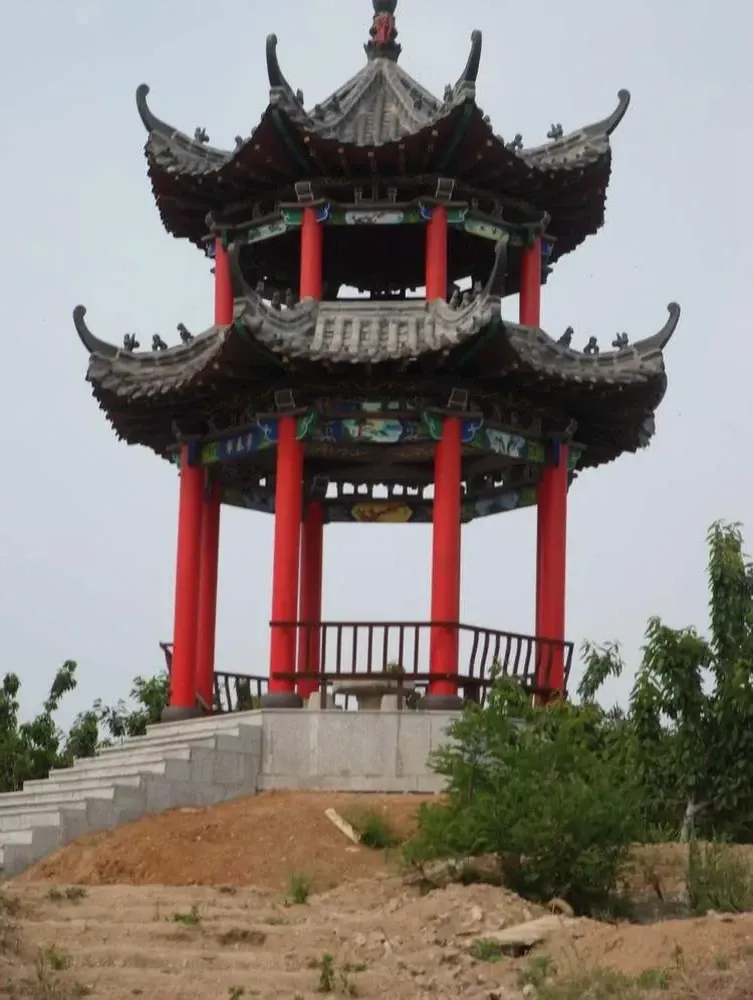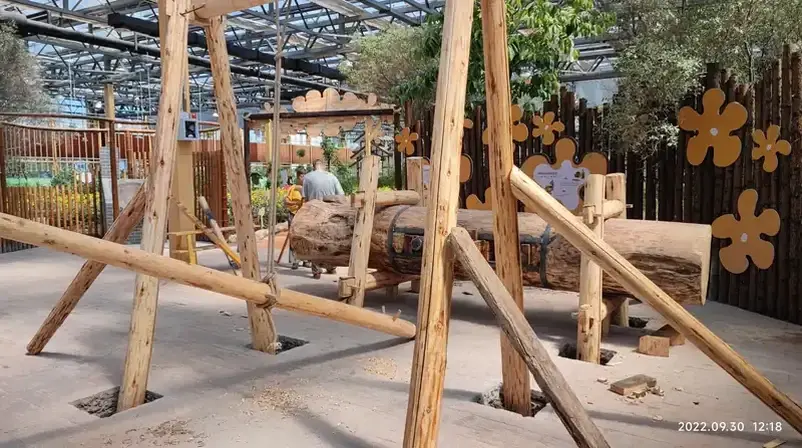

A once-ordinary village park in central China has been reborn as a must-visit cultural destination thanks to a complete heritage construction transformation. The project repurposed vacant green space into a museum complex featuring traditional wooden pavilions, antique corridors, hand-carved memorial gates, and a restored waterwheel courtyard. Visitors now travel specifically to experience this newly created cultural landmark. The site demonstrates how custom turnkey heritage construction can convert underutilized land into a heritage tourism destination that drives foot traffic, community engagement, and local economic growth. Our factory delivered this project end-to-endfrom architectural design and material selection through fabrication, on-site assembly, and finishingwith every wooden joint executed in authentic mortise-and-tenon technique.
A village history museum is a cultural tourism facility built to preserve and showcase local heritage, folklore, agricultural traditions, and historical narratives within architecturally authentic wooden structures. This turnkey heritage project converted a 3,200-square-meter vacant village park into a complete heritage tourism complex. The design incorporates a two-story memorial pavilion, a 40-meter open-sided corridor with decorative dougong brackets, a carved entrance archway, restored agricultural tool displays, and a functioning wooden waterwheel adjacent to a reflecting pool. Traditional building restoration standards guided every material decision and construction method. The entire project followed the principles outlined in the Yingzao Fashi (Building Standards of the Song Dynasty), one of the oldest surviving architectural treatises in the world, ensuring structural integrity alongside aesthetic authenticity.
The village government and local development committee identified a critical gap: the area had no dedicated cultural space to honor its agricultural heritage or attract visitors. Rather than importing prefabricated structures, they chose to commission custom heritage construction that would embed regional identity into every carved detail and timber joint. The resulting museum now serves as both a community gathering space and a rural tourism anchor that draws 5,000-plus visitors monthly.
This heritage construction project demonstrates the full scope of what a turnkey heritage contractor delivers when transforming cultural tourism spaces. Every element was fabricated using traditional techniques passed down through generations of Chinese master craftsmen. The memorial pavilion uses a hexagonal roof form with overlapping double-eave construction, featuring exposed dougong bracket sets beneath each eave level. These interlocking wooden brackets distribute roof load without nails or metal fastenersa technique documented in ancient texts including the Tiangong Kaiwu, which records traditional woodworking methods used across Chinese architectural history.
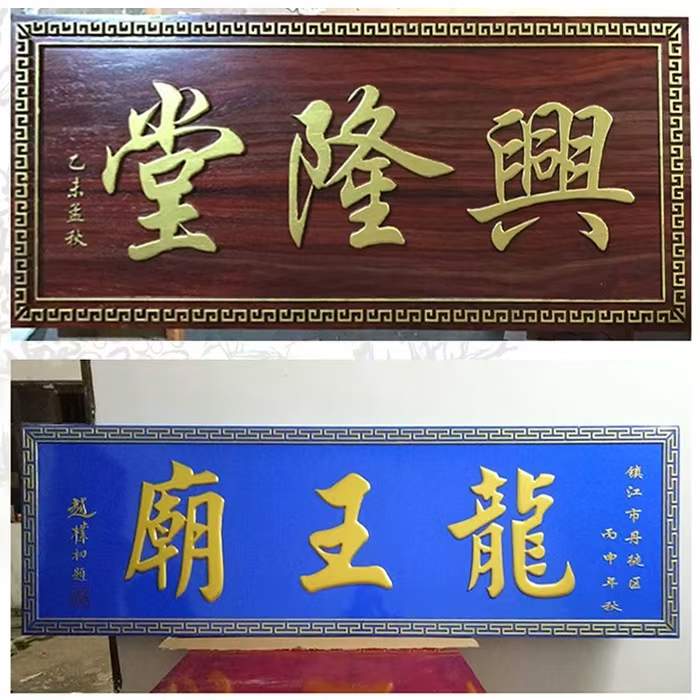
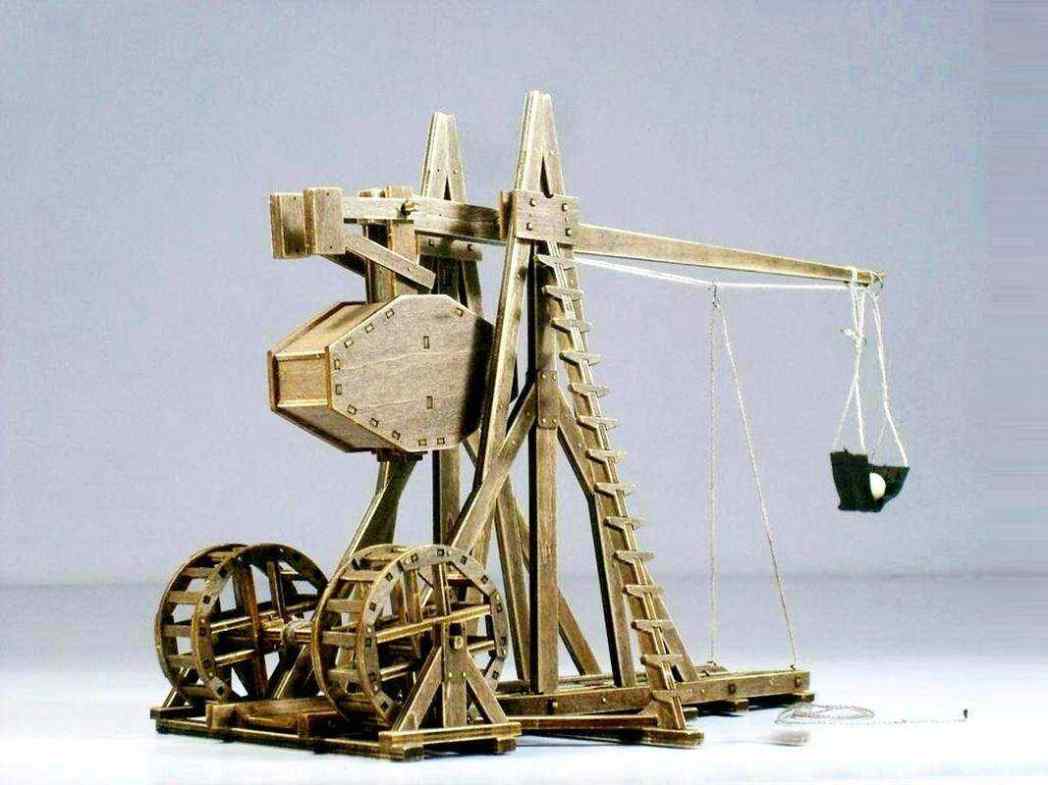
The 40-meter corridor connects the main exhibition hall to outdoor display zones and includes decorative pierced-carved windows, hanging fretwork panels, and hand-finished balustrades. The entrance archway was carved from single sections of premium timber and features classical Chinese inscription plaques flanking the central opening. The waterwheel, with a diameter of approximately 4.5 meters, operates as both a functional water-lifting mechanism and a kinetic sculpture. All wood underwent anti-corrosion treatment through pressure impregnation and traditional oil-finishing methods, extending structural lifespan beyond 30 years even in outdoor exposure conditions.
Our senior craftsman with 48 years of experience in traditional wooden architecture states that the most challenging phase of this project was matching regional carpentry details to the village’s specific historical period. Each carved motifcloud patterns, agricultural symbols, and folk decorative borderswas researched against local archival materials before production began. The result is a museum complex that reads as authentically rooted rather than generically.
| Project Type | Village history museum with heritage construction |
| Total Site Area | 3,200 square meters |
| Main Pavilion | Hexagonal double-eave, 6 meters diameter, 7.5 meters roof height |
| Corridor Length | 40 meters, 2.4 meters width, open-sided |
| Archway | Three-bay traditional gate, 8 meters total width, 6.5 meters height |
| Waterwheel Diameter | 4.5 meters, functional water-lifting design |
| Primary Timber | Fortified pine, cedar, and imported tropical hardwoods |
| Joinery Method | Mortise-and-tenon, zero metal fasteners in structural joints |
| Surface Finish | Traditional tung oil and natural wax, low-VOC protective coating |
| Fabrication Lead Time | 45 days from final drawing approval |
| On-Site Installation | 21 days with 6-person crew |
| Structural Lifespan | 30+ years with routine maintenance |
| Warranty | 5-year structural warranty, lifetime joint integrity guarantee |
Above parameters are based on the completed village museum project and support customization for heritage construction projects of any scale.
Heritage construction of this caliber serves multiple cultural tourism scenarios across the national style tourism project sector. A village history museum transforms vacant community land into a destination that combines education, recreation, and cultural preservation. The same turnkey heritage project methodology applies equally to ancient town renovation initiatives, rural revitalization construction programs, and standalone cultural park installations.
For cultural tourism planning, heritage construction delivers higher visitor dwell time and stronger social media sharing rates than conventional park amenities. The village history museum demonstrated measurable outcomes: after the heritage construction project opened, local guesthouse occupancy rates increased by 40 percent within six months, and municipal tourism revenue from the district rose by an estimated 28 percent year-over-year. Similar projects have been applied to restored folk craft villages, agricultural heritage centers, and ethnic cultural preservation sites.
The antique building contractor approach used herewhere a single heritage EPC contractor manages design, fabrication, and on-site assemblyreduces coordination risk compared to hiring multiple specialized trades. For government procurement and public park renovation, this single-contractor model ensures that restoration standards remain consistent across all structural elements, from foundation placement to final carved detail.
The turnkey heritage project delivery model covers every phase from initial concept to completed installation. The process begins with a site assessment and historical research period lasting approximately one week. Our design team studies available local archives, oral histories, and regional architectural traditions to establish an authentic design language before producing construction drawings. Once the client approves the master plan, detailed shop drawings are generated for each structural componentthe pavilion roof frames, corridor columns, archway elements, and waterwheel assembly.
Fabrication occurs at our factory facility, where each timber member is cut, fitted, and dry-assembled before disassembly for shipping. Every mortise-and-tenon joint is test-fitted to ensure a precision fit that requires no force during on-site reassembly. Packaging follows ISPM-15 export standards for wood materials, with each crate labeled by assembly sequence. On-site, our trained crew handles foundation anchoring, vertical column erection, horizontal beam placement, roofing installation, carving touch-ups, and final protective coating application.
According to our project management data, a heritage construction project of this scale typically requires 45 days of factory fabrication plus 21 days of on-site installation. The antique building contractor model eliminates the communication gaps that often delay projects involving multiple subcontractors, ensuring that the heritage building renovation fee remains transparent and predictable from initial quotation through final handover.
Q: How much does a village history museum heritage construction project cost?
A: The EPC project price depends on total site area, structural complexity, material selection, and customization depth. A standard small-scale heritage construction project for a village museum typically starts at $80,000 USD and scales upward based on element count and craftsmanship detail. We provide a detailed quotation after reviewing your site conditions and design requirements. Contact us with your project scope for an accurate estimate.
Q: Can you design a heritage museum for a site with existing landscape features?
A: Yes. Our cultural tourism planning team incorporates existing terrain, vegetation, and water features into the architectural layout. The village history museum case above preserved mature trees and integrated the waterwheel installation around an existing drainage channel rather than relocating it. Site-adaptive design is a standard part of the project scope definition phase.
Q: What restoration standards do you follow for traditional building restoration?
A: We reference the Yingzao Fashi for structural proportions and the Tiangong Kaiwu for woodworking technique documentation. Additionally, our work aligns with the Guidelines for the Conservation of Heritage Sites in China issued by the Ministry and Tourism, ensuring that heritage building renovation meets nationally recognized conservation standards while remaining suitable for modern public use.
Q: How long does the complete project take from inquiry to finished installation?
A: A typical turnkey heritage project requires 8 to 10 weeks total. This includes 1 week for site assessment and concept design, 2 weeks for detailed drawings and client approval, 45 days for factory fabrication, and 21 days for on-site installation. Expedited timelines are available for urgent rural revitalization construction and cultural tourism planning deadlines.
Q: Do you provide after-sales support and maintenance guidance?
A: Every heritage construction project includes a 5-year structural warranty, a lifetime guarantee on joint integrity, and a maintenance manual covering seasonal oiling schedules, inspection checkpoints, and seasonal expansion-contraction adjustments. Our team also provides remote technical consultation for the first year following installation.
Call/WhatsApp: +86 13883366528
Zhongyu Woodcraft – 48 Years Traditional Chinese Woodcraft Factory, Nationwide Installation
| Material | Solid timber (Chinese pine, eucalyptus, or premium wood options) |
|---|---|
| Treatment | ACQ pressure-treated, 50+ year outdoor lifespan |
| MOQ | 1 unit (sample order welcome) |
| Lead Time | 10-20 working days (sample); 20-40 days (bulk) |
| Shipping | FOB Chongqing. Worldwide shipping available |
Call / WhatsApp same number · Reply within 24 hours
☎ Hotline: +86 13883366528 (WhatsApp same number) · 💬 WhatsApp
几代老师傅 · 在线咨询
We will contact you within 24 hours.