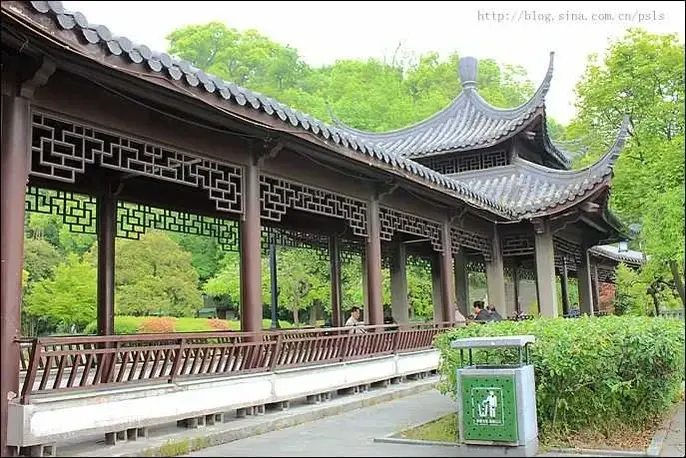

A traditional Chinese wooden memorial archway, known as Paifang or Paofang in Chinese, stands as one of the most iconic architectural elements in East Asian cultural heritage. These ornate wooden gate structures have served as symbolic entrances to temples, imperial buildings, ancestral halls, and important cultural sites for over a thousand years. At Zhongyu Woodcraft, we specialize in crafting authentic Paifang gates using time-honored mortise-and-tenon joinery techniques passed down through generations. Each archway is a testament to the rich architectural traditions of Chinese wooden construction, combining structural integrity with exquisite decorative artistry. Whether you are planning a cultural heritage project, a traditional garden, a museum installation, or a scenic destination entrance, our handcrafted wooden memorial archways bring timeless elegance and cultural depth to any space.
The origins of the Paifang archway can be traced back to the Han Dynasty (206 BC – 220 AD), where early forms called ‘Pailou’ served as ceremonial gate markers at tomb entrances and imperial complexes. Over centuries, these structures evolved from simple wooden posts supporting a horizontal beam into elaborate multi-tiered architectural masterpieces adorned with intricate carvings, upturned eaves, and decorative ridge ornaments. During the Tang and Song Dynasties, Paifang gates became symbols of scholarly achievement, marital virtue, and imperial favor, often erected to commemorate distinguished individuals or significant events. The Ming and Qing Dynasties marked the golden age of Paifang construction, with thousands erected across the empire in cities, villages, temples, and imperial gardens.
Traditional Paifang structures follow strict proportional systems rooted in ancient Chinese architectural treatises such as the ‘Yingzao Fashi’ (Construction Standards), compiled in 1103 AD during the Song Dynasty. These regulations governed everything from column spacing and beam dimensions to bracket set proportions and decorative element placement. The structural logic relies on a system of interlocking wooden components that distribute weight efficiently without relying on metal fasteners. A typical three-bay, three-tier Paifang gate can reach heights of 6 to 12 meters, with each tier featuring upward-curving roof edges supported by layered bracket sets known as ‘dougong’.
According to our senior craftsman with 48 years of experience in traditional wooden architecture, the Paifang represents the pinnacle of Chinese wooden engineering. The interplay between structural necessity and decorative expression in these gates creates a unique architectural language that has influenced wooden gate construction across Korea, Japan, and Vietnam. Modern replicas and custom Paifang gates continue this tradition, adapting ancient techniques to contemporary project requirements while preserving the essential aesthetic and structural principles.
Every wooden memorial archway we produce is built using authentic mortise-and-tenon joinery, the cornerstone of traditional Chinese wooden architecture. This system of interlocking wood joints eliminates the need for nails or metal fasteners in the primary structure, allowing the gate to expand and contract naturally with seasonal humidity changes while maintaining structural integrity for decades. Our craftsman carefully cuts each mortise hole and tenon projection by hand, achieving tolerances within 1 millimeter to ensure a snug, precise fit that will not loosen over time.
The construction process begins with selecting premium timber, typically using Chinese fir, cedar, or teak for outdoor installations due to their natural resistance to decay and insect damage. Each beam, column, and bracket component is kiln-dried to a moisture content of 12 to 15 percent before assembly, preventing warping and cracking after installation. The main structural framework follows a post-and-lintel system, with massive square or round columns set into stone bases and horizontal beams connecting them at each tier level. Between the beams and roof ridge, complex Dougong bracket sets transfer the roof load to the columns while creating the distinctive layered aesthetic that defines Paifang architecture.
Decorative elements are carved directly into the structural members or applied as separate ornamental pieces. Common carvings include dragon and phoenix motifs, floral patterns, symbolic animals, calligraphic inscriptions, and geometric lattice work. Our carving team works from traditional templates and can reproduce historical designs or create custom patterns to match specific cultural or thematic requirements. The surface finish typically involves applying multiple coats of penetrating wood oil or traditional lacquer, which protects the timber from UV degradation and moisture while enhancing the natural grain pattern. For projects requiring historical authenticity, we can apply aged patina finishes that replicate the appearance of centuries-old wooden structures.
The complete assembly process for a standard three-bay Paifang gate involves approximately 200 to 350 individual wooden components, each numbered and labeled for straightforward on-site construction. Pre-drilled alignment holes and templated joint locations ensure that even crews without specialized traditional carpentry training can assemble the structure accurately. All hardware used for secondary connections, such as stainless steel anchor bolts for securing columns to stone foundations, is concealed within the joint areas to maintain the authentic appearance of a fully joinery-built structure.
Traditional Chinese wooden memorial archways continue to play a vital role in contemporary cultural and commercial projects worldwide. For cultural heritage sites and museum installations, Paifang gates serve as powerful symbolic entrances that immediately communicate the historical and cultural context of a space. Scenic destinations and ancient town restoration projects frequently feature custom Paifang structures as landmark entrance markers, drawing visitors and enhancing the authenticity of the reconstructed environment. Resort and boutique hotel complexes incorporate these gates as decorative focal points in their landscaping, creating memorable photo opportunities and reinforcing a sense of place rooted in traditional aesthetics.
In urban public spaces, wooden memorial archways function as cultural landmarks and community gathering markers. Cities undertaking heritage corridor or cultural district revitalization projects often commission Paifang gates to mark the entrance to historic neighborhoods or cultural precincts. These structures also appear in botanical gardens, tea plantations, and traditional craft villages where they complement the surrounding landscape architecture and reinforce the cultural narrative of the site. For private residential gardens and estate entrances, custom-sized Paifang gates provide an elegant and culturally rich alternative to conventional garden arches or pergolas.
The versatility of the Paifang design allows it to be adapted across a wide range of scales and styles. A compact garden Paifang measuring 2.5 meters in width can serve as a charming entrance to a private courtyard, while a monumental 8-meter-wide ceremonial gate can anchor the approach to a temple complex or cultural center. The number of bays, tiers, and decorative elements can be adjusted to match the importance and scale of the project site. Each configuration follows traditional proportional rules while accommodating modern site conditions and engineering requirements such as wind load resistance and seismic stability.
Every wooden memorial archway we produce is fully customizable to meet the specific requirements of your project. We offer flexible options across structural dimensions, timber species, decorative carving themes, roof styles, and surface finishes. Our design team works closely with architects, landscape designers, and project managers to develop a Paifang gate that harmonizes with the existing architectural language of the site while meeting all functional and regulatory requirements.
Structural customization includes variations in the number of bays (one-bay, three-bay, or five-bay configurations), tier count (single-tier, double-tier, or triple-tier designs), column shape (square, round, or octagonal), and overall dimensions. We can produce gates ranging from 2 meters to over 12 meters in width, with heights adjusted proportionally to maintain classical aesthetic proportions. Roof styles include the traditional upturned eave form, the simpler flush-eave variant, and regional variations such as the Xie Shan Ding (shoulder-ridge) and Wu Shan Ding (five-ridge) roof types.
Material selection is guided by the project location and environmental conditions. For humid coastal regions, we recommend dense hardwoods such as teak or merbau. In temperate climates, Chinese fir or cedar provides excellent durability with a favorable cost-to-performance ratio. All timber undergoes professional kiln drying and can be treated with eco-friendly preservatives to extend service life in demanding outdoor conditions. Carving programs can range from minimal classical ornamentation to fully sculpted surfaces featuring dragons, clouds, lotus patterns, or custom inscriptions in traditional Chinese calligraphy.
One of our recent projects involved designing and manufacturing a custom three-bay, double-tier wooden memorial archway for a cultural heritage tourism development in a historic water town destination. The client required a gate structure that would serve as the ceremonial entrance to a restored ancient street corridor, blending seamlessly with the surrounding Ming and Qing dynasty architectural context. The final design featured a total width of 7.2 meters, a height of 8.5 meters, and was constructed from premium kiln-dried Chinese fir with hand-carved dragon and cloud motifs on the upper tier beams.
The project was completed in 28 days from design approval to factory shipment, with all 287 individual components numbered and packed into two standard shipping containers. On-site assembly was completed by a local crew following our detailed installation manual and video guidance within 5 working days. The gate has since become the iconic landmark of the heritage site, attracting thousands of visitors annually and featured in regional tourism promotional materials. The client reported that the structure has maintained its appearance and structural integrity after two full seasons of outdoor exposure with only routine maintenance application.
| Specification | Details |
| Product Name | Traditional Chinese Wooden Memorial Archway (Paifang Gate) |
| Material Options | Chinese fir, cedar, teak, merbau, or custom hardwood |
| Construction Method | Traditional mortise-and-tenon joinery, no metal fasteners in structure |
| Standard Width Range | 2.5m to 12m (custom sizes available) |
| Standard Height Range | 4m to 14m (custom sizes available) |
| Bay Configurations | 1-bay, 3-bay, 5-bay |
| Tier Options | Single-tier, double-tier, triple-tier |
| Timber Moisture Content | 12% to 15% (kiln-dried) |
| Carving Style | Hand-carved dragon, phoenix, floral, geometric, or custom designs |
| Surface Finish | Wood oil, traditional lacquer, or aged patina finish |
| Production Lead Time | 20 to 35 days (depending on size and complexity) |
| Shipping | FCL/LCL container shipping, professional packaging |
| Assembly Support | Numbered parts, illustrated manual, video guidance included |
| Warranty | Structural warranty available upon request |
Q: What is the typical cost range for a custom wooden Paifang gate?
A: The price of a traditional wooden memorial archway depends on size, material selection, carving complexity, and tier configuration. A standard three-bay double-tier gate in Chinese fir typically ranges from USD 8,000 to USD 25,000 for the structure alone. Premium hardwoods like teak and elaborate hand-carved programs will increase the cost. We provide detailed quotations with itemized specifications within 24 hours of receiving your project requirements.
Q: How long does production and shipping take?
Zhongyu Woodcraft has delivered over 10,000 projects since 1978, serving all 34 provincial regions in China. Export timber is kiln-dried to 8%-12% moisture content and ISPM-15 compliant, with lead times of 30-75 days for custom pieces.
Q: Are you a factory or a middleman?
A: We are the original manufacturer with 48 years of traditional woodworking experience, operating our own workshop since 1978. Factory-direct pricing means no middleman markup.
Call/WhatsApp: +86 13883366528
Zhongyu Woodcraft – 48 Years Traditional Chinese Woodcraft Factory, Nationwide Installation
| Material | Solid timber (Chinese pine, eucalyptus, or premium wood options) |
|---|---|
| Treatment | ACQ pressure-treated, 50+ year outdoor lifespan |
| MOQ | 1 unit (sample order welcome) |
| Lead Time | 10-20 working days (sample); 20-40 days (bulk) |
| Shipping | FOB Chongqing. Worldwide shipping available |
Call / WhatsApp same number · Reply within 24 hours
☎ Hotline: +86 13883366528 (WhatsApp same number) · 💬 WhatsApp
几代老师傅 · 在线咨询