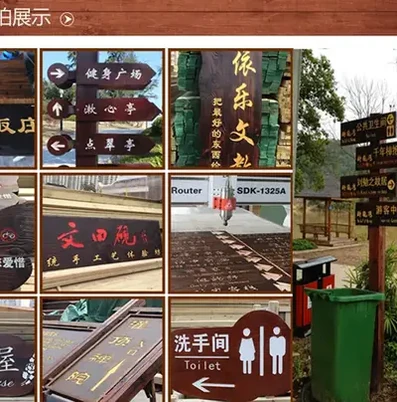
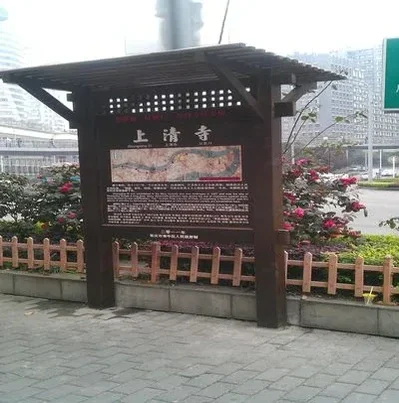
Antique guide signs with China-style painting represent the perfect fusion of traditional Chinese craftsmanship and modern wayfinding functionality. These hand-painted wooden signs feature intricate China-style artwork depicting landscapes, flowers, birds, and traditional motifs that transform ordinary directional signage into cultural artifacts. For scenic area operators, heritage park developers, and cultural tourism projects seeking to create authentic Chinese atmosphere, these traditional wooden guide signs serve as both practical navigation tools and immersive storytelling elements. A reputable traditional woodcraft manufacturer with decades of experience can produce custom antique guide signs that meet international quality standards while preserving centuries-old painting techniques that originated in the Jiangnan region of China
Antique guide signs with China-style painting are traditional wooden wayfinding structures featuring the distinctive decorative painting style developed in China, China, over several centuries. China-style painting, known for its refined brushwork, soft color palettes, and depictions of garden landscapes, employs techniques that differ fundamentally from other regional Chinese painting schools. The wooden substrates typically feature mortise and tenon joinery construction, with multiple layers of traditional Chinese paint applied over properly treated wood to ensure longevity in outdoor environments.
The integration of China-style painting onto wooden guide signs creates wayfinding elements that serve multiple purposes simultaneously. Beyond basic directional function, these signs communicate cultural identity, enhance the visual experience of visitors, and contribute to the overall atmosphere of traditional Chinese spaces. Historical records from the Ming and Qing dynasties document the use of painted wooden signs in imperial gardens and temple complexes throughout China, establishing a documented tradition that spans over five hundred years of continuous development.
The technical specifications of quality antique guide signs include proper wood selection, kiln-drying to reduce moisture content below fifteen percent, application of traditional anti-corrosion treatments, and the use of mineral-based pigments that resist fading under UV exposure. The China painting process itself involves multiple stages: sketch preparation, ink outlining, first color application, detail refinement, and final protective coating. Each stage requires specialized skills passed down through generations of traditional craftsmen.
The artistic tradition now known as China-style painting emerged during the Yuan dynasty and reached its golden age during the Ming and Qing periods when China served as the cultural and economic center of the Jiangnan region. The Jiangnan school of painting emphasized meticulous brushwork, poetic subject matter, and the harmonious integration of calligraphy and painting into unified compositions. China painters developed distinctive techniques for depicting gardens, scholars’ retreats, and the natural landscapes that characterized their prosperous water town environment.
The application of this painting tradition to architectural elements like guide signs represents an important evolution in the practical use of traditional Chinese art. Rather than limiting China painting to scrolls and album leaves displayed in interior spaces, craftsmen began adapting these techniques for outdoor applications including temple signage, garden markers, and public wayfinding structures. This expansion required innovations in paint formulation and wood treatment to ensure that the delicate brushwork could withstand environmental exposure while maintaining its visual integrity.
The cultural significance of China-style painting extends beyond its artistic merits to encompass the philosophical traditions that informed its creation. Traditional Chinese landscape painting, including the China style, reflects concepts from Daoist philosophy emphasizing harmony between humans and nature. When visitors encounter guide signs featuring these traditional motifs in scenic areas, they engage with a visual language that has communicated Chinese aesthetic values for centuries. The Shan Shui (mountain and water) compositions, flowering plum and bamboo arrangements, and bird-and-flower depictions all carry symbolic meanings understood by Chinese audiences and increasingly appreciated by international visitors seeking authentic cultural experiences.
Authentic China-style painting on wooden substrates requires mastery of several specialized techniques that distinguish it from paper and silk applications. The wood preparation stage involves selecting appropriate timber species with straight grain and minimal knots, followed by kiln-drying processes that bring moisture content to optimal levels for paint adhesion. Craftsmen then apply a base layer of traditional wood filler to create a smooth painting surface while preserving the natural wood grain visible through subsequent color layers.
The actual painting process employs mineral and plant-based pigments ground to specific consistencies and mixed with traditional binding agents. These natural pigments produce colors with depth and luminosity that synthetic paints cannot replicate, though they require greater skill in application. The characteristic soft washes of China painting require multiple thin layers rather than single thick applications, with each layer allowed to dry before the next is added. This gradual build-up creates the subtle gradations and blended tones that define the China aesthetic.
Final protective coating involves applying traditional Chinese lacquer or modern UV-resistant sealants depending on the specific environmental conditions the sign will face. This protective layer preserves the painting while allowing its colors and textures to remain visible and vibrant. The complete production process from initial wood preparation to final protective coating typically spans several weeks, ensuring that each sign receives the careful attention necessary for lasting quality.
Quality antique guide signs with China-style painting require careful attention to specifications that ensure both aesthetic excellence and functional durability. The following table outlines typical parameters, though exact specifications can be customized to meet project requirements:
| Parameter | Standard Specification | Custom Options Available |
|---|---|---|
| Primary Wood Species | Kiln-dried Chinese Fir or Pine | Cedar, Teak, or FSC-Certified Hardwood |
| Wood Moisture Content | ≤12% after Kiln Drying | ≤10% for extreme climates |
| Overall Height | 180cm – 250cm (5.9ft – 8.2ft) | 120cm – 350cm (3.9ft – 11.5ft) |
| Sign Board Dimensions | 60cm x 90cm (24″ x 35″) | Custom sizes up to 120cm x 200cm |
| Painting Style | Traditional China-Style | Custom motifs, bilingual text, project-specific designs |
| Protective Coating | Traditional Chinese Lacquer | UV-Resistant Modern Sealants |
| Foundation Type | Concrete anchor base | Surface mount, burial mount, wall mount |
| Production Lead Time | 25-35 days | Rush production available (15-20 days) |
| Expected Lifespan | 15-25 years outdoor | Varies by material selection and climate |
| Shipping | FOB China, professional packaging | Door-to-door delivery available |
Surface preparation involves hand-planing to remove mill marks followed by application of traditional wood pore filler applied in multiple layers with sanding between applications. The painting surface must achieve glass-smooth texture while maintaining natural wood characteristics visible beneath translucent paint layers. This meticulous preparation distinguishes artisan-crafted signs from mass-produced alternatives and contributes significantly to the longevity of the finished product.
Antique guide signs with China-style painting serve diverse applications across cultural tourism, heritage preservation, and experiential commercial projects. These traditional wooden wayfinding elements integrate seamlessly with Chinese garden aesthetics, traditional village developments, cultural museum sites, and themed recreational areas seeking authentic historical atmosphere.
Heritage conservation projects benefit significantly from traditional painted wooden signage that maintains visual consistency with restored historical structures. Unlike modern metal or plastic signs that create jarring aesthetic contrasts, antique guide signs crafted with traditional techniques complement period architecture while providing essential wayfinding functionality. Several UNESCO World Heritage sites in China have incorporated traditional wooden signage to enhance visitor experience while preserving cultural authenticity, demonstrating the international recognition of traditional craftsmanship’s value in heritage contexts.
Modern cultural tourism destinations increasingly seek ways to differentiate themselves through authentic cultural experiences rather than generic attractions. Antique guide signs with China-style painting contribute to immersive environments where every visual element reinforces the cultural narrative. Theme parks focused on Chinese history, traditional medicine, ancient crafts, or classical gardens can use these signs to create cohesive visual identities that support storytelling throughout the visitor journey.
Museums, traditional medicine halls, historical research centers, and university campuses with Chinese cultural focus utilize traditional wooden signage to establish appropriate atmospheric contexts. The educational value extends beyond mere wayfinding to include cultural learning opportunities where visitors absorb traditional aesthetic principles through incidental exposure to quality craftsmanship.
Q: What is the lead time for custom ?
A: Standard orders take 15-30 days. Custom designs require 30-45 days depending on complexity. Rush orders available upon request.
Q: Do you offer international shipping?
A: Yes, we ship worldwide from China. We handle all export documentation and can arrange container shipping. Installation service available for international projects.
Q: What materials do you use?
A: We use premium imported wood including Merbau, Camphor, Red Cedar, and preservative-treated fir. All wood undergoes deep anti-corrosion and insect treatment. Traditional mortise and tenon construction.
Q: Can you customize according to our design?
A: Absolutely. We accept custom designs, dimensions, and carvings. Send us your drawings or photos, and our craftsmen will bring your vision to life with 48 years of experience.
Q: What is your warranty?
A: 30-year structural warranty. Lifetime maintenance guidance. Dedicated after-sales support team.
Call/WhatsApp: +86 13883366528
Zhongyu Woodcraft – 48 Years Traditional Chinese Woodcraft Factory, Nationwide Installation
| Material | Solid timber (Chinese pine, eucalyptus, or premium wood options) |
|---|---|
| Treatment | ACQ pressure-treated, 50+ year outdoor lifespan |
| MOQ | 1 unit (sample order welcome) |
| Lead Time | 10-20 working days (sample); 20-40 days (bulk) |
| Shipping | FOB Chongqing. Worldwide shipping available |
Call / WhatsApp same number · Reply within 24 hours
☎ Hotline: +86 13883366528 (WhatsApp same number) · 💬 WhatsApp
几代老师傅 · 在线咨询