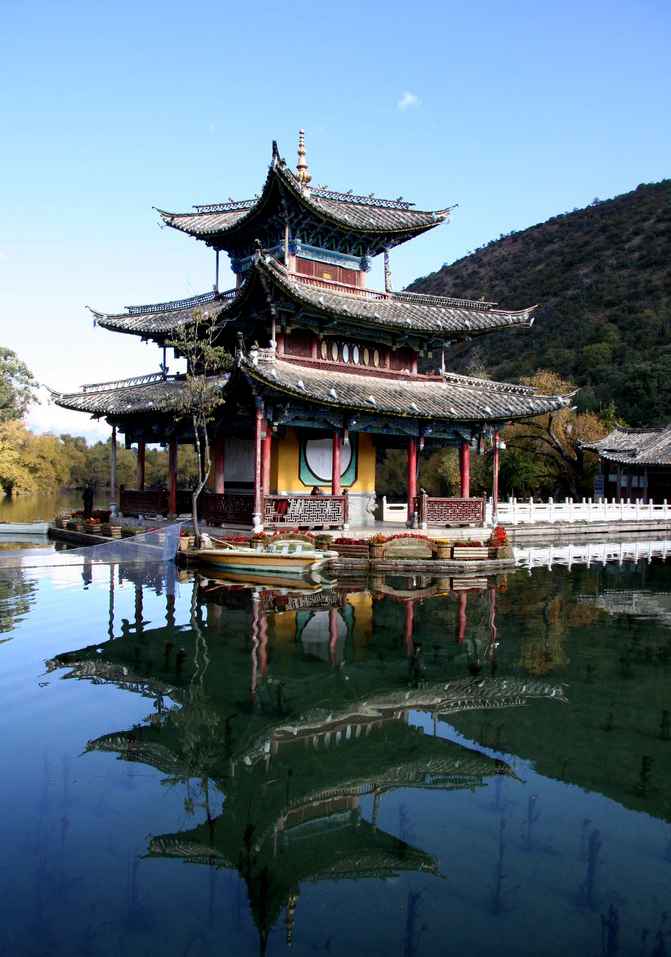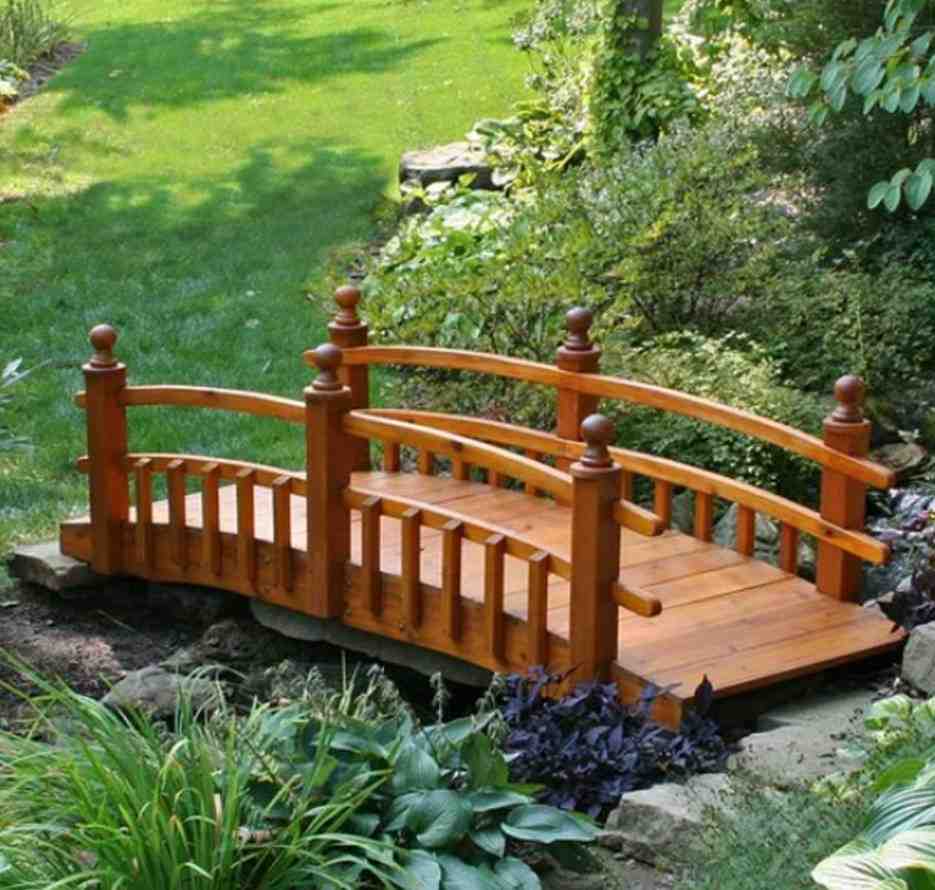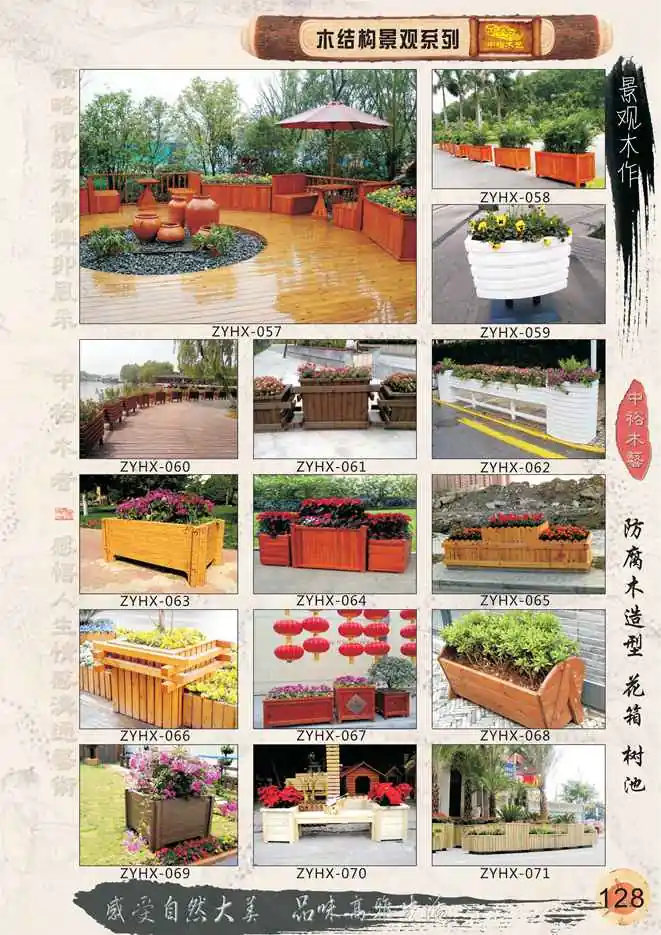
Custom wooden flower boxes and planters are versatile garden elements that add beauty, color, and greenery to any outdoor space while providing functional growing areas for flowers, herbs, vegetables, and ornamental plants. With a history spanning thousands of years across many cultures, wooden planters have evolved from simple utilitarian containers to sophisticated design elements that enhance the landscape and reflect the style of the property. At Zhongyu Woodcraft, we build custom wooden flower boxes, planters, and garden troughs using traditional joinery and premium materials, serving residential, commercial, and municipal clients worldwide with sizes ranging from small window boxes to large raised garden beds and custom-designed planter systems.
Flower boxes and planters serve multiple important functions in the garden and landscape. They provide portable growing areas that can be moved to follow the sun, change with the seasons, or rearrange for special events. They allow gardening in locations without suitable soil, such as patios, decks, balconies, rooftops, and paved areas. They provide accessible gardening at comfortable heights, reducing strain on backs and knees for elderly or disabled gardeners. They define spaces and create visual interest in the landscape, serving as focal points, borders, or dividers. And they protect plants from pests, weeds, and poor soil conditions, providing a controlled growing environment for optimal plant health.
In traditional Chinese culture, planters and flower containers have a long and rich history. The classical Chinese garden often featured pen jing (, bonsai) and hua pen (, flower pots) as important design elements, with carefully selected plants displayed in elegant containers that complemented the overall garden composition. Traditional Chinese planters were often made of wood, stone, ceramic, or bronze, with wooden planters particularly valued for their natural beauty and ability to blend with the garden environment. The famous classical novel Dream of the Red Chamber describes elaborate garden plantings and flower displays in the Grand View Garden, reflecting the importance of ornamental horticulture in traditional Chinese culture.
Modern wooden flower boxes and planters combine these ancient design principles with contemporary materials, construction techniques, and functional features. Our planters feature traditional mortise and tenon joinery for strength and durability, ACQ pressure treatment or naturally durable hardwoods for long-lasting performance in wet soil conditions, and custom designs tailored to your specific plants, space, and aesthetic preferences. Whether you need a small window box for herbs and flowers, a medium planter for a patio display, a large raised bed for vegetable gardening, or a custom-designed planter system for a commercial property, we can create the perfect solution for your needs.
| Feature | Specification | Options |
|---|---|---|
| Product Type | Window boxes, planter boxes, garden troughs, raised beds, barrel planters, custom planters | Custom types available |
| Size Range | Window boxes: 30-120cm long; Planters: 30-200cm; Raised beds: 1-4m square; custom any size | Custom any size |
| Height Range | 15cm (low planters) to 100cm (tall raised beds); standard 30-60cm | Custom heights |
| Wall Thickness | Standard 2.5cm (1″), heavy-duty 3.8cm (1.5″), custom | Custom thickness |
| Wood Species | ACQ pine, Chinese fir, cedar, camphor, merbau, teak, white oak, redwood, cypress | Custom species |
| Treatment | ACQ pressure-treated (safe for edibles), naturally durable, KDAT, food-safe finish | Custom treatment |
| Joinery | Traditional mortise and tenon, box joints, finger joints, no visible nails or screws | Hidden fasteners available |
| Lining | Landscape fabric, food-safe plastic, copper, stainless steel, none (for naturally durable wood) | Custom lining options |
| Drainage | Pre-drilled drainage holes, drainage layer, elevated base, self-watering reservoir (optional) | Custom drainage systems |
| Finish | Natural, food-safe oil, exterior stain, paint, weathered, whitewashed, charred (shou sugi ban) | Custom colors and finishes |
| Optional Features | Built-in trellis, seating edges, shelves, wheels/casters, irrigation channels, labels, covers | Custom features |
| Shape Options | Rectangular, square, round, hexagonal, octagonal, L-shaped, U-shaped, custom curved | Custom shapes |
| Base Options | Flat base, elevated legs, wheels, stone base, surface mount, adjustable feet | Custom base options |
| Installation | Ready to use (pre-assembled), or flat-pack with instructions | Pre-assembled standard |
Every planter we build is custom-designed for your specific plants, space, aesthetic preferences, and budget. Our design team considers factors such as plant type (flowers, herbs, vegetables, shrubs, trees), root depth requirements, sun exposure, water drainage needs, available space, and architectural style to create a planter that meets your specific needs. We use food-safe materials and finishes for planters intended for edible gardens (herbs, vegetables, fruits), ensuring that no harmful chemicals leach into the soil or food. All planters are fully assembled and inspected in our workshop before shipping, ensuring that all joints fit correctly and the planter is water-tight and structurally sound.
| Type | Characteristics | Best For | Typical Size |
|---|---|---|---|
| Window Box | Narrow, long, mounts under windows or on railings | Window sills, balcony railings, herbs, flowers | 30-120cm long x 15-25cm wide |
| Planter Box | Rectangular, medium depth, versatile | Patios, decks, entryways, flowers, herbs | 40-100cm long x 30-50cm wide |
| Garden Trough | Large, deep, heavy-duty, rustic | Large plants, shrubs, small trees, vegetable gardens | 100-200cm long x 50-80cm wide |
| Raised Bed | Large, tall, open bottom, sits on ground | Vegetable gardens, herb gardens, accessible gardening | 1-4m long x 1-2m wide x 30-80cm tall |
| Barrel Planter | Round, rustic, traditional whiskey barrel style | Trees, large shrubs, rustic gardens, patios | 40-80cm diameter x 40-80cm tall |
| Hexagonal/Octagonal | Multi-sided, decorative, traditional | Formal gardens, entryways, specimen plants | 40-100cm diameter x 40-80cm tall |
| Tiered Planter | Multiple levels, cascading, space-saving | Small spaces, herbs, strawberries, flowers | 60-120cm wide x 60-120cm tall |
| Planter with Trellis | Planter base with built-in trellis for climbing plants | Climbing roses, clematis, beans, peas, cucumbers | 60-120cm wide x 150-250cm tall |
| Wheelchair-Accessible | Tall, open base, accessible from all sides | Disabled gardeners, senior gardens, community gardens | 1-2m long x 0.8-1m wide x 0.7-0.9m tall |
| Self-Watering Planter | Built-in water reservoir, wicking system | Busy gardeners, vacations, commercial spaces | Various sizes |
| Custom Commercial Planter | Large, durable, custom design, branding options | Hotels, restaurants, shopping centers, parks, municipalities | Custom any size |
Each planter type serves a specific purpose and creates a different effect in the garden. A window box adds instant color and charm to the exterior of a home, brightening up windows and railings with flowers and herbs. A medium planter box is versatile and can be used on patios, decks, and entryways to display flowers, herbs, or small shrubs. A garden trough provides a large, deep growing area for bigger plants, shrubs, or small trees, with a rustic look that complements traditional and cottage gardens. A raised bed is ideal for vegetable and herb gardening, providing a controlled soil environment at a comfortable working height that reduces strain on the back and knees. A barrel planter creates a rustic, traditional look that is perfect for specimen plants and trees.
A tiered planter maximizes growing space in small areas, with multiple levels that allow different plants to receive optimal sun exposure. A planter with a built-in trellis provides support for climbing plants, creating a vertical garden element that adds height and interest to the landscape. A wheelchair-accessible raised bed allows disabled and elderly gardeners to enjoy gardening from a seated position, with open bases that allow wheelchair access and comfortable working heights. A self-watering planter with a built-in reservoir reduces watering frequency and ensures consistent moisture, perfect for busy gardeners or commercial spaces. Our design team can help you select the perfect planter type for your specific needs, or create a completely custom design that matches your vision.
| Wood Species | Density | Planter Lifespan | Food Safe | Price Level |
|---|---|---|---|---|
| ACQ Pressure-Treated Pine | 0.50 g/cm³ | 15-25 years | Yes (ACQ is food-safe) | Budget-friendly |
| Chinese Fir | 0.45 g/cm³ | 10-15 years | Yes (natural) | Budget-friendly |
| Western Red Cedar | 0.38 g/cm³ | 15-20 years | Yes (natural, chemical-free) | Mid-range |
| Camphor Wood | 0.55 g/cm³ | 15-20 years | Yes (natural insect resistance) | Mid-range |
| Cypress | 0.48 g/cm³ | 20-30 years | Yes (natural rot resistance) | Mid-range |
| White Oak | 0.68 g/cm³ | 15-25 years | Yes (natural, tight grain) | Mid-high |
| Redwood | 0.40 g/cm³ | 20-30 years | Yes (natural, chemical-free) | Premium |
| Merbau | 0.85 g/cm³ | 25-40 years | Yes (natural durability) | Premium |
| Teak | 0.65 g/cm³ | 30-50 years | Yes (legendary durability) | Premium |
Wood selection for planters is particularly important because planters are exposed to constant moisture from wet soil, making them more susceptible to rot and fungal decay than other outdoor wooden structures. ACQ pressure-treated pine is our most popular option for planters because it offers excellent rot and insect resistance at an affordable price, and ACQ treatment is recognized as safe for edible gardens by regulatory bodies worldwide. Western Red Cedar is another popular choice, especially for clients who prefer natural, chemical-free wood. Cedar has natural rot and insect resistance, a beautiful grain, and a pleasant aromatic scent that naturally repels some insects. Cypress is an excellent choice for planters because of its natural rot resistance and durability in wet conditions, with a beautiful golden-brown color that weathers to a silver-gray patina.
For premium and high-end planters, Redwood, Merbau, and Teak offer exceptional natural durability and beauty without chemical treatment. Redwood is a classic choice for high-end planters, with a beautiful rich red color and natural rot resistance that performs well in wet soil conditions. Merbau’
s dense, rich reddish-brown wood is extremely durable and resistant to rot, insects, and moisture, making it ideal for planters that will be constantly wet. Teak is the gold standard for outdoor wooden planters, with legendary durability, natural oils that resist moisture and insects, and a beautiful golden-brown color that weathers to a silver-gray patina. Teak planters can last 30-50 years or more with minimal maintenance, making them a worthwhile investment for high-end residential and commercial projects. For edible gardens, we recommend using a food-safe liner (landscape fabric or food-safe plastic) inside all planters to create an additional barrier between the wood and soil, regardless of wood species. We provide personalized wood recommendations based on your specific plants, budget, aesthetic preferences, and whether the planter will be used for edible or ornamental plants.
| Factor | Zhongyu Woodcraft | Typical Planter Company | Big Box Store |
|---|---|---|---|
| Craftsmanship | Hand-built by master craftsmen, traditional joinery | Machine-made, nails and screws | Mass-produced, low quality |
| Custom Design | Full custom design, any size, any shape, any wood | Limited standard sizes and shapes | Standard sizes only, no customization |
| Wood Quality | Hand-selected, kiln-dried, pressure-treated, seasoned | Variable quality, may be green | Cheapest available, often poor quality |
| Joinery | Traditional mortise and tenon, box joints, no visible fasteners | Nails, screws, brackets visible | Nails and screws only |
| Food Safety | Food-safe materials and finishes for edible gardens | May use unsafe treatments or finishes | Often uses cheap, potentially unsafe materials |
| Drainage Design | Engineered drainage systems, pre-drilled holes, elevated bases | Basic or no drainage, may cause root rot | Minimal or no drainage |
| Lining Options | Food-safe liners, copper, stainless steel, landscape fabric | Basic plastic or no liner | No liner or cheap plastic |
| Pre-Assembly | Fully assembled and inspected before shipping | Flat-pack, customer assembles | Flat-pack, customer assembles |
| Warranty | 10-year structural warranty, lifetime joinery guarantee | 1-2 year warranty | 90-day to 1-year warranty |
Our workshop in China includes dedicated areas for planter design, timber processing, pressure treatment, joinery, assembly, finishing, and quality control. We maintain an inventory of kiln-dried, ACQ-treated timber in various species and sizes, allowing us to start production immediately upon order confirmation. Every planter is fully assembled in our workshop before shipping, allowing us to verify that all joints fit correctly, the planter is square and water-tight, and the quality meets our standards. We then apply the finish, install the liner and drainage system, and package the planter for shipping with detailed planting and maintenance instructions.
For international clients, we offer worldwide shipping. Planters are carefully packaged with foam protection and ISPM-15 certified heat-treated wooden crates or pallets to prevent damage during transit. We optimize container loading to minimize shipping costs and maximize the number of planters per container. We handle all export documentation including commercial invoice, packing list, certificate of origin, and phytosanitary certificate. Our planters are shipped pre-assembled and ready to use, so you can start planting immediately upon receipt. For large commercial orders, we can provide just-in-time delivery sequencing and custom packaging for retail display. We stand behind our products with a comprehensive warranty and lifetime technical support, ensuring your satisfaction for years to come.
Q: How much does a custom wooden flower box or planter cost?
A: Prices vary depending on size, wood species, design complexity, lining, drainage, and optional features. As a rough guide: Small window box (30-60cm, ACQ pine): $30-$80; Medium window box (60-120cm, ACQ pine): $60-$150; Small planter box (40-60cm, cedar): $50-$120; Medium planter box (60-100cm, cedar or redwood): $100-$250; Large garden trough (100-200cm, ACQ pine): $150-$400; Large garden trough (100-200cm, cedar or redwood): $300-$700; Small raised bed (1x1m, ACQ pine): $80-$200;
Medium raised bed (2x1m, cedar): $200-$400; Large raised bed (3×1.5m, redwood): $400-$800; Barrel planter (40-60cm, cedar): $80-$200; Custom commercial planter (large, premium): $500-$3,000+; Planter with trellis: +$100-$300; Self-watering system: +$50-$150; Wheels/casters: +$30-$80. Shipping is additional. We offer volume discounts for orders of multiple planters and large commercial projects. Contact us with your specifications for a detailed quotation within 48 hours.
Q: How long does a wooden planter last, and how do I extend its life?
A: The lifespan of a wooden planter depends on the wood species, treatment, maintenance, and environmental conditions. As a general guide: ACQ pressure-treated pine: 15-25 years; Chinese fir: 10-15 years; Western red cedar: 15-20 years; Cypress: 20-30 years; Redwood: 20-30 years; Merbau: 25-40 years;
Teak: 30-50 years. To extend the life of your planter: 1) Use a liner (landscape fabric or food-safe plastic) to create a barrier between wet soil and wood; 2) Ensure proper drainage with pre-drilled holes and a drainage layer (gravel or expanded clay) at the bottom; 3) Elevate the planter off the ground with feet or a base to allow air circulation and prevent standing water;
4) Apply a food-safe exterior finish (oil or stain) every 1-2 years to protect the wood from UV damage and moisture; 5) Avoid overwatering, which keeps the wood constantly wet and accelerates rot; 6) Inspect annually for signs of rot, especially at the base and corners where water tends to collect;
7) For raised beds that sit directly on the ground, use a ground barrier (landscape fabric or gravel) to prevent direct soil contact and weed growth. With proper care and maintenance, a well-built wooden planter can provide decades of beautiful growing space.
Q: Are wooden planters safe for growing vegetables, herbs, and other edible plants?
A: Yes, wooden planters are safe for growing edible plants when the right materials and finishes are used. For edible gardens, we recommend: 1) Wood species: Naturally durable woods (cedar, cypress, redwood, teak, merbau) are ideal because they require no chemical treatment. ACQ pressure-treated pine is also safe for edible gardens ACQ contains only copper and quaternary ammonium compounds, which are recognized as safe for food contact by regulatory bodies including the US EPA and EFSA.
We do NOT recommend using older CCA-treated wood (which contains arsenic and chromium) for edible gardens, though this has been phased out for residential use in most countries since 2004. 2) Liners: Use a food-safe liner (landscape fabric, food-grade HDPE plastic, or stainless steel) inside the planter to create a physical barrier between the wood and soil.
This provides an extra layer of protection and also extends the life of the planter by preventing direct soil contact. 3) Finishes: Use only food-safe finishes on the interior of edible planters. We recommend food-grade linseed oil, hemp oil, or beeswax for interior surfaces. Exterior surfaces can be finished with exterior-grade stains or paints as long as they do not come into contact with soil or plants.
4) Soil: Use high-quality, organic potting soil or garden soil, and avoid using soil that may be contaminated with lead or other heavy metals (especially if using an old or reclaimed planter). 5) Drainage: Ensure proper drainage to prevent waterlogging, which can lead to root rot and other plant diseases.
With these precautions, wooden planters are a safe and beautiful option for growing your own food.
Q: What size planter do I need for my plants?
A: Planter size depends on the type of plants you want to grow, their root system, and the number of plants. As a general guide: Herbs (basil, parsley, cilantro, mint, thyme, rosemary): Minimum 15cm deep, 15-20cm per plant; mint should be in its own pot as it is invasive. Lettuce and leafy greens: Minimum 15-20cm deep, 15-20cm per plant.
Tomatoes: Minimum 30-40cm deep, 30-45cm per plant; indeterminate varieties need support (cage or trellis). Peppers: Minimum 25-30cm deep, 25-30cm per plant. Cucumbers: Minimum 25-30cm deep, 30-45cm per plant; need trellis support. Beans (bush): Minimum 20-25cm deep, 15cm per plant. Beans (pole): Minimum 25-30cm deep, 15cm per plant;
need trellis support. Carrots: Minimum 25-30cm deep (for long varieties), 5cm between plants. Radishes: Minimum 15-20cm deep, 5cm between plants. Strawberries: Minimum 15-20cm deep, 20-30cm per plant. Flowers (annuals): Minimum 15-20cm deep, 15-25cm per plant depending on size. Flowers (perennials): Minimum 25-40cm deep, 30-60cm per plant depending on size.
Shrubs: Minimum 40-60cm deep and wide, one shrub per planter. Small trees: Minimum 60-80cm deep and wide, one tree per planter. As a general rule, larger planters are better because they hold more soil, which retains moisture and nutrients better, provides more room for root growth, and is more stable.
We recommend choosing the largest planter that fits your space and budget for optimal plant health. Contact us with your specific plant list and we will recommend the perfect planter size and configuration.
Q: Do I need to line my wooden planter, and what is the best liner?
A: Lining a wooden planter is highly recommended for several reasons: 1) It creates a physical barrier between wet soil and the wood, significantly extending the life of the planter by preventing direct moisture contact and rot. 2) It prevents soil from washing out through drainage holes and joints.
3) It prevents wood preservatives or finishes from leaching into the soil (especially important for edible gardens). 4) It makes cleaning and replanting easier. The best liner depends on your needs: Landscape fabric (geotextile): The most popular and economical option. It allows water to drain freely while holding soil in, and it is breathable to prevent root rot.
It is safe for edible gardens and will last 5-10 years before needing replacement. Food-grade HDPE plastic: A good option for edible gardens and planters that need to retain more moisture. Use 4-6 mil thickness and punch drainage holes in the bottom. It will last 10-20 years. Copper liner: A premium option that provides natural antimicrobial and antifungal properties, preventing root rot and disease.
Copper also develops a beautiful patina over time. It is expensive but will last 20-30+ years. Stainless steel liner: The most durable option, completely waterproof and rust-proof. It is expensive but will last indefinitely. It is best for large commercial planters and permanent installations. No liner: Not recommended for most planters, as direct soil contact will significantly shorten the lifespan of the wood.
Only naturally durable woods like teak or merbau can be used without a liner, and even then, a liner will extend their life. We recommend landscape fabric for most applications because it is affordable, effective, and safe for edible gardens. We can install any liner type you prefer during manufacturing, or provide materials for you to install yourself.
Q: How do I ensure proper drainage in my wooden planter?
A: Proper drainage is essential for plant health without it, excess water accumulates in the bottom of the planter, leading to root rot, fungal diseases, and plant death. Here is how to ensure proper drainage: 1) Drainage holes: We pre-drill drainage holes in the bottom of all planters (typically 1-2 holes per 30cm of length, 1-1.
5cm diameter). For large planters, we may add more holes or a drainage channel system. 2) Drainage layer: Add a 5-10cm layer of coarse material at the bottom of the planter before adding soil. Good options include gravel, pebbles, expanded clay pellets (LECA), broken pottery, or coarse sand. This layer creates a reservoir for excess water to drain into, preventing the soil from becoming waterlogged.
3) Elevated base: Our planters feature elevated bases or feet that lift the planter 2-5cm off the ground, allowing air to circulate underneath and water to drain freely. This also prevents the bottom of the planter from sitting in standing water, which accelerates rot. 4) Soil mix: Use a well-draining potting mix that contains perlite, vermiculite, or coarse sand to improve drainage.
Avoid using heavy garden soil, which compacts and drains poorly in containers. 5) Liner: If using a plastic liner, be sure to punch drainage holes in the bottom that align with the planter’s drainage holes. Landscape fabric does not require additional holes as it is permeable. 6) Watering practice: Water thoroughly but allow the top 2-5cm of soil to dry out between waterings.
Avoid overwatering, especially during cool or cloudy weather. For plants that require consistent moisture (such as vegetables in hot weather), consider a self-watering planter with a built-in reservoir that provides water as needed through capillary action without waterlogging the roots. Contact us if you need advice on drainage for your specific plants and conditions.
Q: Can I use a wooden planter on a deck, balcony, or rooftop?
A: Yes, wooden planters are excellent for decks, balconies, and rooftops, but there are some important considerations: 1) Weight: Large planters filled with wet soil can be very heavy (a 100x50x50cm planter filled with soil weighs approximately 200-250kg when wet). Make sure your deck, balcony, or rooftop can safely support the weight.
Consult a structural engineer if you are unsure, especially for balconies and rooftops. 2) Drainage: Ensure that excess water can drain away without damaging the deck surface or dripping onto neighbors below. Use planters with elevated bases and consider adding a drainage tray or saucer underneath to catch excess water.
For balconies, be considerate of neighbors below. 3) Surface protection: Place planters on protective pads or pot feet to prevent direct contact with the deck surface, which can cause staining, moisture damage, and rot to the decking. Avoid dragging planters across the deck, as this can scratch or damage the surface.
4) Wind: Planters on balconies and rooftops are exposed to higher wind speeds, which can blow over tall or top-heavy planters. Choose wide, stable planters with a low center of gravity, or secure them to the railing or wall. Avoid placing planters near edges where they could be blown off. 5) Sun exposure: Decks, balconies, and rooftops often receive more direct sun and reflected heat than ground-level gardens, causing soil to dry out faster.
Choose plants that tolerate these conditions, use larger planters that retain more moisture, and consider self-watering planters or drip irrigation. 6) Material: For decks and balconies, choose planters made from naturally durable or pressure-treated wood that can withstand the elements. Avoid planters that will leach tannins or finishes onto the deck surface, causing stains.
7) Access: Make sure you can easily access the planter for watering, pruning, and maintenance. Consider using wheels or casters for large planters that may need to be moved for cleaning or seasonal changes. With these considerations, wooden planters can transform any deck, balcony, or rooftop into a beautiful and productive garden space.
Q: What is your warranty and after-sales support?
A: We offer a comprehensive 10-year structural warranty for all wooden flower boxes and planters, covering the wooden frame, panels, joinery, and structural components against defects in materials and workmanship under normal use and proper maintenance. Our traditional mortise and tenon joinery is guaranteed for the lifetime of the planter if a joint fails due to craftsmanship issues, we will repair or replace it at no cost.
ACQ pressure-treated wood is warranted against rot and insect damage for 15 years from the date of installation (provided proper maintenance is performed, including the use of a liner and proper drainage). Naturally durable woods (cedar, redwood, cypress, teak, merbau) are warranted against rot and insect damage for 20 years from the date of installation.
Hardware (wheels, casters, handles) is warranted for 2 years against defects. We provide lifetime technical support via email, phone, or video call for any questions about planting, maintenance, or repairs. Replacement parts (panels, liners, drainage components, wheels, finish) are available at cost for any component that needs replacement due to wear or damage.
We also offer planter refurbishment services if your planter needs refinishing, relining, or repair after years of use, we can restore it to like-new condition. We stand behind our products and are committed to your long-term satisfaction with your planters. Contact us anytime with questions or concerns about your wooden flower boxes or planters.
Ready to add authentic traditional Chinese wooden flower boxes and planters to your space? Contact us today for a free design consultation and detailed quotation. Our team of master craftsmen typically responds within 24 hours with expert recommendations based on your site, budget, and design preferences.
To learn more about the traditional craftsmanship behind every piece we build, read our complete guide to container gardening with wooden planters, raised beds, and growing edible plants, which covers the history, techniques, and cultural significance of this ancient building method.
Call/WhatsApp: +86 13883366528
Zhongyu Woodcraft – 48 Years Traditional Chinese Woodcraft Factory, Nationwide Installation
| Origin | Chongqing, China |
|---|---|
| Brand | Zhongyu Wood Art |
| Material | Solid wood (pine/fir/cedar/teak available) |
| Craftsmanship | Traditional mortise-and-tenon joinery |
| Surface Finish | Weather-resistant outdoor coating |
| Dimensions | Customizable based on site requirements |
| Installation | On-site installation available worldwide |
| Lead Time | 15-30 days depending on complexity |
| MOQ | 1 set |
| Packaging | Standard export packaging |
| Lifespan | 30-50 years with proper maintenance |
| Warranty | 2-year structural warranty |
Call / WhatsApp same number · Reply within 24 hours
☎ Hotline: +86 13883366528 (WhatsApp same number) · 💬 WhatsApp
几代老师傅 · 在线咨询
We will contact you within 24 hours.