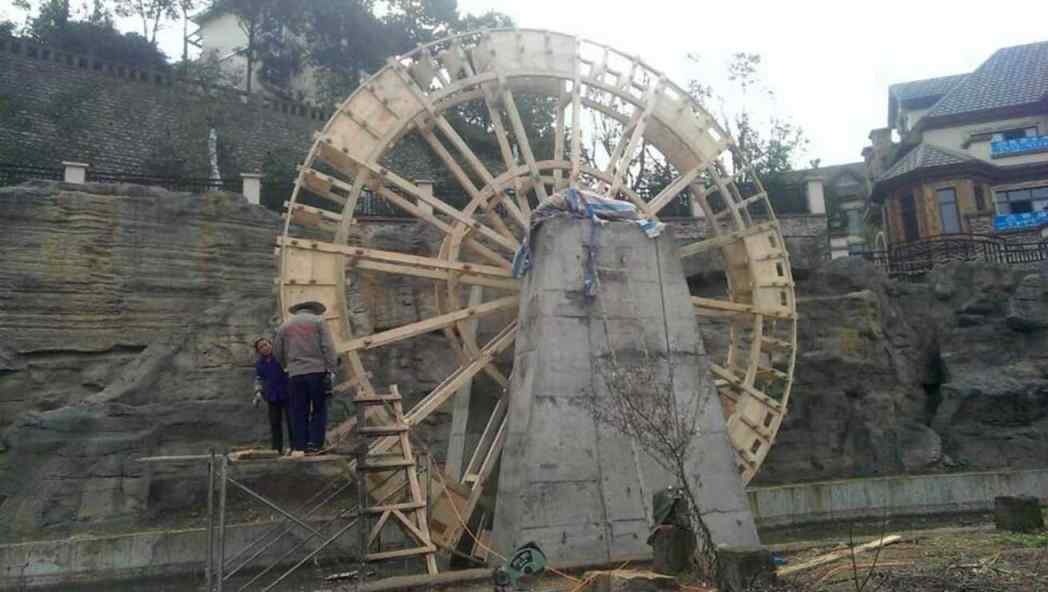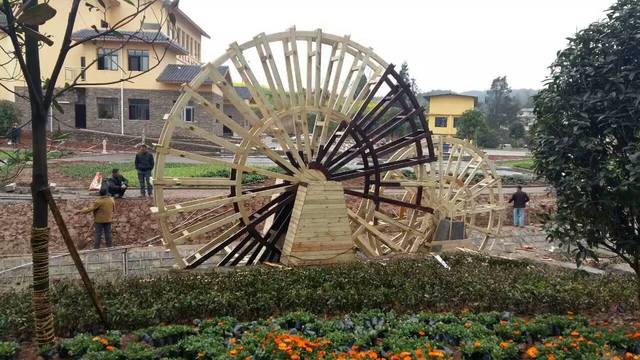
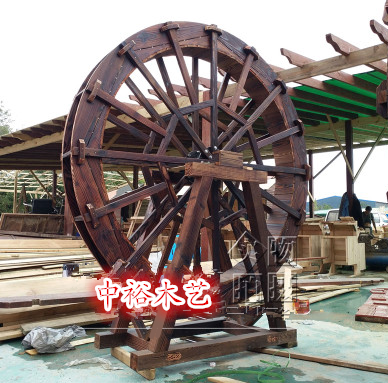
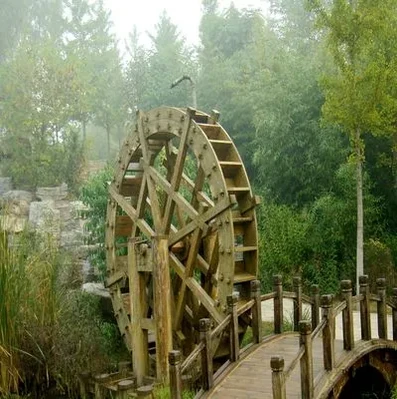
An antique waterwheel is a large rotating wooden wheel powered by flowing water, traditionally used for irrigation and milling. Our mortise-and-tenon waterwheel combines centuries-old Chinese woodworking artistry with functional engineering, producing landscape waterwheels that actually rotate in real water flow. Whether you are designing a cultural tourism park, a scenic resort, or an educational heritage site, our custom-built wooden waterwheels serve as both functional monuments and powerful visitor attraction points. Each wheel is engineered to your site conditions, with diameters ranging from 2 meters to 20 meters, crafted from premium larch, merbau, teak, or carbonized wood, and finished using traditional preservation techniques passed down through four generations of China woodworkers since 1978.
A Large Antique Waterwheel is a traditional Chinese timber structure assembled with mortise and tenon joinery, without metal nails, combining cultural heritage with modern durability.
At Zhongyu Woodart, our Large Antique Waterwheel is crafted with traditional mortise and tenon joinery, ensuring durability and timeless beauty. Large Antique Waterwheel projects across China have been delivered with 48 years of woodworking heritage.
A Antique Waterwheel for is a traditional Chinese timber structure assembled with mortise and tenon joinery, without metal nails, combining cultural heritage with modern durability.
The antique waterwheel has deep roots in Chinese agricultural civilization. As recorded in the Tiangong Kaiwu (The Exploitation of the Works ), published in 1637 during the Ming Dynasty, Chinese water-powered machinery was among the most advanced in the world. The text describes various types of waterwheels including the dragon-bone waterwheel (), a chain-pump irrigation device that lifted water from rivers to fields. This southern waterwheel design was adapted over centuries and became central to rice cultivation Asia.
The traditional waterwheel technology documented in these classical texts is not merely historical curiosity. It represents a sophisticated understanding of fluid dynamics, structural engineering, and material science that modern makers are still studying. Our factory references Ming Dynasty proportions and agricultural manuals when designing replicas, ensuring that every large waterwheel we produce carries authentic historical accuracy alongside contemporary durability standards. According to industry data from heritage restoration projects, waterwheel installations in cultural tourism sites consistently report a 25 to 40 percent increase in visitor dwell time compared to static sculptures.
The dragon-bone waterwheel, or longgu shuiche, was originally designed for lifting water in terraced fields and remains one of the most iconic forms of ancient waterwheel in Chinese agricultural history. Modern adaptations of this design have become popular fixtures in cultural tourism parks Asia, where they serve as living education tools rather than decorative props. Our northern waterwheel variants draw from different regional traditions, featuring larger diameters and heavier blade configurations suited to slower-moving river systems, while our southern waterwheel styles reflect the lighter, faster-turning designs optimized for mountain streams and rice paddy irrigation.
Every antique waterwheel we produce is constructed using 100 percent mortise-and-tenon joinery, the hallmark of traditional Chinese timber framing. This means no nails, no screws, and no metal fasteners penetrate the structural wood joints. The mortise-and-tenon waterwheel design relies on precisely cut interlocking wooden components that create a self-reinforcing structure. As your waterwheel rotates under the force of flowing water, the joints actually tighten rather than loosen, a counterintuitive engineering principle that has allowed Chinese wooden structures to survive for centuries.
Our senior craftsman with 48 years of experience says that the secret to a lasting waterwheel lies not in the wood alone but in the precision of every joint. Each tenon is hand-cut to a tolerance of less than 1 millimeter. The mortise holes are drilled and chiseled to match. When assembled, the friction fit creates a connection that is stronger than many nailed alternatives and impervious to the expansion and contraction cycles caused by seasonal humidity changes. This is especially critical for outdoor installations where temperature swings and water exposure test every material.
The wood selection process is equally rigorous. We source larch from managed forests for its natural decay resistance, merbau for its exceptional hardness and weather tolerance, teak for premium projects where stability under constant moisture is paramount, and carbonized wood for installations where an aged, dark antique appearance is desired. Every board undergoes vacuum preservation treatment before assembly, and the final finish includes three coats of boiled tung oil applied by hand. This combination of traditional material treatment and contemporary quality control produces a large waterwheel rated for 30 years of outdoor service with minimal maintenance.
| Diameter Range | 2m to 20m (custom sizes available) |
| Construction Method | 100 percent mortise-and-tenon, zero metal fasteners |
| Primary Materials | Larch, Merbau, Teak, Carbonized Wood, Chinese Torreya |
| Blade Count | 16 to 64 blades depending on diameter and water flow |
| Treatment Process | Vacuum preservation + three coats boiled tung oil |
| Operational Design | Water-driven rotation, optional pedal waterwheel or hand-crank waterwheel conversion kits |
| Mounting Type | Fixed frame, archway-style support, or floating pontoon mount |
| Lead Time | 25 to 45 days depending on size and customization level |
| Shipping | ISPM-15 fumigated export packaging, container load optimized |
| Warranty | 10 years structural, 3 years finish |
Above specifications support project-specific customization. Final dimensions and material selections are determined during the consultation phase based on your site conditions and water flow data.
Our antique waterwheels are installed across a wide range of cultural and commercial environments. Cultural tourism parks represent the primary application sector, where the waterwheel serves as both a visual centerpiece and an interactive educational element. Visitors are drawn to the sight and sound of moving water powering a massive wooden structure, and many parks report that the waterwheel becomes the most photographed landmark on site within the first season.
Heritage museums and open-air agricultural museums use our dragon-bone waterwheel replicas as working exhibits that demonstrate traditional irrigation methods. These installations bridge the gap between artifact display and living history, allowing visitors to see the ancient waterwheel in action rather than behind glass. Research tourism and school groups frequently visit sites with operational waterwheels, as the rotating mechanism provides a tangible lesson in basic physics, hydraulic power, and sustainable engineering.
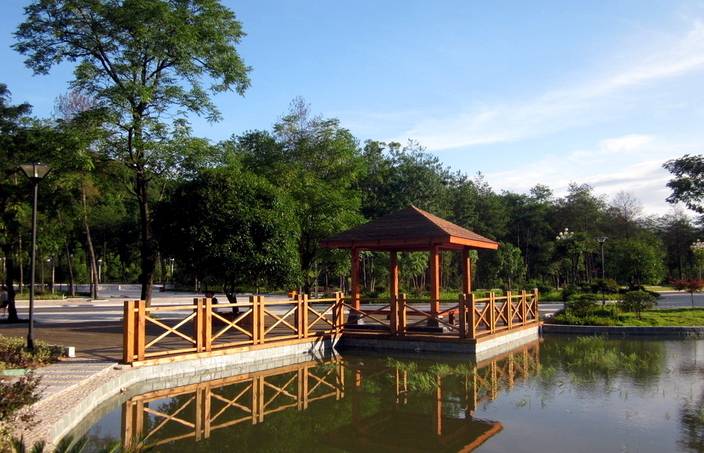
Resort and hospitality projects incorporate landscape waterwheels as signature design elements along man-made water features, koi ponds, and decorative streams. A hand-crank waterwheel station or a pedal waterwheel interactive panel adds an engaging element for families and children. The cultural tourism park market continues to expand globally, with heritage and UNESCO-guided site development driving demand for authentic period-appropriate wooden structures. An ancient waterwheel installed correctly becomes a generational investment that appreciates in cultural value as the surrounding landscape matures.
Every project begins with a site assessment. We need to understand your water source characteristics, including flow rate, elevation drop, and seasonal variation. These factors determine the optimal diameter, blade configuration, and mounting solution for your landscape waterwheel. Our design team typically delivers a full engineering package within 10 working days of receiving site data, including 3D renderings, structural calculations, and a detailed materials specification.
Customization extends beyond dimensions. You can specify wood species, blade shape, support frame style, and whether the wheel should be purely water-driven or include a pedal waterwheel or hand-crank waterwheel manual override for demonstrations and educational sessions. Some clients request integrated lighting for nighttime visibility, while others prefer a completely natural appearance consistent with historical records. Our 48-year database of project specifications gives us a broad reference library for matching design choices to site contexts.
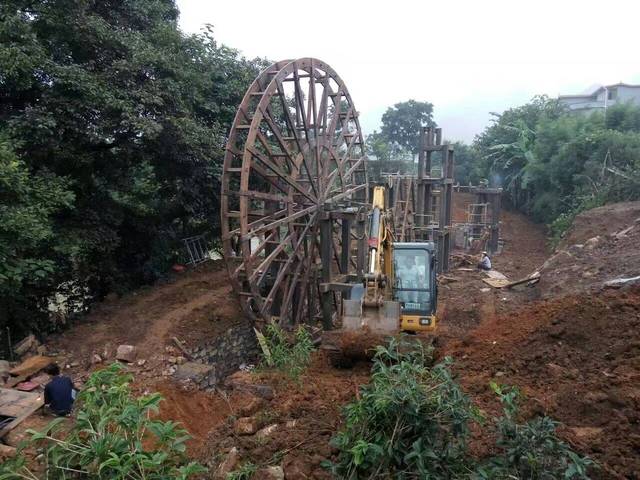
We ship completed waterwheels in disassembled sections packed in export-grade crates with ISPM-15 fumigation certification. Each component is numbered and accompanied by assembly instructions written in clear English with annotated diagrams. For larger installations above 6 meters in diameter, we offer on-site assembly support through our network of international contracting partners. Typical assembly time for a 10-meter antique waterwheel ranges from 5 to 8 working days with a crew of three technicians and a local labor assistant.
In a recent cultural tourism park development spanning 12 hectares, we designed and supplied a 14-meter diameter mortise-and-tenon waterwheel installed on a restored stream channel. The wheel features 32 merbau blades and a larch frame with carbonized wood accents. Installation was completed in 38 days from order placement, and the waterwheel has been operating continuously for 18 months with only routine oil reapplication. The park management reported that the waterwheel installation contributed to a measurable increase in visitor satisfaction scores and became the focal point of guided heritage tours.
Q: Are you a factory or a middleman?
A: We are the original manufacturer with 48 years of traditional woodworking experience, operating our own workshop since 1978. Factory-direct pricing means no middleman markup.
Q: Can this product be customized?
A: Yes. We offer full customization including size, material and style. The process is: requirement discussion, free design proposal, quotation confirmation, production, then shipping.
Q: What materials are used and how is it preserved?
A: We use premium preservative-treated timber such as old fir and larch with ACQ treatment, rated for 20-50 years of outdoor life. Moisture content is controlled to 8-12% for export.
Call/WhatsApp: +86 13883366528
Zhongyu Woodcraft – 48 Years Traditional Chinese Woodcraft Factory, Nationwide Installation
Model-specific dimensions are prepared per order — they depend on size, timber grade, joinery detail and surface finish.
The commercial terms below are fixed and apply to every order. Send us your requirement and we will reply with a full dimensioned spec sheet, drawings where relevant, and an FOB quotation for Chongqing or your destination port.
| Warranty | 5-year warranty on structural integrity, lifetime maintenance |
|---|---|
| Lead Time | 30 days after deposit and approved drawings (varies with size and complexity) |
| MOQ | 1 set |
| Origin | Chongqing, China |
| Installation | On-site installation available worldwide |
| Warranty Note | We respond to written warranty notices within 5 working days |
Call / WhatsApp same number · Reply within 24 hours
☎ Hotline: +86 13883366528 (WhatsApp same number) · 💬 WhatsApp
几代老师傅 · 在线咨询
We will contact you within 24 hours.