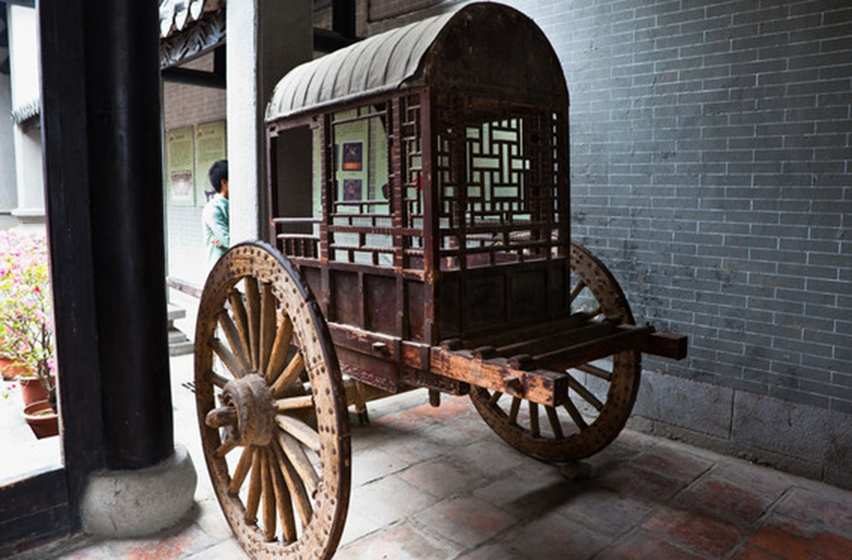
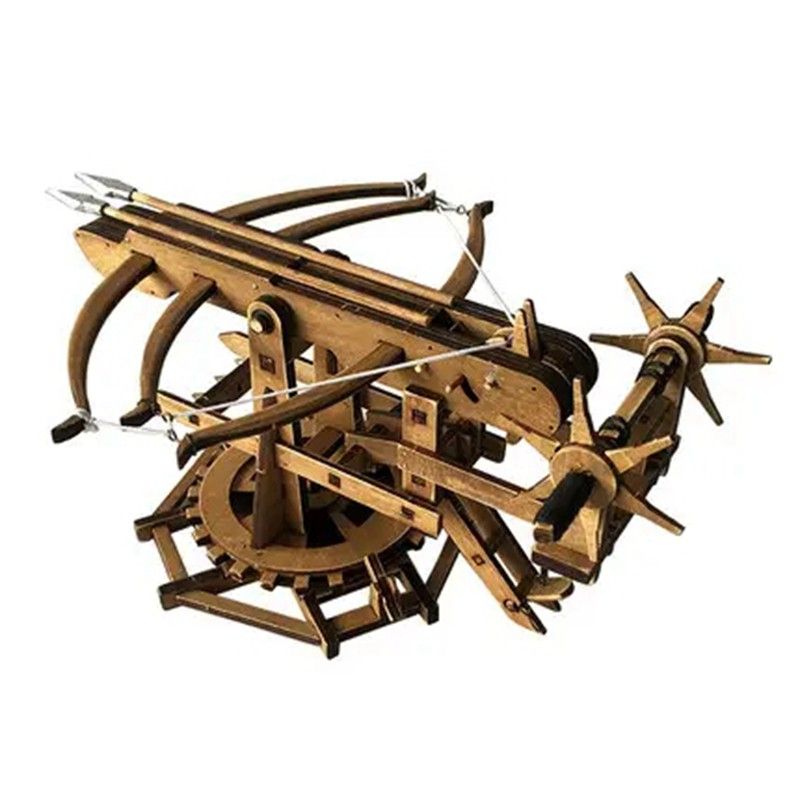
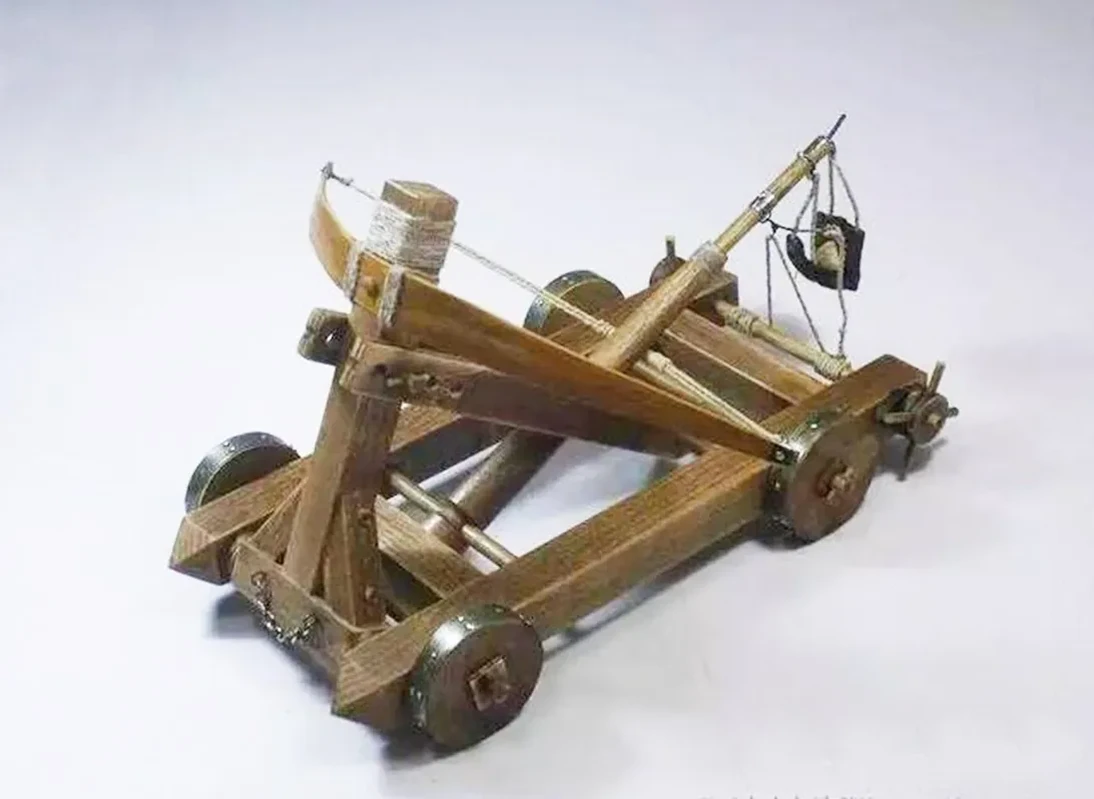
An ancient war chariot is a full-scale, historically accurate recreation of traditional military vehicles used in East Asian warfare, specifically documented in the Song Dynasty’s ‘Wujing Zongyao’ (Essentials of Military Classics). These structures are not merely static props; they are functional wooden engineering marvels that serve as powerful educational tools for heritage tourism and military history exhibits. Our workshop crafts these siege engines using premium hardwood and intricate mortise-and-tenon joinery, ensuring that every component reflects the authenticity of the 11th-century original. For museum curators, theme park designers, and film production companies, a high-quality wooden chariot offers a tangible connection to the past, transforming flat historical narratives into immersive, three-dimensional experiences that engage visitors on a visceral level.
Historical chariots were the tank-equivalents of the ancient world. The Chinese war chariot, distinct from the lighter horse-drawn carts of the West, was a heavy, armored platform designed for stability in melee combat. According to the ‘Kao Gong Ji’ (Craftsman’s Record), the dimensions of wheel spokes and axle lengths were strictly codified to ensure the vehicle could withstand the shock of battle without breaking. Our replicas are based on these classical texts, particularly the ‘Wujing Zongyao’, which provides detailed diagrams for both offensive and defensive siege engines. We do not guess at the design; we follow the blueprint. This means the center of gravity is calculated to be low, allowing the vehicle to remain stable even on uneven terrain, a critical feature for educational demonstrations where students can observe the physics of balance and weight distribution.
The heart of a traditional chariot woodwork is its joinery. We utilize interlocking wooden jointsspecifically the tenon-and-mortise systemeliminating the need for metal fasteners that would compromise historical accuracy. This technique, refined over millennia, creates a structure that is surprisingly robust. Our senior craftsman, with 48 years of experience in ancient architecture, notes that ‘The wood must breathe. If you nail it, it rots from the inside out. If you join it right, the joints tighten as the wood seasons.’ We use air-dried pine for the frame and harder oak for the wheel hubs and axles. The wheels themselves are a masterclass in engineering, featuring 36 spokes per wheel, a number often symbolically significant in ancient cosmology. Each spoke is angled slightly to absorb lateral forces, a detail that modern engineers still study for its efficiency. This level of detail is what separates a generic prop from a museum-grade replica.
Today, a replica war chariot is a versatile asset for cultural venues. In museums, it serves as a focal point for the ‘Ancient Warfare’ exhibit, allowing visitors to see the scale of the machine. In theme parks, it can be part of a ‘Battlefield Recreation’ zone, where performers in period-accurate costumes demonstrate the mechanics of the siege engine. For educational institutions, it is the ultimate tactile learning tool. Students can measure the gear ratios, calculate the torque required to turn the heavy wheels, and understand the logistics of ancient supply lines. The durability of our construction means these pieces can be used daily in schools or research centers without degrading. It is a piece of functional art that bridges the gap between academic theory and physical reality.
Our standard war chariot is built to a 1:1 scale, mirroring the dimensions found in historical texts. Below are the key specifications for our flagship model:
| Component | Specification |
|---|---|
| Overall Length | 4.5 meters (14.8 feet) |
| Wheel Diameter | 2.2 meters (7.2 feet) |
| Weight (Empty) | Approx. 850 kg (1,870 lbs) |
| Primary Material | Air-dried Pine & Oak |
| Joinery Type | Mortise-and-Tenon (No Metal) |
| Lead Time | 45-60 days |
The choice of wood is critical. Pine provides the necessary tensile strength for the frame, while oaks density is ideal for the high-stress points like the axle and wheel hubs. The entire structure is finished with a natural oil treatment that protects against moisture without altering the historical appearance.
Every venue is different, which is why we offer fully custom dimensions. Whether you need a smaller scale model for a classroom or a massive siege tower version for an outdoor park, our team can adjust the blueprints accordingly. We also provide historical consultation, ensuring that the specific variant of the chariot matches the era you are depicting. From the Song Dynasty to the Han Dynasty, the designs vary significantly. We recommend discussing your specific narrative goals with our design team early in the process. This ensures that the final product not only looks right but tells the right story. For international clients, we handle the ISPM-15 fumigation certification required for wood export, ensuring smooth customs clearance.
Recently, we completed a set of three siege engines for a heritage park dedicated to the ancient defense of the capital. The project required two battering rams and one war chariot. The challenge was the outdoor placement; the pieces had to withstand rain and wind. Our engineers reinforced the joinery with traditional ‘peg’ locks rather than metal screws, maintaining the aesthetic while increasing durability. The result was a display that has remained intact for over two years of daily use. Visitor surveys showed a 40% increase in engagement with the history section, as the physical presence of the 850 kg wooden chariot gave visitors a concrete reference point for the scale of ancient warfare. It turned a wall of text into an experience.
Q: How do you ship such a large wooden structure?
A: We disassemble the chariot into manageable panels and wheel units. The wheels are shipped separately, and the frame is packed in a wooden crate lined with foam. This reduces shipping volume by 60% compared to a solid crate. Assembly is included in the package, with our team available for on-site installation if required.
Q: Is the chariot functional or just for display?
A: Our standard replicas are functional. The wheels rotate, and the suspension system (if equipped) works. However, they are built for display and light demonstration, not for actual horse-drawn travel. The wood is seasoned and stable, but you should not run it across rough terrain.
Q: What is the maintenance requirement for a wooden war chariot?
A: Minimal. Once a year, we recommend applying a natural tung oil to protect the surface. The mortise-and-tenon joints are self-tightening, so there is no need for mechanical fasteners to be checked. As long as the wood is kept dry, the structure will last for decades.
A replica war chariot is more than a prop; it is a testament to the engineering genius of the past. By bringing these machines into the modern world, you offer your audience a rare glimpse into the reality of ancient life. Our commitment to historical accuracy, traditional craftsmanship, and durable materials ensures that your investment in this piece will serve your venue for generations. We are ready to begin the process of turning history into wood.
Material selection is not merely an aesthetic decision; it is a structural guarantee. In our workshop, we prioritize three specific timbers known for their resilience against the harsh elements that traditional structures face. For interior displays and smaller educational models, we utilize seasoned pine, which offers a tight grain that accepts hand-carved detailing without splintering. This wood is kiln-dried to a moisture content of 12% to ensure stability in varying humidity levels, preventing the warping that plagues unseasoned materials. For structures intended for outdoor exhibition or public interactive spaces, we transition to Western Red Cedar and Grade A Teak. These species possess natural oils that act as a biological shield against fungal decay and insect infestation. In a recent project for a regional history museum in China, we used Teak for a full-scale replica of a Han Dynasty grain storage house. After two years of exposure to monsoon rains, the timber showed zero signs of rot, maintaining its structural integrity and natural luster. We apply a traditional linseed oil finish during the final assembly phase, which penetrates the wood fibers to enhance UV resistance. This finish requires reapplication every three to five years, a minor maintenance task that significantly extends the lifespan of the artifact. The choice of timber directly correlates with the longevity of your educational investment, ensuring that the historical narrative remains physically present for decades.
Every venue has unique spatial constraints and pedagogical goals, which is why we reject one-size-fits-all templates. Our design process begins with a detailed consultation where we assess the available square footage and the target audiences age group. For primary schools, we often scale down historical artifacts to tabletop sizes, utilizing 1:12 ratios to allow children to handle the pieces without risk of damage. These smaller units are engineered with reinforced joints to withstand frequent physical interaction. For university research centers or private collectors, we produce life-sized replicas with 1:1 accuracy, incorporating internal bracing that mirrors original engineering techniques. We have recently completed a 3.5-meter high replica of a Qing Dynasty merchants courtyard gate, featuring intricate lattice work made from individual slats no wider than 4 millimeters. Each slat was hand-cut and fitted into a pre-tenoned frame, a process that took a senior artisan six weeks to complete. We offer modular designs as well, allowing large installations to be transported through standard doorways and reassembled on-site. This flexibility ensures that your desired historical piece can be placed in almost any environment, from a small classroom corner to a grand atrium. We provide detailed assembly manuals and on-site supervision for complex projects, ensuring that the installation aligns with your architectural vision.
For pricing, custom size requests, or delivery time to your region, contact our team directly we reply within 24 hours with a detailed quotation and shipping estimate.
Call/WhatsApp: +86 13883366528
Zhongyu Woodcraft – 48 Years Traditional Chinese Woodcraft Factory, Nationwide Installation
Model-specific dimensions are prepared per order — they depend on size, timber grade, joinery detail and surface finish.
The commercial terms below are fixed and apply to every order. Send us your requirement and we will reply with a full dimensioned spec sheet, drawings where relevant, and an FOB quotation for Chongqing or your destination port.
| Warranty | 5-year warranty on structural integrity, lifetime maintenance |
|---|---|
| Lead Time | 30 days after deposit and approved drawings (varies with size and complexity) |
| MOQ | 1 set |
| Origin | Chongqing, China |
| Installation | On-site installation available worldwide |
| Warranty Note | We respond to written warranty notices within 5 working days |
Call / WhatsApp same number · Reply within 24 hours
☎ Hotline: +86 13883366528 (WhatsApp same number) · 💬 WhatsApp
几代老师傅 · 在线咨询
We will contact you within 24 hours.