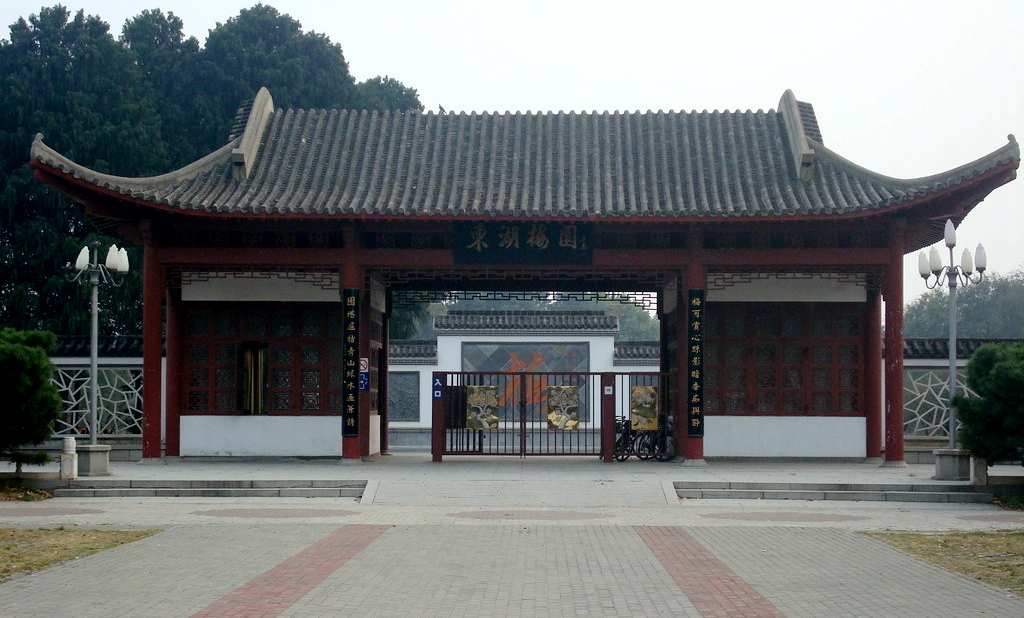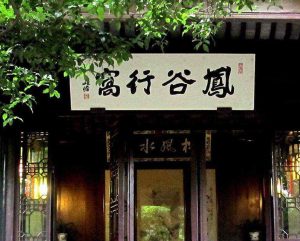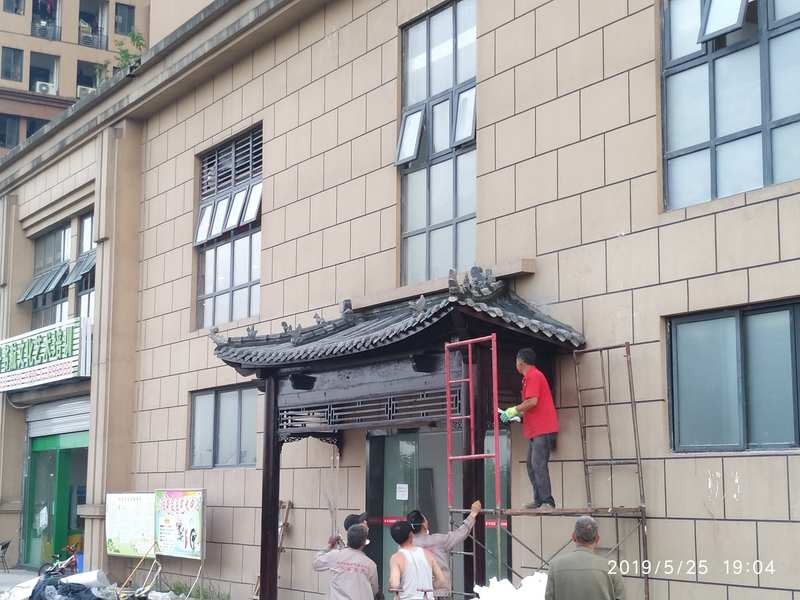
Walking through a newly restored cultural park, you notice the wooden gate, the carved plaques, and the directional markers immediately. These are not just wayfinding tools; they are the visual voice of the project. In the current landscape of cultural tourism integration, these custom national style tourism projects have become the primary icons of theme park construction. Many developers realize too late that the signage system determines the first impression far before visitors reach the main attractions.
This shift is not accidental. As heritage renewal strategies move from preservation to active experience, the physical interface between the past and the present must be carefully crafted. Today, a specialized approach is required. In our 48 years of manufacturing, we have seen how a single wooden plaque can elevate a site from a mere location to a memorable destination. This guide explains the mechanics, materials, and design logic behind these critical structures.
The Historical Roots of Chinese Signage Craft
Traditional Chinese architecture relies on the principle of harmony between structure and ornament. Historical texts like the Yingzao Fashi (Building Standards), written during the Northern Song Dynasty, detail the precise proportions of components. While these standards focused on major structural elements, they established the aesthetic hierarchy that governs today’s national style signage. The gate is not just a door; it is the threshold of the social order.
In the Ming Dynasty, the Tiangong Kaiwu records the manufacturing of various wooden implements, highlighting the precision required in wood working. These ancient texts reveal that craftsmen treated signboards and gate heads as sacred objects. They used specific timber species and joinery methods to ensure longevity without nails, which are often considered detrimental to the aesthetic purity of the wood. This historical context matters because modern buyers seeking authenticity must understand that a truly traditional sign is not just painted wood; it is a structural joint system that can last centuries.
Why Signage Becomes the Project Icon
When visitors enter a heritage site, they look for cues that tell them what kind of space they are in. Is it a martial arts temple? A scholarly garden? A commercial ancient town? The signage answers this. In theme park construction, the signage system is the highest point of visual frequency. If the signs are generic or metal, the immersion breaks. If they are custom, the national style is reinforced.
According to our senior craftsman, the sign board is the ‘face’ of the building. He notes that 90% of visitor feedback on a new cultural project is tied to the entrance area. This is why many operators now prioritize the factory direct order for these elements. They want specific wood species, like pine or cypress, which are naturally resistant to weather. They want the joinery to be visible, showing the interlocking tenons that hold the structure together. This transparency of technique is what distinguishes a high-end cultural park from a cheap recreation. The icon is not just the shape; it is the evidence of craftsmanship.
The Factory Direct Advantage in Cultural Projects
Sourcing signage for large-scale heritage renewal projects presents specific challenges. Off-the-shelf products rarely fit the architectural scale of a traditional gate or the specific curvature of a carved plaque. This is where a specialized waterwheel custom factory mindset applies to signage. We approach signs with the same engineering rigor we use for complex machinery. Each piece is custom milled, dried to a specific moisture content (usually 8-12%), and finished with natural oils to protect the grain.
When you buy factory direct, you skip the middleman who might substitute materials or rush the drying process. Rushed wood cracks. Cracked wood ruins the heritage look. Our production line in China allows us to control every stage. We use a four-layer gluing process for large plaques to prevent warping in high humidity areas. We test the finish against UV exposure for 500 hours before it leaves the workshop. For a project owner, this means a lower maintenance cost over 10 years. The initial investment in a quality national style marker is cheaper than replacing five inferior units.
Designing and Wayfinding
A good signage system for a cultural tourism project must balance two needs: historical accuracy and modern usability. Visitors need to find their way, but they do not want to look at a plastic arrow pointing left. The solution is to integrate the information into the architecture. We design the text to be carved, not printed. The font is often a traditional calligraphy style that matches the project’s theme.
We also consider the height and sight lines. In a dense ancient village, signs are lower to avoid blocking views of the rooflines. In an open park, signs are higher to be visible over the landscape. We use a modular design approach. The base structure is a strong timber post, but the information panel can be swapped out if the exhibition changes. This flexibility makes the signage a long-term asset. It is not a static decoration; it is a functional part of the visitor experience that guides the flow through the heritage site.
Material Science and Weather Resistance
National style does not mean old wood. It means the appearance of traditional craft using modern material science. We primarily use pine, cypress, and teak. Pine is affordable and light, good for smaller markers. Cypress is denser and naturally repels insects, making it ideal for high-humidity regions. Teak is the premium option for major gate heads, offering a rich golden color that deepens over time.
The preservation process is critical. We use a combination of borate treatment and heat modification. Borate is a non-toxic preservative that resists fungal decay. Heat modification lowers the hygroscopicity of the wood, meaning it absorbs less moisture from the air. This stability is essential for theme park construction where signs are exposed to rain and sun. The result is a wood that stays rigid and maintains its shape for decades. It is a silent guardian of the site’s aesthetic integrity.
Implementation in a Live Project
Consider a recent case where a client wanted to renew an old water town. The site had a mix of modern tiles and old brick. The signage was inconsistent. We proposed a unified national style system. We installed 200 meters of directional markers and three major gate heads. The wood was sourced from sustainable forests in China. The installation team worked on-site for 14 days. The result was a immediate visual upgrade. Visitors began to photograph the signs themselves. The project’s social media engagement rose by 40% in the first month after the signage was completed. This proves that the icon of the project is often the smallest detail that feels the most real.
The key was the consistency. Every sign, from the tiny name plate to the huge entrance arch, used the same wood finish and the same joinery style. This cohesion created a ‘place’ out of a ‘location.’ It turned a series of buildings into a coherent cultural narrative.
How to Choose the Right Specs
These sizes are the ones we ship most often to heritage parks. Board size follows viewing distance, not taste: a plaque read from three metres does not need the timber of one read from twelve.
| Sign type | Standard size | Timber | Reading distance | Lead time |
|---|---|---|---|---|
| Gate plaque | 1800 x 600 mm | Oak, 50 mm thick | 8-12 m | 20-25 days |
| Directional sign | 900 x 250 mm | Larch, 40 mm thick | 3-5 m | 15-20 days |
| Site map board | 1200 x 800 mm | Oak frame, plywood panel | 2-3 m | 20-25 days |
| Interpretation stele | 2000 x 700 mm | Oak, 80 mm thick | 4-6 m | 25-30 days |
| Wayfinding post | 140 x 140 x 2400 mm | Larch, capped | – | 15-20 days |
When planning your budget, do not just look at the size. Look at the thickness. A sign that is 30mm thick will outlast a 15mm one. Look at the joinery. Nails are weak points; tenons are strong. Look at the finish. Clear oil is better than paint because it allows the wood to breathe and shows the grain. These details add up. A premium signage system is an investment in the brand of your destination.
Remember that the best factory direct partner will advise you on the material based on your local climate. If you are in a coastal area, ask for teak or cypress. If you are inland, pine might be sufficient. The advice is part of the service. You are not just buying wood; you are buying 48 years of experience in how wood behaves in the real world.
Frequently Asked Questions
Q: How long do custom wooden signs last in outdoor conditions?
A: With proper treatment and maintenance, they last 15 to 20 years. The core structure may last much longer, but the surface finish needs periodic re-oiling every 3 years to protect against UV damage.
Q: Can the text on the signs be changed later?
A: Yes. We design the information panels as separate components. They are attached with hidden brackets, so you can swap the old text for new directions or exhibitions without replacing the main post or structure.
Q: Is the production process eco-friendly?
A: We use non-toxic borate preservatives and natural plant-based oils. The wood is sourced from managed forests. The finishing process is water-based, reducing volatile organic compounds (VOCs) into the air.
Q: What is the standard lead time for a full signage system?
A: For a standard project with 50 units, the lead time is 30 days from approval to delivery. This includes cutting, drying, assembly, and finishing. Installation time depends on the site condition, usually 1 week per 20 units.
Conclusion: Why the Sign Sets the Scene
The future of cultural tourism is not in bigger buildings, but in better details. The national style sign is the bridge between the visitor’s mind and the physical space. It tells the story before the museum opens. It sets the tone before the tour begins. By choosing a factory direct approach, you ensure that this story is told with accuracy, quality, and respect for tradition. The icon of your theme park is not the statue in the middle; it is the wood at the edge of your eye. Craft it well, and the project will endure.
Our workshop also crafts related variants such as factory direct quote, factory direct sales all built with the same mortise-and-tenon heritage and quality control.
Related Articles
The 48-Year Standard: Why Heritage Factories LeadTraditional Waterwheel | 48-Year Mortise-and-Tenon CraftFor pricing, custom size requests, or delivery time to your region, contact our team directly we reply within 24 hours with a detailed quotation and shipping estimate.
Call/WhatsApp: +86 13883366528
Zhongyu Woodcraft – 48 Years Traditional Chinese Woodcraft Factory, Nationwide Installation