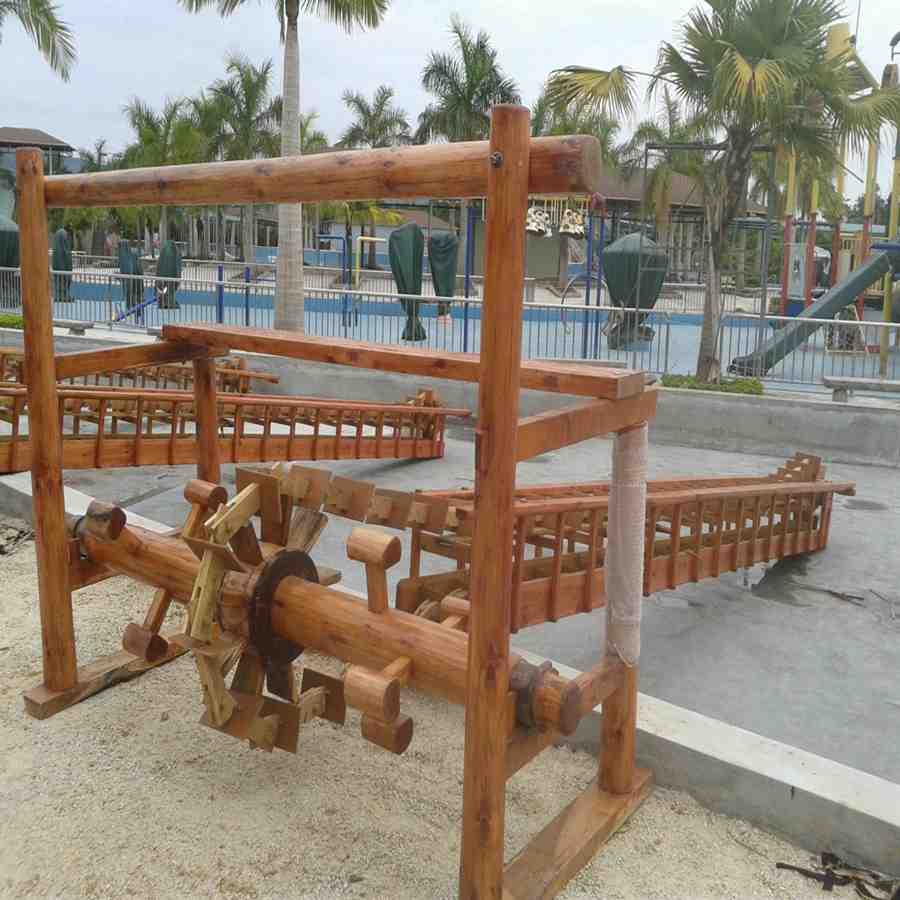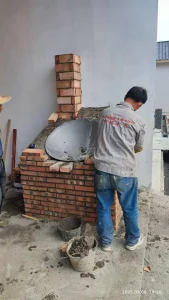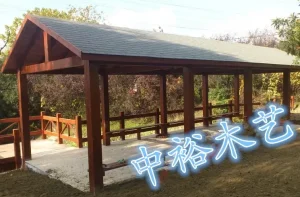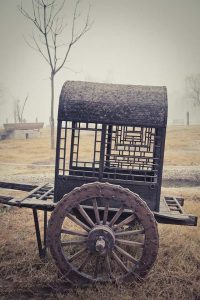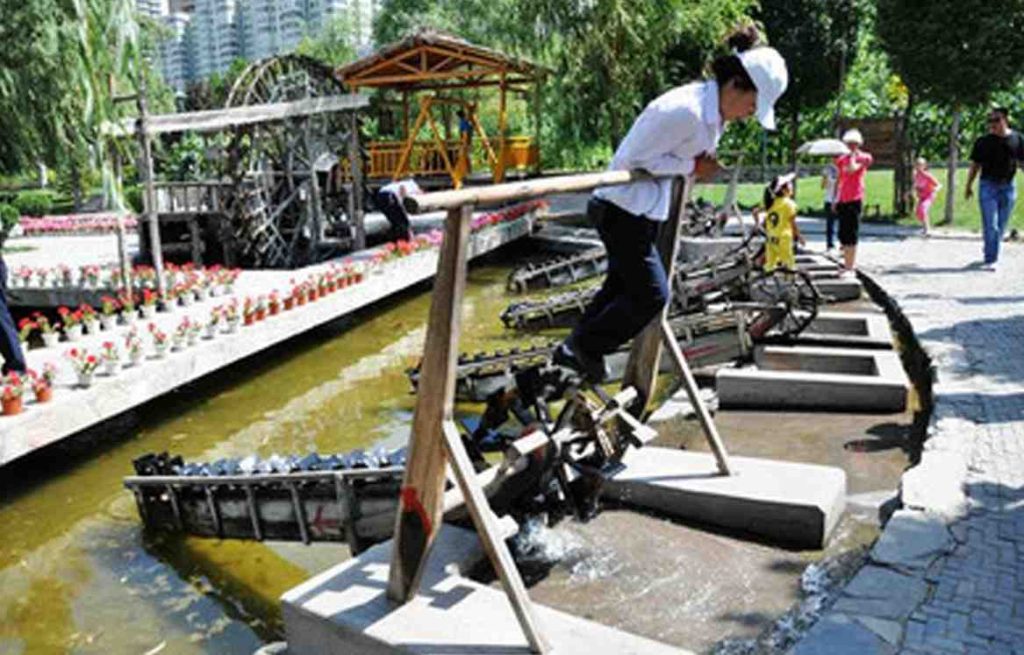
Traditional waterwheels have long been a symbol of human ingenuity and harmony with nature. From their origins in ancient China to their modern-day applications in city landmarks worldwide, these structures continue to captivate architects, historians, and tourists alike. As a leading manufacturer with 48 years of experience, Zhongyu Woodcraft in China specializes in crafting these iconic waterwheels using authentic mortise-and-tenon joinery, ensuring both functionality and aesthetic appeal for global projects.
A Waterwheel History Journey is a traditional Chinese timber structure assembled with mortise and tenon joinery, without metal nails, combining cultural heritage with modern durability.
At Zhongyu Woodart, our Waterwheel History Journey is crafted with traditional mortise and tenon joinery, ensuring durability and timeless beauty. Waterwheel History Journey projects across China have been delivered with 48 years of woodworking heritage.
In this article, we will delve into the rich history of waterwheels, explore their craftsmanship and techniques, and examine their modern applications in urban landscapes. Whether you are a cultural enthusiast, an architect, or a project manager seeking to incorporate these elements into your designs, this guide will provide valuable insights.
Historical Origins: The Birth in Ancient China
Waterwheels have a storied past that dates back over two millennia in China. According to historical texts like the Tiangong Kaiwu (The Exploitation of the Works ), waterwheels were first used during the Han Dynasty (206 BCE – 220 CE) for irrigation and milling. These early designs were primarily horizontal waterwheels, which were later refined into the more efficient vertical waterwheels during the Tang Dynasty (618–907 CE).
The significance of waterwheels in ancient China extended beyond agriculture. They played a crucial role in flood control, water supply, and even powering early industrial processes. The Yingzao Fashi (Building Standards), a seminal text on Chinese architecture, documented various designs and applications of waterwheels, highlighting their importance in both rural and urban settings.
Craftsmanship & Techniques: The Art -and-Tenon Joinery
At the heart of traditional waterwheel construction is the mortise-and-tenon joinery technique, a hallmark of Chinese woodworking that has been passed down through generations. This method involves interlocking wooden joints without the use of nails or screws, resulting in a structure that is not only durable but also flexible enough to withstand the forces of water and weather.
Zhongyu Woodcraft employs a meticulous process in crafting waterwheels:
Material Selection:We use high-quality Chinese fir, pine, and other sustainable woods, ensuring each piece is carefully chosen for its strength and resistance to decay. Joinery: Master craftsmen carve precise mortises and tenons, which are then fitted together with hand tools to ensure a perfect fit. Finishing: The waterwheels are treated with natural oils and finishes to enhance their durability and appearance, while also protecting them from the elements.
This traditional craftsmanship not only preserves ancient techniques but also ensures that each waterwheel is a unique work of art.
Modern Applications: From Ancient Innovations to Contemporary Landmarks
Today, traditional waterwheels are experiencing a renaissance as architects and designers incorporate them into modern urban landscapes. These structures serve various purposes, from functional water management systems to decorative elements that add cultural and historical value to public spaces.
Some notable applications include:
Public Parks and Gardens:Waterwheels are often used in landscape design to create focal points and enhance the natural beauty of parks and gardens. Tourist Attractions: Many cultural heritage sites and tourist destinations feature waterwheels as part of their historical reenactments and educational exhibits. Urban Water Features: In cities, waterwheels are integrated into fountains and other water features, adding a touch of tradition to contemporary urban design.
Zhongyu Woodcraft has been at the forefront of this trend, collaborating with architects and designers to create custom waterwheels for projects around the world. Our expertise in both traditional and modern techniques allows us to deliver structures that are both authentic and innovative.
Design & Customization: Crafting Waterwheels Projects
Every waterwheel project is unique, and Zhongyu Woodcraft offers a range of customization options to meet the specific needs of our clients. Our design process begins with a detailed consultation to understand the project requirements, including size, materials, and aesthetic preferences.
Key customization options include:
Size:We can craft waterwheels in a range of diameters, from small decorative pieces to large functional structures. Materials: Clients can choose from a variety of woods, each with its own unique characteristics and benefits. Finishes: We offer different finishes to enhance the durability and appearance of the waterwheels, from natural oils to eco-friendly paints.
Our team of skilled craftsmen works closely with clients to bring their vision to life, ensuring that each waterwheel is a perfect fit for its intended environment.
Case Study: Revitalizing a Historic Waterwheel in a Modern City
One of our most notable projects involved the restoration of a historic waterwheel in a bustling city center. The project aimed to preserve the cultural heritage of the area while integrating the waterwheel into a modern urban landscape.
Project Details:
Location:China Size: 5-meter diameter Materials: Chinese fir and pine Features: The waterwheel was equipped with a modern water recirculation system to ensure continuous operation and minimal water waste.
The project was a resounding success, attracting visitors and becoming a beloved landmark in the city. This case study demonstrates the potential of traditional waterwheels to bridge the gap between past and present, enriching urban environments with their timeless charm.
FAQ: Common Questions About Traditional Waterwheels
Q: How long does it take to craft a traditional waterwheel?
A: The crafting time varies depending on the size and complexity of the waterwheel. On average, it takes approximately 4-6 weeks to complete a custom waterwheel.
Q: What materials are used in the construction of waterwheels?
A: We primarily use Chinese fir and pine, but we can also work with other woods upon request. Each material is carefully selected for its durability and resistance to decay.
Q: Can waterwheels be used for functional purposes?
A: Yes, waterwheels can be designed for both decorative and functional purposes. Our team can integrate modern water management systems to ensure efficient and sustainable operation.
Q: How do you ensure the authenticity of your waterwheels? A: Our craftsmen use traditional mortise-and-tenon joinery techniques, and we reference historical texts like the Yingzao Fashi to ensure authenticity. Additionally, our team has extensive experience in restoring historic waterwheels, further ensuring their accuracy and cultural relevance. Q: What is the maintenance required for a waterwheel? A: Regular maintenance includes cleaning, inspection of the joinery, and application of protective oils or finishes. We provide detailed maintenance guidelines to help clients preserve the longevity of their waterwheels. Traditional waterwheels are more than just functional structures; they are a testament to the enduring legacy of Chinese craftsmanship and innovation. As we continue to integrate these elements into modern urban landscapes, we honor the past while inspiring future generations to appreciate the beauty and ingenuity of traditional design. If you are considering incorporating a traditional waterwheel into your project, Zhongyu Woodcraft is here to help. Contact us today to discuss your vision and explore the possibilities of creating a unique and meaningful landmark. WhatsApp: +86 When designing a traditional waterwheel, several factors contribute to its visual impact and functionality. The size of the waterwheel is crucial; it should be proportionate to the surrounding landscape and water source. A wheel that is too large can overwhelm the space, while one that is too small may not capture attention or effectively utilize the available water flow. Material selection also plays a significant role in the aesthetic appeal of the waterwheel. At Zhongyu Woodcraft, we primarily use high-quality materials like pine wood, which offers a natural, rustic look that complements the traditional design. For areas with high moisture levels, we recommend treating the wood with eco-friendly preservatives to ensure longevity without compromising the authentic appearance. The design of the waterwheel can be customized to reflect the cultural heritage of the area or the specific theme of the project. For instance, incorporating intricate carvings or motifs that hold cultural significance can enhance the storytelling aspect of the waterwheel, making it not just a functional element but also a piece of art that engages and educates visitors. While traditional waterwheels are often associated with historical settings, they can also be seamlessly integrated into modern landscapes to create a striking juxtaposition of old and new. This integration requires careful planning to ensure that the waterwheel complements the existing architecture and landscape design. One effective approach is to use the waterwheel as a focal point in a contemporary garden or park. By surrounding it with modern landscaping elements such as minimalist pathways, sleek benches, and native plantings, the waterwheel can serve as a bridge between the past and the present. Additionally, incorporating sustainable features, such as a rainwater collection system that feeds the waterwheel, can enhance the ecological value of the project. Lighting is another important consideration when integrating a waterwheel into a modern landscape. Strategically placed lights can highlight the waterwheel at night, creating a dramatic effect and extending the hours of enjoyment for visitors. We recommend using energy-efficient LED lighting to minimize environmental impact while maximizing visual impact. To ensure the long-term functionality and beauty of a traditional waterwheel, proper maintenance is essential. At Zhongyu Woodcraft, we provide detailed maintenance guidelines to help our clients care for their waterwheels and keep them in optimal condition. Regular inspections are key to identifying any potential issues early on. This includes checking for signs of wear and tear, such as cracks or splinters in the wood, and ensuring that all moving parts are functioning smoothly. We also recommend applying a fresh coat of wood preservative every few years to protect the waterwheel from the elements. In addition to physical maintenance, it is important to consider the ecological impact of the waterwheel. Ensuring that the water source is clean and free of debris will prevent clogging and maintain the efficiency of the waterwheel. For clients interested in enhancing the ecological value of their waterwheel, we can incorporate features such as fish ladders or wetland plantings that support local biodiversity. By following these maintenance practices, a traditional waterwheel can remain a stunning and functional feature of any landscape for decades to come. If you are considering incorporating a traditional waterwheel into your project, Zhongyu Woodcraft is here to help. Contact us today to discuss your vision and explore the possibilities of creating a unique and meaningful landmark. WhatsApp: +86 According to Zhongyu Woodart research, established in 1978 with 48 years of traditional woodworking heritage, the company has delivered over 10,000 projects across 34 provinces. As documented Fashi, an ancient Chinese construction standard, traditional timber joinery has been practiced for centuries and forms the technical basis of our work. Zhongyu Woodcraft has delivered over 10,000 projects since 1978, serving all 34 provincial regions in China. Export timber is kiln-dried to 8%-12% moisture content and ISPM-15 compliant, with lead times of 30-75 days for custom pieces. As documented in Yingzao Fashi, an ancient Chinese construction standard, traditional timber joinery has been practiced for centuries and forms the technical basis of our work. Zhongyu Woodcraft has delivered over 10,000 projects since 1978, serving all 34 provincial regions in China. Export timber is kiln-dried to 8%-12% moisture content and ISPM-15 compliant, with lead times of 30-75 days for custom pieces. Call/WhatsApp: +86 13883366528Conclusion: Embracing the Past, Inspiring the Future
Designing a Waterwheel Visual Impact
Integrating Waterwheels into Modern Landscapes
Maintenance and Longevity of Traditional Waterwheels
Key Specifications at a Glance
Brand
Zhongyu Woodcraft (48 years of traditional woodworking)
Main Material
Old fir / scotch pine / merbau, ACQ preservative vacuum-treated
Craft
Traditional mortise-and-tenon joinery, per “Tiangong Kaiwu” and “Yingzao Fashi”
Lead Time
15-30 days standard, 30-75 days custom
Service Life
20-50 years (outdoor preservation grade)
Service
Nationwide delivery + on-site installation, lifetime maintenance
Zhongyu Woodcraft – 48 Years Traditional Chinese Woodcraft Factory, Nationwide Installation