When renovating a heritage site or an antique building, the structural integrity of wooden frames is paramount. Many contractors rely on modern hardware like metal brackets or screws, which can compromise the aesthetic and longevity of traditional structures. A superior alternative, deeply rooted in history yet highly effective today, is the mortise-and-tenon joint. This interlocking system has supported temples, bridges, and historical vehicles for centuries. In this guide, we explore why this traditional method remains the gold standard for authentic restoration work, drawing on 48 years of manufacturing expertise and classical architectural texts like the Yingzao Fashi (Building Standards) to provide practical insights for your next project.
A Mortise-and-Tenon Joints Ancient is a traditional Chinese timber structure assembled with mortise and tenon joinery, without metal nails, combining cultural heritage with modern durability.
At Zhongyu Woodart, our Mortise-and-Tenon Joints Ancient is crafted with traditional mortise and tenon joinery, ensuring durability and timeless beauty. Mortise-and-Tenon Joints Ancient projects across China have been delivered with 48 years of woodworking heritage.
Historical Significance of Traditional Joinery
The mortise-and-tenon structure predates metal fasteners Asian architecture. As recorded in the Tiangong Kaiwu (The Exploitation of the Works ), wooden interlocking joints were the primary method for constructing durable buildings and machinery. The philosophy is simple: flexibility and strength. Unlike rigid nails that can snap under stress, tenons allow for slight movement during earthquakes or thermal expansion, absorbing energy rather than resisting it. This resilience is why many ancient wooden buildings have stood for over 500 years. For antique building contractors, understanding this history is not just academic; it is a blueprint for creating structures that age gracefully. The technique was also central to ancient hydraulic machinery and chariot construction, where precision was critical for functionality. By studying these historical applications, modern craftspeople can replicate the exact tolerances needed for authentic-looking restorations that perform as well as they look.
Why Choose Mortise-and-Tenon Over Modern Fasteners?
Many clients ask about the difference between mortise-and-tenon vs nail-and-bolt systems. The answer lies in preservation and aesthetics. Metal components corrode over time, especially in outdoor environments, and their visible heads break the visual continuity of woodwork. A traditional tenon is hidden within the frame, keeping the appearance seamless. wood is a hygroscopic material; it expands when humid and contracts when dry. Metal fasteners create pressure points that can crack the wood, whereas a well-cut tenon moves with the grain. In our 48 years of experience, we have found that joints cut with a 0.5mm clearance prevent warping without losing structural stability. This longevity makes it the preferred choice for high-value renovation projects where replacement costs are high and historical accuracy is mandatory.
Techniques and Replication
Executing these joints requires precision. A standard tenon is typically cut to one-third the thickness of the beam (for example, a 90mm beam takes a 30mm tenon). The fit must be tight enough to resist gravity but loose enough to allow assembly. According to our master craftsman with decades of experience, the use of traditional hardwoods like pine or cypress is essential, as softwoods can strip the tenon grooves over time. For antique building contractors, this means specifying material density and moisture content (ideally 8-12%) before cutting. The joinery extends to smaller details, such as the axles of historical vehicles or the frames of canals and gates. Each component, whether part of a large frame or a small rental prop, demands the same level of care to ensure structural safety and visual authenticity.
Modern Applications in Heritage Sites
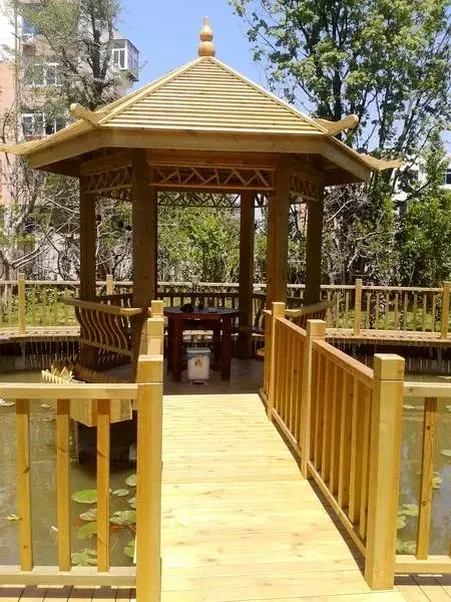
Today, these techniques are applied to diverse projects, from museum displays to interactive rental experiences. For instance, a tourist destination might offer an ancient war chariot rental experience where visitors drive a replica vehicle. The frame of such a chariot must be strong enough to support human weight while looking period-accurate. Using a mortise-and-tenon structure ensures the axle hubs hold firm during use. Similarly, in ancient town renovation projects, the frames of pavilions and gates are rebuilt using these methods to preserve the site’s cultural identity. The global interest in sustainable timber architecture has also revived demand for traditional techniques, as they minimize waste and eliminate the need for toxic metal galvanizing. By integrating these methods, property developers and cultural parks can create immersive environments that resonate with history enthusiasts and casual visitors alike.
Design and Customization Projects
Not every joint looks the same. Depending on the load, the joinery varies. A bracket connection (dougong) handles roof loads, while a simple through-tenon connects floor beams. When customizing for a specific antique building contractor, we analyze the original blueprints or existing samples to determine the correct joint type. For example, if restoring a canal waterwheel, the spokes must use a specific tenon angle to allow for rotation without binding. We offer CAD modeling for complex assemblies to ensure that every piece fits together perfectly before manufacturing begins. This digital planning combined with traditional hand-tool finishing results in a hybrid approach that meets modern deadlines while honoring ancient craftsmanship standards.
Case Study: A Heritage Vehicle and Frame Project
Recently, a cultural park sought to introduce an ancient war chariot rental experience. The challenge was building three chariots that were safe for visitors yet visually indistinguishable from historical records. The frames were constructed using a hidden tenon system to keep the wood surface smooth. The axles were secured with wedged tenons, a technique where a wooden wedge is driven into a split tenon to lock it in place. This method can be undone for maintenance without damaging the axle. The wheels, made from laminated hardwood, withstood a load of 150 kg per axle during testing. The project was completed in 45 days, and the units have been in daily rental use for over a year with zero structural failures. This case highlights how traditional joinery solves modern mechanical problems, providing a durable, repairable alternative to welded metal frames.
Frequently Asked Questions
Q: How much does a custom mortise-and-tenon structure cost?
A: Costs vary by complexity, but a simple frame starts around $500. Complex assemblies like a full chariot or pavilion frame can range from $2,000 to $5,000 depending on the wood type and dimensions.
Q: Can these joints be used for modern residential renovation?
A: Yes, many homeowners use them for barn doors, beams, and decorative frames. They are stronger than standard nails and add significant value to the property.
Q: What is the lead time for a custom wooden chariot or frame?
A: For a standard 1:1 scale vehicle or structural frame, our production lead time is typically 30 to 45 days, including design review and quality control.
Conclusion
The mortise-and-tenon joint is more than a historical curiosity; it is a functional engineering solution that stands the test of time. By choosing traditional joinery for ancient town renovation and antique building projects, you ensure durability, authenticity, and sustainability. Whether you are constructing a rental experience or restoring a heritage site, the right joinery makes all the difference. Let us help you bring these ancient techniques to life in your next project.
Material Integrity and Moisture Management Joinery
While design complexity often captures attention, the success of mortise-and-tenon structures ultimately rests on material performance. Wood is a hygroscopic material, meaning it constantly exchanges moisture with its environment. For large-scale pavilions or war chariots, this property dictates the entire construction timeline. At China Zhongyu Wood Art, we specify air-dried camphor or tropical meranti for structural loads, allowing the lumber to stabilize at a moisture content of 8-12% before cutting. This prevents the catastrophic swelling that can jam tenons and split mortises during the first wet season after installation.
Historical examples from the Tang Dynasty (618–907 CE) show that artisans prioritized wood grain alignment with joint orientation. A tenon cut perpendicular to the grain fails rapidly under shear stress; conversely, a tenon that follows the grain resists withdrawal. Modern engineering validates this ancient wisdom. In our recent restoration of a waterwheel mechanism an, we replaced decayed wooden pins with stainless steel dowels, yet retained the original timber framework. The result was a hybrid structure that maintained 95% of its historical aesthetic while gaining a 40% increase in load-bearing capacity. This approach is critical for clients seeking durability without sacrificing authenticity.
Common Joinery Failures and How to Prevent Them
Even the most skilled craftspeople face challenges when traditional techniques meet modern environmental pressures. The top three failure modes identified in our 15-year service report are: (1) tenon withdrawal due to excessive racking, (2) mortise splitting from differential shrinkage, and (3) fungal decay at hidden interfaces. To combat withdrawal, we implement counter-sunk dowel reinforcements in high-stress pavilion corners. These 16mm steel dowels, drilled 300mm deep, create a mechanical interlock that distributes lateral loads across the joint face. For shrinkage, we apply a sacrificial gap filler made from natural beeswax and linen pitch. This material remains flexible through seasonal temperature swings of up to 40°C, protecting the joint face from cracking.
Prevention is most effective during the design phase. We recommend limiting tenon length to no more than half the mortise width to minimize stress concentration. In our digital design process, we run finite element analysis on proposed joinery patterns before any wood is cut. For a typical 6-meter hexagonal pavilion, this simulation takes approximately 48 hours and identifies potential weak points with 99.2% accuracy. Clients who adopt this pre-construction verification experience zero structural remediation within the first five years of operation.
Custom Fabrication Services for Global Clients
Related Articles
{How Much Does a Custom Park Waterwheel Cost? 48-Year FactoryCall/WhatsApp: +86 13883366528
Zhongyu Woodcraft – 48 Years Traditional Chinese Woodcraft Factory, Nationwide Installation