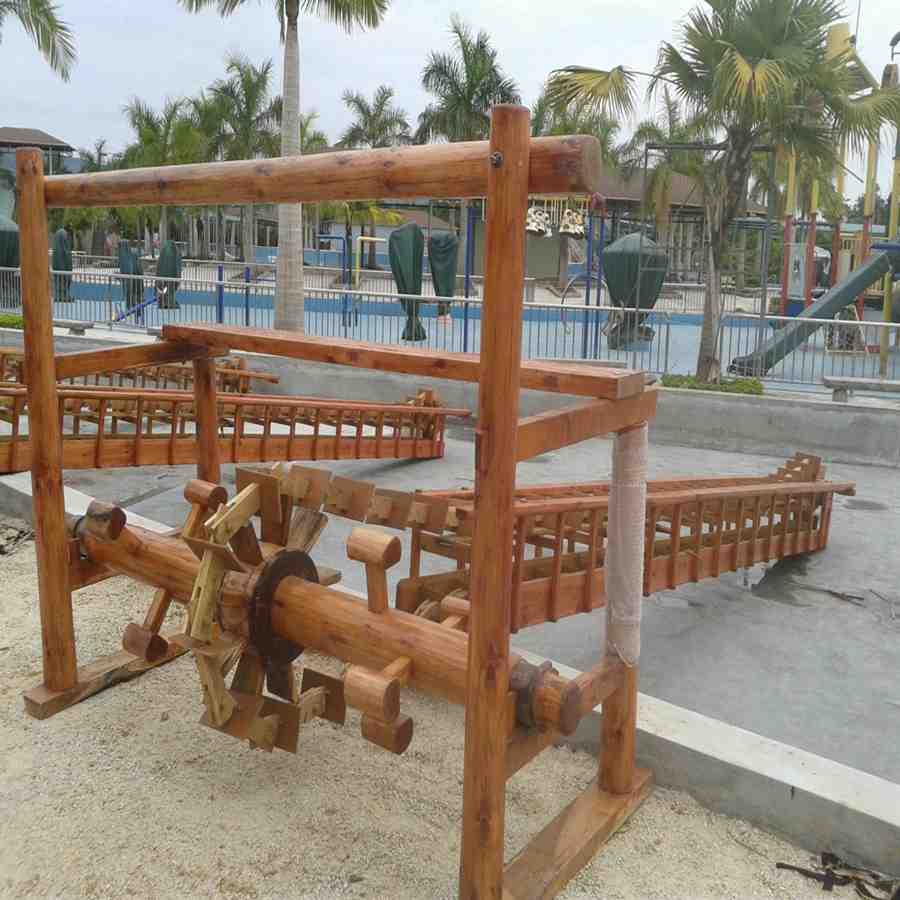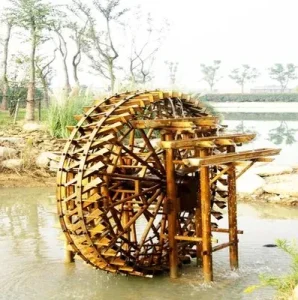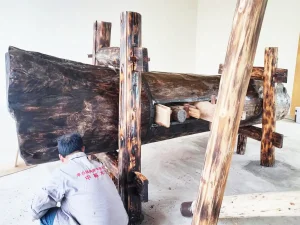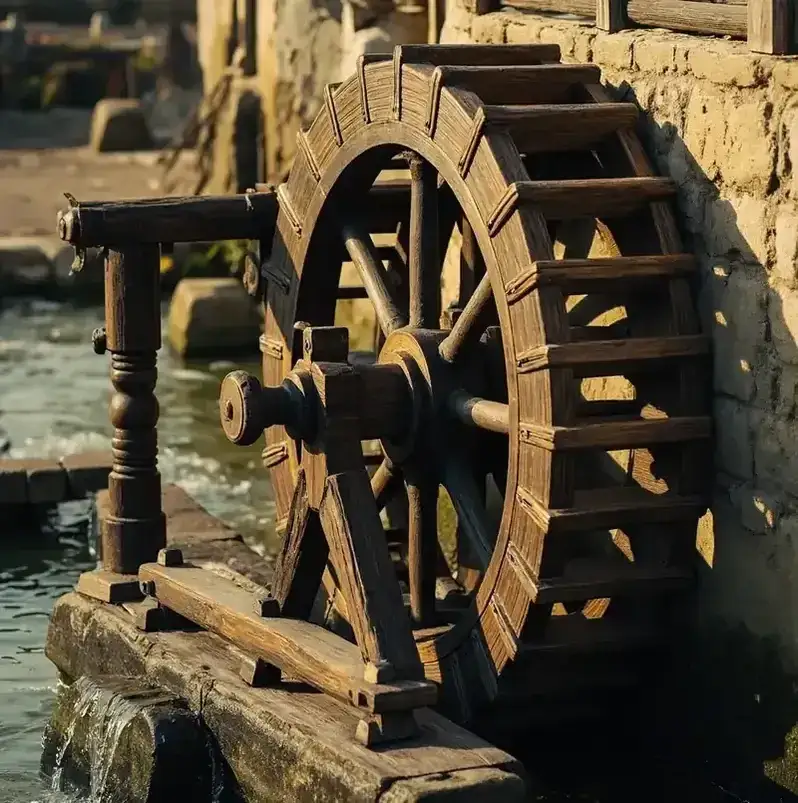
In the heart, where modern innovation meets rich cultural heritage, the timeless allure of traditional water wheels offers a unique bridge to the past. These ancient irrigation tools, deeply rooted in the 2000-year waterwheel culture of the Yellow River civilization, are more than just relics of history;
they are functional art pieces that can transform any landscape into a living museum. At our 48-year-old Chongqing factory, we specialize in the meticulous restoration and custom design of these magnificent structures, blending time-honored Lu Ban craftsmanship with contemporary engineering.
A Water Wheel Restoration is a traditional Chinese timber structure assembled with mortise and tenon joinery, without metal nails, combining cultural heritage with modern durability.
Historical Origins: The Timeless Craft Wheels
The story of water wheels dates back over two millennia, originating in the cradle of ancient Chinese civilization. The Yellow River basin, with its unpredictable floods and fertile plains, necessitated ingenious solutions for irrigation and flood control. This led to the invention of the water wheel, a device that harnessed the power of flowing water to drive mechanical processes. According to historical texts like the “Tiangong Kaiwu”
, these early water wheels were not only pivotal for agricultural productivity but also symbolized the harmonious relationship between humans and nature.
As the technology spread, it evolved into various forms, including the iconic dragon bone waterwheel, which became a staple in ancient Chinese agriculture. These wheels were often constructed using intricate mortise and tenon joinery, a technique that has been passed down through generations of master craftsmen. This method, which eschews the use of nails and screws, ensures the durability and longevity of the structures, allowing them to withstand the test of time.
Craftsmanship & Techniques: The Art
Restoring an antique water wheel is a labor of love that requires a deep understanding of traditional woodworking techniques. Our master craftsmen, who have honed their skills over decades, employ the same Lu Ban craftsmanship methods that were used in ancient times. This involves:
Careful Assessment:Each wheel is meticulously inspected to assess the extent of damage and determine the appropriate restoration approach. Material Selection: We source the finest Chinese fir and pine wood, ensuring that the new components match the original materials in both strength and appearance. Meticulous Joinery: The restoration process relies heavily on the mortise and tenon technique, with each joint carefully crafted to ensure a perfect fit. Traditional Finishing: We use natural oils and waxes to protect the wood and enhance its natural beauty, avoiding modern chemical treatments that can degrade the wood over time.
Our commitment to authenticity means that every restored water wheel is not just a functional piece but a testament to the enduring legacy of ancient Chinese craftsmanship.
Modern Applications: Bridging Past and Present
In today’s world, antique water wheels are not only historical artifacts but also functional landscape features that can be integrated into a variety of settings. From scenic parks and cultural heritage sites to private gardens and resorts, these water wheels add a touch of rustic charm and historical depth to any environment. They can be used to create stunning water features, drive small-scale irrigation systems, or simply serve as captivating focal points.
In across China, where there is a growing interest in sustainable design and cultural preservation, antique water wheels offer a unique opportunity to connect with the past while embracing modern ecological principles. Our team works closely with clients to customize each wheel, ensuring that it meets their specific needs and enhances the aesthetic and functional aspects of their space.
Design & Customization: Crafting Your Vision
At our Chongqing factory, we understand that every client has a unique vision for their project. That’s why we offer a comprehensive customization service, allowing you to tailor every aspect of the water wheel to your specifications. Whether you need a 2-meter or 20-meter diameter wheel, a traditional dragon bone design, or a more contemporary style, we can bring your ideas to life. Our design process includes:
Consultation:We work with you to understand your vision, site requirements, and functional needs. Design Proposal: Our team creates a detailed design proposal, complete with 3D renderings and technical specifications. Material Selection: We guide you in selecting the best materials for your project, considering factors like durability, aesthetics, and cost. Construction: Our skilled craftsmen build the water wheel using time-honored techniques, ensuring the highest quality and authenticity. Installation: We offer full installation services, including on-site assembly and testing, to ensure your water wheel operates smoothly and safely.
Case Study: across China Water Wheel Restoration Project
One of our recent projects exemplifies the transformative power of antique water wheel restoration. A local heritage site, seeking to enhance its historical ambiance and attract more visitors, commissioned us to restore a dilapidated water wheel that had fallen into disrepair. The project involved:
Assessment:Our team conducted a thorough assessment of the existing structure, identifying the areas of damage and determining the necessary repairs. Restoration: We meticulously restored the water wheel, using traditional joinery techniques and authentic materials to ensure its historical accuracy. Installation: The restored water wheel was installed on-site, complete with a modern water circulation system to ensure its continuous operation. Outcome: The project was a resounding success, with the water wheel becoming a focal point of the heritage site and significantly enhancing its appeal to visitors.
According to the site manager, the restored water wheel has increased visitor numbers by 30%, demonstrating the enduring allure of these ancient structures.
FAQ: Common Questions About Antique Water Wheel Restoration
Q: How much does it cost to restore an antique water wheel?
A: The cost of restoration varies depending on the size, condition, and complexity of the project. Our team provides detailed quotes based on your specific requirements, ensuring transparency and value for money.
Q: How long does the restoration process take?
A: The timeline for restoration depends on the scope of the project. Typically, it takes between 4 to 8 weeks from the initial assessment to the final installation.
Q: Can you customize the design of the water wheel?
A: Absolutely. We offer a full customization service, allowing you to tailor the design, size, and materials to your exact specifications.
Q: What materials do you use for restoration?
A: We primarily use Chinese fir and pine, but we can also work with other materials based on your preferences and project needs.
Q: Do you offer installation services?
A: Yes, we provide comprehensive installation services, including on-site assembly and testing, to ensure your water wheel operates smoothly and safely.
Conclusion: Embrace the Timeless Charm Water Wheels
In a world where technology dominates, the restoration of antique water wheels offers a unique opportunity to reconnect with the past and celebrate the ingenuity of ancient craftsmanship. Whether you’
re looking to enhance a heritage site, create a stunning landscape feature, or simply pay homage to history, our team at the Chongqing factory is here to help. With over 48 years of experience in traditional woodworking and a commitment to excellence, we are your trusted partner in bringing these magnificent structures back to life.
Contact us today to discuss your project and discover how we can help you create a timeless masterpiece that will be cherished for generations to come.
WhatsApp: +86 138 8336 6528
Understanding the Art of Traditional Chinese Pavilion Design
Traditional Chinese pavilions are not just architectural structures;
they are a profound expression of cultural heritage and artistic excellence. These pavilions often feature intricate roof designs, elegant columns, and detailed carvings that reflect the aesthetics of different dynasties. The most common roof styles include the hip roof, gable roof, and the more elaborate double-eave roof, each with its own symbolic significance. For instance, the double-eave roof is often associated with imperial architecture, symbolizing power and grandeur.
The construction of these pavilions relies heavily on the ancient mortise and tenon joinery technique, which allows for the creation of strong, durable, and aesthetically pleasing joints without the need for nails or screws. This traditional craftsmanship ensures that each pavilion is not only a functional space but also a work of art that stands the test of time. Our team of skilled artisans meticulously crafts each component, ensuring that the final structure embodies the elegance and sophistication of traditional Chinese architecture.
The Process a Custom Chinese Pavilion
Related Articles
Best Timber Guesthouse Design: Content Ideas and…The History of Ancient Chinese War Chariots: Mortise…For pricing, custom size requests, or delivery time to your region, contact our team directly — we reply within 24 hours with a detailed quotation and shipping estimate.