A garden bridge is one of those transformative elements that can elevate an ordinary outdoor space into something truly remarkable. Whether you are working with a compact urban backyard or sprawling estate grounds, the right garden bridge design can create visual interest, improve functionality, and serve as a stunning focal point. After 48 years of crafting traditional wooden structures, we have seen how a thoughtfully designed bridge can completely redefine a landscape.
The challenge many homeowners face is knowing where to begin. Should you choose a delicate arched footbridge or a substantial wooden crossing? What materials will withstand the elements while maintaining beauty? How do you scale the design to your specific garden size? This guide addresses these questions with practical insights drawn from decades of hands-on experience in traditional woodworking and landscape architecture.
Designing a Garden Bridge for Small Spaces
Small gardens require thoughtful garden bridge design that maximizes visual impact without overwhelming the available space. The key is selecting proportions and styles that complement rather than dominate your landscape. A compact arched bridge spanning a modest pond or stream can create the illusion of depth and grandeur, making a small garden feel significantly larger than it actually is.
For spaces under 500 square feet, we recommend bridges with spans between 3 and 6 feet. These dimensions allow for comfortable passage while maintaining an intimate, scaled appearance. An arched design is particularly effective in small gardens because the curve draws the eye upward and creates a sense of elegance. The classic Chinese-style arched bridge, with its gracefully curved profile and decorative railings, works beautifully in compact settings and adds immediate character to any garden.
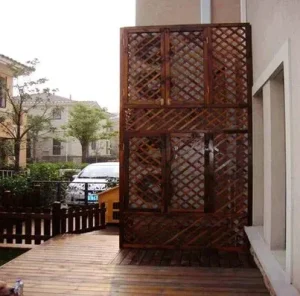
Visual expansion techniques are essential when working with limited space. Light-colored woods such as cedar or teak reflect more light and make the bridge appear less substantial. Open railing designs with vertical slats or lattice patterns maintain sightlines through the structure, preventing the bridge from feeling like a barrier. Additionally, positioning the bridge at an angle rather than straight across creates dynamic lines that guide the eye through the garden, enhancing the perception of space.
Consider integrating your small garden bridge with surrounding elements. A wooden garden bridge paired with strategically placed ornamental grasses, flowering perennials, or a small water feature creates a cohesive design narrative. The bridge should feel like a natural extension of the landscape rather than an added component. In our experience, the most successful small-scale installations use bridges that appear to have always belonged in the garden.
Material selection is equally important for small spaces. Weather-resistant hardwoods like ipe, mahogany, or teak offer durability with minimal maintenance, which is crucial when the bridge is prominently visible. These materials develop a handsome silver-gray patina over time if left untreated, or they can be sealed to maintain their original warm tones. For budget-conscious projects, high-quality composite materials provide excellent durability with virtually no maintenance requirements, though they lack the authentic character of natural wood.
Statement-Making Garden Bridges for Large Gardens
Large gardens present exciting opportunities for ambitious garden bridge design projects that serve as architectural statements. When space allows, you can create bridges that are not merely functional crossings but destination features that invite visitors to pause and appreciate their surroundings. The scale of your garden should inform the scale and complexity of your bridge design.
For expansive properties, consider multi-span bridges or structures that incorporate additional design elements. A traditional Chinese pavilion bridge combines the functionality of a crossing with an elegant sheltered seating area. These magnificent structures, often featuring curved roofs and ornate wooden railings, create intimate gathering spaces within the landscape. We have crafted numerous wooden pavilions and bridge-pavilion combinations that serve as stunning focal points in large estate gardens, park settings, and traditional Chinese-style landscapes.
Grand arched bridges with substantial spans ranging from 10 to 20 feet make powerful visual statements. These bridges work particularly well over wide water features, streams, or sunken garden areas where the arch creates dramatic shadow patterns and reflects beautifully in the water below. The structural requirements for larger spans demand careful engineering, and we always recommend working with experienced craftsmen who understand traditional joinery techniques combined with modern structural standards.
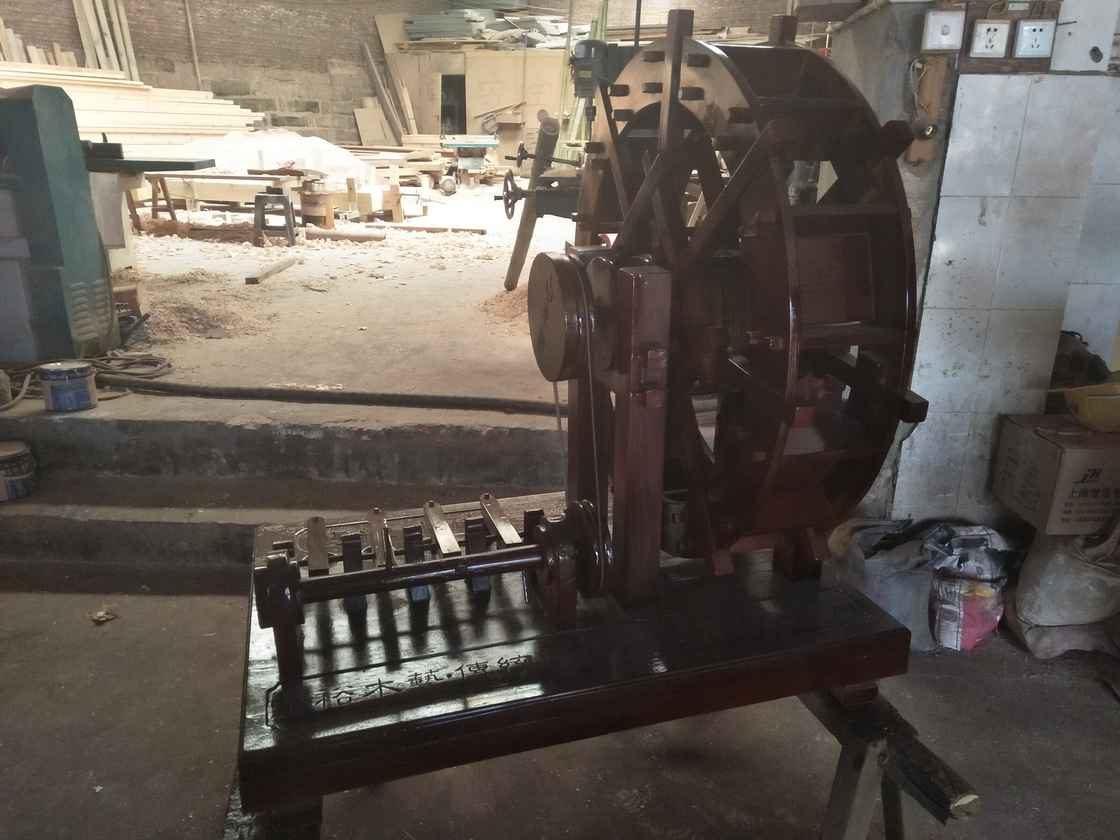
Historical and cultural themes can add depth and narrative to large garden bridges. Traditional Chinese ancient Chinese war chariots and siege weapons, when incorporated as decorative elements near bridge approaches, create immersive historical landscapes. Similarly, integrating wooden water wheels or traditional farming tools into the garden design around your bridge adds layers of meaning and visual interest that reward closer inspection.
Lighting design should be considered from the earliest planning stages. Well-placed pathway lights along the bridge, subtle uplighting on the arch structure, and lantern-style fixtures on railings can transform your bridge into a breathtaking nighttime feature. LED strip lighting installed beneath bridge railings or along the deck edge creates a floating effect that is particularly striking on still water surfaces. The interplay of light and shadow on wooden surfaces at night adds a dimension that daytime viewing simply cannot match.
Choosing the Right Materials for Your Garden Bridge
Material selection is perhaps the most critical decision in garden bridge design, as it directly affects durability, appearance, maintenance requirements, and overall cost. Understanding the properties and characteristics of different materials will help you make an informed choice that aligns with your aesthetic preferences and practical needs.
Natural hardwoods remain the gold standard for traditional wooden garden bridges. Cedar, redwood, teak, and ipe are all excellent choices, each offering distinct advantages. Western red cedar is naturally resistant to decay and insects, making it a popular choice for bridge construction. It is relatively lightweight, easy to work with, and develops an attractive silver-gray patina if left untreated. Quality cedar bridges can last 20 to 30 years or more with minimal maintenance.
Teak and ipe are tropical hardwoods known for exceptional durability and natural weather resistance. These materials can last 40 to 50 years or longer with proper installation and occasional maintenance. They are significantly more expensive than domestic hardwoods but offer superior longevity and resistance to warping, splitting, and insect damage. For historic restoration projects or settings where authenticity is paramount, these premium woods are often the only appropriate choice.
Pressure-treated southern yellow pine offers a budget-friendly alternative that provides good decay resistance when properly maintained. While not as visually appealing as premium hardwoods, pressure-treated lumber can be stained or painted to achieve various aesthetic effects. This material typically requires more frequent maintenance than natural hardwoods, with sealant applications needed every two to three years to maintain protection against moisture and UV damage.
Composite materials have advanced significantly in recent years, offering realistic wood appearances with dramatically reduced maintenance requirements. Modern composites resist fading, staining, mold, and insect damage, making them ideal for busy homeowners who want the look of wood without the upkeep. However, composites lack the authentic character and warmth of natural wood, and they can feel less substantial underfoot. For traditional traditional wooden products and historical reproductions, natural hardwoods remain the preferred choice.
Key Considerations for Garden Bridge Installation
Successful garden bridge design extends beyond aesthetics to encompass structural integrity, safety, drainage, and long-term maintenance considerations. Overlooking these practical aspects during the design phase can lead to costly problems later, so it is essential to address them comprehensively before breaking ground.
Structural planning is the foundation of any successful bridge installation. The bridge must be designed to support expected loads, including foot traffic, occasional maintenance equipment, and environmental forces such as wind and water flow. For spans under 8 feet, simple beam construction with adequate support is usually sufficient. Larger spans require more sophisticated engineering, potentially incorporating truss systems, arch supports, or cantilevered designs that distribute weight effectively across multiple support points.
Drainage and water management are critical, especially for bridges spanning streams or water features. The bridge design should not obstruct natural water flow or contribute to erosion. Proper foundation placement, with supports positioned to minimize stream bed disturbance, helps maintain healthy aquatic ecosystems. In areas prone to flooding, elevated bridge designs with open undersides allow water to pass freely without creating damaging pressure against the structure.
Safety features must be incorporated into every garden bridge design. Railings should be installed on both sides for bridges wider than 2 feet or elevated more than 18 inches above ground or water. Standard railing height ranges from 30 to 36 inches, with vertical balusters spaced no more than 4 inches apart to prevent accidents. Non-slip deck surfaces, achieved through textured wood treatments, grooved decking, or integrated grip strips, are essential for maintaining safe footing in wet conditions.
Maintenance planning should begin before installation, not after. Establish a regular inspection schedule that checks for loose fasteners, structural movement, surface wear, and signs of moisture damage. Wooden signboards and wayfinding elements near the bridge should be included in this routine. Annual cleaning, periodic resealing or restaining, and prompt repair of any damage will significantly extend your bridge lifespan and preserve its appearance. For custom wooden products and specialized installations, we recommend professional maintenance services every three to five years for comprehensive inspection and restoration.
Permitting and regulatory considerations vary by location and should be addressed early in the planning process. Many municipalities require permits for structures spanning waterways or exceeding certain height and span dimensions. Working with experienced craftsmen who understand local building codes and traditional construction methods ensures compliance while maintaining the authentic character that makes garden bridges so desirable.
Frequently Asked Questions
What is the ideal span for a small garden bridge?
For small gardens, bridges with spans between 3 and 6 feet work best. This range provides comfortable passage while maintaining an intimate, scaled appearance that complements compact spaces without overwhelming the landscape. Arched designs in this span range create visual interest and the illusion of greater depth.
How long do wooden garden bridges last?
The lifespan of a wooden garden bridge depends on material choice and maintenance. Quality hardwoods like teak and ipe can last 40 to 50 years or longer. Western red cedar typically lasts 20 to 30 years with minimal maintenance. Pressure-treated pine requires more frequent upkeep but can still provide decades of service. Regular maintenance, including cleaning and resealing every two to three years, significantly extends bridge longevity.
Do I need a permit for a garden bridge?
Permit requirements vary by location and depend on factors such as bridge size, span, proximity to waterways, and elevation. Many municipalities require permits for structures spanning waterways or exceeding certain dimensions. It is essential to check local building codes and regulations before beginning construction. Working with experienced craftsmen who understand local requirements can help navigate the permitting process smoothly.
What is the best wood for an outdoor garden bridge?
The best woods for outdoor garden bridges include western red cedar, teak, ipe, and mahogany. Cedar offers natural decay resistance and is relatively affordable. Teak and ipe provide exceptional durability and can last 40 to 50 years with minimal maintenance, though they come at a higher price point. The choice depends on your budget, aesthetic preferences, and maintenance willingness. All three types develop attractive appearances over time when properly maintained.
How do I maintain a wooden garden bridge?
Regular maintenance includes annual inspections for loose fasteners, structural movement, and surface wear. Clean the bridge surface yearly with a mild detergent and soft brush. Apply sealant or stain every two to three years to protect against moisture and UV damage. Promptly repair any damage to prevent deterioration from spreading. For bridges over water, pay special attention to support structures and check for signs of erosion or water damage.