Ancient Chinese pavilions, with their intricate designs and profound cultural significance, have captivated architects and historians worldwide. These structures, ranging from the elegant hexagonal pavilion to the majestic double-eaved pavilion, are not just architectural marvels but also embodiments of China’s rich heritage. In this article, we delve into the origins, craftsmanship, and modern applications of these timeless structures, providing insights into why they continue to inspire awe and admiration across the globe.
A Exploring Ancient Craftsmanship is a traditional Chinese timber structure assembled with mortise and tenon joinery, without metal nails, combining cultural heritage with modern durability.
At Zhongyu Woodart, our Exploring Ancient Craftsmanship is crafted with traditional mortise and tenon joinery, ensuring durability and timeless beauty. Exploring Ancient Craftsmanship projects across China have been delivered with decades of woodworking heritage.
Historical Origins: The Evolution of Chinese Pavilions
Chinese pavilions have a history that dates back over a thousand years, with their roots in the Tang Dynasty (618-907 AD). Initially, they served as simple shelters for travelers and officials, but over time, they evolved into sophisticated structures that played pivotal roles in Chinese society. According to the Yingzao Fashi (Building Standards), a 12th-century architectural treatise, pavilions were integral to Chinese gardens and landscapes, serving as places for relaxation, meditation, and social gatherings.
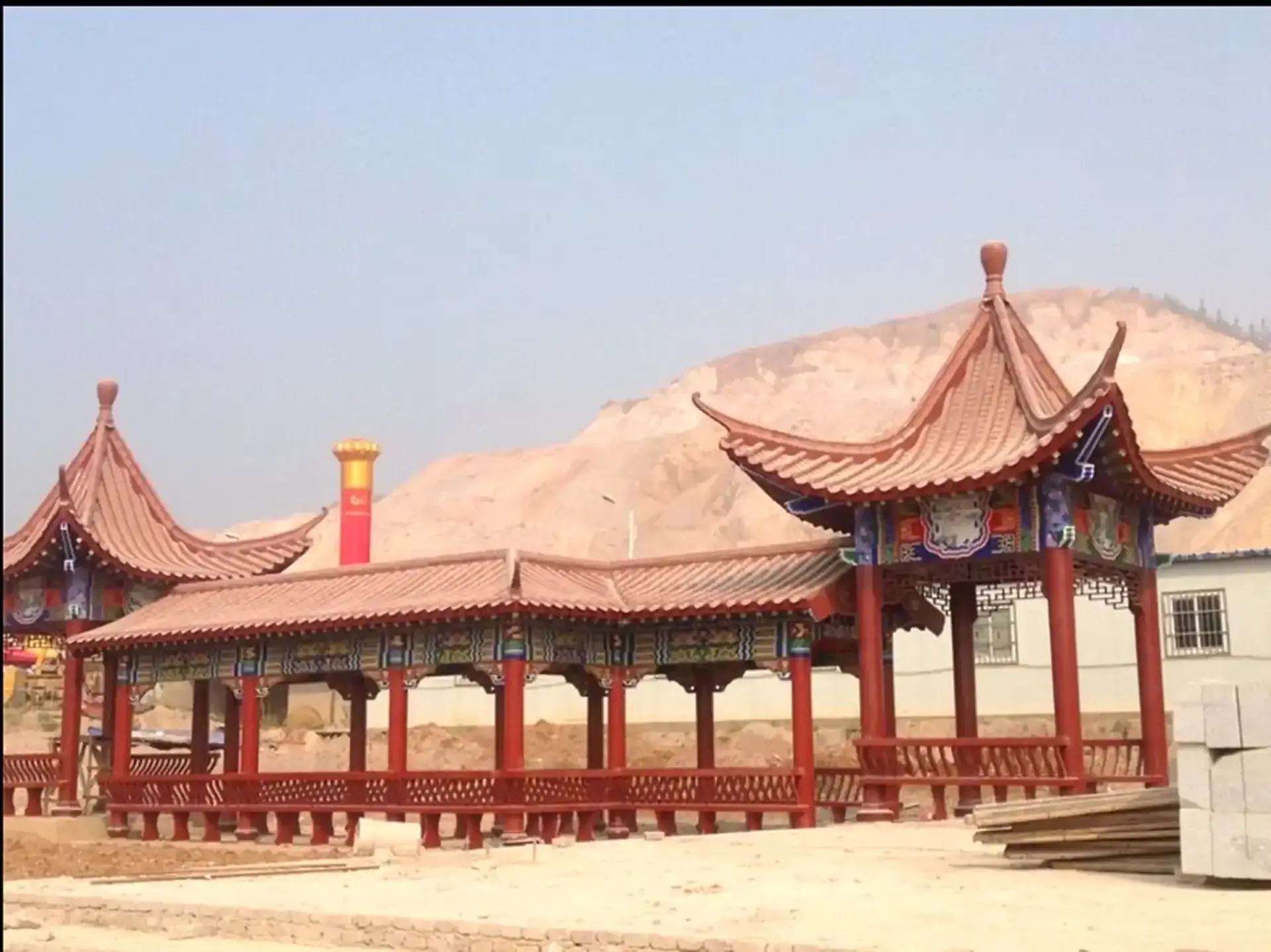
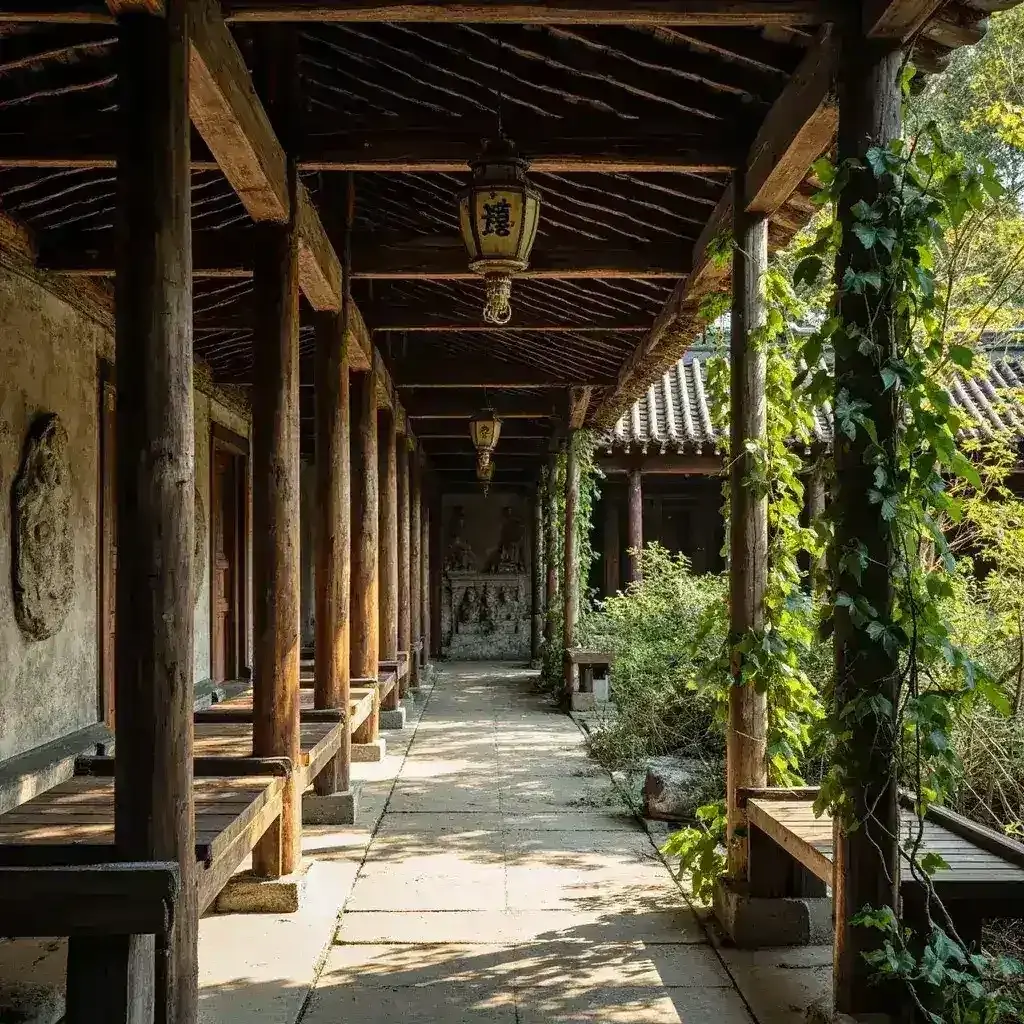
The design of these pavilions was heavily influenced by the principles Shui and Confucian philosophy, emphasizing harmony with nature and the balance of yin and yang. The covered corridor, a type of pavilion, was often used to connect different parts of a garden or palace, creating a seamless flow between indoor and outdoor spaces.
Craftsmanship & Techniques: The Art of Traditional Chinese Woodworking
The construction of ancient Chinese pavilions is a testament to the mastery of traditional woodworking techniques, particularly the use of mortise and tenon joints. This method, which involves interlocking wooden pieces without the use of nails or screws, is renowned for its strength and durability. Our master craftsman, with decades of craftsmanship, explains that this technique not only ensures structural integrity but also allows for the intricate designs and delicate carvings that are characteristic of Chinese pavilions.
Materials play a crucial role in the construction of these pavilions. High-quality woods such as pine, merbau, and teak are commonly used, each offering unique benefits. For instance, merbau is prized for its resistance to decay and pests, making it ideal for outdoor structures. Our pavilions are crafted using FSC-certified wood, ensuring sustainability and environmental responsibility.
Key Craftsmanship Features:
Mortise and Tenon Joints: Provides superior strength and durability. Traditional Hand-Carving: Adds aesthetic value and cultural significance. Natural Finishes: Enhances the wood’s natural beauty while protecting it from the elements.
Modern Applications: Bringing Ancient Traditions into the 21st Century
In today’s world, ancient Chinese pavilions are finding new applications in various settings, from private gardens to public parks and commercial spaces. Their timeless appeal and cultural significance make them ideal for creating unique and memorable spaces. For instance, in urban areas, pavilions can serve as tranquil retreats amidst the hustle and bustle of city life. In cultural heritage sites, they offer visitors a glimpse into the past, preserving history while providing functional spaces for gatherings and events.
Our pavilions have been featured in numerous projects worldwide, including a recent installation at a prominent cultural park. This project, which involved the construction of a square pavilion and a covered walkway, was designed to blend traditional Chinese architecture with modern aesthetics, creating a space that is both functional and visually stunning.
Design & Customization: Tailoring Pavilions to Your Needs
At Zhongyu Woodcraft, we understand that each client has unique needs and preferences. That’s why we offer a wide range of customization options, allowing you to tailor your pavilion to your specific requirements. Whether you need a thatched pavilion for a private garden or a waterside pavilion for a scenic landscape, we can create a design that meets your needs.
Our customization process begins with a detailed consultation, where we discuss your vision, budget, and timeline. We then work with you to create a design that incorporates traditional elements while also meeting modern standards for safety and durability. Our team of skilled craftsmen uses the finest materials and techniques to bring your vision to life, ensuring that your pavilion is both beautiful and functional.
Customization Options:
Size and Dimensions: From small pavilions to large, multi-level structures. Materials: Choose from a variety of woods, including pine, merbau, and teak. Design Elements: Incorporate traditional carvings, decorative elements, and finishes. Functionality: Add features such as seating, lighting, and storage.
Case Study: A Stunning Pavilion Installation in a European Cultural Park
One of our most notable projects was the installation of a double-eaved pavilion in a renowned cultural park. This project, which spanned over six months, involved the construction of a 10-meter-wide pavilion that served as a centerpiece for the park’s landscape. The pavilion, crafted from premium merbau wood, featured intricate carvings and traditional Chinese motifs, creating a space that was both culturally significant and visually striking.
The project was a resounding success, with the pavilion becoming a popular attraction for visitors. According to park officials, the pavilion has significantly enhanced the park’s aesthetic appeal and cultural value, drawing in thousands of visitors each month.
Project Highlights:
Location: European Cultural Park Size: 10 meters wide, 8 meters tall Materials: Merbau wood Duration: 6 months Outcome: Enhanced park aesthetics and cultural value, increased visitor numbers
FAQ
Q: What are the most common materials used in ancient Chinese pavilions?
A: The most common materials include pine, merbau, and teak. Each material offers unique benefits, such as durability, resistance to decay, and aesthetic appeal.
Q: How long does it take to build a traditional Chinese pavilion?
A: The construction time varies depending on the size and complexity of the pavilion. On average, it takes about 3-6 months to complete a medium-sized pavilion.
Q: Can pavilions be customized to fit specific design requirements?
A: Absolutely. We offer a wide range of customization options, allowing clients to tailor their pavilions to their specific needs and preferences.
Conclusion
Ancient Chinese pavilions are more than just architectural structures; they are cultural icons that embody the principles of harmony, balance, and beauty. At Zhongyu Woodcraft, we are committed to preserving these traditions while also adapting them to meet the needs of modern society. Whether you’re looking to create a tranquil retreat in your garden or a stunning centerpiece for a public space, our pavilions offer a unique blend of tradition and innovation.
Contact us today to learn more about our pavilions and to discuss your project needs. We look forward to working with you to create a space that is both beautiful and meaningful.
Timeless Craftsmanship: The Art and Tenon Joinery
At the heart of our pavilion designs lies the ancient art of mortise and tenon joinery, a technique that has been perfected over centuries. This method involves connecting two pieces of wood by fitting a projecting tenon from one piece into a corresponding mortise hole in the other. This creates a strong, durable, and aesthetically pleasing joint that requires no nails or screws. Our skilled craftsmen meticulously cut and fit each joint by hand, ensuring that every pavilion we create is not only structurally sound but also a testament to the timeless beauty of traditional woodworking.
The mortise and tenon joinery technique offers several advantages. Firstly, it allows for the natural expansion and contraction of the wood, which is crucial in maintaining the structural integrity of the pavilion over time. This is particularly important in outdoor settings where the pavilion will be exposed to the elements. Secondly, the absence of metal fasteners means that there is no risk of corrosion or rust, which can compromise the appearance and durability of the structure. Finally, the craftsmanship involved in creating these joints adds a level of artistry and sophistication to the pavilion that is simply unmatched by modern construction methods.
Customization and Personalization: Tailoring Your Pavilion to Your Vision
We understand that every client has unique needs and preferences, which is why we offer a wide range of customization options for our pavilions. Whether you are looking to incorporate specific design elements, use particular types of wood, or add personalized engravings or carvings, we can work with you to create a pavilion that is truly one-of-a-kind. Our design team will collaborate closely with you to understand your vision and translate it into a detailed plan that meets your exact specifications.
In addition to design customization, we also offer a variety of functional features that can be integrated into your pavilion. These include built-in seating, lighting, and storage solutions, as well as options for adding screens or curtains for privacy and shade. Our goal is to create a space that not only looks beautiful but also serves your practical needs and enhances your overall experience.
Sustainable Practices: Eco-Friendly Pavilion Solutions
Related Articles
Related Articles
For pricing, custom size requests, or delivery time to your region, contact our team directly we reply within 24 hours with a detailed quotation and shipping estimate.
Call/WhatsApp: +86 13883366528
Zhongyu Woodcraft – 48 Years Traditional Chinese Woodcraft Workshop, Nationwide Installation
相关推荐
了解更多相关内容:Traditional Wood、Exploring Tradit。