For over a thousand years, traditional Chinese woodcraft has created architectural marvels without using a single nail. At Zhongyu Woodcraft, we have dedicated long-establisheds to preserving and advancing this ancient art. This guide explores the history, techniques, and modern applications of Chinese woodworking, revealing why this tradition remains relevant today.
Customizable Products
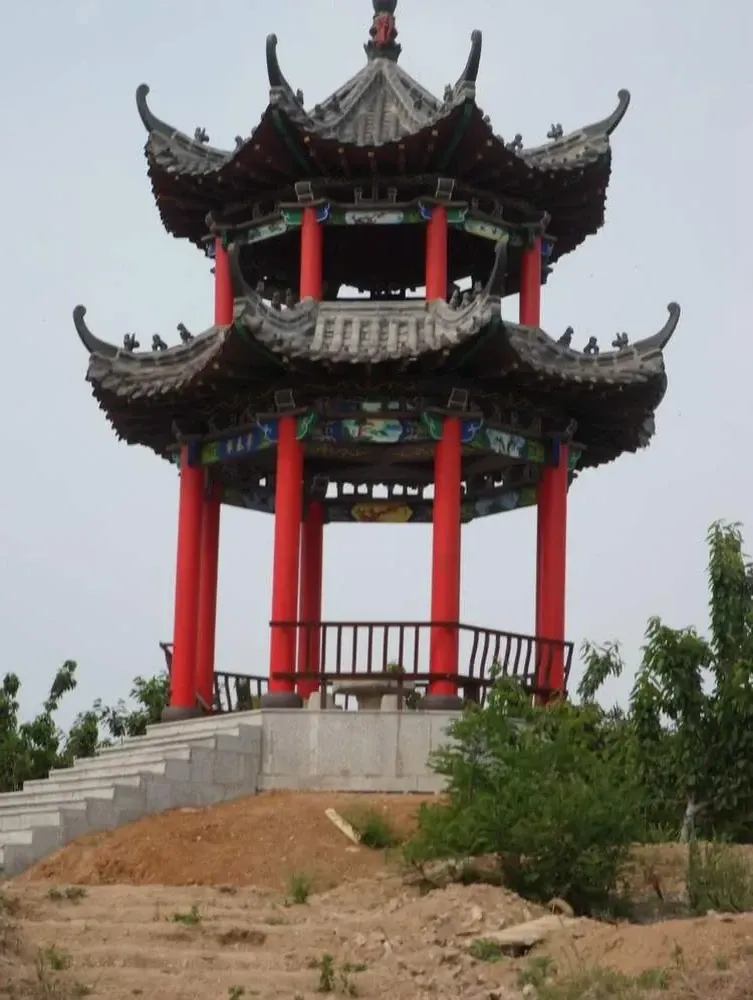
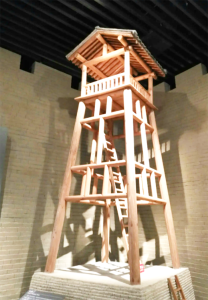
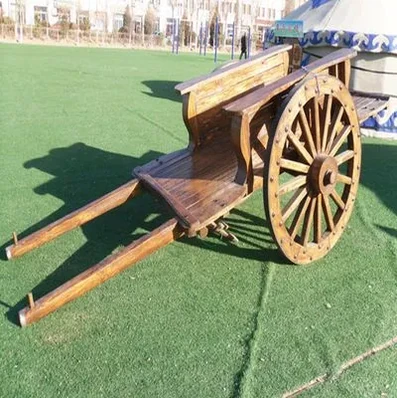
Zhongyu Woodcraft offers custom solutions for various structures, including ancient buildings, pavilions, and hexagonal products. All products can be customized according to your drawings and installed nationwide. With decades of mortise and tenon craftsmanship, we welcome you to discuss your specific needs.
The Historical Roots of Chinese Woodworking
Chinese woodworking dates back over 7,000 years, with evidence of sophisticated joinery techniques like mortise and tenon joints from the Neolithic era. The Zhou and Han dynasties further developed these techniques, leading to the publication of the Yingzao Fashi in 1103, a comprehensive manual that standardized building practices.
The Tang and Song dynasties marked the golden age of Chinese woodcraft. The Yingzao Fashi demonstrated the engineering sophistication of Chinese structures, which were designed to flex and absorb seismic energy. The Forbidden City, built during the Ming Dynasty, has survived over 200 earthquakes due to its resilient wooden frame and interlocking dougong brackets.
Core Techniques: Mortise and Tenon Joinery
The mortise and tenon joint is the cornerstone of traditional Chinese woodcraft. This method connects two pieces of wood without metal fasteners, creating a joint often stronger than the wood itself. Variations include:
相关推荐
了解更多相关内容:Traditional Wood、Exploring Tradit。