Have you ever walked through a historic commercial district and felt an inexplicable pull toward a particular building? Often, it’s not the grand facade but the intricate details—like the ornate wooden brackets hanging beneath eaves—that capture your attention. In Luoyang, one of China’s ancient capitals, a recent revitalization project has transformed a commercial street into a viral sensation, thanks to the meticulous application of traditional painted wooden components, specifically the chuitou (chuitou), or hanging flower heads. As a manufacturer with 48 years of experience in crafting traditional wooden structures, we understand the profound impact these details have on creating immersive, culturally rich environments. This article explores the art of the chuitou, its role in modern commercial spaces, and how you can incorporate these timeless elements into your own projects.
What is a Chuitou (Hanging Flower Head) in Traditional Chinese Architecture?
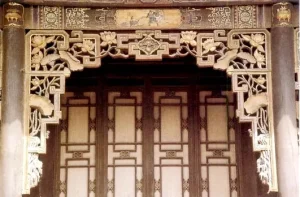
chuitou, literally translated as “hanging flower head,” is a decorative wooden component that hangs vertically from the end of a purlin or beam, typically beneath the eaves of traditional Chinese buildings. It is a hallmark of traditional Chinese joinery, often featuring intricate carvings of flowers, clouds, or auspicious symbols. The chuitou is not merely ornamental; it serves a structural purpose by helping to support the eaves while adding a layer of artistic expression.
In the context of the Luoyang project, the chuitou elements were crafted using mortise and tenon joints, a technique that has been refined over millennia. This method ensures durability and authenticity, allowing the wooden details to withstand the test of time and weather. The carvings are then brought to life with traditional Chinese painting techniques, using mineral-based pigments that offer vibrant colors and long-lasting protection against the elements.
For commercial streets, the inclusion of chuitou details does more than just beautify. It creates a sense of place, transporting visitors to a different era. The visual rhythm of these hanging elements along a roofline adds depth and character, making the street more photogenic and, consequently, more shareable on social media platforms—a key factor in the project’s viral success.
Beyond aesthetics, the chuitou represents a connection to cultural heritage. In a world of standardized glass-and-steel architecture, these wooden accents offer a tangible link to the past. They tell a story of craftsmanship, patience, and a deep respect for nature’s materials. For businesses, investing in such traditional elements can differentiate their brand, appealing to consumers who value authenticity and cultural depth.
If you are considering adding chuitou or similar wooden pavilions to your commercial space, understanding the craftsmanship involved is crucial. Each piece is a unique work of art, shaped by skilled hands using techniques passed down through generations.
The Art of Traditional Painted Woodwork in the Luoyang Project
The Luoyang ancient city project is a prime example of how traditional painted woodwork can elevate a commercial environment. The process begins with selecting the right timber, typically high-density hardwoods like oak or elm, which are resistant to warping and insect damage. After the wood is seasoned and cut, artisans employ traditional woodworking techniques to carve the intricate patterns. This is where the magic happens—each chisel stroke is deliberate, each curve intentional.
Once the carving is complete, the painting process begins. Unlike modern paints, traditional Chinese paints are often made from natural materials. Layers of lacquer are applied, sometimes with fabric inlay, to create a smooth, durable base. Then, artisans apply colors using a technique called caihua (), or color painting. This involves outlining patterns with precise brush strokes and filling them with vibrant hues. The result is a finish that is both visually stunning and resistant to UV rays and moisture.
The application of these painted details in a commercial street setting requires careful planning. The colors must harmonize with the surrounding architecture and the intended atmosphere. In Luoyang, the palette was chosen to evoke a sense of imperial grandeur while remaining welcoming to modern visitors. The painted wooden details not only adorn the chuitou but also extend to beams, brackets, and even wooden signboards, creating a cohesive visual language.
For property developers and city planners, the Luoyang project demonstrates the commercial viability of cultural investment. The street has become a destination in itself, drawing tourists and locals alike. The increased foot traffic has benefited local businesses, proving that aesthetic quality can directly impact economic performance. Moreover, the project has generated significant media coverage and social media buzz, effectively marketing the city as a cultural tourism hub.
From a technical perspective, the longevity of these installations depends on proper maintenance. Regular inspections for cracks or paint wear, along with periodic re-oiling or re-lacquering, can extend the life of the woodwork. Our experience in crafting wooden garden bridges and other outdoor structures has taught us the importance of using weather-resistant finishes and robust joinery to ensure that beauty endures.
Why Chuitou and Traditional Wooden Details Are Going Viral on Social Media
The viral nature of the Luoyang project can be attributed to the innate human attraction to beauty and craftsmanship. In an age of digital saturation, people crave authentic experiences. The chuitou, with its intricate carvings and vibrant colors, offers a visual feast that is inherently “Instagrammable.” Visitors are not just seeing a building; they are witnessing a piece of art. This emotional connection drives them to capture and share their experiences, effectively turning each visitor into a brand ambassador for the location.
Moreover, the traditional Chinese aesthetic has seen a global resurgence. From fashion to interior design, elements of Oriental elegance are being embraced worldwide. The chuitou, as a symbol of this aesthetic, resonates with a broad audience. For international viewers, it represents an exotic yet accessible form of art. For the Chinese diaspora, it is a nostalgic reminder of cultural roots. This dual appeal amplifies its shareability across different demographics.
Businesses looking to replicate this success should consider integrating custom wooden features into their physical spaces. Whether it’s a single decorative bracket or a full-scale wooden pavilion, these elements create a unique atmosphere that cannot be replicated by digital or mass-produced alternatives. They offer a tactile, three-dimensional experience that engages all the senses, making a lasting impression on customers.
Furthermore, the story behind the craftsmanship adds another layer of appeal. In a world of fast fashion and disposable goods, knowing that a piece was hand-carved by a skilled artisan over several days—or even weeks—adds to its perceived value. Sharing this story through signage, social media, or guided tours can deepen the customer’s appreciation and loyalty.
For those in the hospitality or retail sectors, incorporating such traditional elements can be a strategic move. A tea room with a carved wooden screen, a boutique hotel with a decorative ceiling, or a restaurant with an ornate entrance all stand out in a crowded market. These details signal quality and care, encouraging customers to spend more time and money.
How to Incorporate Traditional Painted Wooden Details into Your Commercial Space
If you’re inspired by the Luoyang project and wish to add similar traditional elements to your own commercial space, there are several key considerations. First, assess the architectural style of your building. Chuitou and other traditional wooden components are most effective when they complement the existing structure. For a modern building, a subtle incorporation—such as a carved wooden sign or a decorative bracket—might be more appropriate than a full-scale traditional facade.
Next, consider the purpose of the space. For a retail store, the goal might be to attract foot traffic and create a memorable brand image. For a restaurant or café, the aim could be to enhance the dining atmosphere. In either case, the wooden details should align with your brand identity. For example, a high-end tea house might opt for darker woods with gold accents, while a family-friendly eatery might choose lighter colors and playful carvings.
When commissioning custom work, it’s essential to work with a manufacturer that understands both the traditional techniques and the practical requirements of modern commercial use. At Zhongyu Woodcraft, we specialize in creating custom wooden products, from wooden signboards to full wooden cabins. Our team can guide you through the selection of materials, design, and installation, ensuring that the final product meets your aesthetic and functional needs.
Budget is another critical factor. Traditional hand-carved and painted woodwork is labor-intensive, and the cost reflects the skill and time involved. However, the return on investment can be significant. A well-executed installation can increase property value, attract media attention, and create a loyal customer base. It’s an investment in distinction.
Finally, think about maintenance. While traditional paints and lacquers are durable, they are not maintenance-free. In commercial settings, where exposure to weather and human interaction is high, regular upkeep is necessary. We recommend scheduling annual inspections and touch-ups to keep the woodwork looking its best. This proactive approach will ensure that your investment continues to pay dividends for years to come.
The Role of Traditional Wooden Elements in Modern Commercial Design
The Luoyang project is just one example of a broader trend: the integration of traditional elements into modern commercial design. This movement is not about replicating the past but about reinterpreting it in a contemporary context. By blending ancient craftsmanship with modern functionality, designers create spaces that are both nostalgic and forward-thinking.
One of the key benefits of this approach is sustainability. Wood is a renewable resource, and traditional joinery methods often require less energy than steel or concrete production. Additionally, wooden structures can be disassembled and reused, reducing waste. For businesses committed to environmental responsibility, incorporating wood is a tangible way to demonstrate their values.
Moreover, wooden elements have a positive impact on human well-being. Studies have shown that exposure to natural materials can reduce stress and improve cognitive function. In a commercial setting, this translates to a more pleasant shopping or dining experience, encouraging customers to linger and return. The warmth of wood also contrasts with the coldness of metal and glass, creating a welcoming environment.
For developers of wooden houses and eco-resorts, the appeal is even more direct. Guests actively seek out accommodations that offer a unique, nature-connected experience. Traditional wooden details, such as exposed beams or carved panels, enhance the rustic charm that these properties promise. They also serve as conversation pieces, enhancing the overall guest experience.
To sum up, the chuitou project in Luoyang is a testament to the enduring power of traditional craftsmanship. It shows that even in our fast-paced, digital world, there is a deep appreciation for the handmade, the authentic, and the beautiful. By incorporating these elements into commercial spaces, businesses can create meaningful connections with their customers, stand out from the competition, and contribute to the preservation of cultural heritage.
If you are considering a similar project, we invite you to explore our range of custom wooden products. From initial design to final installation, our team is ready to bring your vision to life. Contact us today to discuss how we can help you create a space that is not only commercially successful but also culturally significant.
Conclusion
The viral success of the Luoyang chuitou project underscores a universal truth: people are drawn to beauty, craftsmanship, and cultural authenticity. By integrating traditional painted wooden details into commercial streets, businesses can create immersive environments that attract visitors, generate social media buzz, and drive economic growth. This approach is not limited to historic cities; it can be adapted to any commercial setting, from urban boutiques to rural resorts.
The key is to work with skilled artisans and manufacturers who can deliver high-quality, authentic pieces. With our 48 years of experience in crafting traditional wooden structures, including wooden pavilions, garden bridges, and signboards, we are well-equipped to support your project. Whether you need a single decorative element or a complete architectural installation, we can provide the expertise and craftsmanship needed to make your space truly special.
We encourage you to explore the possibilities and consider how these timeless elements can enhance your commercial environment. The investment goes beyond mere decoration; it is an investment in creating a lasting impression and a meaningful connection with your audience. Let us help you craft a space that tells a story and stands the test of time.
Frequently Asked Questions
What is a chuitou (hanging flower head) in Chinese architecture?
A chuitou is a decorative wooden bracket that hangs vertically from the end of a beam beneath the eaves in traditional Chinese buildings. It is often intricately carved and painted, serving both structural and aesthetic purposes, adding elegance and cultural depth to structures.
How are traditional painted wooden details applied to modern commercial buildings?
Traditional painted wooden details are applied by first selecting durable hardwoods, then carving intricate patterns using hand tools. These are then painted with natural lacquers and mineral pigments. For modern buildings, these elements are integrated as decorative accents on facades, entrances, or interiors, blending old-world charm with contemporary design.
What are the benefits of incorporating traditional woodwork into a commercial space?
Incorporating traditional woodwork can significantly enhance a commercial space by creating a unique, culturally rich atmosphere that attracts customers. It also boosts aesthetic appeal, increases property value, and can generate positive media and social media attention, ultimately driving foot traffic and sales.
How long does it take to create custom chuitou elements?
The time to create custom chuitou elements varies based on complexity and size. A single, simple piece might take a few days, while an elaborate, large-scale installation could take several weeks. It is best to consult with a manufacturer to get a precise timeline for your specific project.
Can traditional wooden details be used in outdoor commercial settings?
Yes, traditional wooden details are highly suitable for outdoor use, provided they are made from durable hardwoods and finished with weather-resistant lacquers. Regular maintenance, such as annual inspections and touch-ups, will help preserve their appearance and structural integrity for many years.