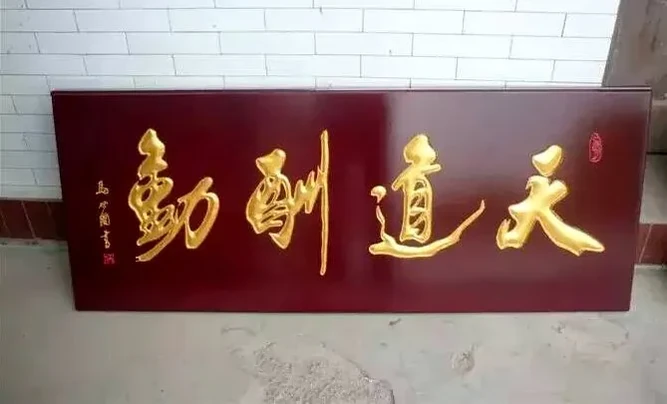
Wood carving plaques have been an integral part of Chinese culture for centuries, serving as symbols of prosperity, longevity, and heritage. As interest in traditional crafts surges worldwide, the art of woodcarving continues to captivate global audiences. In this article, we delve into the intricate process of crafting these exquisite pieces, exploring their historical roots, the craftsmanship involved, and their modern applications. Whether you’re an enthusiast, a collector, or someone seeking to incorporate these timeless elements into your space, this guide will provide valuable insights into the world of art woodcarving crafting.
A art woodcarving crafting is a traditional Chinese timber structure assembled with mortise and tenon joinery, without metal nails, combining cultural heritage with modern durability.
A How Are Carving is a traditional Chinese timber structure assembled with mortise and tenon joinery, without metal nails, combining cultural heritage with modern durability.
At Zhongyu Woodart, our How Are Carving is crafted with traditional mortise and tenon joinery, ensuring durability and timeless beauty. How Are Carving projects across China have been delivered with 48 years of woodworking heritage.
Historical Origins: Tracing the Roots Carving in China
The tradition of wood carving in China dates back to ancient times, with its origins intertwined with the country’s rich cultural and artistic heritage. According to historical records, wood carving was already a well-developed craft during the Tang Dynasty (618-907 AD). The Yingzao Fashi, a Song Dynasty architectural treatise, provides detailed descriptions of woodwork techniques, highlighting the sophistication of this craft even in earlier periods.
Wood carving plaques, particularly those with calligraphy and relief designs, gained prominence during the Ming (1368-1644) and Qing (1644-1912) dynasties. These pieces often adorned temples, ancestral halls, and residences of the elite, serving both decorative and symbolic purposes. The craftsmanship involved was highly valued, with artisans often passing down their skills through generations.
Craftsmanship & Techniques: The Art Wood Carving Plaques
The creation of a wood carving plaque is a meticulous process that requires both skill and patience. It begins with the selection of the wood, which is crucial for the durability and aesthetic of the final piece. Common woods used include:
Chinese Fir: Known for its clear grain and affordability, it’s often used for indoor plaques. Merbau: Highly durable and resistant to moisture, making it ideal for outdoor applications. Teak: A premium choice for its durability and rich color, often used in high-end projects. Carbonized Wood: Treated for enhanced durability and moisture resistance, it’s suitable for various environments.
Once the wood is selected, the carving process begins. Artisans use a variety of techniques, including:
Intaglio (Yin Ke): Characters are carved into the wood, creating a classic calligraphy effect. Relief (Yang Ke): Characters are raised from the surface, producing a three-dimensional effect. Relief Carving: Patterns are raised to create rich, layered designs.
After carving, the plaque may be gilded or adorned with gold leaf for an added touch of luxury. The final step involves applying a protective finish to enhance durability and preserve the wood’s natural beauty.
Modern Applications: Integrating Tradition with Contemporary Design
Today, wood carving plaques are not only cherished for their historical significance but also appreciated for their versatility in modern design. They are commonly used in:
Ancestral Halls and Temples: Traditional settings where plaques serve as symbols of respect and remembrance. Restaurants and Teahouses: Adding an authentic touch to dining experiences. Scenic Areas and Parks: Guiding visitors with elegant, informative signage. Private Residences: Custom pieces that reflect personal taste and cultural appreciation.
Moreover, contemporary artists and designers are reimagining wood carving, blending traditional techniques with modern aesthetics to create unique, innovative pieces.
Design & Customization: Crafting Unique Pieces Space
One of the most appealing aspects of wood carving plaques is the ability to customize them to suit individual preferences and requirements. Clients can choose from a range of options, including:
Size and Shape: From small, intricate pieces to large, imposing designs. Material: Selecting the type of wood that best fits the intended use and environment. Carving Style: Opting for intaglio, relief, or a combination of techniques. Finish: Choosing between natural, stained, or gilded finishes.
At Zhongyu Woodcraft, we specialize in creating bespoke wood carving plaques that reflect the unique vision of our clients. With 48 years of experience, our master craftsmen ensure that each piece is a masterpiece of artistry and craftsmanship.
Case Study: A Real-World Example Woodcarving Crafting
One of our most notable projects involved crafting a series of wood carving plaques for a historic temple restoration. The project required meticulous attention to detail, as the plaques needed to match the temple’s original architectural style while incorporating modern durability features. Our team worked closely with historians and conservationists to ensure authenticity and precision. The result was a stunning collection of plaques that not only enhanced the temple’s aesthetic but also preserved its cultural heritage.
The project took approximately 6 months to complete, with a team of 10 artisans dedicated to the task. The plaques ranged in size from 1 to 3 meters, with intricate relief carvings depicting traditional motifs and calligraphy. The project was completed on time and within budget, earning accolades from both the client and the local community.
FAQ: Common Questions About Wood Carving Plaques
Q: How long does it take to craft a custom wood carving plaque?
A: The crafting time can vary depending on the complexity of the design and the size of the plaque. Generally, it takes between 4 to 8 weeks for a custom piece.
Q: What is the best type of wood for outdoor wood carving plaques?
A: Merbau and carbonized wood are excellent choices for outdoor applications due to their durability and moisture resistance.
Q: Can I commission a plaque with a specific design or inscription?
A: Absolutely. We offer custom design services, allowing clients to specify the design, inscription, and other details to create a truly personalized piece.
Q: How do I care for my wood carving plaque?
A: Regular dusting and occasional application of a wood-friendly polish can help maintain the plaque’s appearance. Avoid exposing it to extreme temperatures or moisture.
Conclusion: Embracing the Art Carving
Wood carving plaques are more than just decorative items; they are embodiments of cultural heritage and artistic excellence. As interest in traditional crafts continues to grow, these pieces offer a unique way to connect with history and add a touch of elegance to any space. Whether you’re seeking a traditional piece or a modern interpretation, the art of wood carving provides endless possibilities for creativity and expression.
For inquiries about custom wood carving plaques, feel free to contact us at +86 (WhatsApp). We are committed to delivering exceptional craftsmanship and personalized service to clients worldwide.
Historical Significance Carving in Chinese Culture
Wood carving has been an integral part of Chinese culture for centuries, with its roots tracing back to the Neolithic period. Initially used for practical purposes such as tool making and architectural elements, wood carving evolved into a sophisticated art form during the Ming and Qing dynasties. During this time, intricate carvings adorned the interiors and exteriors of palaces, temples, and residences, showcasing the skill and creativity of artisans. These carvings often depicted mythological creatures, historical figures, and scenes from nature, serving both decorative and symbolic purposes. The art of wood carving was not only a display of artistic prowess but also a reflection of the cultural and spiritual values of the time. Today, this rich tradition continues to inspire contemporary artisans who blend ancient techniques with modern aesthetics to create unique and meaningful pieces.
Modern Applications and Innovations Carving
In the modern era, wood carving has expanded beyond traditional applications to encompass a wide range of uses, from architectural features to personalized home decor. Advances in technology have introduced new tools and techniques, allowing artisans to achieve greater precision and detail in their work. Computer-aided design (CAD) and computer numerical control (CNC) machining have revolutionized the field, enabling the creation of complex designs that were previously impossible to execute by hand. Despite these technological advancements, the essence of wood carving remains rooted in the skillful hands of artisans who bring each piece to life with their expertise and creativity.
Contemporary wood carving finds its place in various settings, including luxury hotels, high-end residences, and public spaces. Custom wood carving plaques, for instance, are popular as personalized gifts, commemorative items, and branding elements for businesses. These plaques can be crafted from a variety of wood types, each offering unique characteristics and finishes. For example, mahogany is prized for its rich color and durability, while walnut is valued for its fine grain and warm tones. The choice of wood can significantly impact the final appearance and longevity of the carving, making it an important consideration for clients.
Sustainable Practices Carving
As awareness of environmental issues grows, the wood carving industry is increasingly adopting sustainable practices to minimize its ecological footprint. This includes sourcing wood from responsibly managed forests, using reclaimed materials, and implementing efficient production processes to reduce waste. Many artisans are also exploring the use of alternative materials, such as bamboo and recycled wood, to create eco-friendly products without compromising on quality or aesthetics.
At our workshop, we are committed to sustainability and ethical practices. We carefully select our materials from certified suppliers and prioritize the use of reclaimed and recycled wood whenever possible. Our artisans are trained in energy-efficient techniques and strive to minimize material waste through careful planning and execution. By choosing our custom wood carving services, clients can be confident that they are supporting a business that values environmental responsibility and ethical craftsmanship.
Choosing the Right Wood Carving Service
Related Articles
Where to Buy Authentic Traditional Chinese Pavilion…Anti-Corrosive Wood Landscape Manufacturer in China | Custom…For pricing, custom size requests, or delivery time to your region, contact our team directly we reply within 24 hours with a detailed quotation and shipping estimate.
Call/WhatsApp: +86 13883366528
Zhongyu Woodcraft – 48 Years Traditional Chinese Woodcraft Factory, Nationwide Installation