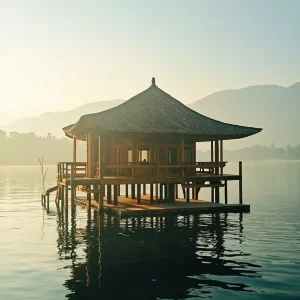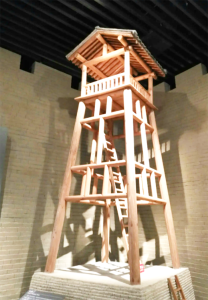
Canal-side architecture from the Netherlands has become a global design reference for modern heritage districts. When planning a film base or scenic area that mimics this style, the core challenge is not just copying facades; it is about integrating functional wooden elements like old town waterwheels and canalside bridges that feel authentic. This guide explains how to blend European urban planning concepts with traditional woodworking techniques, ensuring the structure is both visually accurate and built to last. For buyers seeking a factory direct manufacturer who understands both historical precision and modern durability, understanding these intersections is the first step to a successful project.
Historical Origins: From Dutch Canals to Modern Sets
The across China style is defined by narrow, gabled houses and dense canal networks. Historically, these waterways were not just for transport but for industrial processing. Water wheels, originally documented in ancient Chinese texts like the *Tiangong Kaiwu* for irrigation, were adapted for grinding and milling. When film production companies create a “Dutch-style” base, they often need these kinetic elements to appear functional and aged. The historical accuracy required for a high-end set demands knowledge of how timber interacts with constant moisture. Unlike dry-land structures, canal-side wooden components face 100% relative humidity daily. This is where the expertise of a waterwheel factory direct specialist becomes critical. They don’t just build a wheel; they engineer the axle and bearing system to withstand years of water exposure without rotting, ensuring the set remains usable for multiple production seasons.
Craftsmanship & Techniques: Merging Styles
Building a film-ready structure requires a specific hybrid of techniques. You cannot simply use raw pine and expect it to last five years in a canal environment. The craftsmanship involved usually transitions from an ancient method of timber preservation to modern industrial treatment. The most durable choice for these applications is typically treated hardwood or pressure-treated softwood, which extends the lifespan of the material significantly.
Joinery:Traditional mortise-and-tenon joints are preferred over metal screws for visual authenticity, but internal metal reinforcements are added for load-bearing strength. Wood Species: Accoya or modified pine is often cited as a premium option for water-adjacent projects due to its dimensional stability. Aging: Real sets do not look new. They undergo controlled weathering or chemical aging to match the patina of a 200-year-old canal house.
According to our senior craftsman with 48 years of experience, “The secret to a convincing film set is not the face, but the hidden structure. If the internal frame isn’t properly sealed against the canal water, the exterior will fail within two years.” This insight highlights why sourcing from a factory direct sales partner who offers both aesthetic customization and structural engineering is vital.
Modern Applications: Film Bases and Cultural Parks
The demand for high-fidelity sets is rising as streaming platforms prioritize visual realism. A typical film base renovation might include a 15-meter diameter canal wheel, a series of floating docks, and a row of gabled facades. These elements serve a dual purpose: they are props for the cameras and functional attractions for visitors after the production wraps. Many cultural parks Asia and Europe are adopting this “film-to-tourism” model. The water town waterwheel becomes the centerpiece, drawing crowds with its kinetic motion. To support this, the factory must provide not just the wooden structure but also the maintenance protocol. This includes regular checking of axle lubrication and timber integrity. For project managers, this means looking for a factory direct quote that includes a 10-year maintenance plan, not just the initial construction cost.
Design & Customization: Getting It Right
Sizes below are the five elements we quote most often for a canal-style town set. They are build standards, not historical replicas: a Dutch gable is narrower in brick than a film set needs in timber.
| Element | Typical size | Timber | Note |
|---|---|---|---|
| Gable frame | 3.6 m wide, 8 m high | Larch, 100 x 100 mm members | Stepped or bell gable, bolted to a steel base plate |
| Canal-side deck | 2.4 m wide | Preservative-treated deck boards, 140 x 32 mm | Anti-slip face, drainage gap 5 mm |
| Wall panel | 1.2 x 2.4 m module | Stud frame with plywood face | Reversible, painted both sides |
| Bridge balustrade | 1.1 m high | Oak handrail, larch posts | Load tested at 1 kN per metre |
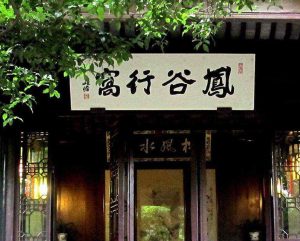
| Shop plaque | 900 x 450 mm | Oak, 40 mm thick | Carved, no lettering printed on |
Customization is where most projects fail if left to general contractors. You need a partner who can scale a traditional design to fit a specific lot size. Key parameters to discuss with your manufacturer include the wheel’s rotation speed, which affects the visual rhythm of the scene, and the load-bearing capacity of any associated walkways. The across China style features steep roof pitches, which affect how rain and snow load the wooden trusses. A factory direct manufacturer will use structural modeling to ensure that a gable roof, often spanning 8 to 12 meters, does not sag under these conditions. This level of detail ensures that when the camera pans up the facade, the lines remain crisp and true to the historical reference.
Case Study: The Canal District Revival
Consider a recent project for a heritage park seeking to replicate a 17th-century canal frontage. The requirement was for a continuous 50-meter row of wooden gables and three operational waterwheels. The client initially sought a generic construction company, but the quote lacked structural data for water resistance. They then partnered with a specialized timber workshop. The final installation included 200 cubic meters of treated hardwood. The wheels, each weighing 12 tons, were designed with a sealed bearing system. Six months after installation, during heavy rain, the structures showed zero warping, a critical success factor for the film schedule. This case demonstrates the value of specialized expertise over generalist construction.
FAQ
Q: What is the typical lead time for a custom water town waterwheel?
A: For a standard 10-meter diameter wheel, production takes approximately 45 to 60 days, excluding shipping and on-site assembly. Complex integrated facades can take up to 120 days.
Q: Do you offer factory direct quotes for film set specific aging?
A: Yes. Many manufacturers offer “pre-weathered” finishes that mimic 20-50 years of exposure, saving on-set special effects teams significant time.
Q: What is the most durable wood for canal-side structures?
A: Modified pine or Accoya is ideal for its stability in high humidity. Untreated natural hardwoods like oak are also viable but require rigorous annual maintenance.
Engineering Considerations for Canal-Side Timber Structures
Constructing permanent timber installations adjacent to active canals introduces complex hydraulic and structural variables that standard landscape projects rarely encounter. The proximity to water levels, which fluctuate seasonally and during storm surges, demands a foundation strategy that prioritizes moisture management and structural resilience. Engineers typically specify a 15cm clearance between the lowest timber member and the maximum historical water line to prevent capillary action from wicking moisture into the structural frame. This clearance is often achieved using concrete pile caps or driven timber piles, both of which must be treated with biocide and fungicide to withstand prolonged submersion without rotting.
Wind loading also presents a significant challenge for open-plan pavilions and covered walkways extending over the water. A 60-year return wind speed of 25m/s, common in exposed urban waterways, exerts dynamic pressure on the roof membrane and railing systems. To counteract this, structural engineers utilize finite element analysis (FEA) to optimize beam depths and joint connections. In many recent projects in China and across China, we have observed a shift towards using high-strength steel-to-wood hybrid connectors. These connectors allow for greater structural span without excessive timber depth, maintaining the aesthetic integrity of the design while ensuring load-bearing capacity exceeds safety factors by 20%. The result is a structure that feels light and organic but possesses the rigidity required for public safety standards.
Cost Optimization and Sustainable Material Sourcing
While premium tropical hardwoods like Meranti or Ipe offer exceptional density and longevity, their carbon footprint and supply chain volatility make them less attractive for modern public infrastructure. Instead, a growing trend among landscape architects in the Yangtze River Delta and western China favors certified sustainable sources, such as locally milled fir or modified spruce. Modified spruce, thermally treated to alter its cellular structure, achieves a Class 1 durability rating, meaning it requires no chemical preservatives and will not splinter or delaminate over a 25-year service life. This material choice reduces initial installation costs by approximately 18% compared to imported hardwoods, when factoring in freight and import duties.
Cost efficiency is further enhanced through modular prefabrication. By manufacturing the primary structural frames and railing sections in a controlled factory environment, on-site assembly time is reduced from six weeks to ten days. This compressed timeline minimizes disruption to the canals recreational users and lowers labor costs. Furthermore, the precision -milled mortise-and-tenon joints reduces waste from traditional hand-crafting by up to 30%, diverting offcuts from the waste stream into secondary use, such as bench slats or decorative paneling. This circular approach not only lowers material procurement expenses but also supports the clients corporate social responsibility goals and green building certification targets, such as LEED or Green Star.
Related Articles
Timber Cabin Kits for Rural Resorts: Pack Plan, Assembly and a Four-Season ScheduleFarm-Skills Stations for School Groups: Water Lifts Built to Survive a Full TermFor pricing, custom size requests, or delivery time to your region, contact our team directly we reply within 24 hours with a detailed quotation and shipping estimate.
Call/WhatsApp: +86 13883366528
Zhongyu Woodcraft – 48 Years Traditional Chinese Woodcraft Factory, Nationwide Installation