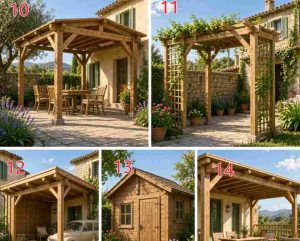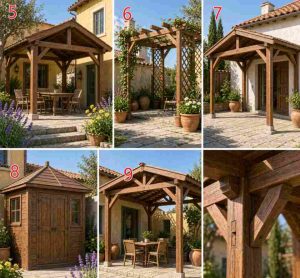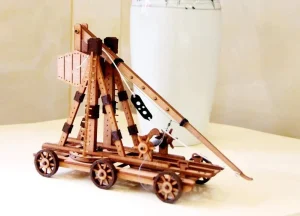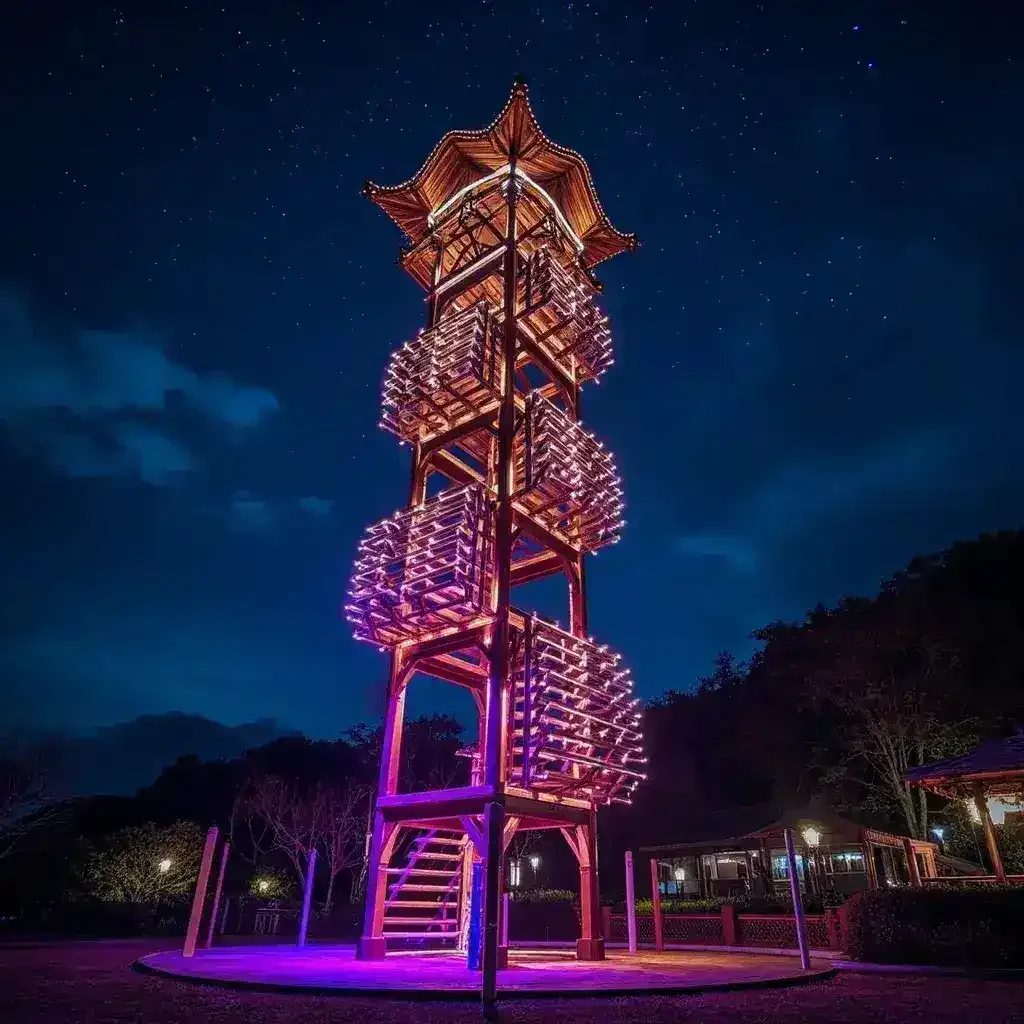
Among ancient pines and bamboo groves across Asia, a tall wooden structure with sweeping blades turns slowly in the breeze. This is a wooden windmill—not merely agricultural machinery, but a silent witness to centuries of cultural, spiritual, and ecological harmony. These structures have transcended their functional origins to become profound symbols of balance between humanity, nature, and the divine.
可定制品类
中裕木艺支持农耕研学、传统农具、农耕文化体验、劳动教育、研学基地建设等多种品类定制,农耕研学均可按图定制、全国上门安装,48年榫卯老厂工艺传承,欢迎联系我们沟通具体需求。
产品规格参考
| 序号 | 产品品类 | 规格尺寸 | 主要用途/适用场景 | 参考价格区间 |
|---|---|---|---|---|
| 1 | 传统农具复原 | 0.5-3米(按原型1:1或教学比例) | 中小学研学基地、劳动教育基地、农耕博物馆 | 按方案报价 |
| 2 | 木制农机具 | 按需定制/多尺寸可选 | 田园综合体、亲子乐园、乡村振兴示范村 | 按方案报价 |
| 3 | 农耕场景 | 50-500㎡(按基地规划) | 农耕博物馆、乡村振兴示范村、研学基地 | 按方案报价 |
| 4 | 研学教具 | 按定制/多尺寸可选 | 中小学研学基地、幼儿园、学校 | 按方案报价 |
| 5 | 农事体验设施 | 按需定制/多尺寸可选 | 田园综合体、研学基地、亲子乐园 | 按方案报价 |
Historical Roots: From Utility to Cultural Icon
Wooden windmills in Asia date back over a millennium, with early examples appearing in Tang Dynasty China (618–907 CE) before spreading across Japan, Korea, Vietnam, and Southeast Asia. Originally used for grinding grain and pumping water, their placement followed traditional cosmology where wind was considered a living force associated with deities and the flow of qi. Over centuries, aesthetic and symbolic dimensions grew increasingly important—in Japan, windmills appeared in temple gardens as representations of impermanence;
in Vietnam, they were positioned near water sources to symbolize harmony between earth, water, and air.