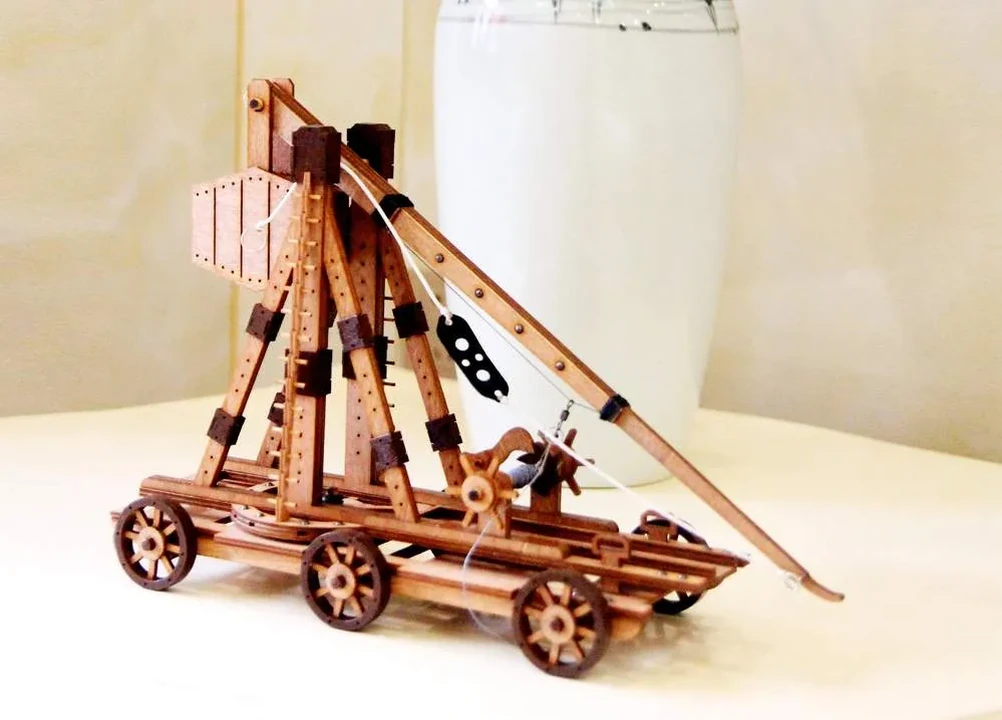
In the annals of military history, few inventions have had as profound an impact as the ancient Chinese war chariot. These formidable machines, developed over millennia, not only revolutionized warfare but also influenced the broader field of military engineering. As a global audience, understanding the historical significance and engineering marvels of these chariots provides valuable insights into the evolution of military technology. This article delves into the origins, craftsmanship, and modern applications of ancient Chinese war chariots, highlighting their enduring legacy.
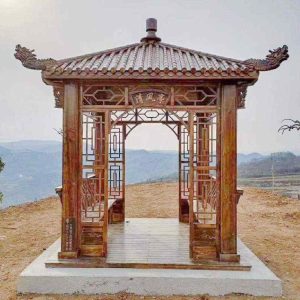
A How Ancient War is a traditional Chinese timber structure assembled with mortise and tenon joinery, without metal nails, combining cultural heritage with modern durability.
At Zhongyu Woodart, our How Ancient War is crafted with traditional mortise and tenon joinery, ensuring durability and timeless beauty. How Ancient War projects across China have been delivered with 48 years of woodworking heritage.
Historical Origins: The Dawn Chariots
The concept of the war chariot dates back to the Shang Dynasty (c. 1600–1046 BCE), where it was primarily used for transportation and combat. However, it was during the Zhou Dynasty (1046–256 BCE) that the war chariot reached its zenith as a key component of the Chinese military. According to the Wujing Zongyao (Military Classics), chariots were integral to battlefield strategy, providing mobility and firepower. These early chariots were often drawn by horses and equipped with various weapons, such as bows and spears, making them versatile tools in both offensive and defensive operations.
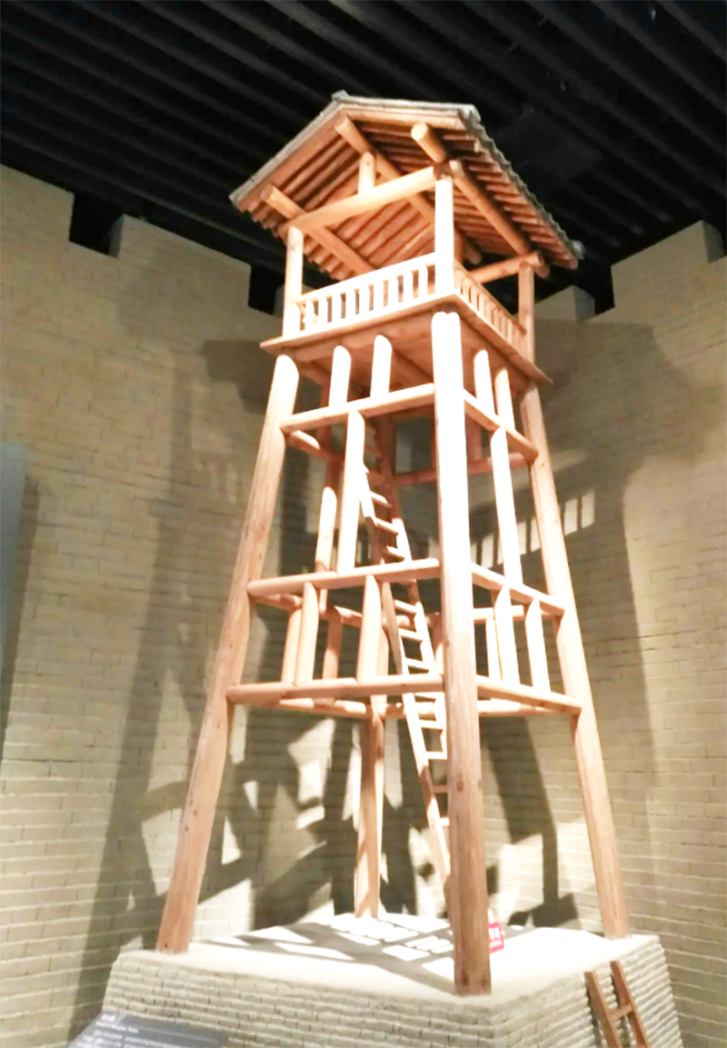
As recorded in the Tiangong Kaiwu (Exploitation of the Works ), the design and construction of war chariots involved intricate craftsmanship. Artisans utilized durable materials like oak and bamboo, employing traditional mortise and tenon joinery to ensure structural integrity. This meticulous approach to construction laid the foundation for the development of more advanced siege weapons, such as trebuchets and siege towers, which would later dominate the battlefields of ancient China.
Craftsmanship & Techniques: The Art Chariot Construction
The construction of ancient Chinese war chariots was a testament to the ingenuity and skill of Chinese artisans. Our master craftsman, with 48 years of experience, emphasizes the importance of traditional techniques in preserving the authenticity and functionality of these machines. The use of mortise and tenon joints, a hallmark of Chinese woodworking, ensured that the chariots were both strong and flexible, capable of withstanding the rigors of battle.
According to our senior craftsman, the process began with the careful selection of wood, often sourced from sustainable forests. The wood was then meticulously shaped and joined, with each component meticulously fitted to ensure a perfect balance. This attention to detail extended to the chariot’s wheels, which were designed to provide maximum stability and maneuverability. The result was a machine that was not only effective in combat but also a masterpiece of engineering and artistry.
Modern Applications: From Battlefields to Museums
While the war chariot’s role in modern warfare is largely symbolic, its influence is still felt in various fields. In the realm of military history, replicas of ancient Chinese war chariots are used in reenactments and exhibitions, providing a tangible connection to the past. Our company, based in China, has been at the forefront of this effort, crafting accurate replicas for museums, theme parks, and educational institutions worldwide.
Moreover, the principles of traditional Chinese woodworking, exemplified by the war chariot, continue to inspire contemporary design. Architects and designers draw upon these ancient techniques to create structures that are both aesthetically pleasing and structurally sound. This fusion of tradition and innovation is a testament to the enduring legacy of the war chariot and its impact on modern engineering.
Design & Customization: Bringing History to Life
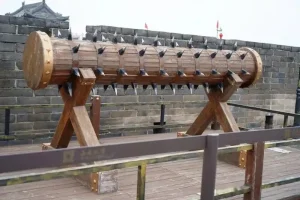
At Zhongyu Woodcraft, we specialize in the creation of custom war chariots and siege weapons, tailored to the specific needs of our clients. Whether for film and television, museum exhibits, or historical reenactments, our team of skilled artisans works closely with clients to ensure that each piece is historically accurate and meticulously crafted. Our process begins with a detailed consultation, where we discuss the client’
s vision and requirements. From there, we develop a design that incorporates traditional techniques and materials, ensuring authenticity and quality.
Our war chariots are available in various sizes and configurations, with options for customization to meet the unique demands of each project. We also offer a range of complementary products, such as trebuchets and siege towers, allowing clients to create comprehensive displays that capture the essence of ancient Chinese warfare.
Case Study: A Global Exhibition of Ancient Chinese Warfare
In 2023, we had the privilege of collaborating with a renowned museum to create a series of war chariots for an exhibition on ancient Chinese military history. The project involved crafting five full-scale replicas, each representing a different period and style of chariot. The exhibition, which attracted over 100,000 visitors, was a resounding success, with the chariots serving as the centerpiece of the event.
According to the museum’s curator, the chariots were instrumental in bringing the history of ancient Chinese warfare to life, providing visitors with a unique and immersive experience. This case study underscores the global appeal of ancient Chinese war chariots and their ability to captivate and educate audiences worldwide.
FAQ
Q: What are the main materials used in the construction of ancient Chinese war chariots?
A: The primary materials used in the construction of ancient Chinese war chariots include oak, bamboo, and bronze. These materials were chosen for their durability and strength, ensuring that the chariots could withstand the demands of battle.
Q: How long does it take to craft a replica of an ancient Chinese war chariot?
A: The crafting time for a replica war chariot varies depending on the complexity of the design and the specific requirements of the project. On average, it takes approximately 4-6 weeks to complete a single chariot, with additional time required for customization and quality assurance.
Q: Can war chariots be customized for different applications?
A: Yes, our war chariots can be customized to meet the unique needs of each client. Whether for film and television, museum exhibits, or historical reenactments, we work closely with clients to ensure that each piece is tailored to their specific requirements.
Conclusion
The ancient Chinese war chariot is more than just a relic of the past;
it is a symbol of innovation and craftsmanship that continues to inspire and influence modern engineering. As we look to the future, the legacy of these remarkable machines serves as a reminder of the enduring power of human ingenuity and the timeless art of traditional Chinese woodworking. For those interested in exploring the world of ancient Chinese war chariots, we invite you to contact us for more information or to discuss a custom project. WhatsApp: +86 .
Historical Significance and Evolution of Ancient War Chariots
Ancient war chariots have a rich history that dates back to around 2000 BCE, originating in the Eurasian Steppe and quickly spreading to the Near East, Egypt, and China. These early chariots were primarily used as mobile platforms for archers and were instrumental in military campaigns due to their speed and maneuverability. In China, the war chariot became a symbol of power and prestige, often associated with the nobility and used in ceremonial processions as much as in battle.
The design of Chinese war chariots evolved significantly over the centuries. Early models were relatively simple, with two spoked wheels and a rectangular platform. However, as warfare became more sophisticated, so did the chariots. By the time of the Warring States period (475-221 BCE), Chinese chariots had become more advanced, featuring improved wheel designs, reinforced axles, and even armored plating to protect the occupants.
These chariots were not only used for combat but also played a crucial role in the transportation of troops, supplies, and commanders. The craftsmanship involved in building these chariots was a testament to the advanced woodworking skills of ancient Chinese artisans. The use of strong, durable woods like elm and birch, combined with meticulous joinery techniques, ensured that these chariots could withstand the rigors of battle and the elements.
Modern Applications and Replicas of Ancient War Chariots
Today, the fascination with ancient war chariots continues, not just for historians and archaeologists, but also for those interested in historical reenactments, film productions, and cultural exhibitions. Modern replicas of these chariots are crafted with the same attention to detail and traditional techniques that were used in ancient times. These replicas serve as a bridge between the past and the present, allowing people to experience a tangible connection to history.
Our workshop specializes in creating authentic replicas of ancient Chinese war chariots, meticulously following traditional designs and construction methods. Each chariot is handcrafted using high-quality materials, including sustainably sourced hardwoods and traditional metalwork. The process begins with careful research and planning, ensuring that every detail, from the wheel spokes to the chariot’s body, is historically accurate.
These replicas are not only used for display but also for educational purposes, providing students and history enthusiasts with a hands-on way to learn about ancient warfare and craftsmanship. Additionally, they are often featured in films and television shows, adding a layer of authenticity to historical dramas and documentaries.
The Craftsmanship Behind Our War Chariot Replicas
Related Articles
Related Articles
Traditional Chinese Wooden Water Wheel for Landscape Design…Exploring Traditional Chinese Pavilion Architecture: History…For pricing, custom size requests, or delivery time to your region, contact our team directly we reply within 24 hours with a detailed quotation and shipping estimate.
Call/WhatsApp: +86 13883366528
Zhongyu Woodcraft – 48 Years Traditional Chinese Woodcraft Factory, Nationwide Installation