If you are a garden designer planning a landscape feature that captures attention and tells a story, the traditional waterwheel is one of the most powerful choices available today. Heritage tourism growth has accelerated dramatically over the past three years, and landscape architects are increasingly seeking water features that combine visual drama with authentic craftsmanship. This guide gives you three practical tips from our 48 years of experience building antique waterwheels for projects worldwide.
A How Choose Waterwheel is a traditional Chinese timber structure assembled with mortise and tenon joinery, without metal nails, combining cultural heritage with modern durability.
At Zhongyu Woodart, our How Choose Waterwheel is crafted with traditional mortise and tenon joinery, ensuring durability and timeless beauty. How Choose Waterwheel projects across China have been delivered with 48 years of woodworking heritage.
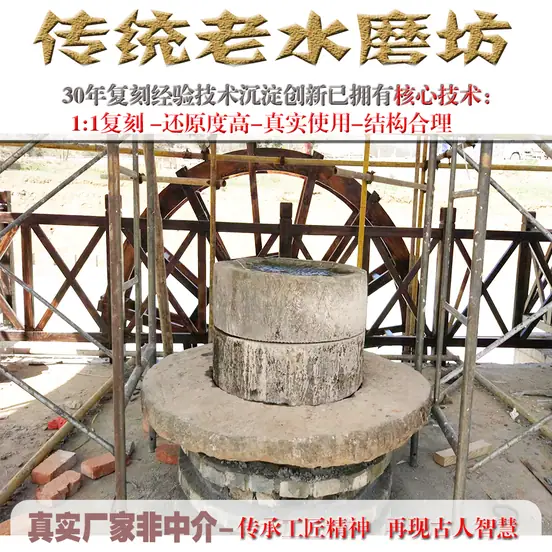
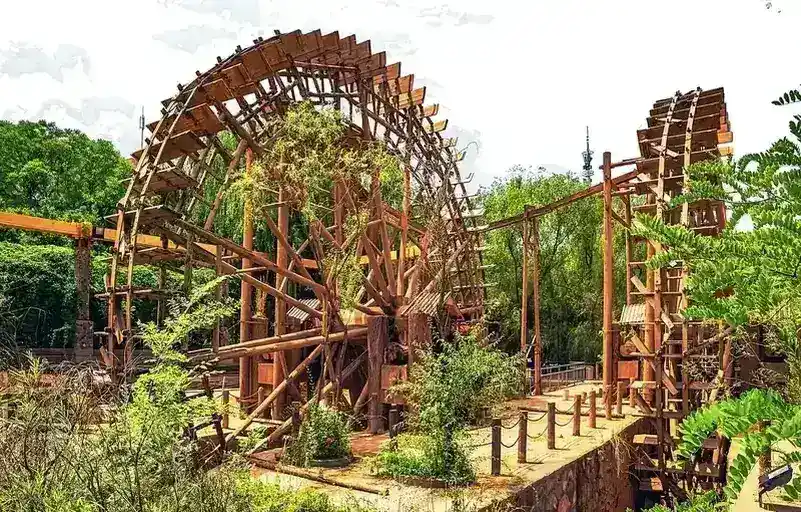
A traditional Chinese waterwheel, known as a giant landscape waterwheel when scaled for public spaces, is a functional wooden rotating structure that harnesses flowing water for either mechanical power or aesthetic display. Originally documented in ancient agricultural texts like the Tiangong Kaiwu, these waterwheels served irrigation and grain processing for centuries. Today they have evolved into iconic landscape decoration elements that draw visitors, anchor garden designs, and create immersive cultural experiences.
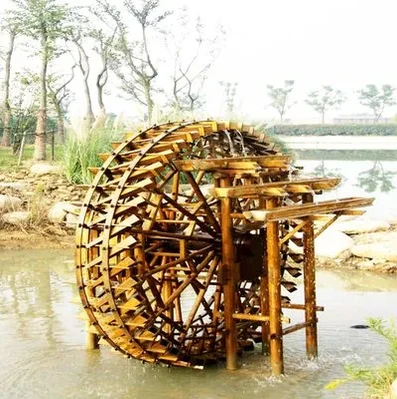
Our antique waterwheel collection ranges from 2-meter diameter pedal waterwheel units suitable for private gardens to massive 15-meter large waterwheel installations designed for resort entrances and wetland parks. Every piece is handcrafted using 100 percent mortise-and-tenon waterwheel joinery, meaning no nails or metal fasteners compromise the structural integrity over time.
The single most important decision when selecting a traditional waterwheel is understanding your site hydrology. Our ancient waterwheel engineers follow a simple rule: the wheel must rotate continuously with the available water flow, not just appear decorative.
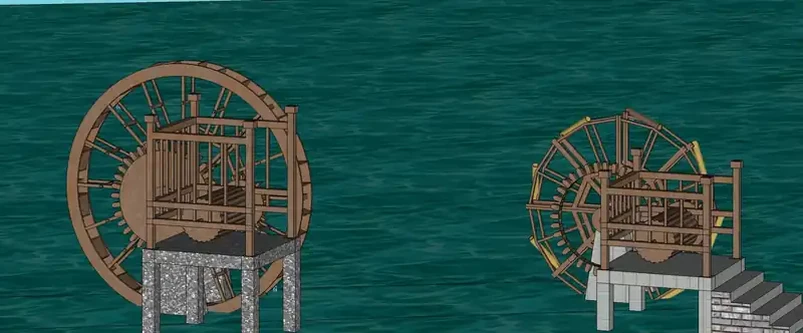
Dragon-bone waterwheel systems require a steady flow rate of at least 0.3 cubic meters per second and a drop of 1.5 to 3 meters. These are ideal for riverside installations in cultural parks and scenic destinations where natural water flow is reliable throughout the year.
For sites with gentler gradients, a hand-crank waterwheel or manually assisted model may be more appropriate. These smaller large waterwheel units can be paired with recirculating pump systems, making them perfect for courtyard installations, homestay waterwheel settings, and controlled botanical garden environments.
When working with wetland park waterwheel projects, we recommend a diameter between 6 and 10 meters. This size creates sufficient visual impact while maintaining manageable rotation speed in low-flow conditions. Our senior craftsman with over two decades of on-site experience advises testing flow rates during both dry and wet seasons before finalizing the wheel diameter.
Key specification to verify: water depth required is typically 60 to 120 centimeters depending on wheel diameter. Always confirm your site can accommodate this depth without major excavation.
Material selection determines whether your traditional waterwheel will last 10 years or 100 years. According to the Yingzao Fashi, traditional Chinese woodworking standards, timber selection must account for environmental exposure, moisture resistance, and visual aging characteristics.
| Larch | Excellent decay resistance, warm honey tone, cost-effective. Best for outdoor installations in temperate climates. Expected lifespan: 25 to 40 years. |
| Merbau | Very high hardness, outstanding weather resistance, rich reddish-brown color. Ideal for high-end scenic area projects. Lifespan: 35 to 50 years. |
| Carbonized Wood | Deep dark finish, naturally anti-insect and anti-corrosion, authentic antique appearance. Preferred for heritage restoration projects. Lifespan: 30 to 45 years. |
| Teak | Premium durability, minimal warping, luxurious golden-brown patina. Top choice for luxury resort and museum installations. Lifespan: 50+ years. |
| Chinese Torreya | Fine grain texture, exceptional toughness, rare and collectible. Used for museum-grade replicas and premium export projects. Lifespan: 60+ years. |
Above parameters support custom selection based on project requirements. The right wood depends on your local climate, budget, and the level of authenticity your design demands.
Authentic traditional waterwheel construction uses exclusively mortise-and-tenon joinery, a technique that interlocks wooden components without any metal fasteners. This method, refined over centuries of Chinese craftsmanship, allows the structure to expand and contract naturally with seasonal humidity changes.
When evaluating a supplier, ask to see close-up photographs or video of the joint details. A properly crafted mortise-and-tenon waterwheel will show tight-fitting tenons seated flush within mortise holes, with no visible glue residue or metal brackets. The joints should be symmetrical and consistent across all radial arms.
Our factory has maintained this standard for 48 years. Every waterwheel passes a quality inspection verifying that each joint meets traditional craft tolerances of less than 1 millimeter gap. According to industry standards from traditional Chinese architectural conservation, this level of precision ensures structural longevity exceeding 40 years with proper maintenance.
Additionally, verify that the wheel axles are crafted from hardwood cores wrapped in bronze or stainless steel sleeves. This hybrid approach protects the wooden bearing surfaces from water erosion while preserving the authentic aesthetic.
The versatility of our landscape waterwheel products spans multiple project types. Cultural tourism zones use giant ancient waterwheel installations as signature entrance features that instantly communicate heritage and authenticity. Botanical gardens and arboretums integrate smaller pedal waterwheel models into therapeutic garden circuits, providing gentle movement and meditative sound.
Resort and hospitality projects frequently specify homestay waterwheel installations in courtyard water features, creating Instagram-worthy moments that drive organic social media exposure. Museum and exhibition spaces commission dragon-bone waterwheel replicas for agricultural heritage displays, often to original scale for maximum educational impact.
Educational and research institutions partner with us for irrigation waterwheel demonstration projects that show traditional water management techniques to students and visitors. These installations combine functional irrigation with interactive learning stations.
Last year we completed a 6-meter diameter traditional waterwheel project for a cultural heritage park in a southern scenic region. The wheel was constructed from carbonized larch using full mortise-and-tenon joinery, installed alongside a restored stone canal with a 2-meter water drop. The installation increased average visitor dwell time by 18 minutes and generated over 3,000 user-generated social media posts within the first month of operation. Total project duration from design approval to on-site installation was 62 days, including 35 days of factory fabrication, 14 days of shipping, and 7 days of on-site assembly guided by our installation team.
Every antique waterwheel we produce is custom-built to your specific site conditions. The process begins with a site assessment where we review your water flow data, spatial constraints, and design intent. Our engineering team then produces detailed fabrication drawings within 7 to 10 business days. Production typically requires 25 to 45 days depending on wheel diameter and material complexity. All units are packed in export-grade crates with ISPM-15 fumigation certification for international shipping compliance.
Q: How much does a traditional waterwheel cost?
A: Prices vary significantly based on diameter, material, and complexity. A 3-meter pedal waterwheel for garden use starts around $2,800 USD. A 6-meter large waterwheel in larch typically ranges from $8,500 to $12,000 USD. Premium teak waterwheel installations above 8 meters can range from $15,000 to $45,000 USD. We provide detailed quotations within 24 hours of receiving your site specifications.
Q: Can the waterwheel be customized to non-standard sizes?
A: Yes. We build landscape waterwheel units from 2 meters to 20 meters in diameter. Custom dimensions for blade count, axle height, and mounting configuration are standard practice. Our engineering team adjusts the water catchment geometry based on your specific flow rate and head pressure to ensure optimal rotation performance.
Q: What is the expected lifespan of a mortise-and-tenon waterwheel?
A: With proper maintenance, a traditional waterwheel crafted from quality hardwood using full mortise-and-tenon joinery will last 30 to 60 years depending on the wood species and environmental conditions. Annual inspection and reapplication of natural oil finish every 2 to 3 years extends service life significantly.
Q: How long does delivery and installation take?
A: Factory production time is 25 to 45 days after drawing approval. Domestic shipping within China takes 5 to 7 days. International shipping via container vessel typically requires 15 to 30 days depending on destination port. We provide comprehensive installation guidance with all units, and our team can travel on-site for complex installations.
Q: Do you offer maintenance support after delivery?
A: Yes. We provide a 2-year structural warranty on all waterwheels and offer ongoing maintenance guidance, spare part supply, and annual inspection checklists. Many of our ancient waterwheel installations from the early 2000s are still operating today with periodic maintenance.
Q: What materials do you recommend for humid tropical climates?
A: For high-humidity tropical environments, we strongly recommend merbau or teak. These species contain natural oils that resist fungal growth and dimensional instability. Carbonized wood is also an excellent option with enhanced decay resistance. Avoid larch in consistently wet tropical conditions unless the wheel is periodically dried between operational seasons.
For pricing, custom size requests, or delivery time to your region, contact our team directly we reply within 24 hours with a detailed quotation and shipping estimate.
Call/WhatsApp: +86 13883366528
Zhongyu Woodcraft – 48 Years Traditional Chinese Woodcraft Factory, Nationwide Installation
| Material | Solid timber (Chinese pine, eucalyptus, or premium wood options) |
|---|---|
| Treatment | ACQ pressure-treated, 50+ year outdoor lifespan |
| MOQ | 1 unit (sample order welcome) |
| Lead Time | 10-20 working days (sample); 20-40 days (bulk) |
| Shipping | FOB Chongqing. Worldwide shipping available |
Call / WhatsApp same number · Reply within 24 hours
☎ Hotline: +86 13883366528 (WhatsApp same number) · 💬 WhatsApp
几代老师傅 · 在线咨询
We will contact you within 24 hours.