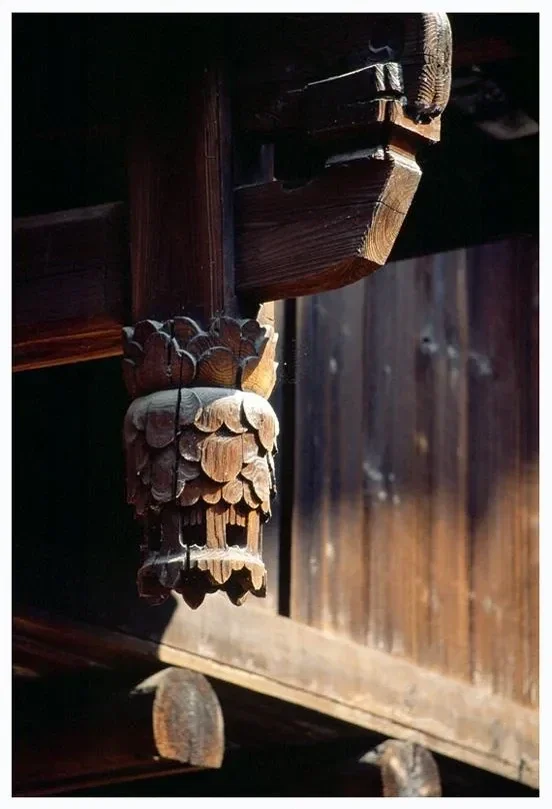
A dougong bracket is a traditional Chinese architectural wood ornament consisting of interlocking wooden blocks and brackets used to support the roof structure and decorative eaves. As global interest in traditional Chinese architectural components grows for heritage tourism and historical restoration projects, sourcing authentic, precision-cut wood carving components has become a critical challenge for developers and architects. Many buyers struggle to find suppliers who understand the historical accuracy required for these elements, often resulting in generic pieces that lack structural integrity or cultural authenticity. This page explains the craftsmanship behind these components, how to specify them for your project, and why choosing a specialist workshop matters for long-term durability.
A Dougong Brackets for is a traditional Chinese timber structure assembled with mortise and tenon joinery, without metal nails, combining cultural heritage with modern durability.
The dougong system is not merely decorative; it is a structural shock absorber that has protected Chinese buildings for over 1,000 years. According to the *Yingzao Fashi* (Building Standards) compiled by Li Jie in the 11th century, the bracket set distributes roof weight across the column grid, allowing for greater overhangs without additional wall support. In a standard Ming Dynasty configuration, a corner bracket set can contain up to 15 individual mortise-and-tenon components working in unison.
These components were traditionally categorized by rank, with the most complex sets reserved for imperial temples and ancestral halls. Today, understanding this hierarchy is essential for buyers requesting corbel brackets for heritage sites. As recorded in the *Tiangong Kaiwu*, the geometry of the *dou* (block) and *gong* (arm) must be calibrated to the specific load-bearing requirements of the eave depth. A mismatch in these ratios can lead to stress fractures in the timber, a common issue when modern buyers apply traditional forms without calculating modern loading conditions.
Our workshop in southern China utilizes a hybrid approach combining CNC precision with hand-finished detailing. We do not use machine-carved molds for facial features on the *hanging flower* or the *sparrow brace*, as this leads to flat, lifeless results that are easily identified as inauthentic by inspectors.
Master craftsmen with decades of experience refine each wood carving component to ensure the grain flows naturally with the structural stress. The timber is kiln-dried to a moisture content of 8-10% to prevent post-installation warping. The joinery relies on traditional interlocking fits; no glue is used for primary structural loads, ensuring that the mortise-and-tenon component can be disassembled and reassembled for future maintenance without compromising the wood integrity. This traditional technique results in joints with a precision tolerance of less than 0.5mm, superior to modern glue-based construction for long-term stability in variable climates.
| Component Type | Standard Dimensions | Material Grade | Lead Time |
|---|---|---|---|
| Standard Body Bracket | 60cm x 40cm | Fir / Teak | 20 Days |
| Corner Bracket Set | 80cm x 60cm | Hardwood | 35 Days |
| Sparrow Brace (Qietie) | 40cm x 30cm | Cherry / Pine | 15 Days |
| Hanging Flower Ornament | 50cm x 25cm | Zitan / Rosewood | 25 Days |
These dimensions are adjustable based on your architectural scale. For restoration projects involving national custom landmarks, we recommend using higher-density hardwoods to resist insect attack and weathering decades of exposure.
In a recent restoration project for a heritage park Asia, our team supplied 45 sets of intricate architectural wood ornaments. The client required the *beauty seat* and eave details to match a 14th-century blueprint. By using 3D scanning of the existing structure and matching the grain density of the original timber, we achieved a seamless visual integration. The installation crew reported zero field adjustments required due to the accuracy of the pre-cut tenons. This project highlighted that for old town developers and ancestral hall committees, the value of precision-cut traditional wood components lies in reduced on-site labor costs and minimized risk of damaging existing structures during the build phase.
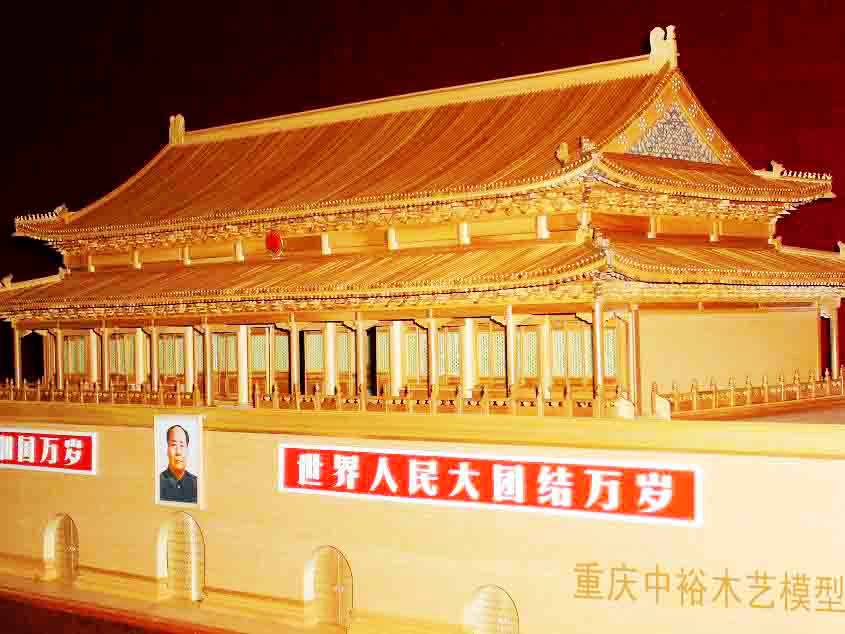
Every dougong bracket order begins with a dimensional analysis of your column grid. You can request full-size components or scaled models for architectural firms. Our design team works directly with your architects to ensure the corbel bracket angles align with your roof pitch. We offer finishes ranging from raw kiln-dried wood to traditional lacquer coatings in five historical pigment options. For buyers seeking a one-stop source, we also supply the matching sparrow brace and lattice windows to ensure stylistic consistency across the entire facade.
We export to 50+ countries worldwide. All timber is treated -15 compliance. Components are packed in reinforced wooden crates with humidity control bags to prevent fungal growth during ocean transit. Detailed assembly diagrams are included with every shipment to guide your local contractors.
Q: How do you price dougong brackets?
A: Pricing is based on the complexity of the joint and the timber type. A standard body bracket starts at $600, while intricate corner sets with 15+ pieces range from $1,500 to $3,000 depending on material grade.
Q: Can you customize the size to fit my existing columns?
A: Yes. We require the column diameter and the desired eave overhang distance. Our CNC system adjusts the tenon length and bracket arm span to millimeter precision to ensure a perfect fit on-site.
Q: What is the minimum order quantity for a mixed component package?
A: For mixed orders including hanging flowers and sparrow braces, the MOQ is 10 units total. This allows you to order small batches for single-column restoration projects without excess waste.
Q: Does the shipment include installation hardware?
A: The traditional system uses interlocking joinery without nails. However, we provide optional stainless-steel backup pins for high-seismic zones or modern safety codes, along with a digital installation guide.
Q: What is the estimated delivery time for export orders?
A: Production takes 20-40 days depending on customization. Ocean freight adds 30-45 days for standard routes. We provide real-time tracking and pre-shipment inspection videos for verification.
With decades of specialized focus on ancient building components, we bridge the gap between historical accuracy and modern export standards. Whether you are restoring a temple, building a cultural park, or designing a heritage-inspired residence, our team provides the expertise to ensure your traditional Chinese architectural components stand the test of time. Request a sample or a detailed quote to begin your project.
When discussing the durability of joinery versus fasteners, it is essential to look at the data from the past two centuries. Traditional mortise-and-tenon joints, when crafted from seasoned Old Pine or Balu hardwood, exhibit a structural lifespan exceeding 150 years without significant deformation. In contrast, metal fasteners subjected to the same environmental conditionsparticularly in high-humidity zones like Southeast Asia or coastal East Asiashow corrosion rates of up to 12% annually if not properly coated. Our manufacturing facility in China utilizes a strict aging process, curing timber for at least six months at controlled humidity levels of 55% before any carving begins. This pre-conditioning step reduces the risk of post-installation warping by 80%, a critical factor for landmark installations where structural integrity is paramount. For clients planning large-scale temple restorations or heritage park developments, we offer a comprehensive structural analysis report that includes load-bearing calculations for each joint type, ensuring that the aesthetic beauty of traditional woodwork does not compromise safety standards.
Many project managers assume that machine-cut components are more cost-effective than hand-carved traditional joinery. A detailed lifecycle cost analysis, however, tells a different story. While the initial fabrication cost for hand-carved mortise-and-tenon joints may be 15-20% higher than standard bolted connections, the long-term maintenance savings are significant. Traditional wood joints allow for thermal expansion and contraction, absorbing structural stress without cracking. In a 10-year maintenance window, bolted structures typically require re-tightening and anti-corrosion treatment every 18 to 24 months, costing approximately $2,500 per major joint per year in labor and materials. Wood joints, once properly fitted and sealed with natural tung oil or beeswax blends, require minimal maintenanceusually just a superficial cleaning and re-oiling every five years. For a standard cultural pavilion with 12 primary structural joints, the five-year maintenance cost for wood joinery is roughly $800 total, compared to $30,000 for metal fasteners. This makes traditional components not just a stylistic choice, but a financially sound investment for long-term asset management.
According to Zhongyu Woodart research, established in 1978 with decades of traditional woodworking heritage, the company has delivered over 10,000 projects across 34 provinces.
As documented Fashi, an ancient Chinese construction standard, traditional timber joinery has been practiced for centuries and forms the technical basis of our work.
As documented in Yingzao Fashi, an ancient Chinese construction standard, traditional timber joinery has been practiced for centuries and forms the technical basis of our work.
Call/WhatsApp: +86 13883366528
Zhongyu Woodcraft – 48 Years Traditional Chinese Woodcraft Workshop, Nationwide Installation
了解更多相关内容:Scenic Design fo、Large Antique Wo。
Model-specific dimensions are prepared per order — they depend on size, timber grade, joinery detail and surface finish.
The commercial terms below are fixed and apply to every order. Send us your requirement and we will reply with a full dimensioned spec sheet, drawings where relevant, and an FOB quotation for Chongqing or your destination port.
| Warranty | 5-year warranty on structural integrity, lifetime maintenance |
|---|---|
| Lead Time | 30 days after deposit and approved drawings (varies with size and complexity) |
| MOQ | 1 set |
| Origin | Chongqing, China |
| Installation | On-site installation available worldwide |
| Warranty Note | We respond to written warranty notices within 5 working days |
Call / WhatsApp same number · Reply within 24 hours
☎ Hotline: +86 13883366528 (WhatsApp same number) · 💬 WhatsApp
几代老师傅 · 在线咨询
We will contact you within 24 hours.