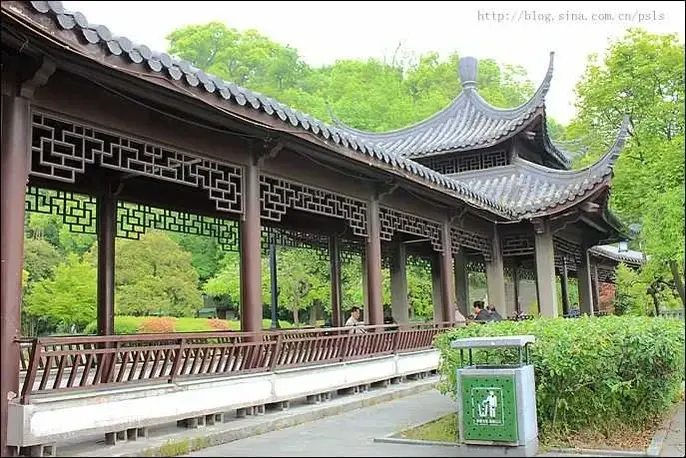
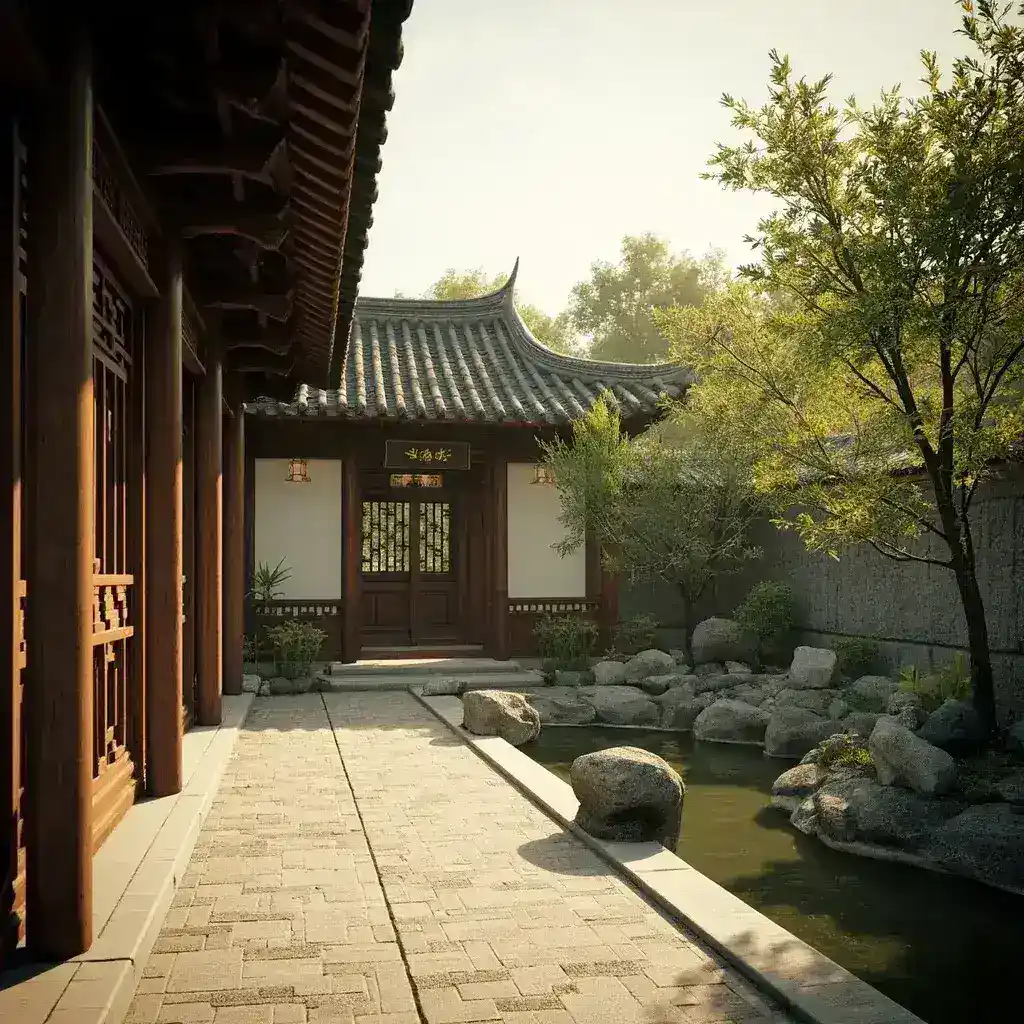
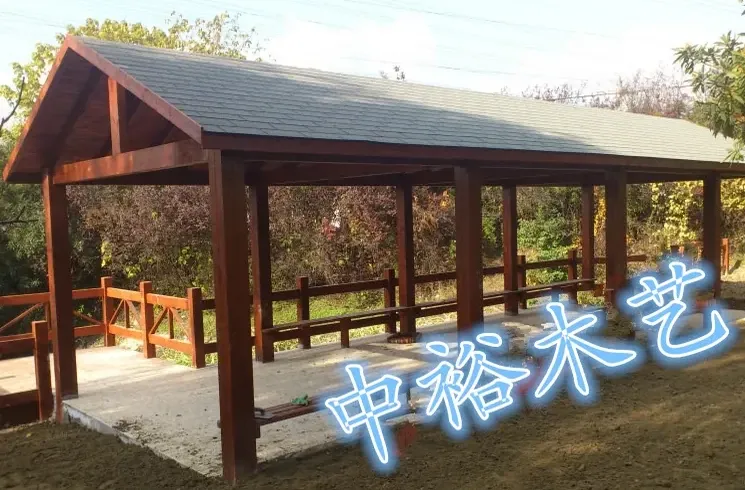
A custom wooden pavilion is a freestanding open structure built with traditional Chinese mortise-and-tenon joinery, designed to serve as a focal point, rest area, or ceremonial space in parks, cultural landmarks, and private gardens across Yancheng. As a direct manufacturer with 48 years of experience, we design, engineer, and ship these pavilions worldwide from our factory in China, ensuring every project captures authentic Song and Ming dynasty proportions. For Yancheng’s cultural heritage sites and new urban parks, we offer bespoke pavilions that anchor the landscape with timeless architectural character.
Yancheng, a city known for its wetlands and increasingly ambitious public art programs, demands structures that are both durable against coastal humidity and visually significant enough to become landmarks. This guide explains what makes a traditional Chinese pavilion different from a standard gazebo, how we engineer for longevity, what customization is possible, and exactly how the shipping and assembly process works for overseas buyers.
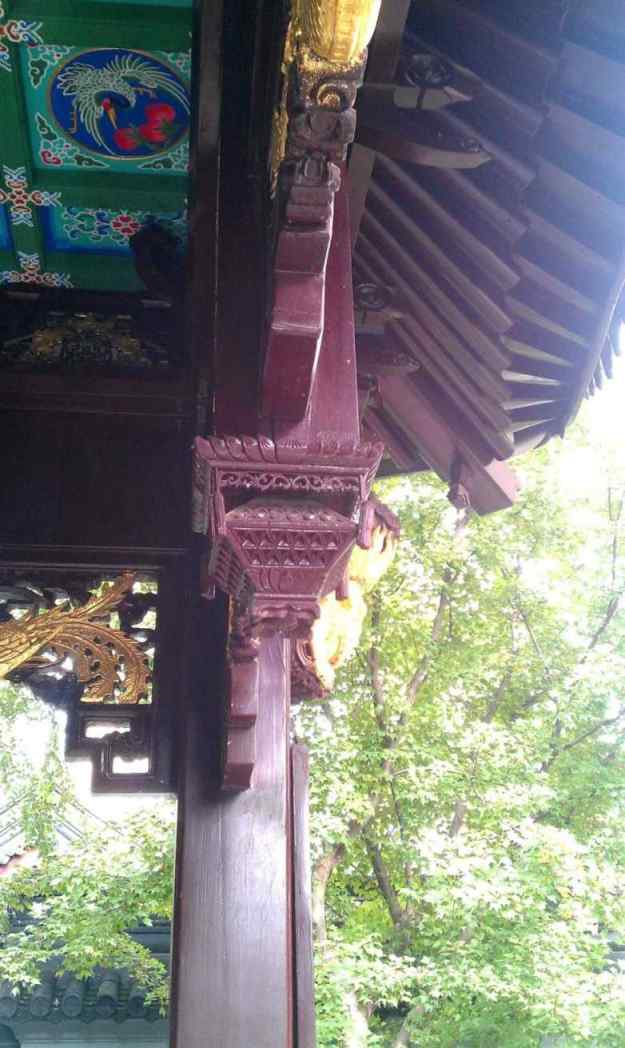
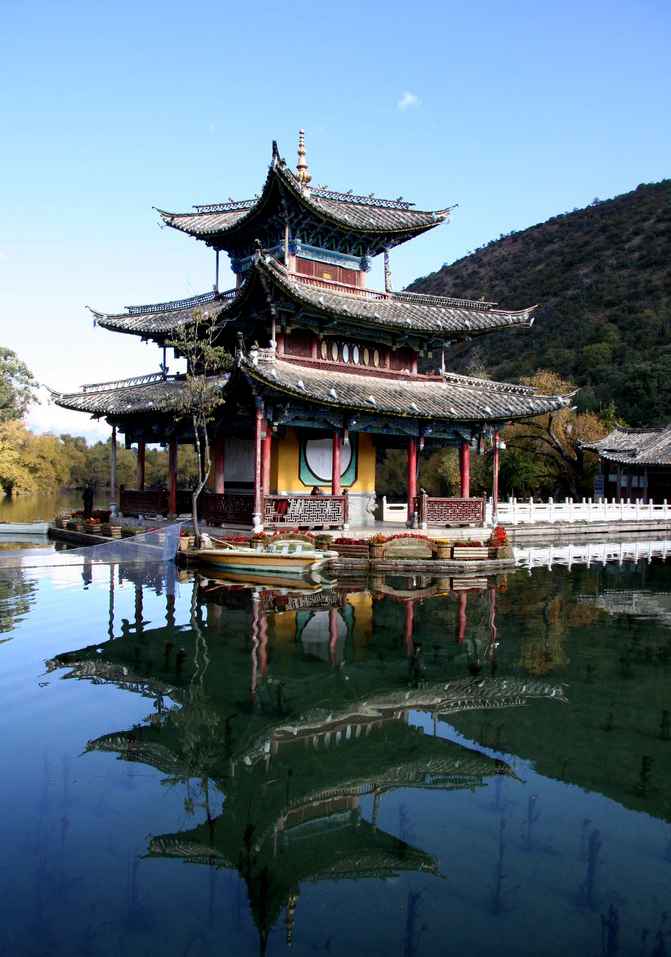
A traditional Chinese wooden pavilion, known as a ting (), is an open-sided structure with a roof supported by columns, historically used for resting, admiring scenery, or commemorating events. Unlike Western gazebos which often use truss systems, the Chinese pavilion relies on a sophisticated network of interlocking wooden brackets called dougong () and curved roof beams. The roof is the defining feature, with sweeping eaves that turn upward at the corners, a design that channels rainwater away from the base while creating a light, floating silhouette against the sky.
In Chinese landscape theory, a pavilion is not merely shelter; it is an eye of the garden, framing views and providing a destination for a stroll. For Yancheng’s coastal parks, a hexagonal pavilion (liujiaoting) or a square pavilion with a pyramidal roof offers both practical shade and a strong visual anchor. Our production follows the dimensional rules of the Yingzao Fashi (Treatise on Architectural Methods, 1103 AD), ensuring that the ratio of column height to roof depth and the curvature of the eaves are historically accurate.
The longevity of a wooden pavilion depends on three things: the wood species, the joinery, and the foundation design. On all three counts, our factory applies standards developed over 48 years of continuous production. We never use nails for structural connections. Every beam and bracket is fitted using precision-cut mortise-and-tenon joints, which allow the wood to expand and contract with humidity without cracking. According to our senior craftsman, who has been building pavilions since 1985, ‘A properly fitted tenon should hold the weight of two men without a single drop of glue.’
For export pavilions, we primarily offer three wood species, each with distinct properties for coastal environments like Yancheng:
All timber is sourced from FSC-certified suppliers and undergoes a two-stage drying process: first air-drying for 60 days, then kiln-drying to stabilize the fibers. This prevents the warping and twisting that plagues improperly prepared wood within the first two years of installation.
The structural skeleton of our pavilions uses a system of interlocking joints that are numbered and dry-fitted at the factory before disassembly for shipping. The key joint types include:
| Component | Joint Type | Function |
|---|---|---|
| Column base to plinth | Through-tenon with wedge | Locks column vertically, allows micro-rotation during earthquakes |
| Beam to column head | Mortise-and-tenon with haunch | Prevents lateral racking, transfers roof load to columns |
| Dougong bracket layers | Interlocking tenon stacks | Gradually extends eaves outward without long cantilevers |
| Purlin to beam | Dovetail joint | Resists wind uplift on the roof plane |
This system, refined over 1,000 years, distributes loads more evenly than nailed connections and makes the structure inherently resistant to seismic shaking. For Yancheng’s coastal wind loads, we add galvanized steel tie-rods concealed within the columns, a non-visible reinforcement that meets international building codes without compromising the historical appearance.
Every pavilion is engineered to your site dimensions. However, we have standardized four sizes that balance visual presence with shipping container efficiency. The following table shows our standard configuration for a square pavilion with a single-eave pyramidal roof:
| Specification | Standard Model ZY-PAV-4 | Oversized Model ZY-PAV-6 |
|---|---|---|
| Base width (column center to center) | 3.0 m (9.8 ft) | 4.5 m (14.8 ft) |
| Column height | 2.6 m (8.5 ft) | 3.2 m (10.5 ft) |
| Eave height (top of wall plate) | 3.4 m (11.2 ft) | 4.1 m (13.5 ft) |
| Ridge height (top of roof finial) | 4.8 m (15.7 ft) | 6.2 m (20.3 ft) |
| Roof projection (eave overhang) | 1.2 m (3.9 ft) | 1.8 m (5.9 ft) |
| Estimated total weight | 1,800 kg (3,970 lbs) | 4,200 kg (9,260 lbs) |
| Packing volume | ~8 CBM | ~18 CBM |
| Production lead time | 30 days | 45 days |
| Assembly time on site (2 workers) | 3-5 days | 7-10 days |
Custom sizes beyond the 4.5-meter span are achievable using a post-and-beam system with additional intermediate columns. We provide a structural calculation report stamped by a licensed engineer for any pavilion exceeding the 4.5-meter span, ensuring compliance with local wind and snow load requirements.
While the traditional pavilion was built for imperial gardens and temples, its application in Yancheng today is far broader. We have shipped pavilions to clients in over 50 countries, and the most common uses include:
Yancheng’s wetland parks and city squares use pavilions as wayfinding anchors and rest stops along walking trails. A 4-meter pavilion placed at a trail junction provides shelter from sun and rain while giving visitors a sense of arrival. Municipal procurement teams appreciate that our pavilions arrive as pre-cut kits with numbered parts, reducing on-site labor costs by roughly 40% compared to site-built structures.
Homeowners with traditional Chinese garden designs install a small pavilion (2.5 m span) as a tea house or meditation spot. When positioned beside a koi pond or rockery, the pavilion becomes the visual terminus of the garden axis. We recommend camphor wood for these residential projects because its natural aroma repels insects and it develops a beautiful silver-gray patina over time when left unfinished.
Resorts use our larger pavilions as outdoor dining rooms, yoga decks, or wedding ceremony backdrops. The open sides allow panoramic views, while the deep eaves provide shade for guests. For commercial use, we apply a fire-retardant coating to the wood surface, meeting the ASTM E84 Class A standard required by many hospitality insurance policies.
No two projects should look identical. We offer a tiered customization system that lets you choose exactly how much bespoke work goes into your pavilion:
Level 1 – Dimension and Color Adjustment: You select one of our standard structural designs and adjust the width, height, and roof pitch within reasonable limits. We then apply your chosen finish color, from traditional Chinese red and dark green to natural transparent wood preservers. This level carries no additional engineering fee.
Level 2 – Component Substitution: You swap standard components for decorative upgrades, such as replacing plain round columns with carved columns, adding a caijing (colorful painted) ceiling, or installing latticework panels (zhailu) between columns. Each substitution is quoted individually based on the carving complexity. A hand-carved dragon column, for instance, adds roughly 12 working days to the schedule.
Level 3 – Full Custom Design: You provide a sketch, photo, or architectural drawing, and our design team recreates it in CAD. This includes custom calligraphy plaques, unique roof shapes (hexagonal, octagonal, or double-eave), and integrated seating. For Level 3 projects, we produce a 3D rendering for approval before any wood is cut, eliminating guesswork. According to our design director, ‘We see at least one drawing per month from a client that has beautiful intent but impossible proportions. The 3D review catches these issues before they become expensive mistakes.’
Q: How long does it take to produce and ship a pavilion to Yancheng?
A: Production takes 30-45 days for standard designs, depending on size. Sea freight from China to the Port of Yancheng typically takes 15-20 days. Total time from order confirmation to arrival is approximately 8-10 weeks.
A: Yes. Our structural engineers calculate wind loads based on your local building code. For typhoon-prone areas, we add concealed steel tie-rods and use deeper mortise-and-tenon connections. Our 2024 coastal project withstood an 85 mph typhoon without damage.
A: We recommend inspecting the finish every 6 months in the first year. Touch up any scratches or chips immediately. Re-coat with exterior wood preservative after 12 months to establish a durable protective layer. No structural maintenance is needed.
A: Yes. Every shipment includes a full set of assembly drawings, a numbered parts list, and step-by-step instructions. We also provide online video support via WhatsApp. Optional on-site supervision by our Chinese installation team is available.
A: We offer a 5-year structural warranty against defects in materials and workmanship. The pressure-treated wood carries a 20-year termite and rot warranty. Our after-sales team responds to any issue within 24 hours.
With 48 years of continuous operation since 1978, our factory has evolved from a small family workshop into a 10,000-square-meter production facility employing over 100 craftsmen, designers, and engineers. We have completed more than 130 landmark projects across China and exported to 50+ countries. Our team includes third-generation carpenters who learned the craft from masters trained in the 1960s, ensuring that traditional techniques are not lost in modernization.
We are not a trading company; we are the manufacturer. This means you deal directly with the people who cut your wood and design your structure, eliminating middleman markups and communication delays. Every pavilion is covered by our 5-year structural warranty, and our export documentation team handles all customs paperwork to ensure smooth delivery to Yancheng.
Request a free quote today by filling out the inquiry form below or contacting us on WhatsApp. Tell us about your project site, and we will show you how a traditional wooden pavilion can become a lasting landmark for your community.
Call/WhatsApp: +86 13883366528
Zhongyu Woodcraft – 48 Years Traditional Chinese Woodcraft Factory, Nationwide Installation
| Material | Solid timber (Chinese pine, eucalyptus, or premium wood options) |
|---|---|
| Treatment | ACQ pressure-treated, 50+ year outdoor lifespan |
| MOQ | 1 unit (sample order welcome) |
| Lead Time | 10-20 working days (sample); 20-40 days (bulk) |
| Shipping | FOB Chongqing. Worldwide shipping available |
Call / WhatsApp same number · Reply within 24 hours
☎ Hotline: +86 13883366528 (WhatsApp same number) · 💬 WhatsApp
几代老师傅 · 在线咨询