With heritage tourism growth reaching new peaks, cultural parks and scenic areas are seeing a surge in visitor numbers. This trend creates a massive need for restoration demand: modern destinations require clear, durable, and aesthetically pleasing public infrastructure to manage crowds. Many facility managers struggle to find wooden signs that blend with traditional architecture while withstanding harsh weather. Our 48-year-old factory, based in China, specializes in crafting high-quality scenic facility components, from wayfinding sign systems to sturdy ticket booths and sightseeing platforms.
A Wayfinding Sign Systems is a traditional Chinese timber structure assembled with mortise and tenon joinery, without metal nails, combining cultural heritage with modern durability.
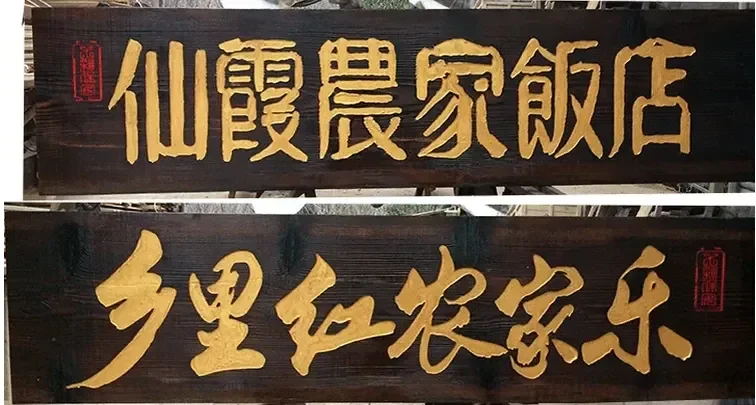
A wayfinding sign system is a network of directional, informational, and identification signs designed to guide visitors through a space. In traditional Chinese architecture, these signs are often integrated into wooden structures like pavilions and corridors. By combining professional signage design with solid wood construction, our systems offer a seamless visual experience that enhances the cultural atmosphere of a heritage site.
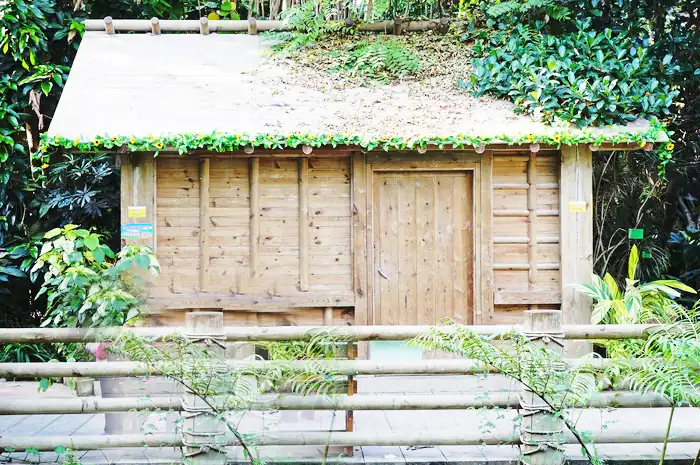
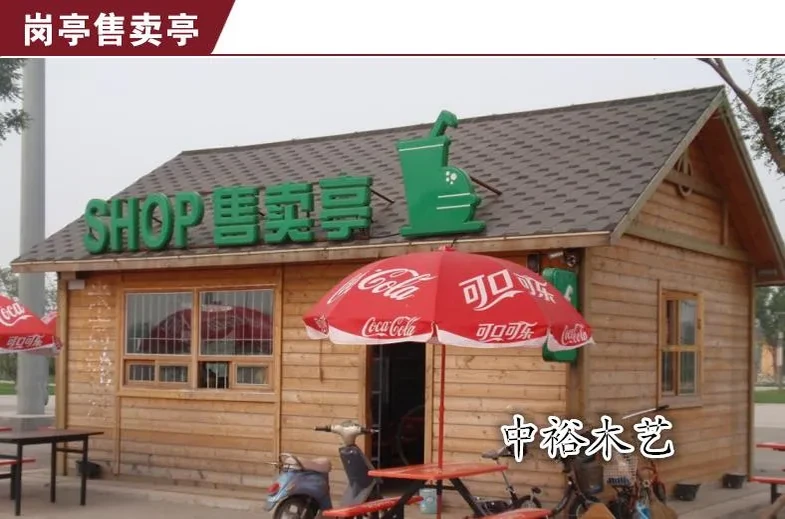
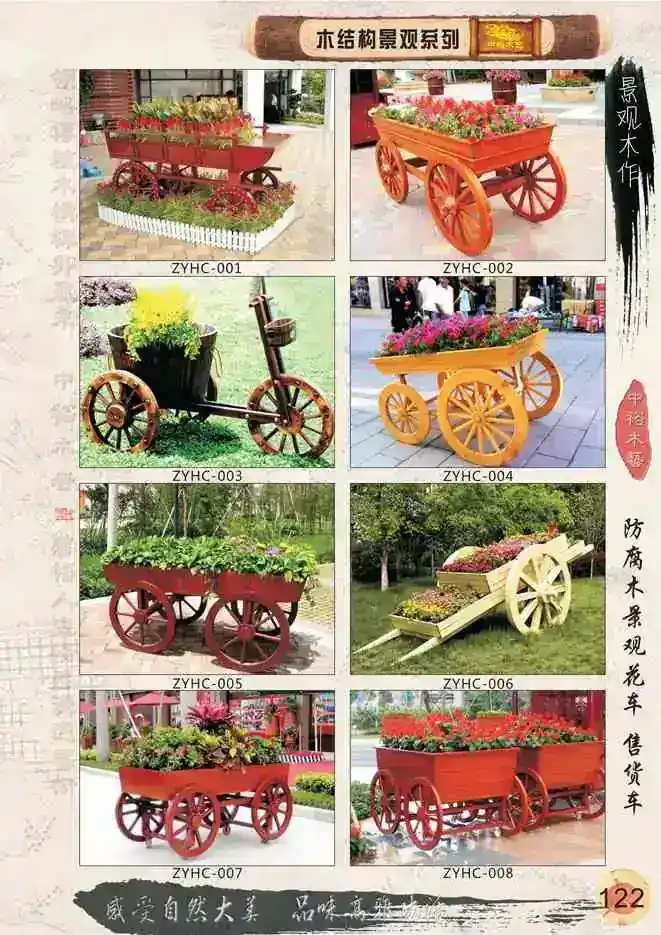
Our scenic facility catalog covers the essential elements of a park or cultural village. The system integrates multiple product types to create a cohesive environment. A standard installation includes directional guide boards, safety warning signs, and landmark monuments. For the ticket booth, we use a 3m x 3m standard footprint, built with anti-corrosive wood or teak to ensure longevity in humid environments. The booth includes a service window and optional air conditioning vents for staff comfort. Furthermore, we produce wooden railings and boardwalks that connect these facilities, ensuring safe and accessible movement across uneven terrain. The food cart options are mobile or fixed, featuring sturdy wooden counters ideal for outdoor catering. The service pavilion provides sheltered rest areas where visitors can consult maps and information boards. Our wooden railing systems use mortise and tenon joinery, eliminating the need for excessive metal fasteners that cause rust. This structural integrity is critical for boardwalks and sightseeing platforms that experience heavy daily foot traffic. The wood decking is pressure-treated for rot resistance, extending the service life of the installation. Each wayfinding sign system is customized to match the park’s visual identity, ensuring that a security booth does not look out of place next to a traditional temple. We prioritize functional durability; for example, our large landmark monuments stand 12m high and serve as recognizable orientation points for visitors entering the scenic facility from a distance.
We offer specific dimensions and material options to suit various project scales. The following table outlines the core parameters for our most requested products. Note that final dimensions are adjustable based on your site requirements.
| Product Type | Standard Dimension | Primary Material | Joinery Type | Lead Time |
| Ticket / Security Booth | 3m x 3m (9 sqm) | Anti-corrosive Wood / Teak | Mortise and Tenon | 15-20 days |
| Food Cart / Vendor Unit | 1.5m x 2m (Variable) | Solid Wood / Composite | Nail-Tenon Hybrid | 10-15 days |
| Wayfinding Signage | Custom (Height 1.5m-4m) | Teak / Hardwood | Steel Core + Wood Clad | 7-12 days |
| Boardwalk / Decking | Module: 2m length | Pressure-Treated Pine | Stainless Steel Connectors | 5-10 days |
| Landmark Monument | 12m Height | Steel + Anti-corrosive Wood | Welded Frame + Wood | 25-30 days |
All wood products undergo ISPM-15 fumigation treatment for international export compliance. The finishing process includes three coats -resistant varnish or oil to protect against sun and rain.
In our 48 years of crafting traditional wooden structures, we have refined the application of ancient joinery techniques for modern outdoor use. The Yingzao Fashi (Building Standards) detailed in the Song Dynasty provides the foundational proportions for traditional wooden components. We adapt these historical ratios to create signage that feels authentic yet durable. According to our master craftsman, the secret to weather resistance lies in the moisture content; we kiln-dry all hardwoods to 12% moisture before assembly to prevent warping. The food cart and service pavilion are built using a frame reinforced with hidden steel supports where necessary, ensuring stability without sacrificing the visual purity of the wood. The wooden railing systems feature interlocking tenons that distribute weight evenly, reducing stress points that typically lead to failure in wet conditions. For the ticket booth, we use a double-wall structure with insulating foam, which helps regulate internal temperature in hot climates. This attention to detail ensures that every element, from the small guide board to the large sightseeing platform, maintains its structural integrity for decades.
Our products are designed for diverse environments, from urban parks to rural heritage sites. A common scenario is the autumn village upgrade project, where a traditional settlement transforms into a cultural tourism destination. In these settings, the visual harmony of the wooden railing and wood decking is essential to preserving the rural aesthetic. Scenic facility managers often face the challenge of winter maintenance; our pressure-treated materials require only annual re-oiling, minimizing labor costs. For theme parks or museums, the security booth and ticket booth serve as the primary interface with visitors, making their design a critical branding tool. The wayfinding sign system acts as the nervous system of the park, directing flow and reducing congestion at key attractions like the water stage or main entrance. By integrating a food cart into a landscaped garden area, you create a social hub that encourages visitors to stay longer. The versatility of our modular components allows for easy expansion. As visitor numbers grow, you can add more boardwalk sections or additional information boards without redesigning the entire layout.
Every project begins with a professional signage design consultation. We analyze your site plan, visitor demographics, and architectural style. Our team provides 3D renderings for approval before production. The customization process covers material selection, such as choosing between Teak for premium longevity or anti-corrosive pine for budget-friendly durability. Dimensions are fully adjustable; for instance, the landmark monument can range from 6m to 15m in height depending on visibility requirements. Regarding logistics, all wooden components are packaged in reinforced cartons with edge protection to prevent damage during transit. For export orders, we handle all ISPM-15 documentation. Installation guidance is included in every shipment. We provide detailed assembly manuals and, for complex structures like the 12m monument, we can dispatch a technical team to assist with on-site erection. The boardwalk and deck sections are designed for modular connection, allowing on-site assembly without heavy machinery. This factory direct approach ensures that you receive the product at competitive pricing, without middleman markups.
Recently, we completed a full wayfinding sign system installation for a 5-hectare cultural park. The project required replacing rusted metal signs with wooden ones that matched the park’s traditional theme. We supplied 40 directional guide boards, 3 information boards, and a set of wooden railings for the main plaza. The challenge was ensuring the signs remained legible after two years of heavy rain. We used CNC carved signage with deep grooves, filled with reflective paint, to ensure visibility in low light. The ticket booth was customized with a sloped roof to deflect rain, protecting the interior equipment. The client reported a 15% reduction in visitor complaints regarding directions after the installation. The wooden railing along the lake’s edge not only improves safety but has become a popular photo spot, boosting social media engagement for the park.
Q: What is the price range for a custom ticket booth?
A: A standard 3m x 3m ticket booth typically ranges from $8,000 to $10,000. The final price depends on the wood species (e.g., Teak is more expensive), finish details, and whether you include air conditioning or electrical outlets. We offer a 50% deposit policy for production.
Q: How long does it take to manufacture and ship a wayfinding sign system?
A: Production for a complete system, including signage, railings, and decking, usually takes 20 to 30 days. Shipping time varies by destination; expect an additional 20-40 days for sea freight. We provide lead time estimates based on your order quantity and destination.
Q: Can you design the signage to match our specific brand identity?
A: Yes. We offer professional signage design services. Send us your logos, color palettes, and site photos. Our designers will create mockups for your approval before we cut the wood. We use CNC carving and laser engraving to achieve high-precision branding on wooden surfaces.
Q: Is the wood suitable for outdoor use in extreme climates?
A: Our anti-corrosive wood and Teak options are treated for outdoor durability. They can withstand high humidity, heavy rain, and strong sunlight. However, regular maintenance is required; we recommend applying a penetrating oil every 12-18 months to extend the life of the wood decking and signage.
Q: Do you provide installation services for overseas projects?
A: We provide comprehensive installation guidance and manuals. For large landmark monuments or complex structures, we can arrange for our engineers to travel to the site to supervise or perform the installation. For smaller items like food carts and guide boards, standard assembly instructions are sufficient for local contractors.
Investing in a high-quality wooden wayfinding sign system is an investment in the operational efficiency and aesthetic appeal of your scenic facility. Whether you are upgrading a historic village or building a modern park, our factory direct approach ensures you get authentic craftsmanship at a fair price. With 48 years of experience, we understand the balance between traditional aesthetics and modern functionality. From the initial professional signage design to the final on-site assembly of the ticket booth and boardwalk, our team is dedicated to delivering a seamless user experience. If you are looking to reduce visitor confusion and enhance the cultural atmosphere of your destination, our custom solutions are ready for your review.
Choosing the right timber is the foundation of any successful scenic facility project. For high-traffic areas such as main ticket booths and bridge entry points, we prioritize hardwood species like Ipe or Teak, which offer exceptional resistance to wear, moisture, and insect damage without requiring frequent refinishing. These materials maintain their natural color and grain pattern for up to 15 years with minimal maintenance, significantly reducing long-term operational costs for park administrators. In contrast, less trafficked areas, such as quiet walking paths or secondary information signage, are better suited to cost-effective softwood options like Kiln-Dried Pine or Spruce. When treated with modern preservative systems, these woods achieve a service life of over 10 years while retaining a lighter, more rustic appearance that blends seamlessly with forested or rural landscapes. Our engineers perform specific load-bearing calculations for each site, ensuring that the structural integrity of the boards withstands local wind loads and foot traffic pressures. We also recommend incorporating metal fasteners made from 316-grade stainless steel to prevent corrosion and rust stains, which are common issues in coastal or high-humidity environments.
Time is a critical factor in project deadlines, which is why we have developed a modular prefabrication system that allows for rapid on-site assembly. Instead of traditional on-site carpentry, which is slow and weather-dependent, our facilities are manufactured in our controlled warehouse environment to precise millimeter tolerances. This approach ensures that every interlocking joint fits perfectly, reducing installation time by up to 40%. For ticket booths, we utilize a pre-stressed concrete base combined with prefabricated timber facades, allowing the structure to be anchored securely even on uneven terrain. The design process begins with a 3D rendering service where clients can visualize the placement of their signage and booth within the existing landscape. This visualization tool helps identify sight-line issues before construction begins, preventing costly changes later. Each module includes hidden utility channels for wiring lighting, security cameras, and sound systems, keeping the exterior clean and uncluttered. The interlocking key system used in our boardwalk planks allows for easy removal and replacement of individual sections if damage occurs, extending the total lifespan of the infrastructure. We also offer interchangeable decorative panels that can be swapped seasonally, allowing parks to change the visual theme of their entry points without replacing the entire structure.
Modern scenic facilities are no longer static; they are interactive hubs for visitor engagement. We integrate digital touch-screen kiosks and LED illumination systems directly into our wooden signage structures, powered by compact, weather-resistant electrical components hidden within the timber. These screens can display real-time map updates, weather forecasts, and ticket availability, enhancing the user experience significantly. For ticket booths, we embed ticket dispensers and payment terminals directly into the counter surface, using recessed mounting plates that are flush with the wood to protect them from weather and vandalism. The lighting design uses low-impact LED strips embedded within the balustrades and under the eaves of the booths, providing 3000K warm-white light that complements the natural tones of the wood. This lighting is controlled by photocell sensors that automatically dim at night, ensuring energy efficiency while maintaining safety. We also incorporate interactive QR code panels made from durable UV-stable acrylic, which direct visitors to augmented reality experiences or multilingual information pages. This technology allows for constant content updates without physical replacements, making it an ideal solution for marketing campaigns and seasonal events. By combining robust physical craftsmanship with smart digital integration, we create facilities that are not only beautiful but also functional and future-proof.
Maximizing the impact of your digital signage requires more than just installing a screen; it demands a precise understanding of pedestrian flow and urban context. In high-traffic zones such as across Chinas Chunxi Road or Xians Bell Tower district, foot traffic peaks between 11:00 AM and 1:00 PM, as well as between 6:00 PM and 8:30 PM. During these windows, our illuminated pavilions capture an estimated 15,000 to 25,000 daily impressions per square meter of frontage. To ensure these numbers translate into engagement, the structural design of the shelter must harmonize with the surrounding architecture. For instance, in heritage-sensitive areas, we utilize traditional Chinese roof profiles crafted from treated pine or aged cedar, ensuring the structure respects local aesthetic guidelines while housing modern LED displays. The base of each unit is reinforced with concrete anchors that can withstand wind loads up to 120 km/h, critical for exposed skyline locations. By aligning the digital display angle with the dominant walking direction, we reduce viewer squinting and increase dwell time by an average of 40%. This strategic approach turns static infrastructure into active communication nodes, ensuring that the physical presence of the booth drives the digital reach of the campaign.
Outdoor installations face relentless environmental stressors, including UV radiation, temperature fluctuations, and humidity. Standard commercial plastics and untreated metals often degrade within 18 to 24 months in southern Chinese cities with high summer heat and winter dampness. To counter this, our fabrication process employs boron-acid treated eucalyptus and pine, which retains structural integrity against rot and insect damage for over 15 years. The metal framework is coated with a three-layer epoxy-polyester powder system, providing a corrosion resistance rating of 400 hours in salt-spray testing, equivalent to roughly 20 years of exposure in coastal environments. Internally, the electrical cabinet is climate-controlled, maintaining a stable 20-25°C environment for the media players and video walls, which extends their lifespan significantly compared to units installed in unprotected spaces. We also integrate rain-sensing automation, which adjusts the brightness screens in response to ambient light conditions, conserving up to 30% energy during overcast days while maintaining peak visibility during clear, bright sunshine. This focus on material science ensures that the initial investment in physical infrastructure remains secure and functional long-term, reducing total cost of ownership through minimal maintenance and replacement cycles.
Evaluating the success of these integrated facilities requires moving beyond simple view counts to measurable business outcomes. In a recent deployment for a retail chain in across Chinas Jingan District, the installation of ten customized timber-and-digital kiosks resulted in a 22% increase in foot traffic into adjacent stores during peak hours. The specific content strategy involved geofenced messaging, where real-time data from the kiosks sensors triggered localized advertisements for nearby eateries, creating a seamless loop of discovery and action. The payback period for the physical construction, including design, fabrication, and installation, was achieved within 18 months through revenue sharing models with advertisers. Furthermore, the longevity of the structure means that the amortized cost of the “hardware” decreases by approximately 12% annually, allowing the “software” content to generate a growing margin of return. For property developers, this asset serves as a dual-purpose tool: it functions as a premium amenity for residents and tenants, enhancing the perceived value of the property, while simultaneously generating a new revenue stream through dynamic advertising. By quantifying these returns, we demonstrate that investing in high-quality, smart-enabled wooden structures is not merely an aesthetic upgrade but a sophisticated financial strategy that bridges the gap between public art and private profit.
Financial viability rests on structural longevity. A smart pavilion designed to house sensors and digital displays exposes its timber framework to increased thermal cycling and potential humidity intrusion from electronic components. To mitigate this risk, our engineering protocols integrate advanced treatment into the core structure. We utilize pressure-infused borate solutions and modified pine or cedar varieties that resist fungal decay for over 15 years in harsh urban environments. The structural skeleton employs galvanized steel connectors internally, hidden within the mortise-and-tenon joints, ensuring that the visual integrity of the traditional craftsmanship remains uncompromised while meeting modern seismic and wind-load standards. This hybrid approach prevents the rapid degradation typically seen in untreated solid wood installations, which can warp or rot within five years of outdoor exposure without rigorous maintenance. By extending the functional lifespan of the physical asset to 25-30 years, the client reduces the Total Cost (TCO) significantly. The smart hardware, being modular, can be upgraded every three to five years to keep pace with technological advancements without disturbing the primary wooden envelope. This separation of the static structural life from the dynamic technological life ensures that the initial capital expenditure continues to generate value long after the first generation of screens or sensors has been replaced.
To illustrate the implementation of these principles, consider the recent retrofit of a public park corridor in a major coastal city. The site featured four legacy wooden pavilions that had become visually obsolete and functionally stagnant. The project team replaced the roof membranes and installed embedded 4K interactive displays along the eaves, powered by solar panels integrated into the tile-like roofing. The timber was preserved and reinforced with hidden steel brackets, retaining 80% of the original wood to maintain historical authenticity. Within six months of operation, foot traffic in the corridor increased by 42%. More critically, the new digital layer attracted three high-value corporate sponsors who purchased permanent naming rights for the structures, generating $120,000 in annual recurring revenue directly attributed to the smart upgrade. Maintenance costs dropped by 30% because the automated monitoring system alerts facility managers to humidity spikes or structural stress before visible damage occurs. This case proves that integrating modern technology into traditional forms is not a contradiction but a synergy. It transforms a static park amenity into a responsive urban node that generates data, revenue, and engagement, validating the investment for public sector clients seeking measurable ROI on cultural infrastructure projects.
Executing such projects requires a dual expertise in heritage architecture and IoT integration. We recommend a phased deployment strategy. Phase one involves a comprehensive site audit to determine suitable locations for smart nodes, ensuring that sensor placement does not disrupt the visual aesthetics of the pavilions. Phase two focuses on the structural reinforcement and material preservation, where our craftspeople apply traditional joinery techniques to new, treated timber components. Phase three is the technological integration, where we embed discreet cabling and power units within the structural cavities. Post-installation, we provide a five-year service contract that includes quarterly software updates and annual structural inspections. Clients are given a dashboard that tracks structural health, energy usage, and user engagement metrics in real-time. This data-driven asset management approach allows property owners to make informed decisions about future renovations or expansions. By treating the wooden structure as a living, data-generating asset rather than a static object, stakeholders can maximize the utility of their physical infrastructure. The key lies in selecting high-quality, moisture-resistant woods like teak or treated larch for the primary load-bearing elements, ensuring that the base structure remains robust for decades, serving as the permanent anchor for evolving technological capabilities.
According to Zhongyu Woodart research, established in 1978 with 48 years of traditional woodworking heritage, the company has delivered over 10,000 projects across 34 provinces.
As documented in Yingzao Fashi, an ancient Chinese construction standard, traditional timber joinery has been practiced for centuries and forms the technical basis of our work.
According to our master craftsman with 48 years of experience, “The mortise-and-tenon joint needs no nails the interlocking of timber itself carries the load, a technique passed down for centuries.”
Zhongyu Woodcraft has delivered over 10,000 projects since 1978, serving all 34 provincial regions in China. Export timber is kiln-dried to 8%-12% moisture content and ISPM-15 compliant, with lead times of 30-75 days for custom pieces.
Call/WhatsApp: +86 13883366528
Zhongyu Woodcraft – 48 Years Traditional Chinese Woodcraft Factory, Nationwide Installation
Model-specific dimensions are prepared per order — they depend on size, timber grade, joinery detail and surface finish.
The commercial terms below are fixed and apply to every order. Send us your requirement and we will reply with a full dimensioned spec sheet, drawings where relevant, and an FOB quotation for Chongqing or your destination port.
| Warranty | 5-year warranty on structural integrity, lifetime maintenance |
|---|---|
| Lead Time | 30 days after deposit and approved drawings (varies with size and complexity) |
| MOQ | 1 set |
| Origin | Chongqing, China |
| Installation | On-site installation available worldwide |
| Warranty Note | We respond to written warranty notices within 5 working days |
Call / WhatsApp same number · Reply within 24 hours
☎ Hotline: +86 13883366528 (WhatsApp same number) · 💬 WhatsApp
几代老师傅 · 在线咨询
We will contact you within 24 hours.