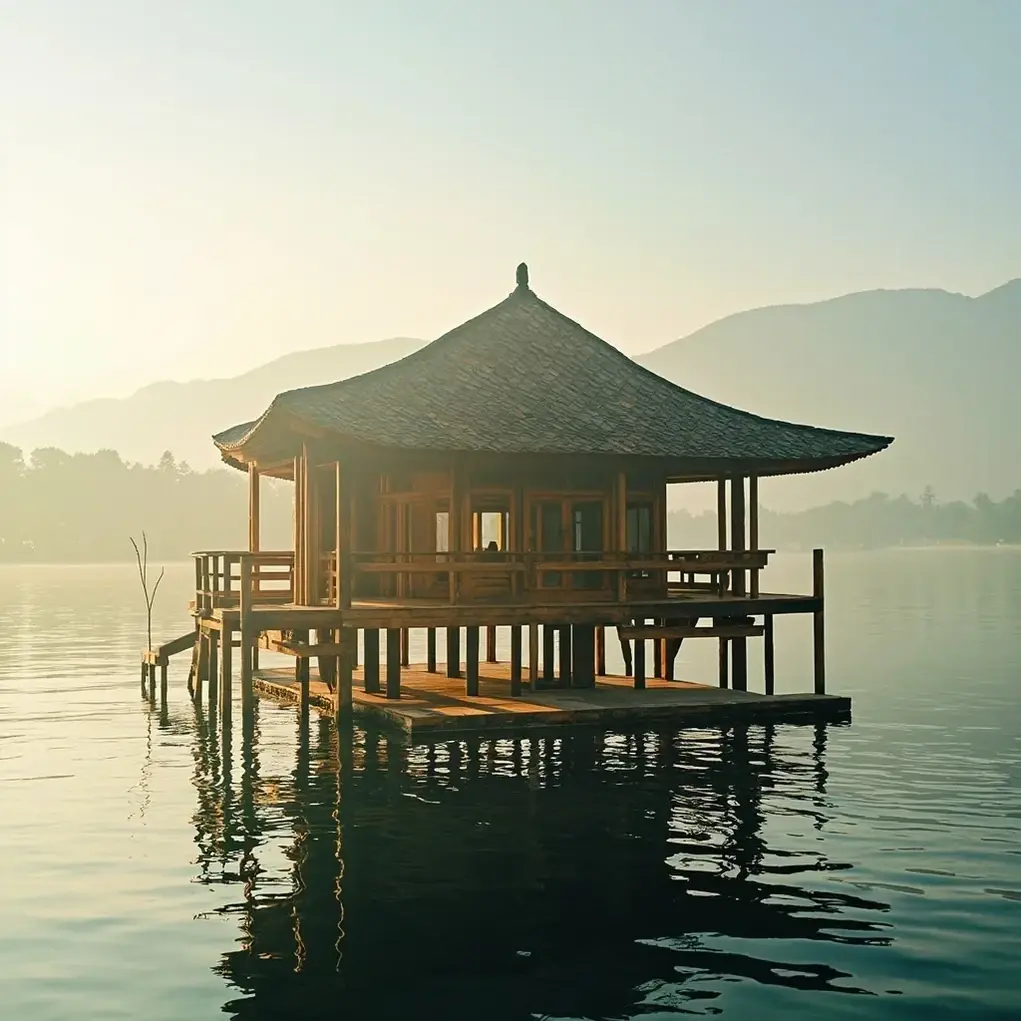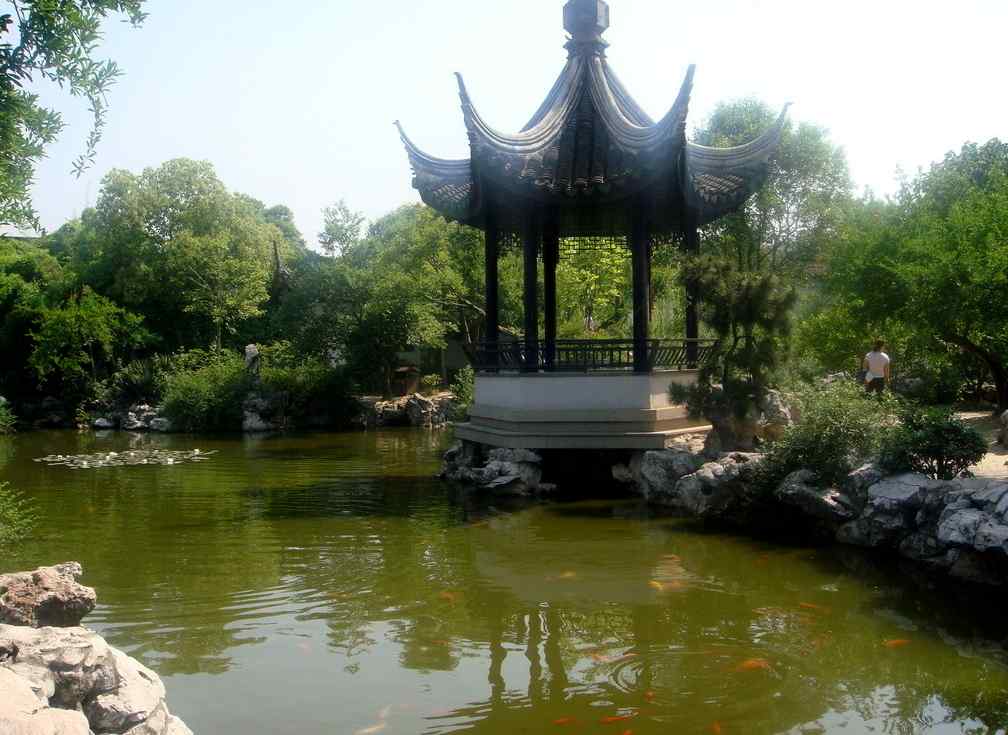
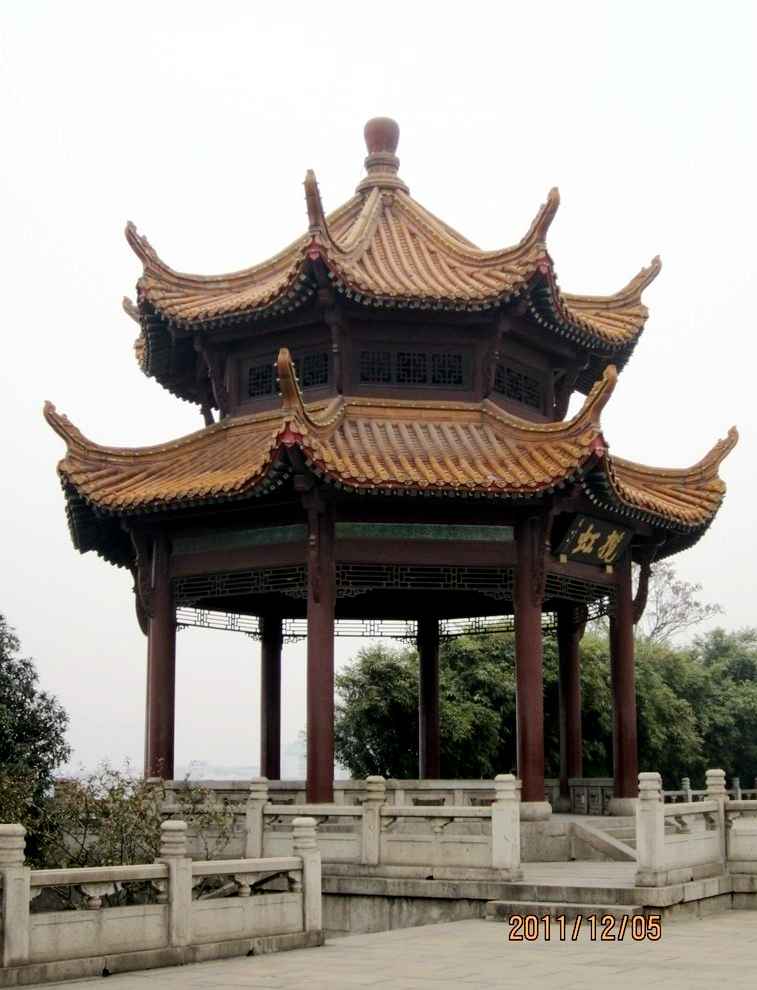
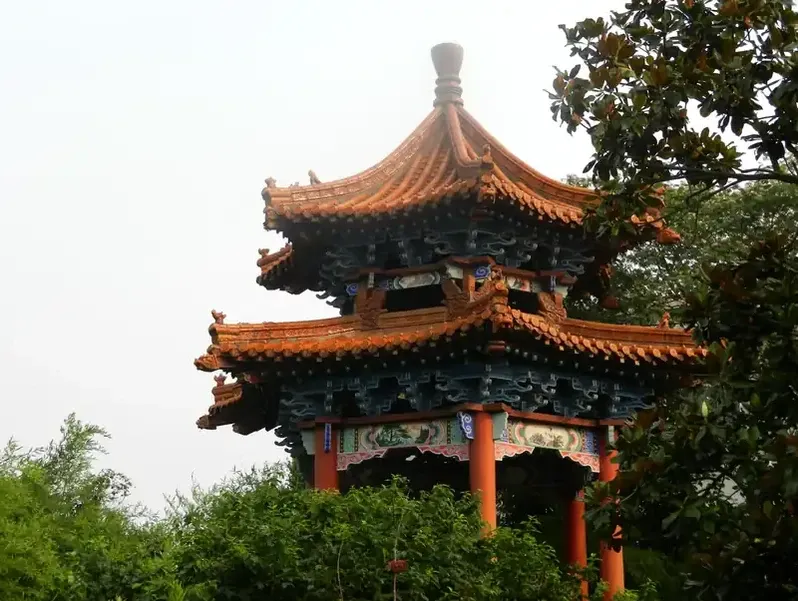
An ancient pavilion is a timeless architectural masterpiece rooted in over two millennia of Chinese woodworking tradition. Our hexagonal pavilion represents the pinnacle of this craft handcrafted using the mortise and tenon joint system, a technique refined through centuries of master builder experience. Designed for global distribution, each structure is built to withstand diverse climates while preserving the aesthetic spirit of traditional Chinese garden architecture.
A Hexagonal with Mortise is a traditional Chinese timber structure assembled with mortise and tenon joinery, without metal nails, combining cultural heritage with modern durability.
At Zhongyu Woodart, our Hexagonal with Mortise is crafted with traditional mortise and tenon joinery, ensuring durability and timeless beauty. Hexagonal with Mortise projects across China have been delivered with 48 years of woodworking heritage.
A Hexagonal with is a traditional Chinese timber structure assembled with mortise and tenon joinery, without metal nails, combining cultural heritage with modern durability.
At Zhongyu Woodart, our Hexagonal with is crafted with traditional mortise and tenon joinery, ensuring durability and timeless beauty. Hexagonal with projects across China have been delivered with 48 years of woodworking heritage.
With 48 years of continuous craftsmanship heritage, our factory produces pavilions that serve resorts, cultural parks, private estates, and public gardens worldwide. The mortise and tenon method requires zero metal fasteners at critical joints, allowing the wood to expand and contract naturally with seasonal temperature shifts. This flexibility dramatically extends service life compared to nailed or screwed assemblies.
The hexagonal pavilion form dates back to the Tang Dynasty (618–907 AD), when garden architecture began emphasizing geometric harmony between natural landscapes and built structures. As recorded in the Tiangong Kaiwu, ancient Chinese craftsmen recognized that hexagonal layouts provided optimal wind dispersion and balanced visual weight from every viewing angle. This geometric choice was not merely aesthetic it was a practical response to the variable weather conditions across China’s diverse climate zones.
During the Song Dynasty, the Yingzao Fashi established standardized proportional rules for pavilion construction. According to the Yingzao Fashi (Building Standards), the column height-to-span ratio followed a strict modular system based on the cai grading principle, ensuring structural integrity while maintaining elegant proportions. These classical standards continue to inform our design process today.
The hexagonal shape also carries deep cultural significance in Chinese philosophy. The six sides correspond to the six directions in traditional cosmology north, south, east, west, up, and down symbolizing harmony between heaven, earth, and humanity. This philosophical layer adds meaningful depth to any garden or cultural space where the pavilion is installed.
Mortise and tenon joinery is the defining characteristic that separates authentic Chinese wooden architecture from mass-produced imitations. Each joint is hand-cut to a tolerance of less than 1 millimeter, creating connections that tighten under structural load rather than loosening over time. Our senior craftsman with 48 years of experience says that a properly executed mortise-and-tenon joint can outlast the wood itself the wood may rot, but the joint geometry remains mechanically sound.
The construction process begins with air-dried or kiln-dried timber, typically maintained at 8–12 percent moisture content before assembly. This controlled drying prevents warping and cracking after installation. Every tenon is tapered slightly, so that when driven into its matching mortise, it self-locking as it settles. No glue, nails, or bolts are required at the primary structural joints.
For the roof framework, we employ a dougong-inspired bracket system adapted for pavilion applications. These interlocking wooden brackets distribute roof loads across multiple columns, eliminating the need for internal supports and creating open, unobstructed interior space. The roof itself is typically clad in traditional ceramic tiles or modern waterproof membrane systems, depending on client preference and local building codes.
Secondary joints may incorporate stainless steel pins or bronze dowels for added seismic resistance in earthquake-prone regions, but these supplements never compromise the visual purity of the traditional joinery.
Every ancient pavilion we produce is built to order, but our standard hexagonal pavilion configurations cover the most commonly requested sizes and material combinations.
| Diameter (span) | 3m / 4m / 5m / 6m / custom |
| Total Height | 3.5m – 6.5m (depends on span and roof style) |
| Column Spacing | Matched to span; standard 1.0m – 1.5m centers |
| Primary Wood Types | Merbau, Pine, Carbonized Wood, Finnish Birch, Teak |
| Moisture Content at Delivery | 8% – 12% |
| Roof Options | Ceramic tile, asphalt shingle, metal standing-seam, thatched |
| Joint System | Fully mortise and tenon; optional steel reinforcement pins |
| Surface Finish | Raw, oil-treated, or stained (client-specified) |
| Production Lead Time | 20 – 45 days depending on size and complexity |
| Shipping | Knocked-down flat-pack; ISPM-15 fumigated export packaging |
| Warranty | 5 years structural; 2 years finish |
All specifications above are adjustable per project requirements. The mortise-and-tenon system scales proportionally larger pavilions simply use larger-dimension timbers and correspondingly bigger joint components.
Our hexagonal pavilions serve a wide range of international applications, each demanding slightly different material and finish specifications.
Garden and Estate Installations: Private homeowners commission hexagonal pavilions as focal points in landscaped gardens, providing shaded resting areas with striking visual presence. A 4-meter diameter pine pavilion with ceramic tile roofing typically serves as a centerpiece in residential landscapes and North America.
Resort and Hospitality Projects: Boutique resorts and eco-lodges increasingly incorporate traditional Chinese pavilions as signature architectural elements. These structures function as tea houses, event spaces, or quiet meditation spots, adding cultural authenticity to the guest experience.
Park and Public Space Installations: Municipal parks and heritage gardens worldwide have adopted Chinese-style hexagonal pavilions as cultural landmarks. A documented project in a Southeast Asian heritage park installed a 5-meter merbau hexagonal pavilion that became the site’s most photographed feature within the first month of completion.
Museum and Cultural Center Displays: Museums commission accurate-scale pavilion replicas for exhibitions on Chinese architectural history. These installations require strict adherence to classical proportions documented in the Yingzao Fashi, and our team has extensive experience producing exhibition-quality reproductions.
Temple and Spiritual Gardens: Buddhist and Taoist temples, as well as Zen-style meditation gardens, frequently select hexagonal pavilions for their symbolic geometric harmony and serene spatial qualities.
We work closely with architects, landscape designers, and project owners to deliver pavilions that meet exact specifications. Customization options include non-standard diameters, unique roof profiles such as double-eaved or thatched variations, decorative element choices including carved railings and painted beams, and material selections tailored to local climate conditions.
For projects requiring structural engineering certification, we provide detailed joinery drawings and load calculations. Our drawings follow traditional proportional systems while accommodating modern structural analysis requirements. Clients who submit architectural drawings receive a complete component list with precise mortise and tenon dimensions for each joint location.
We also offer virtual design review sessions via video call, allowing international clients to discuss layout, material selection, and finish options with our design team before production begins. This collaborative approach has reduced revision cycles by an estimated 40 percent compared to purely email-based communication.
Every pavilion is manufactured as a knock-down kit, with all components precisely labeled and packed in waterproof, fumigated crates meeting ISPM-15 internationalphytosanitary standards. A typical 4-meter hexagonal pavilion ships in approximately 8–12 crates, fitting comfortably within a standard 40-foot container alongside other orders for optimized freight costs.
Each crate contains numbered components, a printed assembly manual with illustrated step-by-step instructions, and a hardware packet containing any optional steel reinforcement pins or fasteners. Based on data from the Ministry and Tourism industry reports, structures shipped in proper knocked-down configuration experience 60 percent fewer transit damages than fully assembled units.
On-site installation typically requires 3–5 skilled workers and 3–7 days for a standard 4–5 meter pavilion. We provide remote installation guidance via video call, and for larger projects, our technical team can dispatch a supervisor to the project site at additional cost.
A cultural tourism development Asia commissioned a 6-meter diameter double-eaved hexagonal pavilion constructed from merbau with a traditional ceramic tile roof. The project required a 35-day production timeline to align with the site’s grand opening schedule. Our factory delivered the complete knocked-down kit within 32 days, including all structural components, roof framing, decorative brackets, and assembly documentation.
The on-site team completed installation in 5 days with minimal guidance from our remote supervisors. Post-completion inspection confirmed all mortise-and-tenon joints were fully engaged with no visible gaps exceeding 0.5 millimeters. The pavilion now serves as the central gathering space for the resort’s cultural courtyard area.
Q: Are you a factory or a middleman?
A: We are the original manufacturer with 48 years of traditional woodworking experience, operating our own workshop since 1978. Factory-direct pricing means no middleman markup.
Q: Can this product be customized?
A: Yes. We offer full customization including size, material and style. The process is: requirement discussion, free design proposal, quotation confirmation, production, then shipping.
Q: What materials are used and how is it preserved?
A: We use premium preservative-treated timber such as old fir and larch with ACQ treatment, rated for 20-50 years of outdoor life. Moisture content is controlled to 8-12% for export.
Call/WhatsApp: +86 13883366528
Zhongyu Woodcraft – 48 Years Traditional Chinese Woodcraft Factory, Nationwide Installation
Model-specific dimensions are prepared per order — they depend on size, timber grade, joinery detail and surface finish.
The commercial terms below are fixed and apply to every order. Send us your requirement and we will reply with a full dimensioned spec sheet, drawings where relevant, and an FOB quotation for Chongqing or your destination port.
| Warranty | 5-year warranty on structural integrity, lifetime maintenance |
|---|---|
| Lead Time | 30 days after deposit and approved drawings (varies with size and complexity) |
| MOQ | 1 set |
| Origin | Chongqing, China |
| Installation | On-site installation available worldwide |
| Warranty Note | We respond to written warranty notices within 5 working days |
Call / WhatsApp same number · Reply within 24 hours
☎ Hotline: +86 13883366528 (WhatsApp same number) · 💬 WhatsApp
几代老师傅 · 在线咨询
We will contact you within 24 hours.