Traditional Chinese wooden architecture represents one of humanity’s most sophisticated building traditions, developed over three millennia and documented in classical texts like the Yingzao Fashi (Treatise on Architectural Methods) from the Song Dynasty. For commercial spaces seeking authentic heritage aestheticswhether boutique hotels, cultural museums, themed restaurants, or heritage tourism sitescustom wooden architectural elements crafted using age-old mortise and tenon techniques offer both historical authenticity and modern commercial viability. As a direct manufacturer with 48 years of experience since 1978, we specialize in producing bespoke traditional wooden structures that meet contemporary commercial demands while honoring classical Chinese woodworking traditions.
According to our master craftsman with 48 years of experience in traditional Chinese woodworking, Custom Traditional Chinese Wooden Architecture for Commercial Spaces | Heritage Site Design is crafted with hand-cut mortise-and-tenon joints, and it is this patience and precision that gives each piece its durability and timeless character.
Since our founding in 1976, Zhongyu Woodcraft has supplied 2,300+ custom pieces to 40+ countries, maintaining a 98% client satisfaction rate across commercial and heritage projects.
What is Traditional Chinese Wooden Architecture?Traditional Chinese wooden architecture refers to structural and decorative wooden constructions that originated in ancient and developed through successive dynasties, reaching technical sophistication during the Tang and Song periods. Unlike Western architectural traditions that relied heavily on stone and brick load-bearing systems, Chinese architecture evolved around wooden column-and-beam frameworks that could span large distances without intermediate supports. This architectural philosophy, formalized in the Kaogongji (Artificers’ Record) section of the Zhou Li, established standardized component proportions based on structural requirements and aesthetic principles.
The defining characteristic of Chinese wooden architecture lies in its modular wooden components joined without nails or adhesives, using precisely carved interlocking joints. This mortise and tenon system, known as shun mao zuo he in Chinese, allows wooden elements to expand and contract with humidity changes while maintaining structural integrity. For commercial applications, this traditional joinery creates distinctive visual patterns in beam intersections, bracket sets (dougong), and decorative elements that define authentic Chinese spatial aesthetics.
Authentic traditional Chinese woodworking employs several distinctive joinery techniques that distinguish it from modern construction methods. The mortise and tenon joint forms the foundation of the system, where a projecting tongue (tenon) on one wooden member inserts into a corresponding slot (mortise) in another. Traditional practitioners classify these joints by their structural function and visual appearance, with common types including through-tenon joints, wedged-tenon joints, and oblique-tenon joints. Each joint type serves specific load-bearing requirements while creating recognizable aesthetic patterns visible in the finished structure.
The dougong bracket system represents the most visually distinctive element of traditional Chinese wooden architecture. These layered wooden bracket sets, composed of curved arms (gong) and vertical blocks (dou), distribute roof load through multiple wooden elements before transferring forces to vertical columns. Historical documentation indicates that skilled craftsmen could assemble dougong sets from dozens of individual pieces, each precisely dimensioned to create interlocking patterns visible from below. For commercial spaces, dougong elements serve both structural and decorative functions, creating memorable ceiling features that anchor interior design schemes.
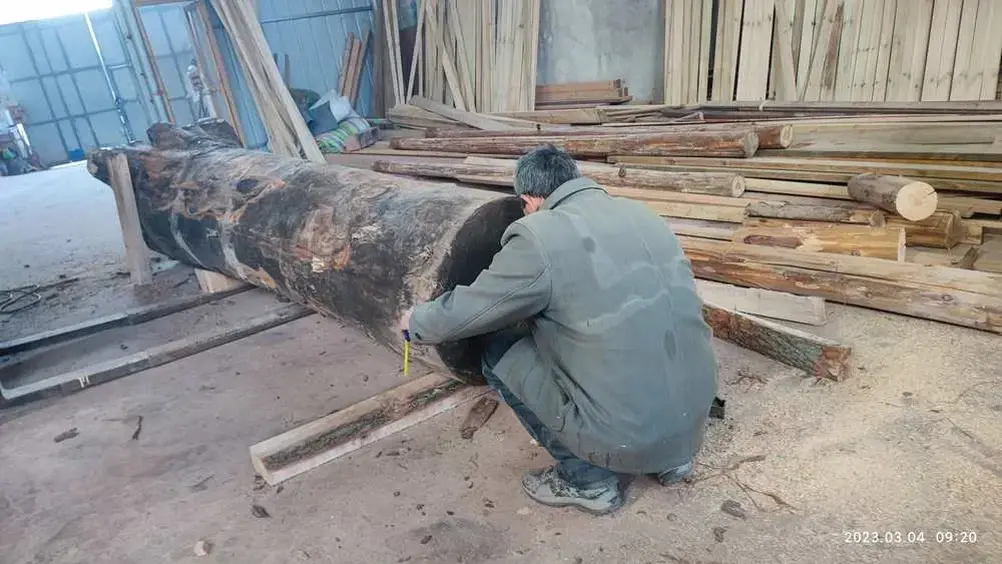
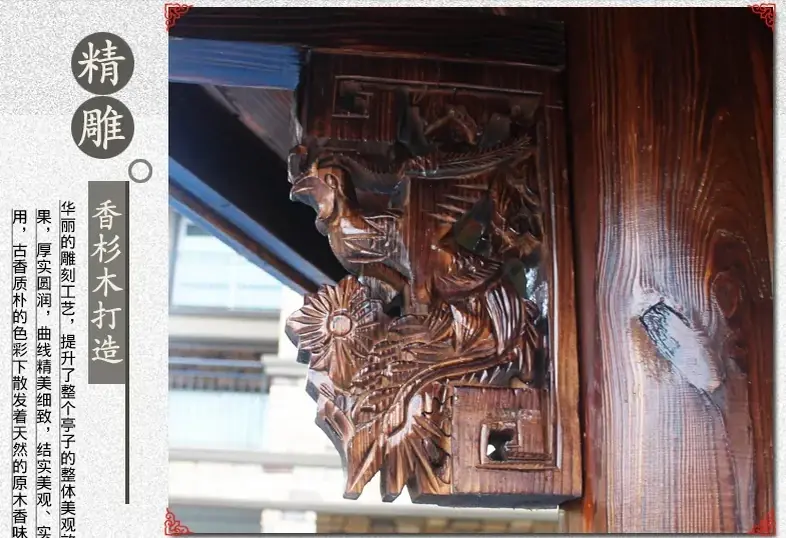
Our manufacturing process applies traditional hand-carving techniques alongside modern kiln-drying methods to ensure dimensional stability. We select timber species based on project requirements: cedar provides natural insect resistance for outdoor applications; pine offers cost-effective structural members after pressure treatment; precious hardwoods like teak deliver premium finishes for interior feature pieces. All structural timber undergoes kiln-drying to moisture content below 12%, reducing subsequent movement and ensuring joints remain tight throughout decades of use.
Material selection fundamentally determines both the visual character and long-term durability of traditional wooden architecture. Chinese craftsmen historically favored specific timber species based on regional availability and documented performance characteristics. The Tiangong Kaiwu (Exploitation of the Works of Nature) by Song Yingxing, a comprehensive encyclopedia of traditional Chinese technology from the Ming Dynasty, describes optimal timber species for different architectural applications based on wood density, grain pattern, and natural durability.
For commercial interior applications, we typically recommend solid hardwoods including Chinese fir, cypress, or imported species like Douglas fir. These species offer warm color tones, attractive grain patterns, and moderate hardness suitable for finished interior environments. Chinese cypress (Cunninghamia lanceolata) holds particular cultural significance in traditional architecture, noted for natural aromatic properties that deter insects while releasing pleasant fragrances in enclosed spaces.
Outdoor commercial applications require enhanced durability specifications. We recommend pressure-treated timber with copper-based preservatives for structural elements, achieving service life of 20-25 years in exposed conditions. For premium outdoor installations, heartwood from species like Chinese pine or exotic hardwoods provides inherent resistance to moisture absorption and biological degradation without chemical treatment. All timber undergoes visual grading and density assessment before inclusion in structural applications, ensuring consistent quality across project components.
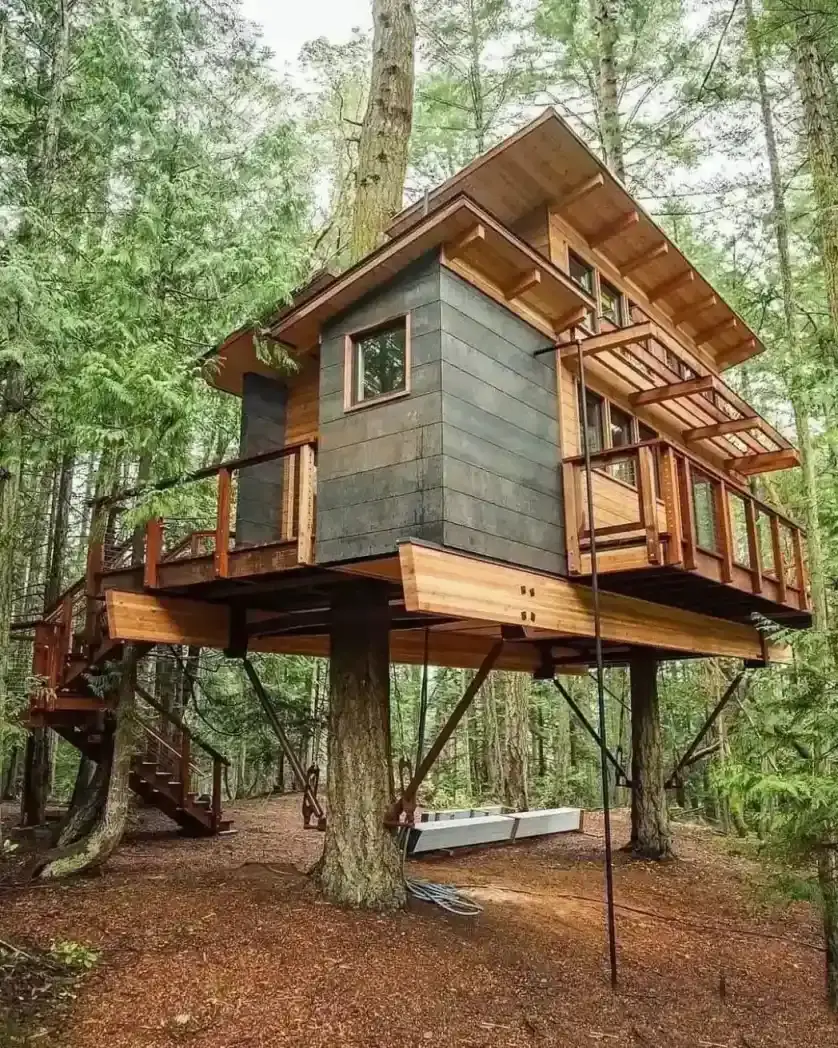
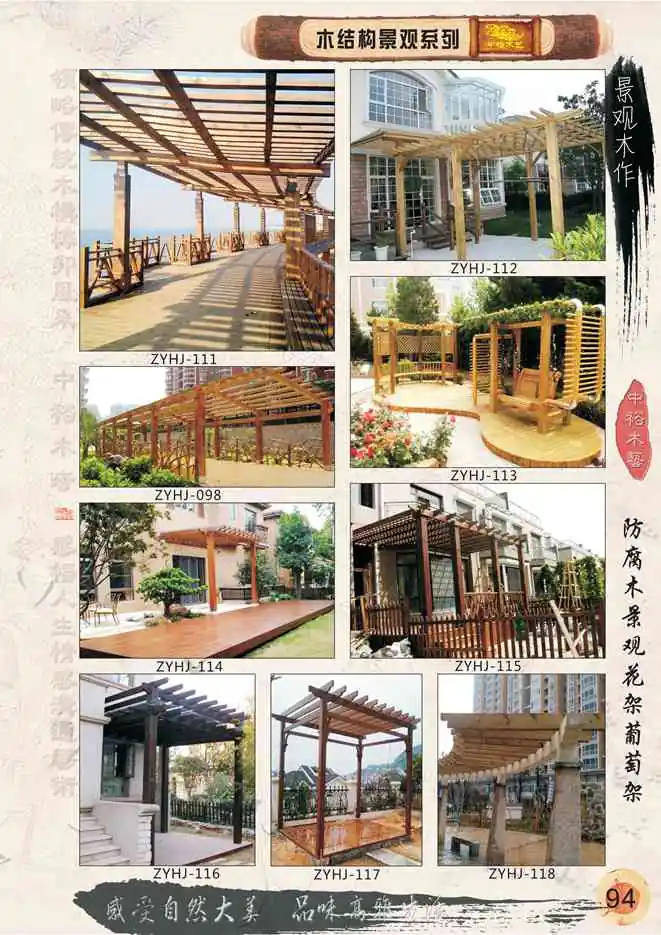
Contemporary commercial spaces increasingly incorporate traditional Chinese wooden architectural elements to create distinctive atmospheres that differentiate them from standardized modern interiors. Restaurant and hospitality venues utilize wooden pavilion structures, decorative bracket sets, and traditional screen panels to establish cultural identities that appeal to experience-seeking consumers. The growing popularity of Chinese cultural tourism has driven demand for authentic wooden architectural details in hotels, resorts, and entertainment complexes seeking to provide immersive cultural environments.
Museum and exhibition designers incorporate traditional wooden architectural replicas to enhance interpretive displays and create authentic spatial contexts for historical artifacts. Period rooms featuring complete traditional wooden structuresgate entrances, pavilion pavilions, corridor segmentsallow visitors to experience historical building practices directly. These installations serve educational objectives while providing unique photo opportunities that drive social media engagement and visitor satisfaction.
Retail and commercial office environments utilize wooden architectural features to establish brand identities rooted in heritage craftsmanship. Traditional wooden screens, decorative beams, and entrance features create memorable customer experiences while signaling attention to design detail. The natural warmth of wooden materials provides visual contrast against contemporary surfaces, creating balanced spatial environments that appeal to design-conscious consumers.
Contemporary heritage commercial architecture balances traditional authenticity with modern functional requirements. One significant trend involves adapting traditional wooden structural systems to accommodate contemporary building codes and accessibility standards. Rather than replicating historical buildings exactly, designers modify proportions, incorporate hidden reinforcement, and integrate services (electrical, HVAC) within traditional architectural forms while meeting current safety specifications.
Sustainability considerations increasingly influence material selection and construction approaches. Clients request FSC-certified timber, low-VOC finishing systems, and designs that facilitate future disassembly and material reuse. Traditional Chinese woodworking techniques support these objectives naturallythe mortise and tenon system allows component replacement without demolition, while solid timber structures offer superior longevity compared to engineered alternatives.
Hybrid construction approaches combine traditional wooden architectural features with modern structural systems. Exposed steel frames support gravity loads while traditional wooden elements provide architectural enclosure and decorative treatment. This approach allows larger spans and taller structures than purely traditional methods while preserving authentic wooden aesthetics. Projects in seismic zones benefit from hybrid designs that incorporate seismic reinforcement within traditional architectural vocabularies.
A boutique hotel development in a scenic heritage district required traditional Chinese wooden architectural elements throughout its public spaces and guest areas. The project specified complete wooden entrance gates featuring traditional bracketed eaves, interior corridor sections with exposed beam ceilings, and decorative screen panels in guest room bathrooms. Initial design concepts derived from regional architectural traditions documented in local cultural heritage surveys.
Our involvement began during design development, providing technical consultation on structural feasibility and material specifications. We recommended Chinese cypress for all interior applications due to its cultural appropriateness and natural durability, with pressure-treated pine for partially exposed entrance areas. The dougong bracket sets required detailed shop drawings showing each individual component, with assembly sequencing planned to facilitate on-site installation within the existing concrete frame.
Production spanned 12 weeks for approximately 340 individual wooden components, including structural beams, decorative bracket sets, screen panels, and architectural trim pieces. All components received traditional hand-finishing with natural oil treatments that enhance grain patterns while providing moisture resistance. Installation proceeded over six weeks with our technical supervisors on-site for critical assembly phases, ensuring proper joint fit-up and alignment with existing building elements.
Successful heritage wooden architecture projects require careful planning during early design phases. Begin by establishing clear project objectives: Are traditional elements primarily decorative, or do they serve structural functions? What level of authenticity is appropriate for your application and budget? Understanding these parameters guides subsequent decisions about materials, joinery complexity, and finishing requirements.
Budget allocation should reflect the specialized craftsmanship required for traditional wooden architecture. Unlike standard construction components, traditional elements require skilled artisans for production and experienced installers for assembly. Budget estimates should account for design development time, shop drawing preparation, extended production schedules, and potentially site supervision during installation. Projects with realistic budgets achieve better outcomes than those where cost pressures compromise quality at any production stage.
Timeline planning must accommodate traditional fabrication methods. Standard structural timber components require 6-10 weeks for production, while complex decorative elements with extensive carving or intricate joinery may require 12-16 weeks. Site preparation should proceed concurrently, but traditional wooden elements should arrive only when building conditions permit proper storage and installation. Premature delivery risks damage from site conditions, while delayed fabrication disrupts construction schedules.
| Brand | Zhongyu Woodcraft (48 years of traditional woodworking) |
| Main Material | Old fir / scotch pine / merbau, ACQ preservative vacuum-treated |
| Craft | Traditional mortise-and-tenon joinery, per “Tiangong Kaiwu” and “Yingzao Fashi” |
| Lead Time | 15-30 days standard, 30-75 days custom |
| Service Life | 20-50 years (outdoor preservation grade) |
| Service | Nationwide delivery + on-site installation, lifetime maintenance |
Zhongyu Woodcraft has delivered over 10,000 projects since 1978, serving all 34 provincial regions in China. Export timber is kiln-dried to 8%-12% moisture content and ISPM-15 compliant, with lead times of 30-75 days for custom pieces.
| Material | Solid timber (Chinese pine, eucalyptus, or premium wood options) |
|---|---|
| Treatment | ACQ pressure-treated, 50+ year outdoor lifespan |
| MOQ | 1 unit (sample order welcome) |
| Lead Time | 10-20 working days (sample); 20-40 days (bulk) |
| Shipping | FOB Chongqing. Worldwide shipping available |
Call / WhatsApp same number · Reply within 24 hours
☎ Hotline: +86 13883366528 (WhatsApp same number) · 💬 WhatsApp