《天工开物》载:”制器在手,匠心独运。千年技艺,传承不息。” (明)宋应星
中华传统木作技艺源远流长,中裕木艺秉承古法,结合现代工艺,为您打造兼具文化底蕴与实用价值的木作精品。
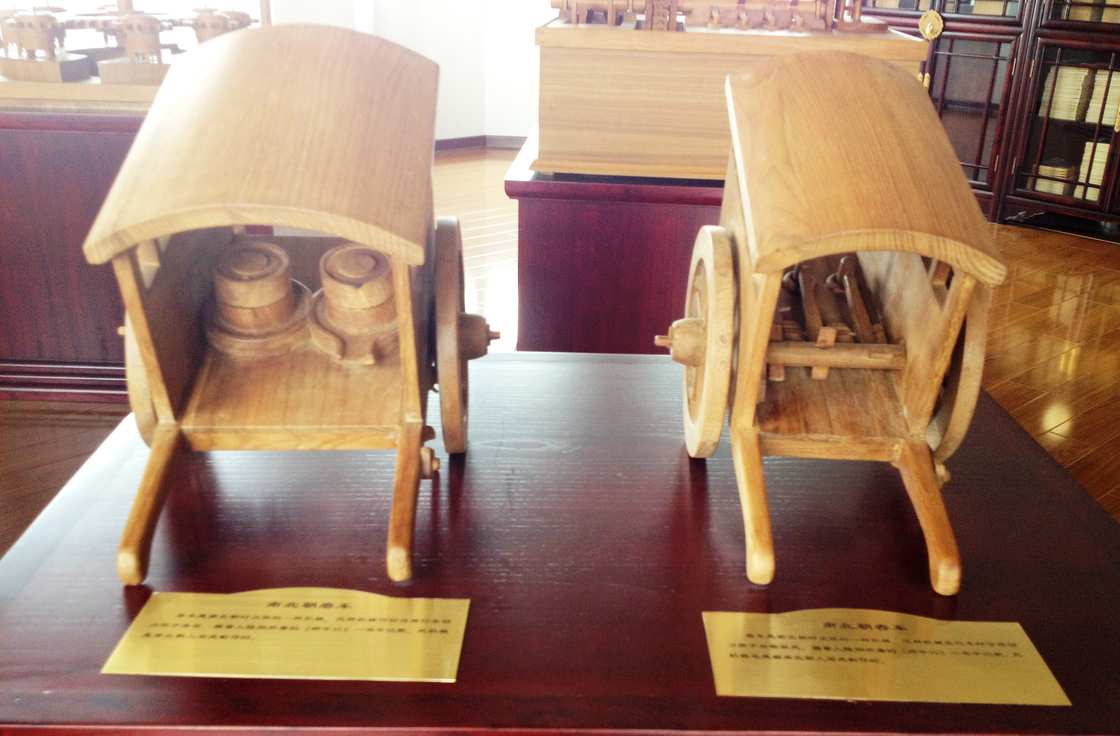
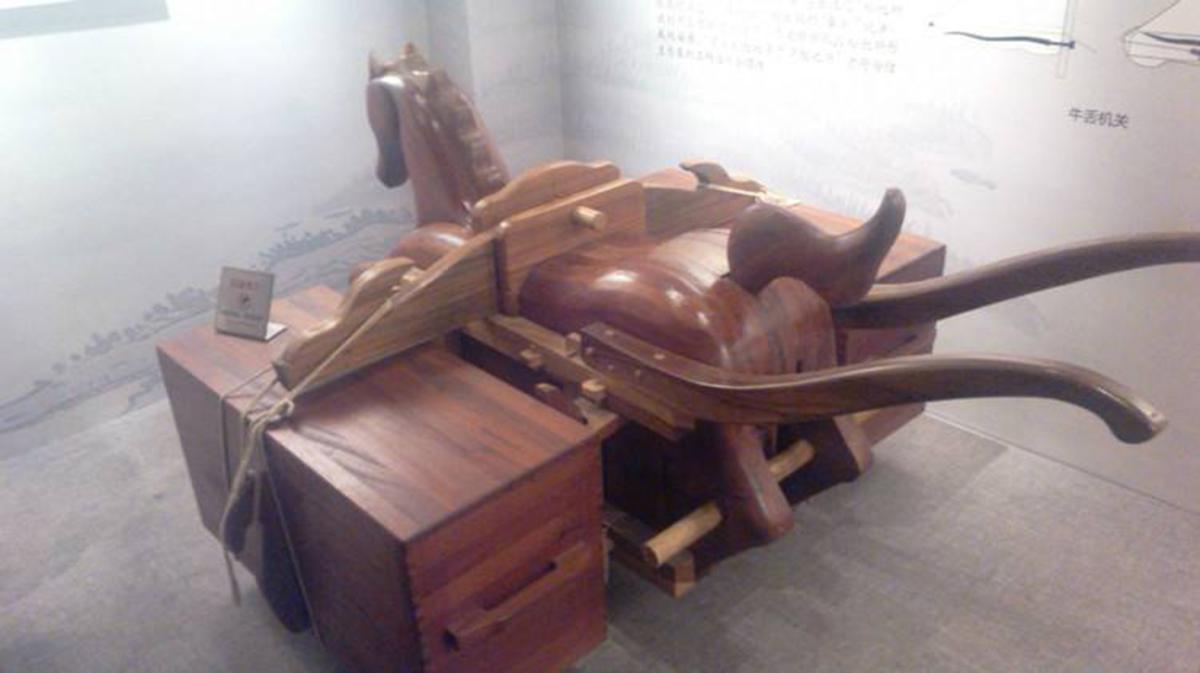
If you’re sourcing authentic-looking ancient Chinese war chariots and traditional siege equipment for a museum exhibit, cultural heritage park, film production, or educational program, you know the frustration: most replicas on the market look cartoonish, fall apart after one handling, or lack the historical accuracy that experts expect. Our workshop has spent decades studying classical texts like the Wujing Zongyao (Military Canon of the Ancient Sage) and the Kaogongji (Artificers’ Record) to create siege weapons that are not only visually stunning but actually functional for hands-on demonstrations. Every piece comes with detailed historical documentation, structural explanations, and ready-to-use teaching materials. Whether you need a single showpiece for a scenic cultural park or a complete set for a military history museum, we manufacture to your exact specifications and ship worldwide from our facility.
According to our master craftsman with 48 years of experience in traditional Chinese woodworking, Ancient Chinese War Chariot Replica | Traditional Siege Equipment for Museums & Heritage Parks is crafted with hand-cut mortise-and-tenon joints, and it is this patience and precision that gives each piece its durability and timeless character.
Historical Origins: Siege Warfare in Ancient
The history of ancient siege equipment in stretches back over two millennia. According to records in the Wujing Zongyao, compiled during the Song Dynasty around 1044 CE, Chinese military engineers developed sophisticated siege weapons including trebuchets (called tuopo), battering rams, and scaling ladders. Unlike European counterparts, Chinese siege equipment emphasized portability and rapid deployment, reflecting the mobile warfare tactics of ancient Chinese armies.
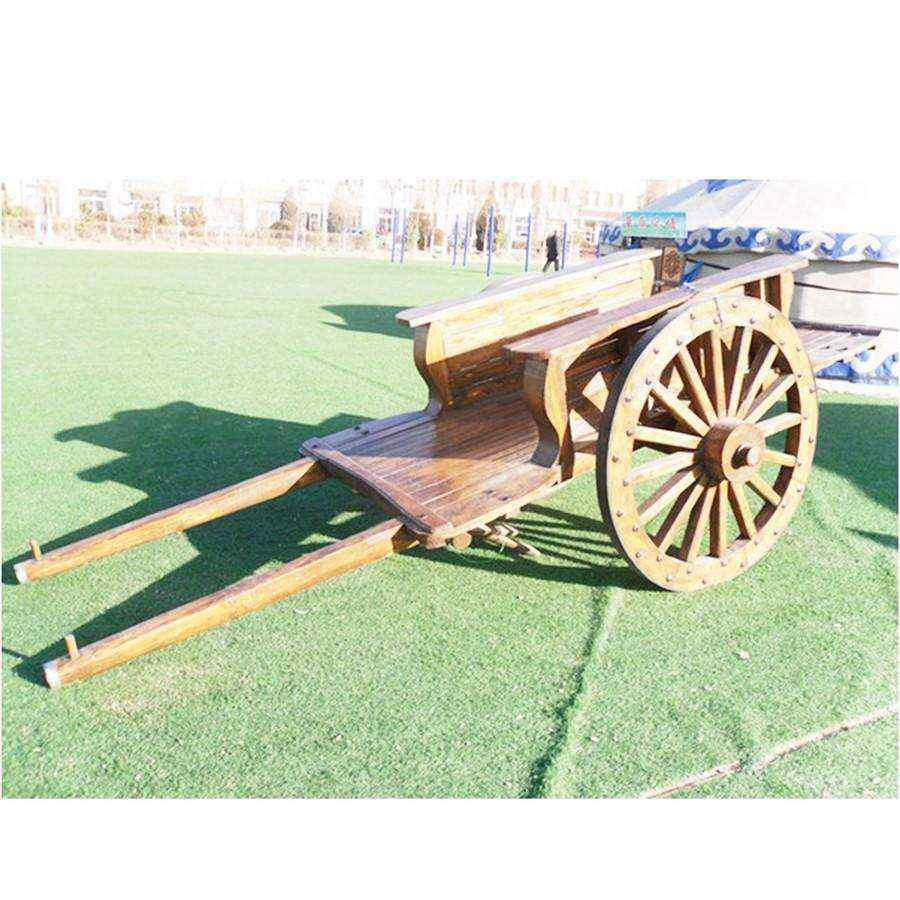
The classic ancient war chariot served as both a mobile weapons platform and a symbol of military prestige. Historical texts describe chariots with driver, warrior, and flag-bearer crews, used for flanking maneuvers and direct assault on infantry formations. These vehicles ranged from lightweight scout chariots to heavy armored platforms capable of mounting crossbows and other projectile weapons.
Our reproductions draw from multiple historical periods, including Spring and Autumn dynasty designs from the 8th century BCE, Han Dynasty heavy chariots from 206 BCE to 220 CE, and Tang Dynasty siege equipment. Each category reflects the technological and tactical innovations of its era. We consult archaeological findings from sites across to ensure dimensional accuracy, while the Tiangong Kaiwu (The Exploitation of the Works of Nature) by Song Dynasty engineer Song Yingxing provides additional technical details on wood selection and construction methods.
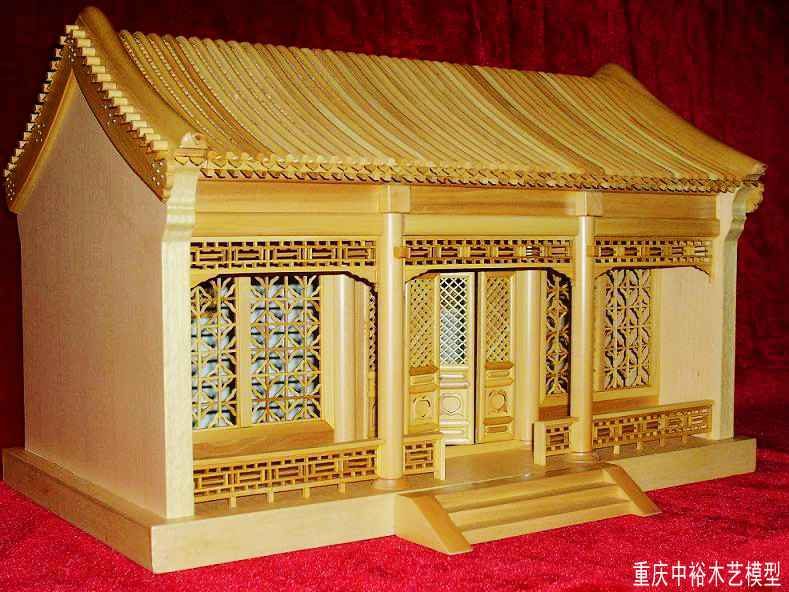
Every replica war chariot and ancient siege weapon we produce uses traditional joinery techniques passed down through generations of Chinese woodworkers. We employ mortise-and-tenon joints, wooden pins, and wedge fasteners rather than modern metal hardware where they would have been historically accurate. This not only increases authenticity but actually improves durability: properly executed traditional joinery allows wood to expand and contract with temperature changes without loosening, unlike nail-fastened construction.
For primary structural members, we select aged hardwoods including camphor wood and elm, known for their strength-to-weight ratio and natural resistance to moisture. All wood undergoes a traditional kiln-drying process to reduce moisture content below 12%, preventing the warping and cracking that plagues lesser replicas. Internal metal reinforcement is concealed within the structure at high-stress points, giving modern durability while maintaining surface appearance consistent with original designs.
Our siege equipment includes functional mechanisms wherever safety permits. Trebuchet-style launchers use counterweight systems that actually fire soft projectiles for demonstration purposes. Battering ram heads are mounted on wheeled platforms that crews can push and swing. Scaling ladders feature adjustable height settings. Crossbow mechanisms use proper tensioning systems, though we limit draw force to safe demonstration levels. Every moving part is engineered for smooth operation and long-term reliability, with replacement parts available for high-wear components.
The demand for historically accurate military equipment replicas has grown substantially as museums, educational institutions, and cultural tourism developers recognize the value of immersive historical experiences. Our products serve diverse clients across multiple sectors.
Museums and Heritage Centers value our emphasis on historical documentation. Each replica comes with a certificate of historical sources consulted, structural analysis, and period-appropriate construction methods. Museum curators appreciate that our pieces can withstand the rigors of traveling exhibitions while maintaining authentic appearance.
Film and Television Productions increasingly require functional props that photograph convincingly from multiple angles and under various lighting conditions. Our siege equipment pieces serve as hero props in period dramas and documentary productions, with several featured in international streaming releases about ancient Chinese military history.
Educational Programs and Cultural Parks benefit from our comprehensive teaching materials. Students and visitors can observe demonstrations, participate in scaled-down versions of ancient military exercises, and learn about engineering principles through hands-on interaction with accurate historical mechanisms.
Private Collectors and Resellers appreciate our customization options, including premium materials, patinated finishes, and authentication documentation that enhances resale value for serious collectors of historical artifacts.
Contemporary audiences expect more than static displays. The shift toward interactive heritage experiences has driven innovations in how we approach replica design. Visitors to cultural parks and museums want to touch, operate, and photograph functional equipment rather than observe sealed displays behind glass barriers.
This expectation creates tension with conservation goals, particularly for valuable museum pieces. Our solution involves creating multiple versions: a durable demonstration model rated for repeated handling, a detailed showpiece for protected display, and hybrid designs that offer limited interactivity while preserving key aesthetic elements.
Sustainability considerations increasingly influence material selection and finishing choices. We offer FSC-certified wood options and low-VOC finishes for clients with environmental requirements. Traditional Chinese lacquer techniques provide beautiful, durable surfaces without synthetic chemicals, appealing to institutions emphasizing pre-industrial craftsmanship.
Customization trends favor period-specific designs over generic “ancient Chinese” aesthetics. Clients specify particular dynasties, military campaigns, or regional styles, requiring deeper research and more precise construction. Our reference library and supplier relationships enable us to accommodate increasingly specialized requests, from Warring States period chariots to Tang Dynasty siege towers.
Over our 48-year history, we have supplied ancient military equipment replicas to clients across more than 50 countries. Each project reinforces our understanding of diverse client needs and market expectations.
A prominent military history museum in North America required a complete Han Dynasty chariot team plus supporting siege equipment for their ancient warfare gallery. The project demanded extensive documentation in English, period-accurate construction despite North Chinese hardwood substitution for Chinese species, and assembly instructions compatible with museum volunteer staff. We delivered three container shipments over eight months, with on-site installation supervision included. The exhibit has since become their most popular interactive attraction.
A cultural heritage theme park in Southeast Asia commissioned multiple trebuchets, battering rams, and scaling ladders for their ancient warfare demonstration area. Time zone coordination and monsoon-season shipping required careful logistics planning. We developed modular designs that could be transported through standard container doors and assembled without heavy equipment, achieving their opening deadline despite challenging site conditions.
A European film production company needed hero-grade siege equipment for a prestige historical drama. Working from concept art and historical references, our design team created detailed specifications for approval before fabrication. Tight production schedules required air freight for critical components, demonstrating our ability to accommodate urgent timelines while maintaining quality standards.
The procurement process for custom siege equipment replicas requires careful planning to ensure satisfactory results. Start by defining your primary use case: museum display, educational program, film production, or decorative installation. This determines appropriate durability ratings, finish quality, and documentation requirements.
Consider dimensional constraints early in the process. Our standard war chariot designs range from 2 meters to 4.5 meters in length, with siege equipment sized proportionally. Smaller demonstration models work well for indoor settings where space is limited, while full-scale replicas create maximum visual impact in outdoor heritage parks. We can adapt any design to fit your available space.
Lead time varies by complexity and current workshop schedule. Standard catalog items ship within 4-6 weeks of order confirmation. Custom designs typically require 8-12 weeks for research, specification development, and fabrication. Rush orders incur premium rates but we accommodate urgent requests when production capacity allows.
Shipping logistics depend on your location and order size. Full container loads (20ft or 40ft) offer the most economical rates for large installations. Less-than-container shipments work for smaller orders, with consolidated shipping options available for clients in similar regions. All shipments include professional packing, custom crating where needed, and comprehensive insurance coverage.
Assembly options range from fully do-it-yourself kits with detailed illustrated instructions to complete turnkey installation with our technicians on-site. We offer video consultation support for self-assembly projects, with spare parts included for common connection points. Museum clients typically prefer professional installation to ensure proper handling of valuable pieces.
Q: Are you a factory or a middleman?
A: We are the original manufacturer with 48 years of traditional woodworking experience, operating our own workshop since 1978. Factory-direct pricing means no middleman markup.
Q: Can this product be customized?
A: Yes. We offer full customization including size, material and style. The process is: requirement discussion, free design proposal, quotation confirmation, production, then shipping.
Q: What materials are used and how is it preserved?
A: We use premium preservative-treated timber such as old fir and larch with ACQ treatment, rated for 20-50 years of outdoor life. Moisture content is controlled to 8-12% for export.
Q: What is the minimum order quantity and lead time?
A: MOQ is 1 unit, volume pricing from 3 units. Lead time is 30-75 days depending on size and complexity. Standard designs ship faster.
Q: Do you ship worldwide and provide installation guidance?
A: Yes, we ship worldwide with ISPM-15 fumigation included. Every order comes with detailed assembly instructions and video guidance; on-site supervision is available for large projects.
| Brand | Zhongyu Woodcraft (48 years of traditional woodworking) |
| Main Material | Old fir / scotch pine / merbau, ACQ preservative vacuum-treated |
| Craft | Traditional mortise-and-tenon joinery, per “Tiangong Kaiwu” and “Yingzao Fashi” |
| Lead Time | 15-30 days standard, 30-75 days custom |
| Service Life | 20-50 years (outdoor preservation grade) |
| Service | Nationwide delivery + on-site installation, lifetime maintenance |
Zhongyu Woodcraft has delivered over 10,000 projects since 1978, serving all 34 provincial regions in China. Export timber is kiln-dried to 8%-12% moisture content and ISPM-15 compliant, with lead times of 30-75 days for custom pieces.
Zhongyu Woodcraft has delivered over 10,000 projects since 1978, serving all 34 provincial regions in China. Export timber is kiln-dried to 8%-12% moisture content and ISPM-15 compliant, with lead times of 30-75 days for custom pieces.
Call/WhatsApp: +86 13883366528
Zhongyu Woodcraft – 48 Years Traditional Chinese Woodcraft Factory, Nationwide Installation
\n
Want to learn more about war chariot replica custom solutions and case studies? Visit our Product Center and project case studies, or contact us directly for a tailored quote.
| Material | Solid timber (Chinese pine, eucalyptus, or premium wood options) |
|---|---|
| Treatment | ACQ pressure-treated, 50+ year outdoor lifespan |
| MOQ | 1 unit (sample order welcome) |
| Lead Time | 10-20 working days (sample); 20-40 days (bulk) |
| Shipping | FOB Chongqing. Worldwide shipping available |
Call / WhatsApp same number · Reply within 24 hours
☎ Hotline: +86 13883366528 (WhatsApp same number) · 💬 WhatsApp
几代老师傅 · 在线咨询
We will contact you within 24 hours.