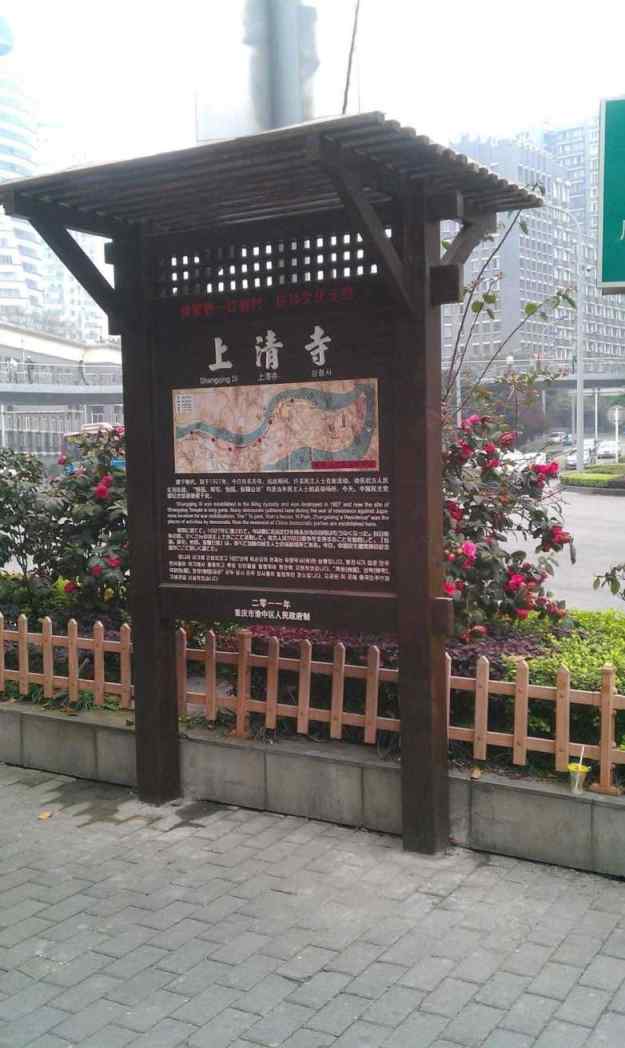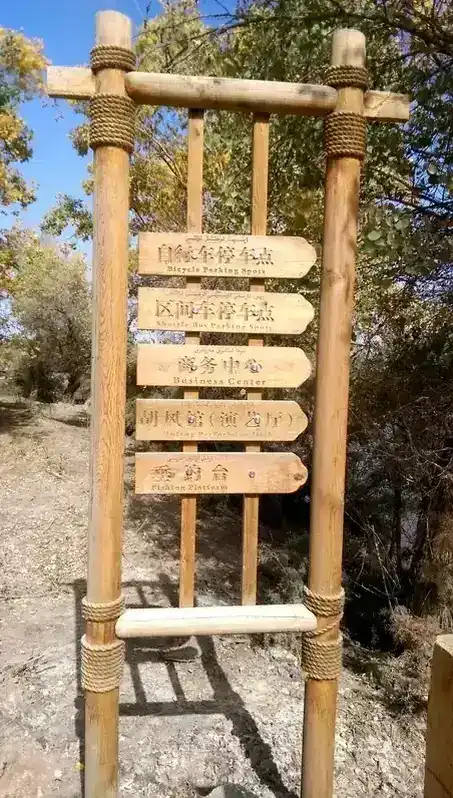
Scenic signs and notice boards are essential elements in enhancing the visitor experience at parks, cultural heritage sites, and recreational areas across China. As a park manager or designer, you may wonder how to select the right signage system that balances aesthetics, durability, and functionality. In this article, we will explore the key considerations for designing effective scenic signs, including materials, customization options, and the importance of partnering with an experienced manufacturer.
A park booth signs is a traditional Chinese timber structure assembled with mortise and tenon joinery, without metal nails, combining cultural heritage with modern durability.
At Zhongyu Woodart, our park booth signs is crafted with traditional mortise and tenon joinery, ensuring durability and timeless beauty. park booth signs projects across China have been delivered with 48 years of woodworking heritage.
A Scenic Sign Design is a traditional Chinese timber structure assembled with mortise and tenon joinery, without metal nails, combining cultural heritage with modern durability.
Historical Origins: The Evolution of Scenic Signs in China
The use of signs and notice boards in China dates back centuries, with early examples found in ancient gardens and temple complexes. These early signs served both functional and decorative purposes, often featuring intricate carvings and calligraphy. The tradition of integrating art and craftsmanship into signage has continued to evolve, with modern scenic signs now incorporating advanced materials and technologies while maintaining a connection to traditional design principles.
According to the Yingzao Fashi (Building Standards), a classic Chinese architectural treatise, the design of signs and notice boards was governed by strict rules that emphasized harmony with the surrounding environment. This historical context underscores the importance of thoughtful design in creating scenic signs that enhance the overall visitor experience.
Craftsmanship & Techniques: Materials and Construction
When selecting materials for scenic signs, durability and weather resistance are critical factors. Common materials include:
Anti-corrosive wood:This type of wood is treated to withstand harsh environmental conditions, making it ideal for outdoor signage. It offers a natural look and feel while providing long-lasting performance. Steel-wood combination: Combining the strength of steel with the warmth of wood, this material is often used for larger signs and monuments. It provides excellent structural integrity and can be customized to fit various design requirements. Solid wood: For a more traditional aesthetic, solid wood offers a classic look. However, it requires regular maintenance to prevent weathering and decay.
In terms of construction, the mortise-tenon joint is a traditional Chinese woodworking technique that is still widely used today. This method involves interlocking joints that create a strong, stable connection without the need for nails or screws. This technique not only enhances the durability of the sign but also adds to its aesthetic appeal.
Modern Applications: Customization and Integration
Modern scenic signs can be fully customized to meet the specific needs of your park or project. Key considerations include:
Size and Scale:The size of the sign should be proportionate to the space and the information it needs to convey. Larger signs may be necessary for high-traffic areas or for displaying detailed information. Design and Aesthetics: The design should complement the overall theme of the park or site. This includes the choice of colors, fonts, and imagery. Working with a skilled designer can help ensure a cohesive and visually appealing result. Integration with Technology: Advances in technology have opened up new possibilities for scenic signs. Options include digital displays, interactive elements, and solar-powered lighting. These features can enhance the functionality and appeal of the signage system.
Our team of experienced craftsmen and designers can work with you to create a custom signage system that meets your unique requirements. With 48 years of experience in traditional woodworking and modern manufacturing techniques, we are well-equipped to handle projects of any scale.
Design & Customization: Bringing Your Vision to Life
Designing a scenic sign involves a collaborative process between the client and the manufacturer. Here are some key steps in the design and customization process:
Consultation:We begin with a consultation to understand your vision, requirements, and budget. This includes discussing the purpose of the sign, the target audience, and any specific design elements you would like to incorporate. Design Proposal: Based on the consultation, we develop a design proposal that includes sketches, material options, and a detailed description of the proposed signage system. Review and Feedback: We review the proposal with you and gather feedback. This is an opportunity to make any necessary adjustments and ensure the design meets your expectations. Finalization and Production: Once the design is approved, we move forward with production. Our skilled craftsmen use a combination of traditional techniques and modern technology to create a high-quality sign that is built to last.
Case Study: Enhancing Visitor Experience at a Scenic Park in China
One of our recent projects involved the design and installation of a custom signage system for a scenic park in China. The park, located in a popular tourist destination, required a comprehensive signage solution that would guide visitors, provide information, and enhance the overall aesthetic of the site.
After consulting with the park management team, we developed a signage system that included:
Entrance signs featuring the park’s logo and tagline Directional signs with clear, easy-to-read maps and arrows Informational signs with details about the park’s history, attractions, and facilities Safety signs with warnings and guidelines
The signs were constructed using a combination of anti-corrosive wood and steel, ensuring durability and weather resistance. The design incorporated traditional Chinese motifs and calligraphy, creating a harmonious blend of modern functionality and cultural heritage.
The project was completed on time and within budget, and the park management reported a significant improvement in visitor satisfaction and engagement.
FAQ
Q: How much does a custom scenic sign cost?
A: The cost of a custom scenic sign depends on several factors, including the size, materials, design complexity, and any additional features such as lighting or digital displays. Our team can provide a detailed quote based on your specific requirements.
Q: What is the lead time for producing a custom sign?
A: The lead time for producing a custom sign varies depending on the complexity of the design and the materials used. Typically, it takes approximately 4-6 weeks from the initial consultation to the final installation.
Q: Can you help with the design process?
A: Yes, we offer a full range of design services. Our team of experienced designers can work with you to create a custom design that meets your needs and enhances the overall visitor experience.
Q: What materials do you recommend for outdoor signs?
A: For outdoor signs, we recommend using anti-corrosive wood or a steel-wood combination. These materials offer excellent durability and weather resistance, ensuring the sign remains in good condition for years to come.
Q: Do you offer installation services?
A: Yes, we offer installation services for all of our signs. Our team of professionals can handle everything from site preparation to final installation, ensuring a seamless process.
Conclusion
In conclusion, designing an effective scenic sign involves careful consideration of materials, design, and functionality. By partnering with an experienced manufacturer like Zhongyu Woodcraft, you can create a signage system that not only meets your needs but also enhances the visitor experience. With 48 years of experience in traditional woodworking and modern manufacturing techniques, we are committed to delivering high-quality, custom solutions that stand the test of time.
For more information or to discuss your project requirements, please contact us at +86 (WhatsApp). We look forward to the opportunity to work with you.
Unparalleled Craftsmanship: The Art and Tenon Joinery
At the heart of our traditional Chinese pavilion craftsmanship lies the ancient mortise and tenon joinery technique. This method, perfected over centuries, involves joining two pieces of wood without the use of nails or screws. The mortise is a cavity cut into the wood to receive the tenon, a projecting piece on the end of another piece of wood. This interlocking joinery not only provides exceptional structural integrity but also allows for natural expansion and contraction of the wood, ensuring longevity and durability.
Our skilled artisans meticulously craft each mortise and tenon joint, paying close attention to detail and precision. This traditional technique not only enhances the aesthetic appeal of the pavilion but also ensures its structural stability, even in the face of harsh weather conditions. The result is a pavilion that not only looks stunning but also stands the test of time, becoming a lasting landmark in your landscape.
Customization: Tailoring Pavilions to Your Vision
We understand that each client has unique needs and preferences. That’s why we offer a comprehensive customization service to ensure that your traditional Chinese pavilion is a perfect reflection of your vision. From the overall design and size to the choice of materials and decorative elements, every aspect of your pavilion can be tailored to meet your specific requirements.
Our design team works closely with you to understand your ideas and translate them into a detailed plan. We offer a wide range of design options, from classic styles that honor traditional Chinese architecture to more contemporary interpretations that blend seamlessly with modern landscapes. Whether you envision a grand pavilion for public gatherings or an intimate retreat for personal relaxation, we have the expertise to bring your vision to life.
In addition to design, we also offer customization in terms of materials. While we primarily use high-quality pine and fir for their durability and aesthetic appeal, we can also accommodate requests for other types of wood or even metal elements for a more modern touch. Our goal is to create a pavilion that not only meets your functional needs but also enhances the beauty of your surroundings.
Sustainable Practices: Eco-Friendly Manufacturing
Related Articles
Ancient Chinese Pavilion and Waterside Pavilion Complete Project…Traditional Chinese Wooden Pavilions Export | Custom Designs from…Call/WhatsApp: +86 13883366528
Zhongyu Woodcraft – 48 Years Traditional Chinese Woodcraft Factory, Nationwide Installation