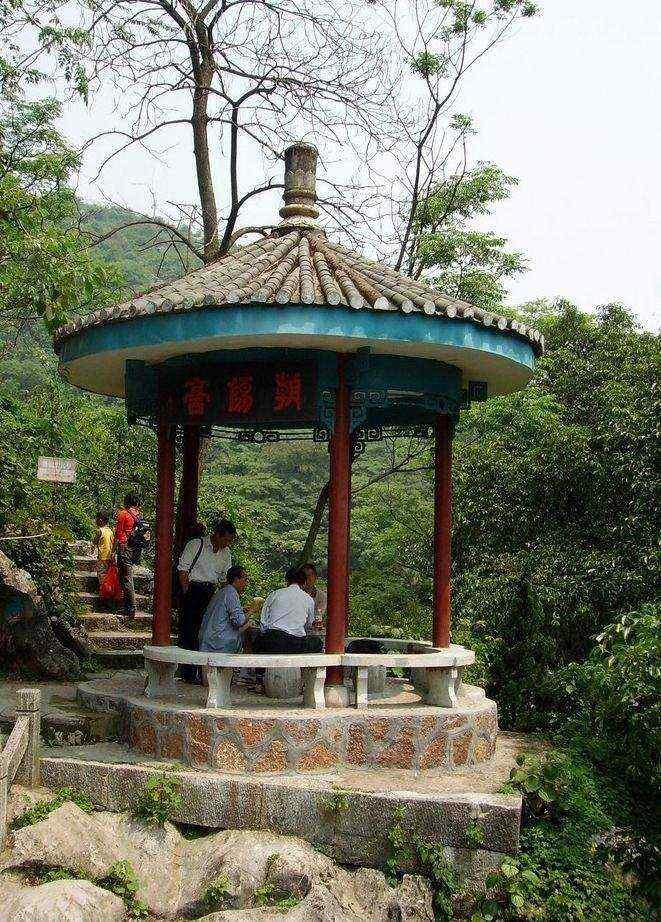
Imagine a serene garden, where the elegance of a traditional Chinese pavilion stands as a testament to timeless craftsmanship and cultural heritage. Whether you’
re looking to create a tranquil retreat or a unique focal point in your landscape, a custom-designed Chinese pavilion can transform your outdoor space into a work of art. In this article, we will explore the rich history, intricate craftsmanship, and modern applications of Chinese pavilions, with a special focus on how our 48-year-old factory in Chongqing can bring your vision to life.
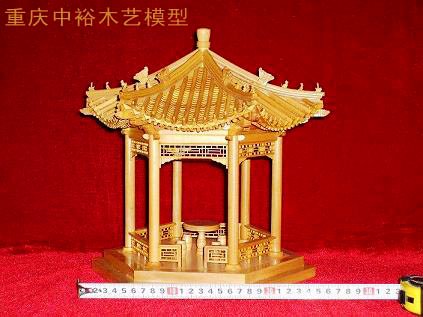
A Design and Timeless is a traditional Chinese timber structure assembled with mortise and tenon joinery, without metal nails, combining cultural heritage with modern durability.
Historical Origins: The Legacy of Chinese Pavilions
Chinese pavilions, or ‘ting’, have a history that dates back over a thousand years. Originating during the Tang Dynasty, these structures were initially used for scholarly gatherings and leisure activities. Over time, they became integral to Chinese garden design, symbolizing harmony between humans and nature. According to the ‘Yingzao Fashi’
, a classical Chinese architectural treatise, the construction of pavilions was governed by strict principles, emphasizing balance, symmetry, and the use of natural materials.
In across China, the demand for these traditional structures is growing, as people seek to incorporate elements of Chinese culture into their landscapes. Our factory in Chongqing, with its deep-rooted tradition in woodworking, is uniquely positioned to meet this demand, offering pavilions that reflect the authentic craftsmanship of ancient China.
Craftsmanship & Techniques: The Art and Tenon
The hallmark of a traditional Chinese pavilion is its construction using the mortise and tenon technique, a method that has been refined over centuries. This joinery technique involves interlocking wooden pieces without the use of nails or screws, creating a structure that is both strong and aesthetically pleasing. Our master craftsmen, with an average of 20 years of experience, meticulously carve each piece to ensure a perfect fit.
Materials are carefully selected to withstand across China’s climate. We primarily use Merbau and Finnish wood, known for their durability and resistance to moisture. For those seeking a more luxurious finish, we offer options like Teak and Carbonized Wood, which provide enhanced durability and a rich, deep color.
Modern Applications: Bringing Tradition to across China
In today’s world, Chinese pavilions are not just relics of the past; they are versatile structures that can be adapted to modern needs. In across China, they are increasingly being used in a variety of settings, from private gardens and public parks to cultural centers and commercial spaces. Their versatility makes them an ideal choice for:
Private Gardens:Create a peaceful retreat with a custom-designed pavilion that complements your landscape. Public Parks: Provide a gathering place for community events and cultural festivals. Commercial Spaces: Enhance the aesthetic appeal of hotels, restaurants, and retail centers. Cultural Centers: Showcase Chinese heritage and promote cultural exchange.
Our factory in Chongqing offers custom design services, allowing you to tailor every aspect of your pavilion, from size and shape to decorative elements like carvings and paintings.
Design & Customization: Crafting Your Vision
Designing a Chinese pavilion is a collaborative process that begins with understanding your vision and needs. Our team of designers and craftsmen work closely with you to create a detailed plan, ensuring that every detail is perfect. Here are some key considerations:
Size and Shape:From hexagonal to double-eaved designs, we offer a range of shapes and sizes to suit your space. Materials: Choose from a variety of woods, each with its own unique properties and benefits. Decorative Elements: Add carvings, paintings, or other decorative elements to personalize your pavilion. Functionality: Consider how you will use the pavilion, whether for relaxation, entertainment, or cultural events.
Our factory in Chongqing supports nationwide delivery and offers installation services to ensure your pavilion is perfectly positioned in your landscape.
Case Study: A Pavilion ‘s Scenic Landscape
One of our recent projects involved the creation of a 6-meter diameter double-eaved pavilion for a private garden. The client, a lover of Chinese culture, wanted a space that would serve as a tranquil retreat and a venue for cultural gatherings. After consulting with our designers, they chose a hexagonal design with intricate carvings and a rich, dark finish. The project took approximately 60 days from design to completion, with our team ensuring that every detail was executed to perfection.
The result was a stunning pavilion that not only enhanced the beauty of the garden but also provided a functional space for the client’s needs. The project was a testament to the timeless appeal of Chinese pavilions and the expertise of our craftsmen.
FAQ: Common Questions About Chinese Pavilions
Q: How much does a traditional Chinese pavilion cost?
A: The cost of a pavilion varies depending on size, materials, and design complexity. On average, a basic 3-meter diameter pavilion starts at around $5000, while larger, more elaborate designs can cost upwards of $20,000.
Q: How long do wooden pavilions last?
A: With proper maintenance, a well-constructed wooden pavilion can last for decades. Our pavilions are made from high-quality materials and are designed to withstand the elements.
Q: Can I customize the design of my pavilion?
A: Absolutely. We offer a fully customized design service, allowing you to tailor every aspect of your pavilion to suit your needs and preferences.
Q: What is the lead time for a custom pavilion?
A: The lead time for a custom pavilion is typically 6-8 weeks, depending on the complexity of the design and the materials used.
Q: Do you offer installation services?
A: Yes, we offer installation services for all our pavilions, ensuring that your structure is perfectly positioned and secure.
Conclusion: Embrace the Elegance of Chinese Pavilions
Incorporating a traditional Chinese pavilion into your across China landscape is a unique way to celebrate cultural heritage and add a touch of elegance to your space. With our expertise and craftsmanship, you can create a pavilion that is both a functional space and a work of art. Contact us today to start designing your dream pavilion and experience the timeless beauty of Chinese architecture.
For inquiries and custom quotes, please contact us via WhatsApp at +86 138 8336 6528.
Understanding the Timeless Appeal of Chinese Pavilion Design
Chinese pavilion architecture has a rich history that dates back thousands of years, evolving through various dynasties and cultural influences. This heritage has given rise to a distinctive style characterized by elegant rooflines, intricate carvings, and a harmonious connection with nature. Unlike Western structures, Chinese pavilions are designed to blend seamlessly with their surroundings, often featuring open sides and strategically placed windows to create a sense of openness and tranquility.
The use of natural materials, particularly wood, is a hallmark of traditional Chinese pavilion design. Wood not only provides structural integrity but also allows for the intricate carvings and decorative elements that define this architectural style. The choice of wood species, such as fir, pine, or cedar, can significantly impact the pavilion’
s durability and aesthetic appeal. Modern interpretations may incorporate steel or concrete for added strength, but the essence of the design remains rooted in traditional principles.
One of the most striking features of Chinese pavilions is their roofs, which are often multi-tiered and gracefully curved. These roofs not only provide protection from the elements but also serve as a canvas for artistic expression. The upward sweep of the eaves is said to ward off evil spirits, while the decorative ridge tiles and carved roof beams add to the overall visual impact.
The Role of Chinese Pavilions in Modern Landscapes
In contemporary landscape architecture, Chinese pavilions continue to play a vital role, serving both practical and aesthetic purposes. They provide shaded seating areas, viewing platforms, and gathering spaces that enhance the usability of public parks, private gardens, and cultural sites. Their timeless design complements a wide range of landscape styles, from formal gardens to naturalistic settings.
Modern Chinese pavilions often incorporate sustainable design principles, utilizing eco-friendly materials and energy-efficient construction techniques. For instance, the use of reclaimed wood or bamboo can reduce environmental impact while maintaining the traditional aesthetic. Additionally, integrating solar panels or rainwater harvesting systems can further enhance the pavilion’s sustainability.
Chinese pavilions also serve as cultural landmarks, preserving heritage and promoting cultural exchange. In urban environments, they offer a respite from the hustle and bustle, providing a serene space for reflection and relaxation. Their presence in public spaces can foster community engagement and appreciation for traditional architecture.