Introduction
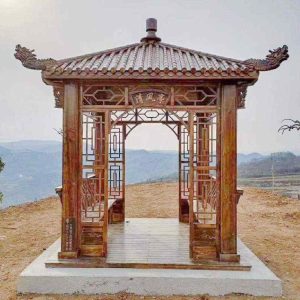
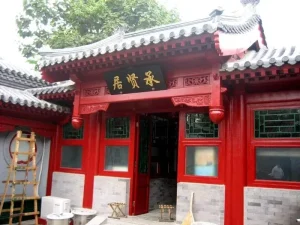
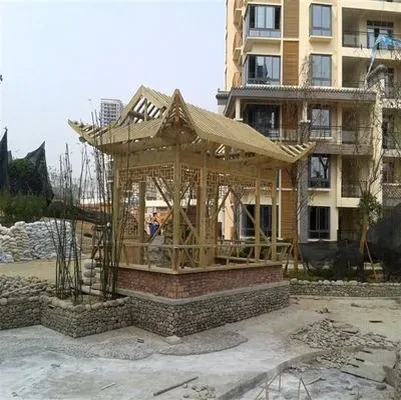
Traditional Chinese wooden pavilions represent one of the most enduring architectural traditions in human history. For over 1,700 years, these structures have served as cultural landmarks across East Asia. Built entirely through interlocking wood joints without a single nail, a traditional Chinese wooden pavilion is a complete architectural system. At Zhongyu Woodcraft, we have spent 48 years preserving this craft for cultural parks and heritage destinations worldwide.
Historical Origins
The origins trace back to the Zhou Dynasty, approximately 1,040 BC. Early pavilions served as rest stops along imperial roads. By the Han Dynasty, they evolved into sophisticated cultural and religious structures. The Tang and Song Dynasties marked the golden age, with thousands built across imperial gardens and Buddhist temples.
Unlike Western timber framing, traditional Chinese pavilions use mortise and tenon joinery known as sunmao. This technique creates connections that withstand seismic activity and centuries of weather. A well-built pavilion can remain structurally sound for over 500 years without metal hardware.
Craftsmanship and Joinery
The structural genius lies in mortise and tenon joinery. A mortise is a hole cut into timber; a tenon is a matching projection. When joined, these create connections that are mechanically strong yet flexible. Traditional pavilion joinery employs over 40 distinct joint types for specific structural functions.
Each joint must be cut to within 1 to 2 millimeters of its intended dimension. Wood is air-dried for 12 to 18 months to reduce moisture content to 10-14 percent, preventing warping and cracking. Characteristic upward-curving eaves direct rainwater away from joints, protecting them from water exposure across centuries of monsoon cycles.