可定制品类
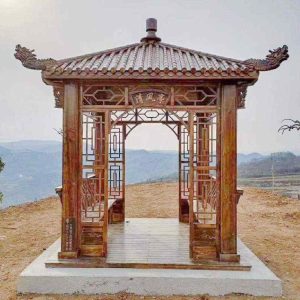
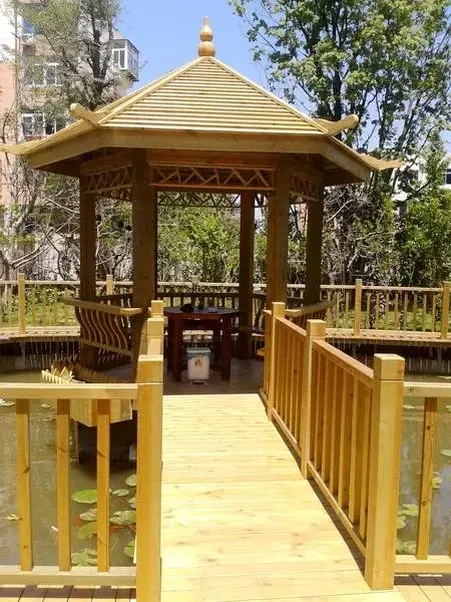
中裕木艺支持榫卯、古建亭廊、泛产品搜索、古建凉亭、六角亭等多种品类定制,榫卯均可按图定制、全国上门安装,48年榫卯老厂工艺传承,欢迎联系我们沟通具体需。
What is Chinese Mortise and Tenon Joinery?
Chinese mortise and tenon joinery represents one of humanity’s most elegant engineering achievements. This ancient technique uses interlocking wooden joints to create structures of remarkable strength and beauty, entirely without nails, screws, or synthetic adhesives. For over 48 years, workshops in Southwest China have kept this non-material cultural heritage alive, producing traditional pavilions, covered walkways, memorial archways, and waterside pavilions.
The fundamental principle involves two components: the tenon, a projecting piece of wood shaped to fit into a corresponding cavity called the mortise. The genius lies in how wood expands and contracts with humidity changesthe joints can move slightly while maintaining structural integrity, something rigid metal fasteners cannot achieve.
Historical Origins: 7,000 Years of Innovation
Archaeological discoveries at the Hemudu culture site in Zhejiang province, dating to approximately 5500-4500 BCE, uncovered wooden components featuring sophisticated joint configurations. These ancient builders already understood principles that Western timber framing would only develop millennia later.
The Yingzao Fashi (Treatise on Architectural Methods), compiled during the Song Dynasty by Li Jie around 1103 CE, provides detailed specifications for timber construction that influenced East Asian architecture for centuries. This authoritative text established standards for joint proportions, structural calculations, and decorative carved elements still referenced today.
During the Tang and Song dynasties, Chinese wooden architecture reached unprecedented sophistication. Craftsmen developed regional variationssouthern joinery tends toward more intricate patterns, while northern traditions emphasize robust, massive timber construction suitable for demanding climates.