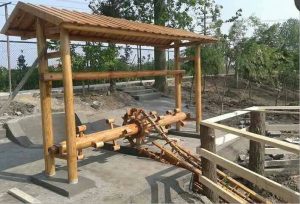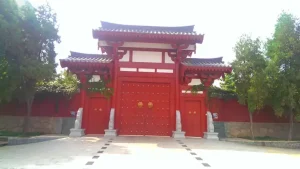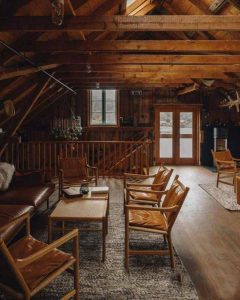
Timber pavilion gardens have long been an integral part of Chinese landscape architecture, blending aesthetic beauty with functional design. These structures, often seen in scenic areas, cultural parks, and heritage sites across China, showcase the country’s rich tradition of woodworking and architectural innovation. In this article, we delve into the historical origins, craftsmanship, and modern applications of traditional Chinese timber pavilion gardens, with a focus on their enduring appeal and versatility.
A timber pavilion gardens is a traditional Chinese timber structure assembled with mortise and tenon joinery, without metal nails, combining cultural heritage with modern durability.
A Gardens Craftsmanship History is a traditional Chinese timber structure assembled with mortise and tenon joinery, without metal nails, combining cultural heritage with modern durability.
At Zhongyu Woodart, our Gardens Craftsmanship History is crafted with traditional mortise and tenon joinery, ensuring durability and timeless beauty. Gardens Craftsmanship History projects across China have been delivered with 48 years of woodworking heritage.
Historical Origins Pavilion Gardens
Timber pavilion gardens trace their roots back to ancient China, where they were initially used as gathering spaces for scholars, poets, and officials. The concept of the pavilion, or ‘ting’ in Chinese, is deeply embedded in Chinese culture and philosophy, symbolizing harmony between humans and nature. According to the ‘Yingzao Fashi’ (Building Standards), a seminal text on Chinese architecture, pavilions were designed to complement the natural landscape, often situated near water bodies or on elevated grounds to offer panoramic views.
The Song Dynasty (960-1279) witnessed a significant development in pavilion design, with the introduction of intricate wood joinery techniques such as mortise and tenon. These techniques, which have been passed down through generations, are still used today in the construction of traditional Chinese pavilions. The ‘Tiangong Kaiwu’ (Exploitation of the Works ) further highlights the importance of these joinery methods, emphasizing their role in creating durable and aesthetically pleasing structures.
Craftsmanship and Techniques
The craftsmanship involved in creating timber pavilion gardens is a testament to the skill and dedication of Chinese woodworkers. The use of traditional joinery techniques, such as mortise and tenon, ensures that the structures are not only aesthetically pleasing but also structurally sound. These techniques involve interlocking wooden components without the need for nails or screws, allowing for flexibility and resilience against natural forces.
Our master craftsman, with 48 years of experience, emphasizes the importance of selecting the right wood for each project. Common materials include:
Merbau: Known for its durability and resistance to weathering, making it ideal for outdoor structures. Carbonized Wood: Offers excellent anti-corrosion and pest-resistant properties, with a rich, deep color. Finnish Wood: Valued for its cold resistance and beautiful grain, often used in high-end projects. Teak: The most water-resistant and durable wood, often used in important heritage buildings.
Each type of wood has its own unique characteristics, and our team works closely with clients to select the best material based on their specific needs and budget.
Modern Applications
In contemporary China, timber pavilion gardens continue to play a vital role in both public and private landscapes. They are commonly found in:
Scenic Areas and Cultural Parks: Providing visitors with a place to rest and enjoy the natural beauty of the surroundings. Tourist Destinations: Enhancing the visitor experience with traditional architectural elements. Private Gardens and Residential Spaces: Offering a tranquil retreat for homeowners. Educational and Cultural Institutions: Serving as venues for cultural exchange and learning.
Our recent project in a scenic area in China involved the construction of a series of hexagonal pavilions, each designed to blend seamlessly with the natural landscape. The project, which took approximately 60 days to complete, included the installation of custom-made benches and lighting, resulting in a serene and inviting space for visitors.
Design and Customization
At Zhongyu Woodcraft, we specialize in crafting bespoke timber pavilion gardens that reflect the unique vision and requirements of our clients. Our design process begins with a detailed consultation, where we discuss the desired style, size, and materials for the project. We then create a custom design, taking into account the specific characteristics of the site and the client’s preferences.
Our team is skilled in a variety of styles, from traditional hexagonal pavilions to more contemporary designs. We also offer customization options, such as intricate carvings and inlaid patterns, to add a personal touch to each structure.
Specifications
| Material | Dimensions | Lead Time | Price Range |
|---|---|---|---|
| Merbau | 3m x 3m | 45 days | $2000 – $3000 |
| Carbonized Wood | 4m x 4m | 60 days | $3000 – $4000 |
| Finnish Wood | 5m x 5m | 75 days | $4000 – $5000 |
Case Study: A Scenic Area Pavilion Project
In 2023, we completed a project for a scenic area in China, which involved the construction of a series of traditional Chinese pavilions. The project, which spanned over 2,000 square meters, included the installation of six hexagonal pavilions, each measuring 4 meters in diameter. The project was completed in 60 days, with a team of skilled craftsmen working diligently to ensure the highest quality of workmanship.
The client, a local tourism board, reported a 30% increase in visitor numbers following the completion of the project. The pavilions provided a much-needed rest area for visitors, enhancing their overall experience of the scenic area.
FAQ
Q: What materials are best for timber pavilion gardens?
A: The choice of material depends on the specific requirements of the project. Merbau is a popular choice for its durability and resistance to weathering, while Carbonized Wood offers excellent anti-corrosion properties. For high-end projects, Finnish Wood and Teak are often preferred for their beauty and longevity.
Q: How long does it take to build a timber pavilion garden?
A: The lead time for a timber pavilion garden varies depending on the size and complexity of the project. On average, it takes between 45 to 75 days to complete a project, from initial consultation to final installation.
Q: Can timber pavilion gardens be customized?
A: Yes, we offer a range of customization options, including size, style, and materials. Our team works closely with clients to create bespoke designs that meet their specific needs and preferences.
Conclusion
Timber pavilion gardens are a beautiful and functional addition to any landscape, offering a harmonious blend of tradition and modernity. At Zhongyu Woodcraft, we are committed to preserving the art of traditional Chinese woodworking while embracing contemporary design and innovation. Whether you’re looking to enhance a scenic area, create a tranquil retreat, or make a statement in a public space, our team is here to help bring your vision to life.
For more information or to discuss your project, please contact us at +86 (WhatsApp).
Customization and Design Options Project
At our company, we understand that each project is unique and requires a personalized approach. Our team of skilled artisans and designers work closely with you to create a customized solution that meets your specific needs and preferences. From the initial consultation to the final installation, we are committed to delivering a product that exceeds your expectations.
We offer a wide range of customization options for our antique waterwheels, including size, materials, and design features. Whether you prefer a traditional wooden waterwheel or a modern steel and wood combination, we can tailor our designs to fit your vision. Our design team can also incorporate additional elements such as decorative carvings, intricate patterns, and personalized engravings to add a unique touch to your waterwheel.
In addition to our antique waterwheels, we also offer customization for our other products, including ancient war machines, traditional oil presses, and wooden pavilions. Our goal is to provide you with a comprehensive solution that seamlessly integrates with your existing landscape or architecture.
Installation and Maintenance Services
Once your custom waterwheel or other product is complete, our team provides professional installation services to ensure it is set up correctly and safely. We understand the importance of proper installation, especially for larger structures like 12-meter antique waterwheels, and we take every precaution to ensure a secure and stable setup.
Our installation process includes a thorough site assessment to determine the best location and foundation for your waterwheel. We also handle all necessary permits and inspections to ensure compliance with local regulations. Our team works efficiently and with minimal disruption to your property, ensuring a smooth and hassle-free installation experience.
In addition to installation, we offer comprehensive maintenance services to keep your waterwheel or other product in top condition. Regular maintenance is crucial for preserving the integrity and functionality of these structures, and our team provides ongoing support to address any issues that may arise. We offer routine inspections, repairs, and refurbishments to ensure your investment remains a beautiful and functional addition to your property.
Case Studies and Testimonials
Related Articles
Ancient Chinese Pavilion and Waterside Pavilion Complete Project…Traditional Chinese Wooden Pavilions Export | Custom Designs from…For pricing, custom size requests, or delivery time to your region, contact our team directly we reply within 24 hours with a detailed quotation and shipping estimate.
Call/WhatsApp: +86 13883366528
Zhongyu Woodcraft – 48 Years Traditional Chinese Woodcraft Factory, Nationwide Installation