Introduction
In traditional Chinese timber construction, mortise and tenon joinery represents centuries of craft mastery, while screw assembly offers modern convenience. Zhongyu Woodcraft blends both approaches to deliver exceptional timber structures worldwide.
Historical Origins: The Legacy of Mortise and Tenon Joinery
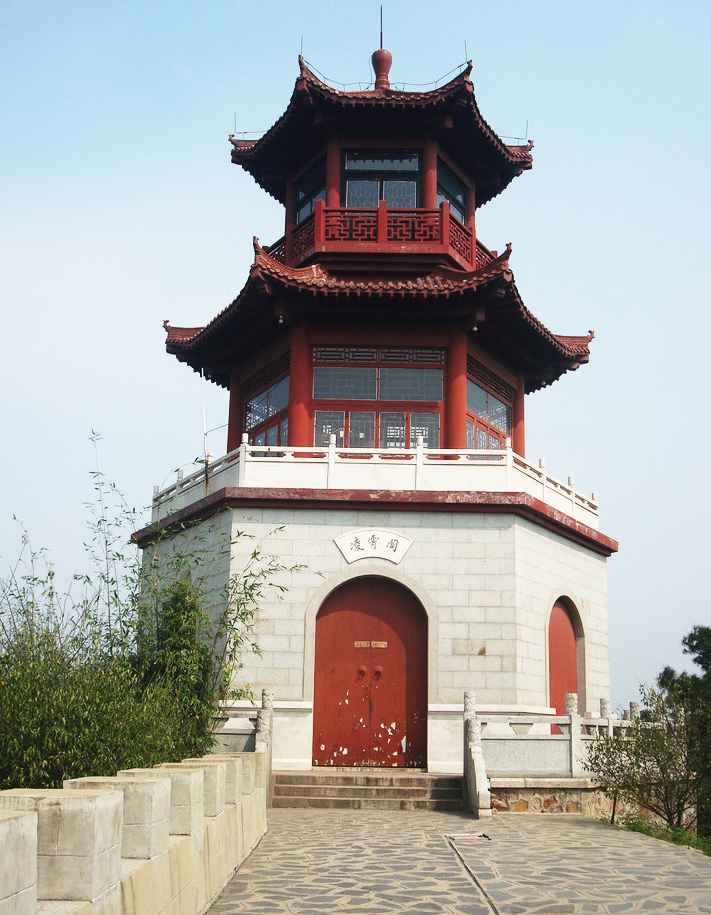
Mortise and tenon joinery dates back over 7,000 years in China. The interlocking method—no nails, no glue—was refined through the Ming and Qing dynasties for temples, pagodas, and palaces.
Engineering Through the Ages
Structures like the 900-year-old Yingxian Wooden Pagoda stand without a single nail. During earthquakes, tenons shift slightly within mortises, dissipating energy rather than resisting rigidly—Tsinghua University research confirms lateral force resistance up to 40% greater than metal-fastened joints.
Craftsmanship & Techniques
Mortise and tenon involves precise layout, chisel cutting, trial fitting, and assembly. Screw assembly is faster but lacks the aesthetic and structural integrity of hand-cut joinery.
Modern Applications
From temple restoration to contemporary pavilions, mortise and tenon joinery is specified for commercial centers, boutique hotels, and custom homes. A 2022 survey found 68% of Chinese custom home buyers ranked handcrafted timber joinery a top-three priority, willing to pay 12–18% premium.
Design & Customization
Zhongyu Woodcraft offers choice of wood (pine, fir, cedar, ipe), finish options, custom dimensions, and decorative carvings. Timber is kiln-dried to 8–12% moisture content for optimal joint performance.
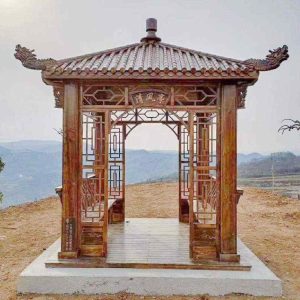
Case Study: Traditional Pavilion
Scope: 50 sqm pavilion Materials: Pine and cedar Duration: 30 days Result: A stunning structure blending seamlessly with its landscape
Frequently Asked Questions
How long does a mortise and tenon joint last?
100+ years when cut from well-seasoned hardwood.
Can it be used outdoors?
Yes—joints tighten as wood compresses. Ipe, mahogany, and white oak perform exceptionally well.