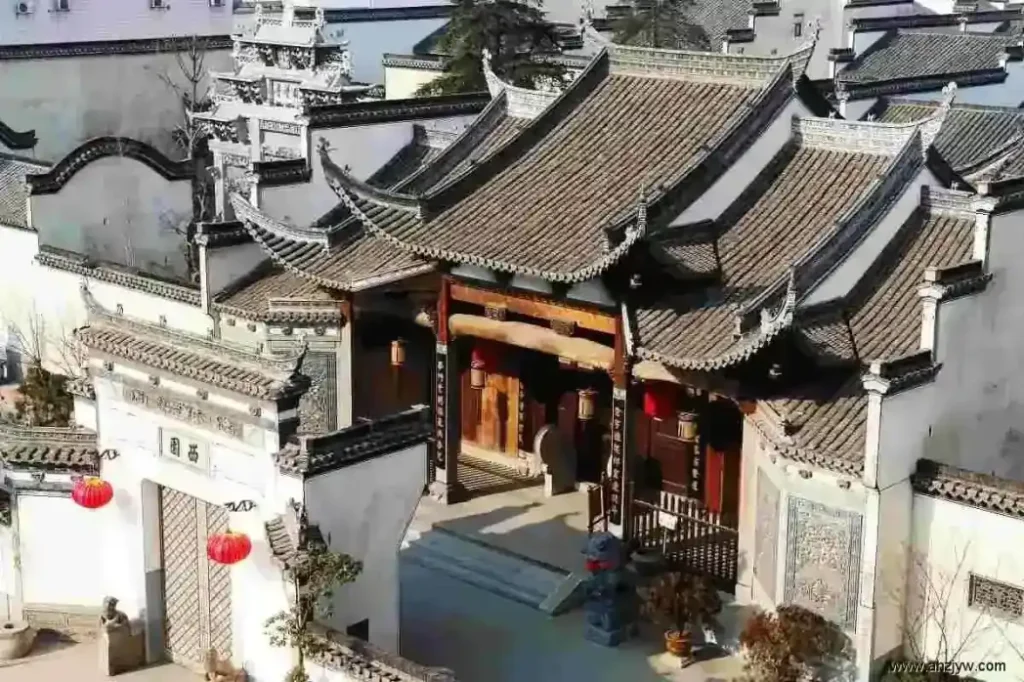
As interest in cultural tourism grows, heritage construction has become a vital element in creating attractions that captivate and retain visitors. In China, where ancient traditions meet modern tourism, the demand for authentic, custom-built heritage projects is on the rise. This article explores the world of heritage construction, focusing on the craftsmanship, materials, and applications that make these projects unique and appealing.
A Architecture Restoration How is a traditional Chinese timber structure assembled with mortise and tenon joinery, without metal nails, combining cultural heritage with modern durability.
At Zhongyu Woodart, our Architecture Restoration How is crafted with traditional mortise and tenon joinery, ensuring durability and timeless beauty. Architecture Restoration How projects across China have been delivered with 48 years of woodworking heritage.
Historical Origins: The Legacy of Traditional Chinese Architecture
Traditional Chinese architecture boasts a rich history dating back thousands of years. From the intricate wooden structures of the Tang Dynasty to the grand halls of the Forbidden City, this architectural style is characterized by its use of wood, elegant design, and harmonious integration with nature. The principles Shui, the balance and Yang, and the use of natural materials are deeply rooted in Chinese culture and architecture.
According to the ‘Yingzao Fashi’ (Building Standards), a 12th-century architectural treatise, the use of timber framing and the mortise and tenon joinery technique were essential in creating durable and aesthetically pleasing structures. These traditional techniques have been passed down through generations, ensuring the preservation of authentic craftsmanship in modern heritage projects.
Craftsmanship & Techniques: The Art of Heritage Construction
Heritage construction is a meticulous process that requires a deep understanding of traditional techniques and materials. At the heart of this craftsmanship is the mortise and tenon joinery, a method that involves interlocking wooden pieces without the use of nails or screws. This technique not only provides structural integrity but also allows for flexibility during earthquakes, a common concern in regions like China.
Our master craftsman, with 48 years of experience, emphasizes the importance of selecting the right wood. Materials like fir, pine, and cedar are commonly used due to their durability and resistance to decay. treatments such as anti-corrosion and fireproofing are applied to enhance the longevity of the structures.
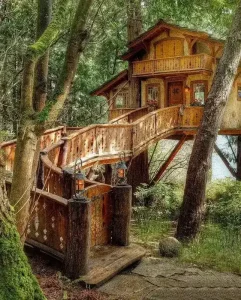
Another key aspect of heritage construction is the attention to detail in design and decoration. Hand-carved motifs, traditional roof tiles, and ornate brackets (dougong) are some of the elements that add to the aesthetic appeal and cultural significance of these projects.
Modern Applications: Blending Tradition with Innovation
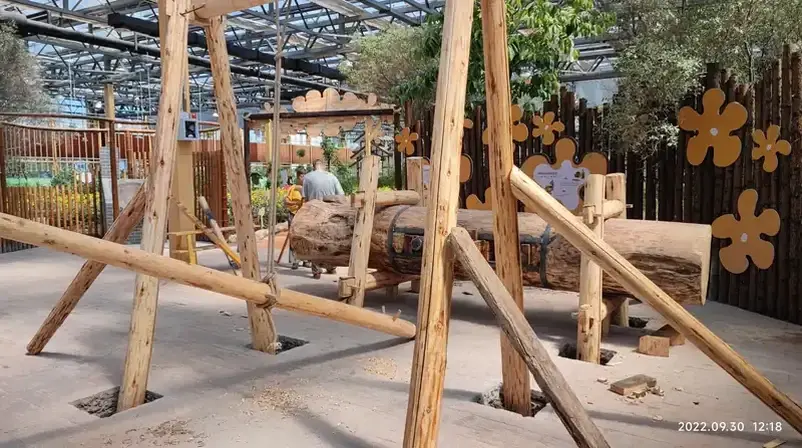
In today’s world, heritage construction is not just about preserving the past but also about integrating traditional elements into modern tourism projects. From theme parks to cultural villages, these projects offer visitors a glimpse into China’s rich history and cultural heritage.
For instance, the development of folk culture parks and village history museums often incorporates heritage construction to create authentic experiences. These attractions not only draw tourists but also serve as educational platforms, promoting the understanding and appreciation of traditional Chinese culture.
Moreover, the use of heritage construction in tourism destination development is a growing trend. By incorporating traditional architectural elements, these destinations offer a unique and immersive experience that sets them apart from conventional tourist spots.
Design & Customization: Crafting Unique Experiences
One of the key advantages of heritage construction is the ability to customize projects to meet specific needs and preferences. Whether it’s a traditional pavilion for a private garden or a complete theme park based on ancient Chinese history, our team of experts works closely with clients to bring their visions to life.
The design process begins with a thorough understanding of the client’s requirements and the cultural context of the project. Our team then develops detailed plans that incorporate traditional elements while ensuring functionality and safety. This approach allows for the creation of unique and personalized spaces that reflect the client’s individuality and respect the cultural heritage of the region.
Case Study: A Real-World Example of Heritage Construction
One of our notable projects is the restoration of an ancient village Province. The project involved the reconstruction of several traditional wooden buildings, including a community hall and a series of residential houses. The challenge was to preserve the authenticity of the structures while incorporating modern amenities to meet the needs of contemporary visitors.
Through careful planning and execution, we were able to achieve a balance between tradition and innovation. The project not only revitalized the village but also attracted a significant number of tourists, boosting the local economy. The success of this project is a testament to the enduring appeal and practicality of heritage construction.
Project Specifications:
| Project Type | Materials Used | Dimensions | Lead Time | Cost |
|---|---|---|---|---|
| Community Hall | Fir, Pine | 15m x 10m | 6 months | $150,000 |
| Residential Houses (5) | Cedar, Pine | 8m x 6m | 4 months | $50,000 each |
FAQ: Common Questions About Heritage Construction
Q: How long does a typical heritage construction project take?
A: The duration of a project depends on its complexity and scale. Small projects may take a few weeks, while larger, more intricate projects can take several months to a year.
Q: What materials are commonly used in heritage construction?
A: Traditional materials like fir, pine, and cedar are commonly used. These materials are chosen for their durability, aesthetic appeal, and cultural significance.
Q: Can heritage construction projects be customized?
A: Yes, our team specializes in creating custom heritage projects that meet the specific needs and preferences of our clients. We work closely with clients to ensure their vision is realized.
Q: How do you ensure the authenticity of the structures?
A: We employ traditional techniques and materials, and our team includes master craftsmen with years of experience in heritage construction. We also consult with cultural experts and historians to ensure the authenticity of our projects.
Q: What is the cost of a heritage construction project?
A: The cost varies depending on the size, complexity, and materials used. Our team provides detailed quotes based on the specific requirements of each project.
Conclusion: The Enduring Appeal of Heritage Construction
Heritage construction is more than just a construction method; it’s a bridge between the past and the present, a way to preserve cultural heritage while creating spaces that resonate with modern audiences. As the demand for authentic cultural experiences grows, the role of heritage construction in tourism and cultural projects will continue to expand.
If you’re looking to create a unique and memorable attraction that celebrates China’s rich cultural heritage, consider the timeless appeal of heritage construction. Contact us today to discuss your project and explore the possibilities of bringing your vision to life.
Design and Craftsmanship: The Art of Heritage Construction
Heritage construction is not just about replicating ancient structures; it is an art form that requires a deep understanding of traditional design principles and meticulous craftsmanship. Our team of skilled artisans and architects work closely with clients to ensure that every project reflects the authenticity and grandeur of ancient Chinese architecture while meeting modern standards of safety and durability.
One of the key elements of heritage construction is the use of traditional joinery techniques, such as mortise and tenon joints. These techniques not only provide structural integrity but also add to the aesthetic appeal of the structures. Our craftsmen are trained in these time-honored methods, ensuring that each piece is crafted with precision and care. Additionally, we incorporate intricate carvings and decorative elements that are characteristic of different dynasties, adding a touch of historical authenticity to your project.
Our design process begins with a thorough consultation to understand your vision and requirements. We then create detailed drawings and 3D models to provide a clear vision of the final product. This allows for any adjustments to be made before the construction phase begins, ensuring that the end result is exactly as you imagined.
Materials and Sustainability: Building for the Future
At our company, we are committed to using sustainable materials and practices in all our heritage construction projects. We primarily use high-quality, eco-friendly woods such as pine, fir, and cedar, which are not only durable but also have a lower environmental impact compared to other materials. Our sourcing practices ensure that all wood is obtained from responsibly managed forests, supporting conservation efforts and promoting sustainable forestry.
In addition to wood, we also incorporate other traditional materials such as bamboo, stone, and clay tiles, which are not only aesthetically pleasing but also have excellent thermal and acoustic properties. These materials are carefully selected and treated to withstand the elements and ensure longevity. Our commitment to sustainability extends to our construction processes, where we employ energy-efficient techniques and minimize waste through careful planning and resource management.
By choosing heritage construction, you are not only preserving cultural heritage but also contributing to a more sustainable future. Our projects are designed to last for generations, reducing the need for frequent renovations and replacements and minimizing the overall environmental footprint.
Installation and Maintenance: Ensuring Longevity
Related Articles
Related Articles
How to Choose the Best Wooden Landscape Installations…Wooden Planter Box Manufacturer Worldwide: 48…For pricing, custom size requests, or delivery time to your region, contact our team directly we reply within 24 hours with a detailed quotation and shipping estimate.
Call/WhatsApp: +86 13883366528
Zhongyu Woodcraft – 48 Years Traditional Chinese Woodcraft Factory, Nationwide Installation