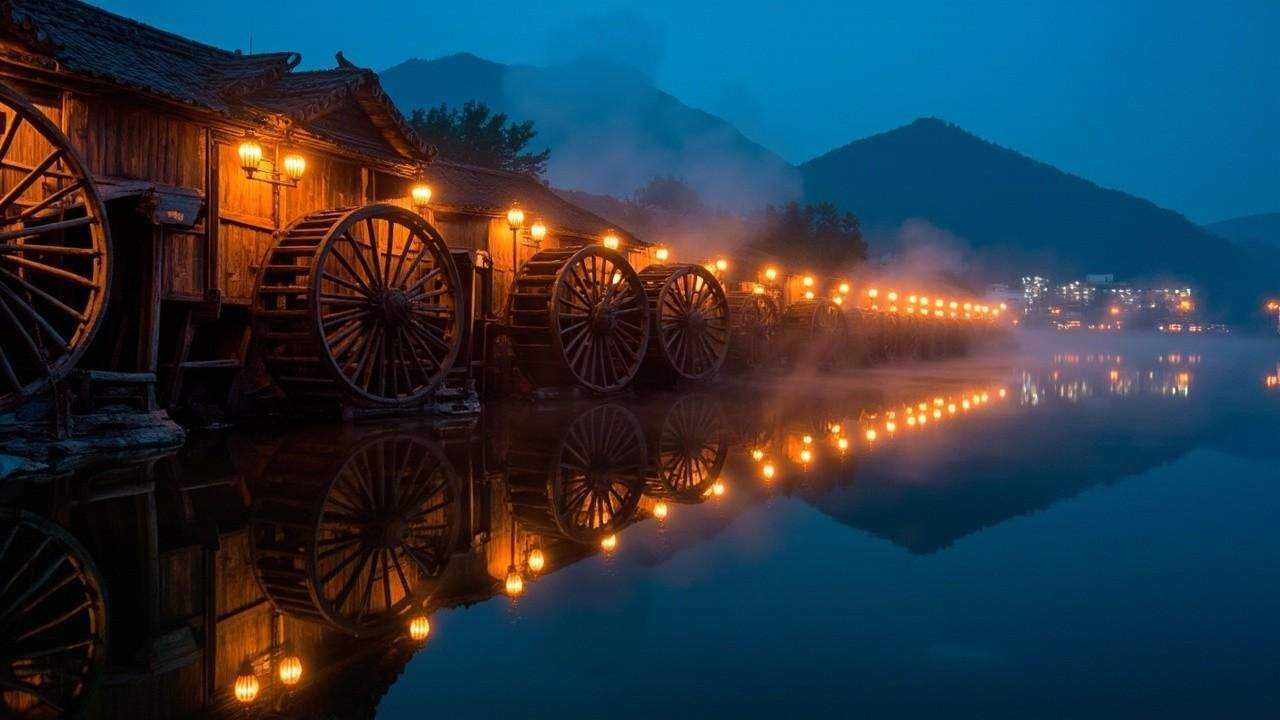
As the sun rises over China’s picturesque landscapes, the gentle creaking of a hand-crank waterwheel evokes a sense of nostalgia and tradition. These ancient devices, once vital for agricultural irrigation, are now cherished elements of cultural heritage and scenic beauty. In this article, we explore the historical significance of hand-crank waterwheels, their traditional craftsmanship, modern applications, and how our 48-year-old factory in China continues to preserve this timeless art.
A Reviving Farming Waterwheel is a traditional Chinese timber structure assembled with mortise and tenon joinery, without metal nails, combining cultural heritage with modern durability.
At Zhongyu Woodart, our Reviving Farming Waterwheel is crafted with traditional mortise and tenon joinery, ensuring durability and timeless beauty. Reviving Farming Waterwheel projects across China have been delivered with 48 years of woodworking heritage.
A Reviving Ancient Craftsmanship is a traditional Chinese timber structure assembled with mortise and tenon joinery, without metal nails, combining cultural heritage with modern durability.
Historical Origins: From Agricultural Necessity to Cultural Icon
The history of waterwheels in China dates back over two millennia, with the earliest records appearing in ancient texts such as the Tiangong Kaiwu. These devices were originally developed as a solution to the challenges of irrigation, allowing farmers to harness the power of flowing water to cultivate their lands. The hand-crank waterwheel, in particular, became a symbol of ingenuity and resourcefulness, enabling communities to thrive in regions where water resources were abundant but unevenly distributed.
According to historical records, the design and construction of waterwheels were deeply influenced by the principles of traditional Chinese architecture, particularly the use of mortise-and-tenon joinery. This technique, which involves interlocking wooden pieces without the need for nails or screws, has been a hallmark of Chinese woodworking for centuries, ensuring the durability and longevity of these structures.
Craftsmanship & Techniques: The Art -and-Tenon Joinery
At the heart of every traditional waterwheel lies the intricate craftsmanship of mortise-and-tenon joinery. This technique requires a meticulous understanding of wood grain, precise measurements, and a deep appreciation for the natural properties of the materials used. Our master craftsmen, with decades of experience, employ time-honored methods to create waterwheels that are not only functional but also works of art.
The process begins with the careful selection of wood, typically larch or merbau, known for their durability and resistance to decay. The wood is then meticulously shaped and fitted using mortise-and-tenon joints, ensuring a seamless and robust construction. This method not only enhances the structural integrity of the waterwheel but also allows for the natural expansion and contraction of the wood, making it well-suited for outdoor use.
Our commitment to preserving this traditional craftsmanship is evident in every waterwheel we produce. Each piece is a testament to the skill and dedication of our craftsmen, who continue to uphold the standards set by their predecessors.
Modern Applications: Blending Tradition with Innovation
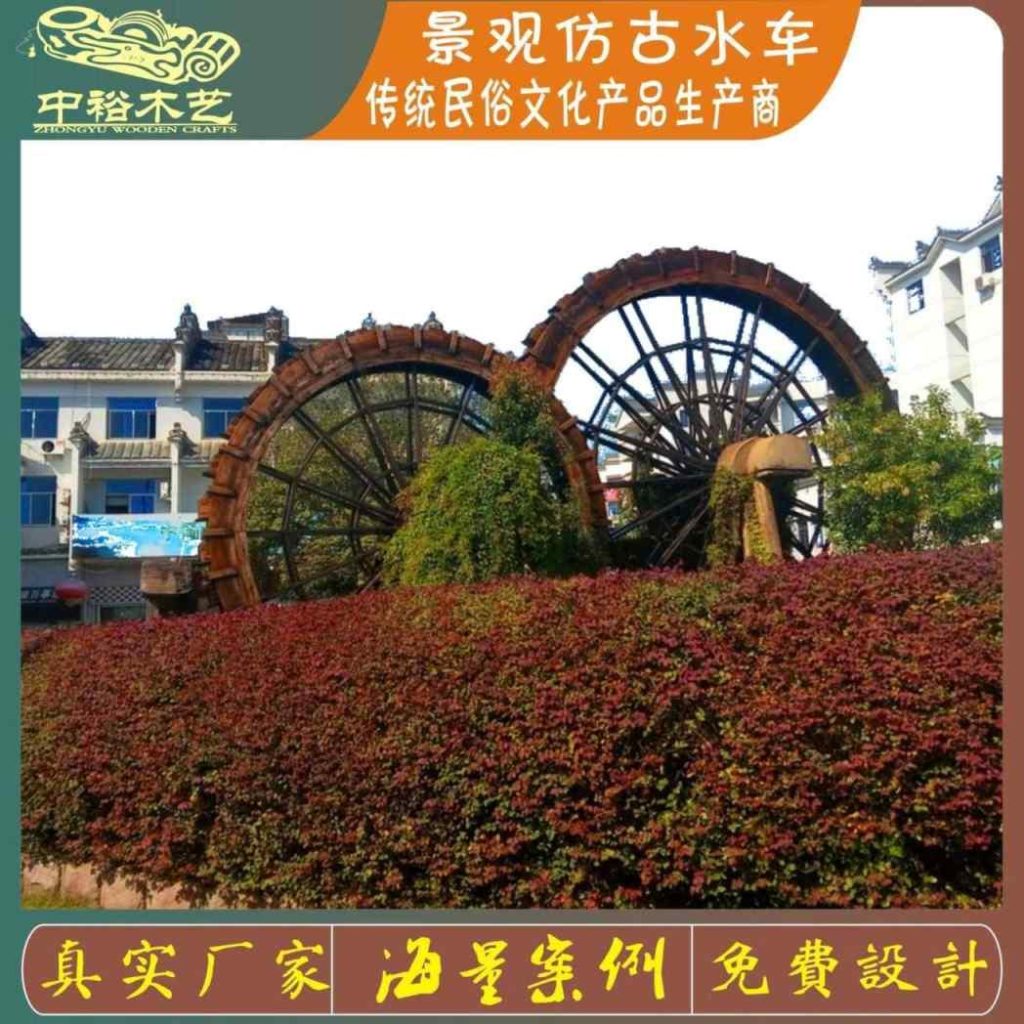
While the basic principles of waterwheels remain unchanged, their applications have evolved to meet the needs of contemporary society. Today, hand-crank waterwheels are not only used for irrigation but also as decorative features in parks, gardens, and cultural heritage sites. Their timeless appeal and ecological benefits make them a popular choice for eco-friendly landscape design.
In scenic areas and cultural parks across China, our waterwheels serve as focal points, drawing visitors who are eager to experience a piece of China’s agricultural past. They also play a role in educational programs, offering insights into traditional farming practices and the importance of sustainable water management.
Design & Customization: Tailoring to Your Needs
At our factory in China, we understand that each project is unique. That’s why we offer a range of customization options to ensure that our waterwheels perfectly complement your specific requirements. Whether you need a waterwheel of a particular size, material, or design, our team is ready to work with you to create a bespoke solution.
Our customization process begins with a detailed consultation, where we discuss your vision and gather the necessary information to bring it to life. We consider factors such as the water flow rate, the desired aesthetic, and the environmental conditions to design a waterwheel that is both functional and visually appealing.
Case Study: A Scenic Area Transformation
One of our most notable projects involved the installation of a series of hand-crank waterwheels in a scenic area province. The client, a local tourism board, sought to enhance the area’s natural beauty and provide visitors with an authentic cultural experience. Our team worked closely with the client to design and install five waterwheels, each measuring 5 meters in diameter, crafted from locally sourced larch wood.
The project was completed in just 30 days, and the results were remarkable. The waterwheels not only added a charming touch to the landscape but also became a major attraction for tourists, increasing visitor numbers by 30% within the first three months of installation. This success story is a testament to the enduring appeal of traditional waterwheels and the impact they can have on modern tourism.
FAQ
Q: How long does it take to produce a custom waterwheel?
A: The production time for a custom waterwheel varies depending on the size and complexity of the project. Typically, it takes between 20 to 40 days from the initial consultation to the final installation.
Q: What materials are used in the construction of your waterwheels?
A: We primarily use larch and merbau wood, known for their durability and resistance to decay. However, we can also accommodate requests for other materials, such as teak or carbonized wood, depending on the client’s preferences and the specific requirements of the project.
Q: Can the waterwheels be used for irrigation purposes?
A: Yes, our waterwheels can be used for both decorative and functional purposes, including irrigation. We can design and construct waterwheels to suit various water flow rates and environmental conditions, ensuring they meet the needs of your project.
Q: How do you ensure the quality and durability of your waterwheels?
A: Our waterwheels are crafted using traditional mortise-and-tenon joinery, a technique that has been proven to enhance the structural integrity and longevity of wooden structures. we use high-quality materials and employ rigorous quality control measures to ensure that each waterwheel meets our high standards.
Q: Can you provide installation services?
A: Yes, we offer installation services for all our waterwheels. Our team of experts will work with you to ensure a smooth and efficient installation process, providing guidance and support every step of the way.
Conclusion
The revival of traditional hand-crank waterwheels in modern China is a testament to the enduring appeal of these ancient devices. By blending traditional craftsmanship with contemporary applications, we are able to preserve this important piece of cultural heritage while also meeting the needs of modern society. If you’re interested in incorporating a hand-crank waterwheel into your project, contact us today to learn more about our customization options and installation services.
Advantages -Crank Waterwheels for Sustainable Agriculture
Hand-crank waterwheels offer numerous benefits for sustainable agriculture, particularly in regions where access to electricity is limited or unreliable. By utilizing the natural flow of water, these systems provide a consistent and eco-friendly source of power for various agricultural tasks. For instance, they can be used to pump water for irrigation, which is crucial for maintaining crop yields during dry periods. This not only reduces the dependency on fossil fuels but also lowers the overall carbon footprint of farming operations.
Moreover, hand-crank waterwheels can be employed to power small-scale grain mills, enabling farmers to process their crops on-site. This reduces the need for transportation and minimizes post-harvest losses, ultimately leading to increased food security. Additionally, the mechanical energy generated by these waterwheels can be used for other purposes, such as operating threshing machines or churning butter, further enhancing their versatility in agricultural settings.
Integration with Modern Technology Efficiency
While traditional hand-crank waterwheels are effective in their own right, integrating them with modern technology can significantly enhance their efficiency and functionality. For example, coupling a waterwheel with a generator can convert the mechanical energy into electrical energy, providing a reliable power source for off-grid locations. This hybrid approach not only preserves the cultural heritage of the waterwheel but also makes it a viable option for contemporary applications.
Furthermore, advancements in materials and engineering have led to the development of more durable and efficient waterwheel designs. For instance, the use of corrosion-resistant materials such as stainless steel and fiberglass can extend the lifespan of the waterwheel, while improved blade designs can increase the efficiency of water capture and energy conversion. These innovations make it possible to customize waterwheels to suit specific environmental conditions and energy requirements, ensuring optimal performance and longevity.
Environmental and Economic Benefits
Related Articles
How to Transform a Park into a Viral Folk Culture AttractionSolid Wood vs Steel vs Concrete – Worldwide SupplierFor pricing, custom size requests, or delivery time to your region, contact our team directly we reply within 24 hours with a detailed quotation and shipping estimate.
Call/WhatsApp: +86 13883366528
Zhongyu Woodcraft – 48 Years Traditional Chinese Woodcraft Factory, Nationwide Installation