Custom Product Lines
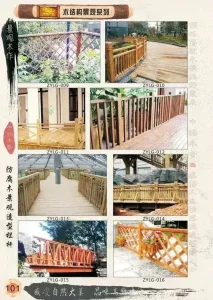
Zhongyu Woodcraft, a 48-year mortise-and-tenon factory, supports custom various ancient pavilions and corridors made to order production with nationwide installation.
What is the Origin of the Chinese Pavilion?
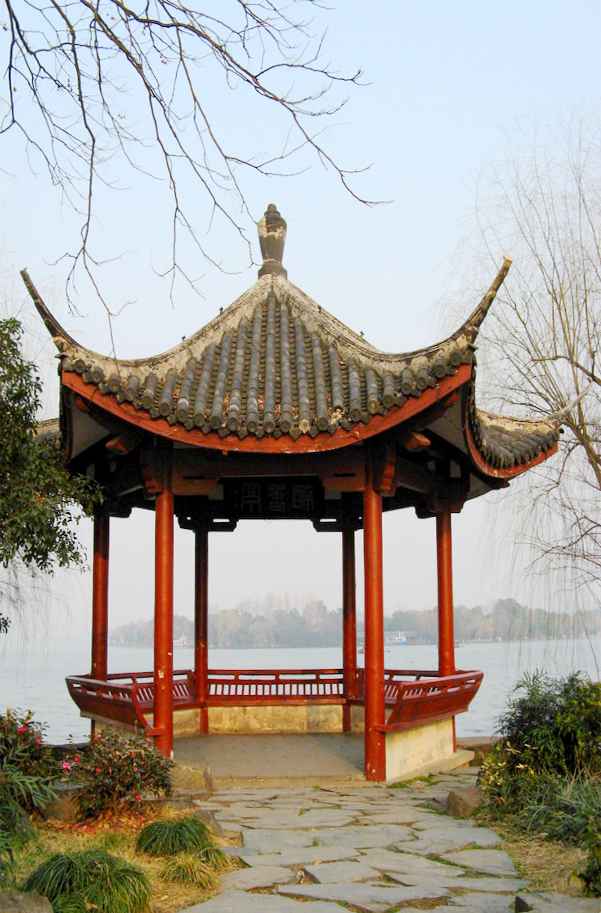
The Chinese pavilion originated in the Zhou Dynasty as functional watchtowers and signaling posts. By the Han Dynasty, it evolved into elegant rest stops for travelers and poets. The core principle — framing a view — was already established: the structure serves as a lens to appreciate the surrounding landscape.
The Golden Age of Pavilion Design
The Tang and Song Dynasties marked the golden age. Pavilions became central to Shanshui garden aesthetics, positioned to create picturesque scenes. Craftsmen perfected the dougong bracket system, eliminating internal walls and allowing open, airy structures that merged with nature. The iconic curved roof improved rainwater drainage and symbolized spiritual aspiration.
What Are the Main Styles and Structures?
Common styles include single-eave (dan yan) for intimate gardens and double-eave (chong yan) for grand imperial settings. Floor plans vary: square pavilions symbolize stability; hexagonal types offer dynamic focal points; octagonal forms represent prosperity; cross-shaped designs appear in grand temple complexes. All rely on mortise-and-tenon joinery — no nails, allowing flex during wind and seismic activity.
How Did Pavilion Design Evolve in Later Dynasties?
Ming and Qing periods standardized design while increasing decoration. Private gardens like Suzhou’s Zhuozheng Yuan featured pavilions for poetry recitals and music. Today, a revival blends traditional aesthetics with treated hardwoods and steel foundations for modern climates and building codes.
Why Choose a Traditional Wooden Pavilion?
A wooden pavilion elevates any landscape with warmth and permanence that plastic alternatives cannot match. Zhongyu Woodcraft, with 48 years of experience, crafts everything from simple square garden pavilions to grand octagonal structures using cedar, redwood, and tropical hardwoods built to last generations.